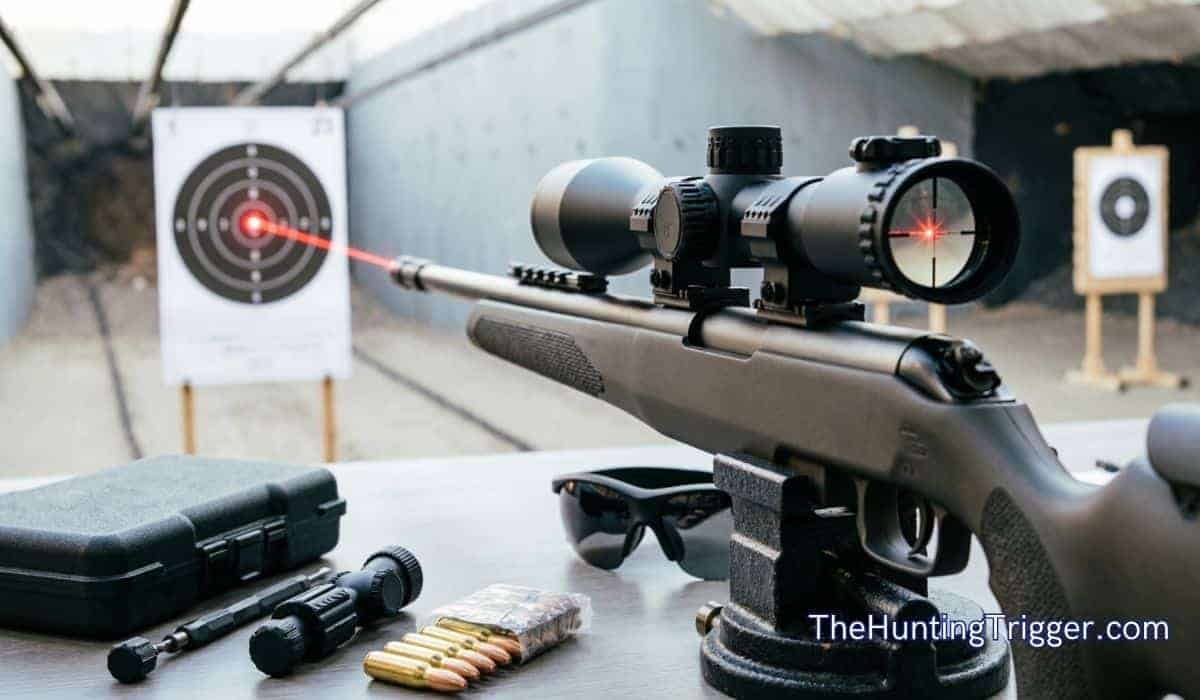
Boresighting a rifle is an important step for any shooter who wants to save time, ammunition, and effort when sighting in a new scope. Using a laser boresighter makes this process more precise and much faster compared to traditional methods. Whether you are preparing for hunting season or just want your rifle to shoot accurately, laser boresighting can help you achieve reliable results before you even fire your first shot.
Laser boresighters are small devices that project a beam from the chamber or muzzle of your rifle. This beam shows you where the barrel is pointing, making it easier to align your scope without firing rounds. Many shooters are surprised to find that their scopes are not perfectly aligned from the factory or after mounting.
Boresighting reduces guesswork and helps you get on target quickly.
Here’s everything you need to know about using a laser boresighter for your rifle, from choosing the right device to common mistakes and practical tips that often get overlooked.
Table of Contents
What Is Laser Boresighting?
Laser boresighting is a method for aligning the optical sight (scope or red dot) with the rifle barrel using a laser device. The laser projects a visible dot onto a surface, usually a wall or target, and shows the exact direction the barrel is pointing. You then adjust your scope or sight so its reticle matches the laser dot. This process does not guarantee perfect zero, but it gets you much closer than guessing.
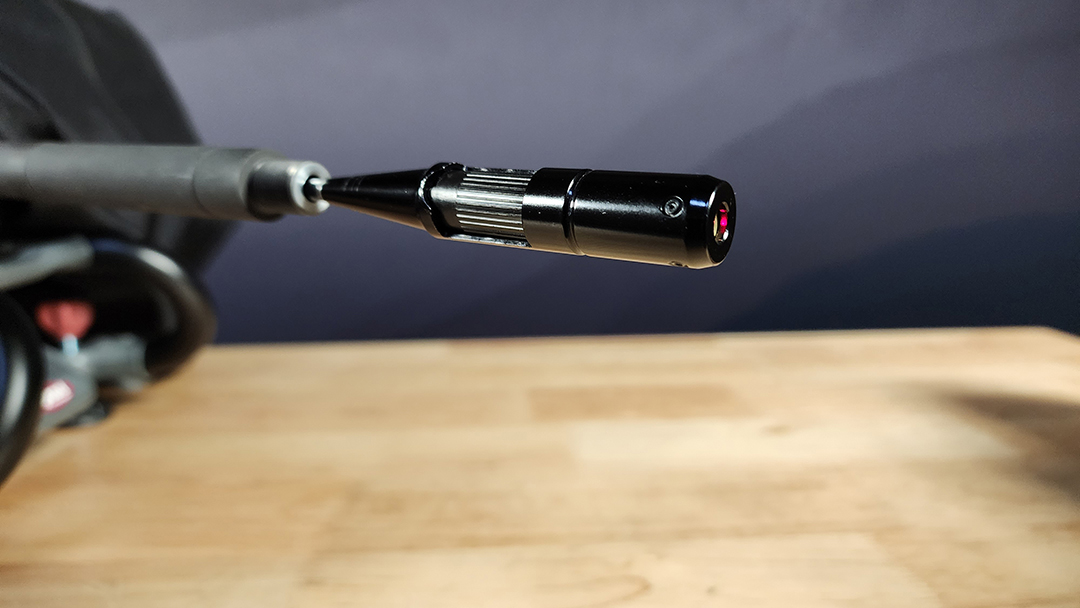
Laser boresighters come in two main types:
- Cartridge-style boresighters: These fit directly into the chamber and simulate a real cartridge. They are caliber-specific.
- Muzzle-insert boresighters: These fit into the muzzle and are often adjustable for different calibers.
| Type | Fit | Caliber Compatibility | Ease of Use |
|---|---|---|---|
| Cartridge | Chamber | Specific | Very Simple |
| Muzzle Insert | Muzzle | Multiple | Simple |
Both types have advantages. Cartridge boresighters are precise but only work for one caliber. Muzzle boresighters are more flexible but can be slightly less accurate if not seated correctly.
Why Laser Boresighting Matters?
Many shooters skip boresighting, thinking their scope will be “close enough.” This often leads to wasted ammo and frustration at the range. Laser boresighting offers several benefits:
- Reduces time spent zeroing: You start much closer to the target.
- Saves ammunition: Fewer shots needed for sighting in.
- Protects your rifle: Less chance of damage from repeated firing.
- Improves accuracy: Helps avoid wild shots that can be dangerous.
According to a study by the National Shooting Sports Foundation, shooters who boresight their rifles spend 40–60% less time and ammo zeroing than those who skip this step.
Choosing A Laser Boresighter
Choosing the right laser boresighter depends on your rifle, caliber, and budget. Here are key factors to compare:
| Feature | Cartridge Style | Muzzle Insert |
|---|---|---|
| Caliber Specificity | One caliber | Multi-caliber |
| Setup Speed | Quick | Quick |
| Accuracy | High | Moderate |
| Price Range | $30–$80 | $20–$50 |
It’s important to select a boresighter that matches your rifle’s caliber. If you own multiple rifles, a muzzle insert model is often more practical. Battery life and laser color (red vs. green) are also worth considering. Green lasers are easier to see in bright conditions but usually cost more.
Preparing Your Rifle For Boresighting
Proper preparation helps you avoid mistakes and get accurate results:
- Check the rifle is unloaded: Always confirm no ammunition is in the chamber or magazine.
- Secure the rifle: Use a stable surface, sandbags, or a gun vise.
- Clean the barrel: Remove any debris or oil that might affect the laser.
- Mount your scope: Ensure your scope is installed tightly and at the correct eye relief.
- Select a target: Choose a plain wall or target about 25 yards away. Avoid reflective surfaces.
Many shooters skip cleaning the barrel before boresighting. Dirt or oil can scatter the laser beam and cause inaccurate alignment. Using a gun vise or sandbags also helps prevent movement that can ruin the process.
How To Boresight A Rifle With A Laser?
Here’s a practical process for boresighting your rifle:
- Insert the laser boresighter: Place the cartridge-style boresighter into the chamber or insert the muzzle device into the barrel. Follow the manufacturer’s instructions.
- Turn on the laser: Activate the device and aim the rifle at your target.
- Observe the laser dot: The dot on the target shows where the barrel is pointing.
- Adjust the scope: Use the scope’s windage (left/right) and elevation (up/down) adjustments to move the reticle until it matches the laser dot.
- Double-check alignment: Confirm the reticle and laser dot overlap. Move the rifle slightly to ensure consistency.
- Remove the boresighter: Take out the device before firing any rounds.
- Fire a test shot: Shoot at the target and check the impact. Make fine adjustments as needed.
Example: Boresighting A .308 Bolt-action Rifle
- Insert a .308 cartridge laser boresighter into the chamber.
- Aim at a paper target 25 yards away.
- Adjust scope so reticle sits on the laser dot.
- Remove boresighter and fire one round.
- Bullet should hit close to the center. Fine-tune scope for perfect zero.
Common Mistakes To Avoid
Many shooters make errors that affect their results:
- Forgetting to remove the boresighter: Firing with the device inside can damage your rifle.
- Using an unstable surface: Any movement changes alignment.
- Ignoring parallax: Some scopes have parallax error at short distances. Adjust parallax setting if available.
- Not checking at different distances: Laser boresighting aligns at one distance. Actual bullet trajectory changes with range.
Some beginners also ignore the effect of barrel harmonics and scope mounting torque. If the scope rings are not tightened evenly, the scope may shift after firing. Always check scope mounts after boresighting.
Final Zeroing At The Range
Laser boresighting gets you close, but you still need to finish zeroing with live ammunition. Here’s how to make your final adjustments:
- Set target at 25–50 yards: Start at a short distance to confirm alignment.
- Fire three-shot groups: Shoot three rounds and measure the group center.
- Adjust scope: Move reticle as needed to shift impact to target center.
- Repeat at 100 yards: Move target farther and check trajectory.
- Record settings: Note scope adjustments for future reference.
Many shooters rush and make adjustments after each shot. Using three-shot groups gives better data and avoids reacting to flyers or errors.
Practical Tips Few People Mention
- Use the same ammunition you plan to hunt or shoot with: Different brands and loads can change point of impact.
- Check your scope’s turrets for tracking accuracy: Not all scopes move exactly as marked. Test adjustments before boresighting.
- Mark the scope’s zero position: Use a marker or tape to note your starting point. This helps if you need to return to original settings.
Another useful tip: If you are sighting in multiple rifles, label each boresighter with the caliber to avoid confusion. Some shooters have used the wrong device and wasted time correcting errors.
Comparing Laser Boresighting To Traditional Methods
Laser boresighting has clear advantages over manual sighting. Here’s how the two methods compare:
| Method | Ammo Used | Time Needed | Accuracy | Skill Required |
|---|---|---|---|---|
| Laser Boresighting | 0 | 10–15 min | High | Beginner |
| Manual Boresighting | 5–15 rounds | 30–60 min | Moderate | Intermediate |
While manual boresighting (looking through the barrel and adjusting the scope) can work, it is slower and less precise. Laser devices offer quick and repeatable results.
Safety Precautions
Safety is essential. Always follow these precautions:
- Check for ammunition: Never boresight with live rounds in the chamber.
- Point in a safe direction: Aim at a wall or target, not toward people.
- Remove boresighter before firing: Double-check every time.
- Wear eye protection: Lasers can be harmful if viewed directly.
- Store lasers safely: Keep devices away from children.
Following these steps helps prevent accidents and keeps your equipment in good condition.
Frequently Asked Questions
How Accurate Is Laser Boresighting?
Laser boresighting will get your shots within a few inches of center at 25 yards. It’s not a substitute for live-fire zeroing, but it makes the process much faster and easier.
Can I Use The Same Laser Boresighter For Different Rifles?
Muzzle-insert boresighters fit multiple calibers, so you can use one device on different rifles. Cartridge-style boresighters are specific to one caliber.
Do Laser Boresighters Work In Daylight?
Red lasers can be hard to see in bright light. Green lasers are more visible outdoors. For best results, use in shaded areas or indoors.
What If My Scope Is Still Far Off After Boresighting?
Check that the scope is mounted correctly and the boresighter is seated properly. If your shots are far from center, repeat the process and verify all steps.

Last Word
Laser boresighting is a simple but powerful technique that helps shooters save time and ammunition while improving accuracy. By choosing the right device, preparing your rifle, and avoiding common mistakes, you can start your sighting process with confidence. Always finish zeroing with live ammo and follow safety precautions.
With these methods, your rifle will be ready for the range or field in less time, and you can focus on shooting instead of troubleshooting.

Leave a Reply