
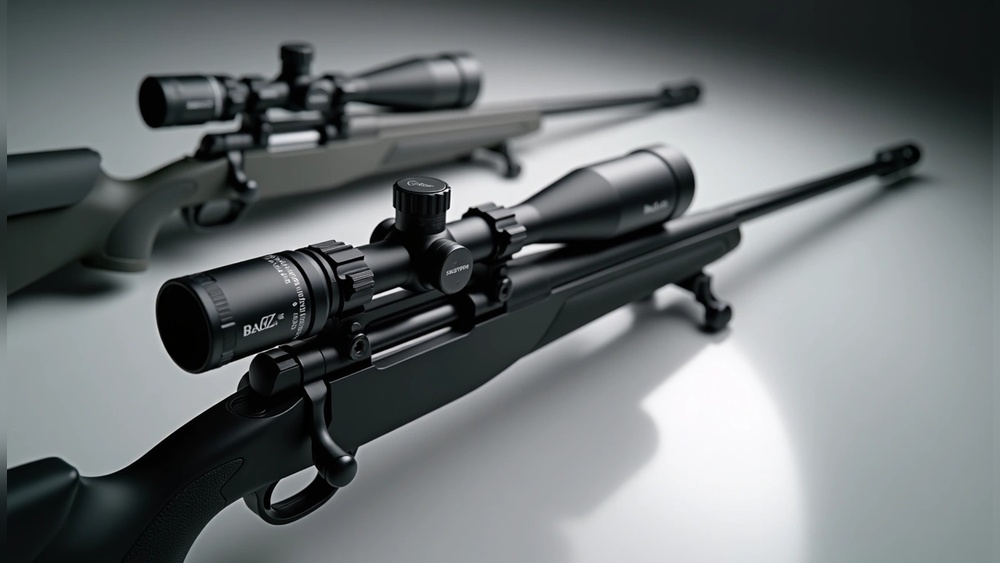
Sightron rifle scopes have built a strong reputation for clarity, reliability, and fair pricing. Yet, many shooters and hunters often ask, “Where are Sightron scopes made? ” The answer is more complex than a simple country name. Manufacturing location impacts quality, price, and even after-sale support.
In this article, you’ll find clear information about where Sightron optics come from, why the location matters, and how their production choices affect your buying decision.
Table of Contents
Sightron: Company Background
Sightron was established in 1993 in Youngsville, North Carolina, USA. The brand’s goal was to build high-quality sport optics for hunters, target shooters, and outdoor enthusiasts. Today, Sightron is part of Kahles and Swarovski Optik Group, which gives it access to advanced optical technology and manufacturing resources. Sightron scopes are found in shooting competitions, hunting trips, and tactical setups worldwide.
A common myth is that all Sightron scopes are made in the same place. In reality, Sightron uses several factories in different countries, depending on the scope series and target market.
Sightron Manufacturing Locations
Sightron manufactures scopes in three main countries: Japan, the Philippines, and China. Each location has a specific role and product focus.
Japan
Sightron’s highest-end scopes, such as the SIII and some SV series, are made in Japan. Japanese optics factories are famous for their skilled workforce, strict quality control, and premium glass. Scopes produced here are considered the top tier in Sightron’s lineup. Many competitive shooters prefer these models for their repeatability and edge-to-edge clarity.
The Philippines
Mid-range Sightron scopes, such as the S-TAC and SIH series, are assembled in the Philippines. The country has become a major hub for optic manufacturing due to lower labor costs and increasing expertise. Sightron’s Philippine-made scopes still use high-quality materials but offer a balance between cost and performance. They are popular among hunters and recreational shooters who want solid performance without the highest price tag.
China
Entry-level Sightron models, including some SI series scopes, are produced in China. These products are aimed at beginners or those on a tight budget. Chinese factories can manufacture large numbers of scopes at a lower cost. However, Sightron maintains strict quality standards by controlling design, materials, and final inspection.
Here’s a quick comparison of Sightron’s manufacturing locations and the series produced in each:
| Country | Main Scope Series | Typical Price Range | Target User |
|---|---|---|---|
| Japan | SIII, SV | $800 – $2,500 | Competition, Long-range, Professional |
| Philippines | S-TAC, SIH | $300 – $900 | Hunting, General use |
| China | SI, Some Entry-level | $150 – $400 | Beginner, Budget-focused |
Why Manufacturing Location Matters?
The country where a scope is made can affect several important factors:
- Optical Quality: Japanese glass and lens coatings are famous for brightness and color accuracy. Scopes made in Japan often have better resolution and less distortion.
- Build Quality: Factories in Japan and the Philippines are known for precision assembly. Chinese factories can also produce good scopes but sometimes with more variation.
- Price: Labor and materials cost more in Japan, so those scopes are usually more expensive. Philippine and Chinese-made models are more affordable but may lack some premium features.
- After-Sale Support: Scopes made in Japan and the Philippines usually have more consistent warranties and easier service, especially in the US and Europe.
A common beginner mistake is to judge a scope only by the brand and not check where it is made. Two Sightron scopes with similar names but different manufacturing origins can have very different performance and price.
How To Identify Where Your Sightron Scope Was Made?
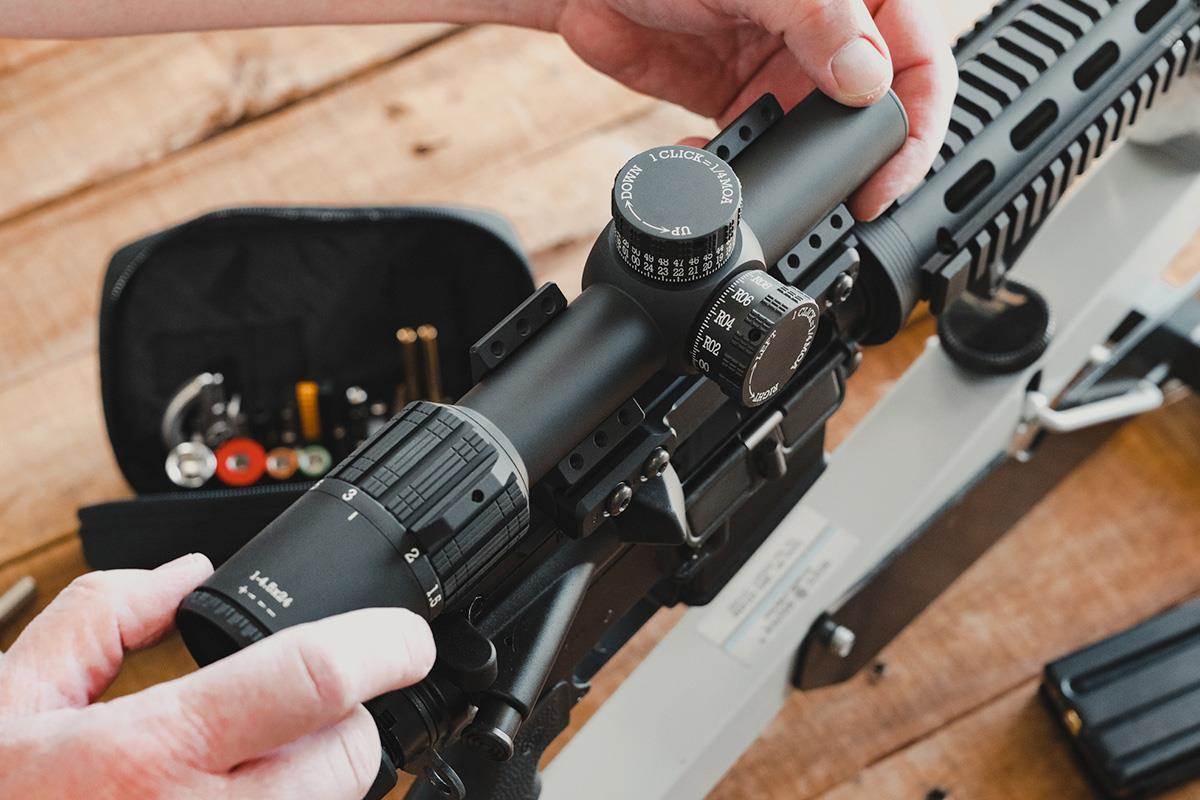
You don’t need to guess. Sightron marks the country of origin clearly on each scope, usually on the bottom of the tube or near the eyepiece. Packaging and user manuals also state the production country. If buying online, always check product descriptions for this detail.
Some US-based retailers will specify, for example, “Sightron SIII 6-24×50 (Made in Japan). ” If you don’t see this information, ask the seller for confirmation. For used scopes, photos of the scope’s body can help verify the origin.
Here’s a summary of where to find this information:
| Scope Area | What to Look For |
|---|---|
| Tubing or Eyepiece | “Made in Japan,” “Made in Philippines,” or “Made in China” engraving |
| Box/Packaging | Production country printed on label |
| User Manual | Manufacture location in product specs |
| Online Listings | Check product details or ask seller directly |
Sightron Scope Series And Their Manufacturing Origins
Understanding which models are made in which country helps you match your needs and budget.
Siii Series (japan)
These scopes are known for their excellent light transmission, robust turrets, and reliable tracking. SIII models are often chosen by benchrest shooters and long-range hunters. The glass comes from top Japanese suppliers, and the assembly is precise.
Sv Series (japan)
The SV line is Sightron’s most advanced. These scopes feature Zero Stop turrets, advanced reticles, and high magnification. They are used in F-Class and tactical competitions, where small differences in image quality and adjustment matter.
S-tac Series (philippines)
S-TAC scopes are a step below SIII in price but still offer good glass and repeatable adjustments. These are popular among hunters and PRS (Precision Rifle Series) shooters who want a reliable scope without paying for the highest-end features.
Sih And Si Series (philippines And China)
The SIH series is usually made in the Philippines, while the SI entry models may come from China. These scopes are simpler, with basic reticles and capped turrets. They are good for rimfire rifles, airguns, or as backup optics.
Here’s a simplified table for reference:
| Scope Series | Manufacturing Country | Main Applications |
|---|---|---|
| SIII | Japan | Benchrest, Long-range |
| SV | Japan | F-Class, Tactical |
| S-TAC | Philippines | Hunting, PRS |
| SIH | Philippines | Rimfire, General use |
| SI | China | Entry-level, Airguns |
How Sightron’s Production Process Ensures Quality?
No matter where a Sightron scope is assembled, quality control is a priority. Sightron designs every scope in the USA and controls the sourcing of critical parts, like glass and turrets. The company’s engineers visit factories regularly to oversee production and maintain standards.
Another detail beginners often miss: Sightron’s multi-coating process is consistent across locations. This means even Philippine- or Chinese-made scopes get the same anti-reflective layers as their Japanese counterparts. The difference comes from the glass source and assembly details.
Scopes are tested for:
- Shock resistance
- Water resistance
- Repeatable adjustments (tracking)
- Lens clarity
Defective units are rejected or reworked before reaching stores.
Price Vs. Performance: Is Japanese-made Worth It?
There’s a clear price difference between Japanese-made Sightron scopes and those from other countries. For example, an SIII scope can cost 2–3 times more than an SIH or SI model. Are you getting enough extra value for the price?
Japanese scopes stand out in low-light performance, turret precision, and glass clarity. If you shoot at long ranges or in competitions, these differences are obvious. For general hunting or plinking, the Philippine-made S-TAC or SIH will satisfy most needs.
Here’s a practical tip: If your shooting is mostly under 300 yards, you may not notice the upgrades of the Japanese models. But if you stretch out to 500 yards or more, better optics help you see bullet impact and adjust more precisely.
How Sightron Compares With Other Brands
Sightron’s approach is similar to other big optic brands. For example, Vortex Optics also uses factories in Japan, the Philippines, and China for different product lines. The key difference is that Sightron designs and tests all scopes in-house, even if manufacturing is outsourced.
Compared to European brands like Zeiss or Swarovski, Sightron’s Japanese-made scopes compete well in optical quality but cost less. Philippine-made Sightrons are often better than other brands’ Chinese-made scopes at the same price.
Real-world User Experience
Many shooters report that Sightron’s Japanese-made scopes rival much more expensive brands. Reviews often mention sharp reticles, smooth turrets, and bright images. Hunters using Philippine-made Sightrons note that they hold zero well, even on heavy-recoil rifles.
One not-so-obvious advantage: Sightron’s customer service is based in the USA. Warranty repairs and replacements are usually quick, especially for scopes made in Japan and the Philippines.
Common Myths About Sightron Scope Origin
- All Sightron scopes are Japanese-made: Only top lines are.
- Chinese-made scopes are low quality: Modern Chinese factories, when managed well, can make solid entry-level optics.
- Price always means better performance: Sometimes, the mid-tier Sightrons match top-tier models from other brands.
Sightron’s Global Supply Chain And Future Trends
Sightron’s strategy of using several manufacturing countries lets them offer a wide price range. As global labor and material costs change, Sightron may shift more production between countries. However, they have kept Japanese production for their flagship models to maintain high-end credibility.
Sightron also invests in new coatings, reticle designs, and turret mechanisms. Future models may have more features for the same price, but country of origin will remain an important buying factor.
Frequently Asked Questions
Where Are Sightron Scopes Made?
Sightron scopes are made in Japan, the Philippines, and China. The country depends on the scope series. SIII and SV are made in Japan, S-TAC and SIH in the Philippines, and entry-level SI in China.
Are Japanese-made Sightron Scopes Better?
Japanese-made Sightron scopes are considered the highest quality because of their glass, coatings, and assembly. However, the Philippine and Chinese models still offer good performance for their price.
How Can I Check Where My Sightron Scope Was Made?
Look for an engraving on the scope’s tube or eyepiece area. The packaging and user manual also list the country of origin. Online listings often mention this detail.
Do Sightron Scopes Have A Warranty?
Yes, Sightron scopes come with a limited lifetime warranty for defects in materials or workmanship. The warranty process is handled from the USA, making it easier for North American customers.
Are Sightron Scopes Good For Hunting?
Sightron scopes are popular among hunters because of their durability, clear optics, and fair prices. The Philippine-made S-TAC and SIH series are especially popular for hunting due to their balance of features and cost.

Last Word
Sightron’s manufacturing locations are a key part of what makes their scopes competitive. By combining Japanese expertise, Philippine value, and Chinese affordability, Sightron gives shooters many options. Always check the origin of your chosen model to match it with your needs and budget.
With the right Sightron scope, you can enjoy reliable performance for years to come.

Leave a Reply