
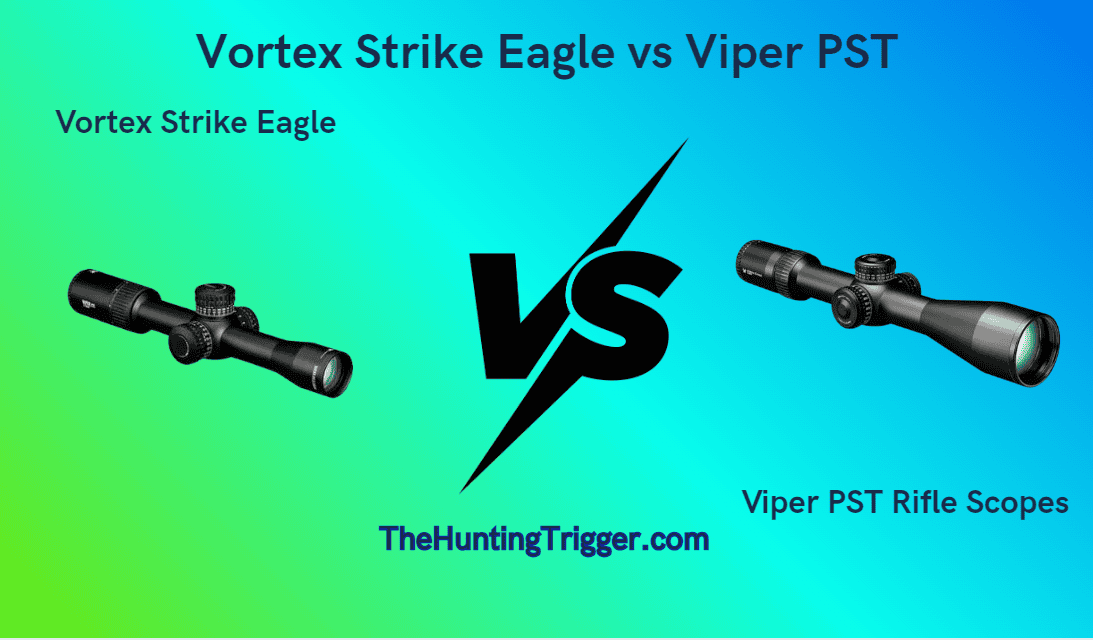
Many shooters want a versatile riflescope but get stuck comparing features they don’t fully understand. Some focus only on magnification or reticle type, missing other key details. In the world of rifle scopes, it’s easy to overlook how the scope feels during regular use or how it handles quick adjustments.
Some scopes seem similar on paper but behave differently in the field. The real difference shows up in clarity, handling, and how quickly you can adapt to changing conditions. By the end, you’ll know which scope fits your shooting style best.
Table of Contents
Quick Decision Map For Choosing The Right Rifle Scope
Does The Strike Eagle Adapt Well To Changing Shooting Scenarios?
Yes, it adapts well. The Vortex Optics Strike Eagle 1-8×24 Second Focal Plane offers true 1x magnification, making it quick to switch from close to extended range. Its updated throw lever and visible magnification indicators help adjust swiftly without losing focus.
The illuminated BDC3 reticle is designed for fast target engagement and holdovers up to 650 yards.
In daily use, the scope feels nimble and responsive. Adjusting magnification is smooth, and the reticle comes into focus quickly using the fast focus dial. It’s reliable in low light, thanks to anti-reflective coatings. Water and fogproof features add confidence during unpredictable weather.
I notice the lightweight build makes it comfortable for longer sessions. It’s practical for shooters who want versatility without fuss.

What The Strike Eagle Excels At In Rifle Scopes
- Quick target acquisition across a range of distances
- Thread-in throw lever for fast magnification changes
- Illuminated reticle for rapid eye focus
- Immediate holdovers up to 650 yards
- Solid water and fogproof performance
- Lightweight and shockproof aluminum build
Tradeoffs To Consider Before Buying The Strike Eagle
- Reticle may not suit all precision shooters
- Magnification tops out at 8x, limiting long-range clarity
- BDC3 reticle is tailored for known distances, less flexible for unknown range
- Not designed for advanced turret adjustments
A Balanced Scope For All-around Shooting
The Strike Eagle suits shooters who want versatility and fast adjustments. It removes the stress of switching between close and mid-range targets. Beginners will find it approachable, while experienced users appreciate its speed.
One tip: practice using the throw lever to get comfortable with magnification changes. It offers peace of mind with solid weatherproofing and a robust build.
In my experience, the Strike Eagle makes everyday shooting feel less complicated. It’s a steady companion for those who value adaptability over specialized features.
Is The Viper Pst Gen Ii Built For Advanced Adjustments And Clarity?
It depends on your needs. The Vortex Optics Viper PST Gen II 1-6×24 Second delivers strong performance for shooters who dial turrets for drop and wind compensation. Laser-etched turrets, adjustable parallax, and RZR zero stop help keep settings precise and repeatable.
The VMR-2 reticle is intuitive and uncluttered with ten illumination intensity levels.
Using it day-to-day, the Viper PST Gen II feels durable and solid. The extra-low dispersion glass gives crisp resolution and color fidelity. Lenses stay clear with Armortek coatings, and the fiber optic rotation indicator keeps turret position easy to track.
It’s heavier than the Strike Eagle, but the added features support more technical adjustments. I find it reliable for medium-range shooting and situations where precise settings matter.
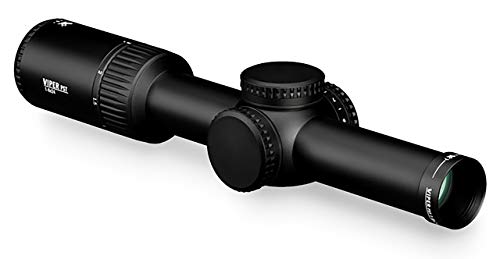
What The Viper Pst Gen Ii Does Best For Rifle Scopes
- Precision turret adjustments for drop and wind compensation
- Uncluttered VMR-2 reticle with multiple intensity levels
- Extra-low dispersion glass for resolution and color
- Armortek lens coatings for durability
- Fiber optic rotation indicator for easy turret tracking
- Argon purged and O-ring sealed for waterproofing
Consider These Points Before Choosing The Viper Pst Gen Ii
- Heavier and bulkier than some alternatives
- Requires familiarity with turret adjustments
- Magnification maxes out at 6x, limiting long-range options
- Reticle may be too detailed for beginners
A Scope For Technical Shooters Who Want Control
The Viper PST Gen II suits shooters who want advanced adjustment features and clarity. It reduces stress for those who dial turrets often, especially in windy or variable conditions. Beginners may find the settings complex, while experienced users benefit from the precision.
A practical tip: take time to learn the turret system for best results. Peace of mind comes from the robust build and clear optics.
In my experience, this scope is reliable for technical shooting sessions and situations where accuracy counts.
Key Questions That Decide Your Scope Choice
Are you looking for rapid target acquisition or fine turret adjustments? Do you need a scope that adapts quickly to changing distances? Is clarity in low light a priority for your shooting style? Will you rely on reticle holdovers for known distances or need detailed wind compensation?
Does weight and build quality affect your comfort during longer sessions? How important is user-friendly operation compared to advanced technical features?
How I Compared Vortex Strike Eagle Vs Viper Pst For Rifle Use?
Comparison was based on real-world handling, feature accessibility, and how each scope performs under typical shooting conditions. I looked at adjustment speed, clarity, reticle usability, and the feel during extended use. Practical tradeoffs and user experience guided the evaluation.
Which Scope Handles Fast Adjustments Better?
The Strike Eagle stands out for quick magnification changes with its thread-in throw lever. The Viper PST Gen II, while precise, requires more steps for turret adjustments. In fast-paced situations, the Strike Eagle feels easier to manage.
| Metric | Vortex Optics Strike Eagle 1-8×24 Second Focal Plane | Vortex Optics Viper PST Gen II 1-6×24 Second |
|---|---|---|
| Magnification Ring | Thread-in throw lever | Standard adjustment |
| Adjustment Speed | Very quick | Precise but slower |
| Reticle Focus | Fast focus dial | Manual adjustment |
| Ease of Use | Simple | Technical |
| Adaptability | High | Moderate |
Ratings: Vortex Optics Strike Eagle 1-8×24 Second Focal Plane – 8/10
Vortex Optics Viper PST Gen II 1-6×24 Second – 7/10
So what? Shooters who value speed and simplicity should pay attention to this difference.
How Does Each Scope Perform In Low-light Conditions?
Both scopes use advanced coatings, but the Strike Eagle’s anti-reflective layers make low-light clarity accessible for quick shots. The Viper PST Gen II’s XR fully multi-coated lenses give excellent color fidelity, which helps with detail but may not speed up target acquisition.
| Decision point | Vortex Optics Strike Eagle 1-8×24 Second Focal Plane | Vortex Optics Viper PST Gen II 1-6×24 Second |
|---|---|---|
| Clarity | Good | Excellent |
| Color Fidelity | Standard | High |
| Speed to Acquire Target | Fast | Moderate |
| Reticle Illumination | BDC3 illuminated | VMR-2, 10 intensity levels |
Ratings: Vortex Optics Strike Eagle 1-8×24 Second Focal Plane – 8/10
Vortex Optics Viper PST Gen II 1-6×24 Second – 9/10
So what? If detail and color matter most, the Viper PST Gen II stands out.
Which Scope Is Easier To Use For Beginners?
The Strike Eagle’s straightforward controls and visible indicators make it user-friendly. The Viper PST Gen II requires more experience to get the most from turret and parallax adjustments.
| Use case | Vortex Optics Strike Eagle 1-8×24 Second Focal Plane | Vortex Optics Viper PST Gen II 1-6×24 Second |
|---|---|---|
| Beginner Setup | Simple | Complex |
| Magnification Changes | Fast | Manual, slower |
| Reticle Use | Easy | Requires learning |
| Daily Handling | Light | Heavier |
Ratings: Vortex Optics Strike Eagle 1-8×24 Second Focal Plane – 9/10
Vortex Optics Viper PST Gen II 1-6×24 Second – 7/10
So what? Beginners will find the Strike Eagle less intimidating and easier to master.
How Do Weatherproof Features Compare?
Both scopes offer strong water and fogproofing, but the Strike Eagle’s nitrogen purging and O-ring sealing emphasize reliability in changing weather. The Viper PST Gen II uses argon purging and robust construction for lasting durability.
| Metric | Vortex Optics Strike Eagle 1-8×24 Second Focal Plane | Vortex Optics Viper PST Gen II 1-6×24 Second |
|---|---|---|
| Purge Type | Nitrogen | Argon |
| Sealing | O-ring | O-ring |
| Shockproof | Aircraft-grade aluminum, one piece | Aircraft-grade aluminum, single piece |
| Durability | High | Very high |
Ratings: Vortex Optics Strike Eagle 1-8×24 Second Focal Plane – 8/10
Vortex Optics Viper PST Gen II 1-6×24 Second – 8/10
So what? Both are trustworthy, but those in harsher environments may prefer the Viper PST Gen II’s extra durability.
Which Rifle Scope Fits Your Needs Best?
If you want a scope that adapts quickly, is lightweight, and covers a wide range of shooting scenarios, the Vortex Optics Strike Eagle 1-8×24 Second Focal Plane is a smart choice. It’s ideal for shooters who value rapid adjustments, visible indicators, and a user-friendly reticle.
Beginners and casual shooters will appreciate its simplicity and ease of use.
For those who require precise turret control, advanced glass quality, and durability, the Vortex Optics Viper PST Gen II 1-6×24 Second stands out. It’s a strong fit for experienced shooters who dial for wind and drop, need detailed hold points, and want robust optics.
Technical users will benefit most from its features.
If you’re torn, consider how much you value speed versus precision. Trust your daily shooting style, and either scope will serve you well.
FAQ’s: Vortex Strike Eagle Vs Viper Pst Comparison Explained
Is The Strike Eagle Easier For Beginners To Set Up?
Yes, the Strike Eagle offers simple controls and clear magnification indicators. Most users can start using it right away without much training.
Does The Viper Pst Gen Ii Work Well For Advanced Shooters?
Absolutely. Its turret adjustments and precision reticle cater to users who want technical control over wind and drop compensation.
Can Both Scopes Handle Tough Weather Conditions?
Both are built for water and fogproof performance. The Strike Eagle uses nitrogen purging, while the Viper PST Gen II relies on argon. Both designs are durable and reliable.
Are Reticle Holdovers Easier With The Strike Eagle?
The Strike Eagle’s BDC3 reticle allows quick holdovers for known distances up to 650 yards. It’s very user-friendly for rapid engagement.
Is Lens Clarity Noticeably Different Between The Two?
The Viper PST Gen II uses extra-low dispersion glass and advanced coatings for high resolution and color fidelity. The Strike Eagle gives solid clarity, but the Viper PST Gen II stands out for detail.
What’s The Main Tradeoff When Choosing Between Them?
The Strike Eagle offers speed and simplicity, while the Viper PST Gen II gives precision and durability. The choice depends on whether you value rapid adjustments or advanced technical features.
Can The Viper Pst Gen Ii Be Used For Quick, Dynamic Shooting?
It can, but it’s heavier and more technical. Shooters who need rapid, frequent adjustments may prefer the Strike Eagle’s lighter, straightforward design.

Leave a Reply