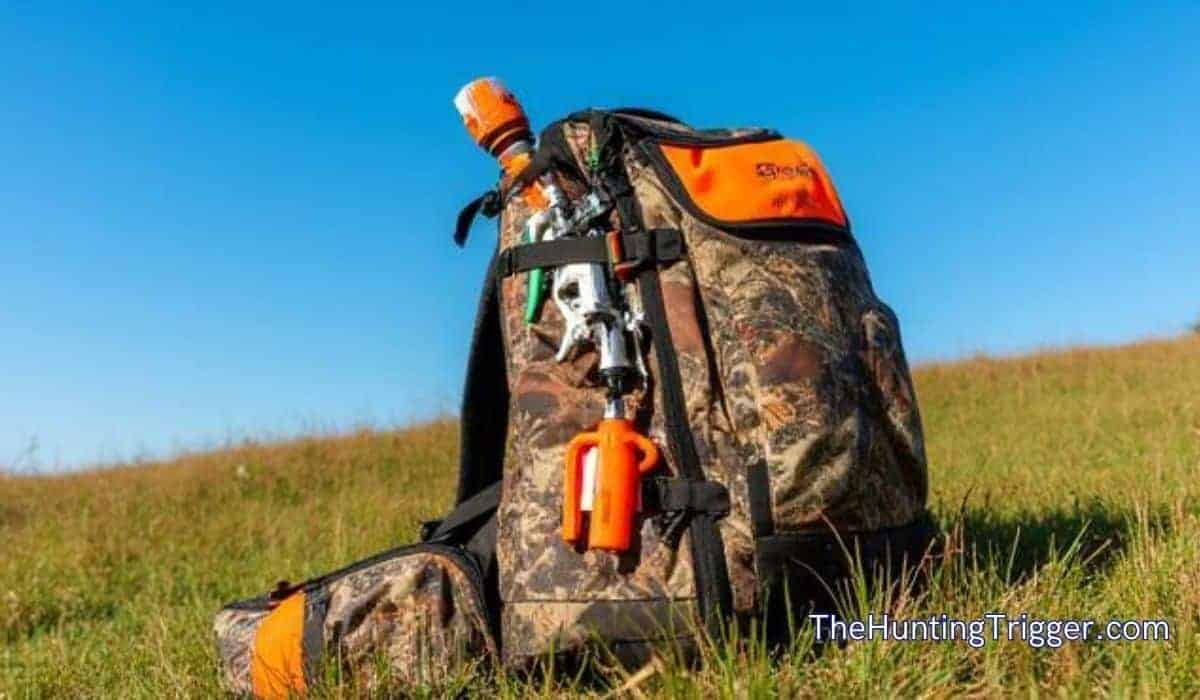
Packing a hunting backpack is more than just filling it with random gear. What you carry can impact your safety, comfort, and success in the wild. Many beginners overpack or leave out critical items, leading to problems on their trip.
In this guide, each section focuses on what you should bring, why it matters, and how to make smart choices. Whether you hunt for deer, birds, or small game, the essentials stay the same. This article aims to help you pack efficiently and avoid mistakes that could ruin your hunt.
Table of Contents
Choosing The Right Hunting Backpack
Before adding gear, you need a backpack that fits your needs. There are three main types: daypacks, multi-day packs, and frame packs. Daypacks (20–35 liters) suit short trips. Multi-day packs (40–70 liters) work for longer hunts. Frame packs help if you plan to carry heavy loads or meat.
Weight, durability, and waterproofing matter. Look for quiet fabric that won’t spook animals. Most hunters prefer packs with multiple compartments for easy access. A well-fitted backpack prevents back pain and lets you move freely.
| Pack Type | Capacity | Best For |
|---|---|---|
| Daypack | 20–35 liters | Short hunts, lightweight gear |
| Multi-day Pack | 40–70 liters | Extended hunts, more supplies |
| Frame Pack | 60+ liters | Heavy loads, meat transport |
Essential Hunting Gear
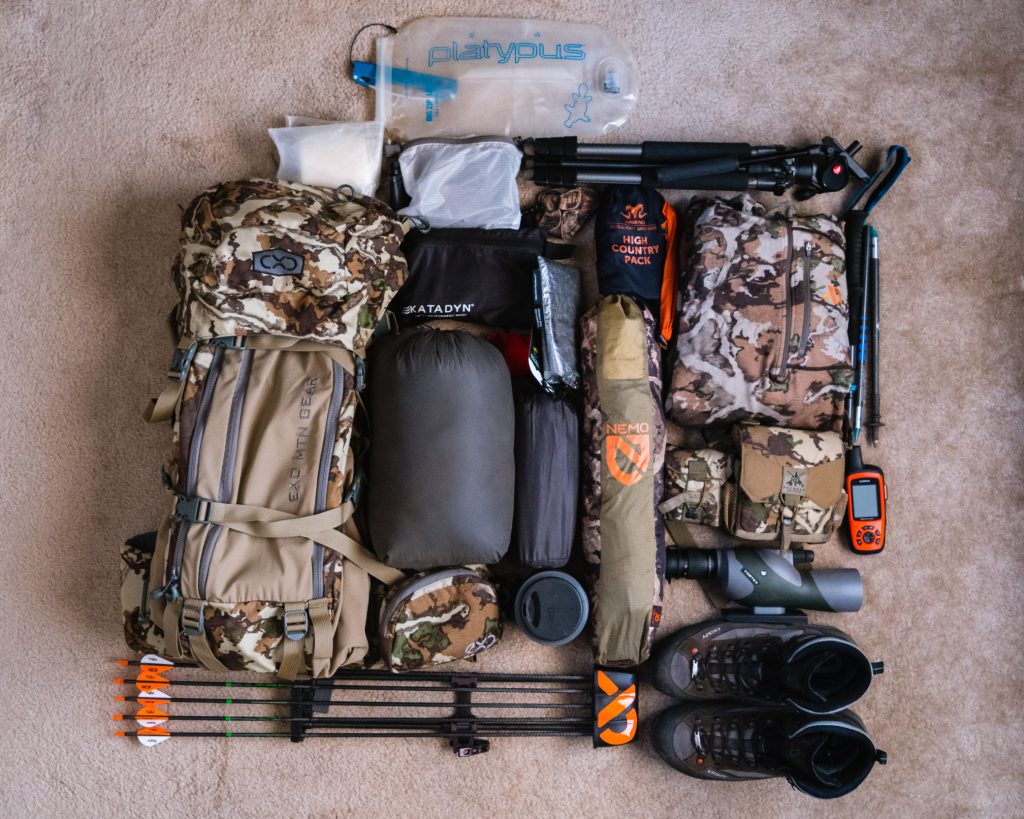
What you pack depends on your hunt, but certain items are always necessary. Missing any of these could lead to serious trouble.
Firearm Or Bow
Your main hunting tool must be packed safely. Use a protective case or sleeve to prevent damage. Always double-check local laws for transport and storage.
Ammunition Or Arrows
Bring enough ammo or arrows for your hunt plus extra. Wet conditions can ruin some ammunition, so store them in a waterproof container.
Knife
A quality hunting knife is vital for field dressing, food prep, and emergencies. Many hunters carry a backup in case one fails.
Binoculars
Spotting game from afar saves energy and time. Choose binoculars with at least 8x magnification. Waterproof and fog-proof models last longer in tough weather.
Rangefinder
A rangefinder helps you judge distance quickly. This reduces missed shots and boosts your confidence.
Game Calls
Depending on your target, carry calls for deer, turkey, or other animals. Practice before your hunt for best results.
Survival And Safety Equipment
Hunting takes you far from help. Survival gear protects you from the unexpected.
First Aid Kit
Always carry a basic first aid kit. Include bandages, antiseptic wipes, painkillers, and any personal medications. If you hunt with others, pack extra supplies.
Emergency Blanket
A lightweight emergency blanket can save you from hypothermia. It also works as a signaling tool if you’re lost.
Fire Starters
Matches, lighters, or ferro rods are must-haves. Waterproof matches work best in rainy conditions.
Navigation Tools
GPS devices, compasses, and paper maps help you find your way. Batteries die, so always pack a backup method.
Whistle
A loud whistle is a simple tool for signaling distress. It carries farther than shouting.
| Survival Item | Main Use | Weight (approx.) |
|---|---|---|
| First Aid Kit | Medical emergencies | 250g |
| Emergency Blanket | Warmth, signaling | 50g |
| Fire Starter | Make fire | 40g |
| Compass | Navigation | 30g |
| Whistle | Alert others | 10g |
Clothing And Weather Protection
Weather can change quickly. Carrying the right clothing keeps you comfortable and safe.
Layered Clothing
Dress in layers: base, mid, and outer. Moisture-wicking base layers keep sweat off your skin. Mid layers (like fleece) add warmth. Waterproof outer layers shield you from rain and wind.
Gloves And Hat
Cold hands affect shooting. Carry warm, durable gloves. A hat protects against sun, rain, and cold.
Extra Socks
Wet feet cause blisters. Bring at least one extra pair of wool or synthetic socks.
Rain Gear
Pack a lightweight rain jacket or poncho. Even in dry areas, sudden storms can happen.
Gaiters
Gaiters protect your legs from mud, thorns, and ticks. They are small but make a big difference.
Food, Water, And Hydration
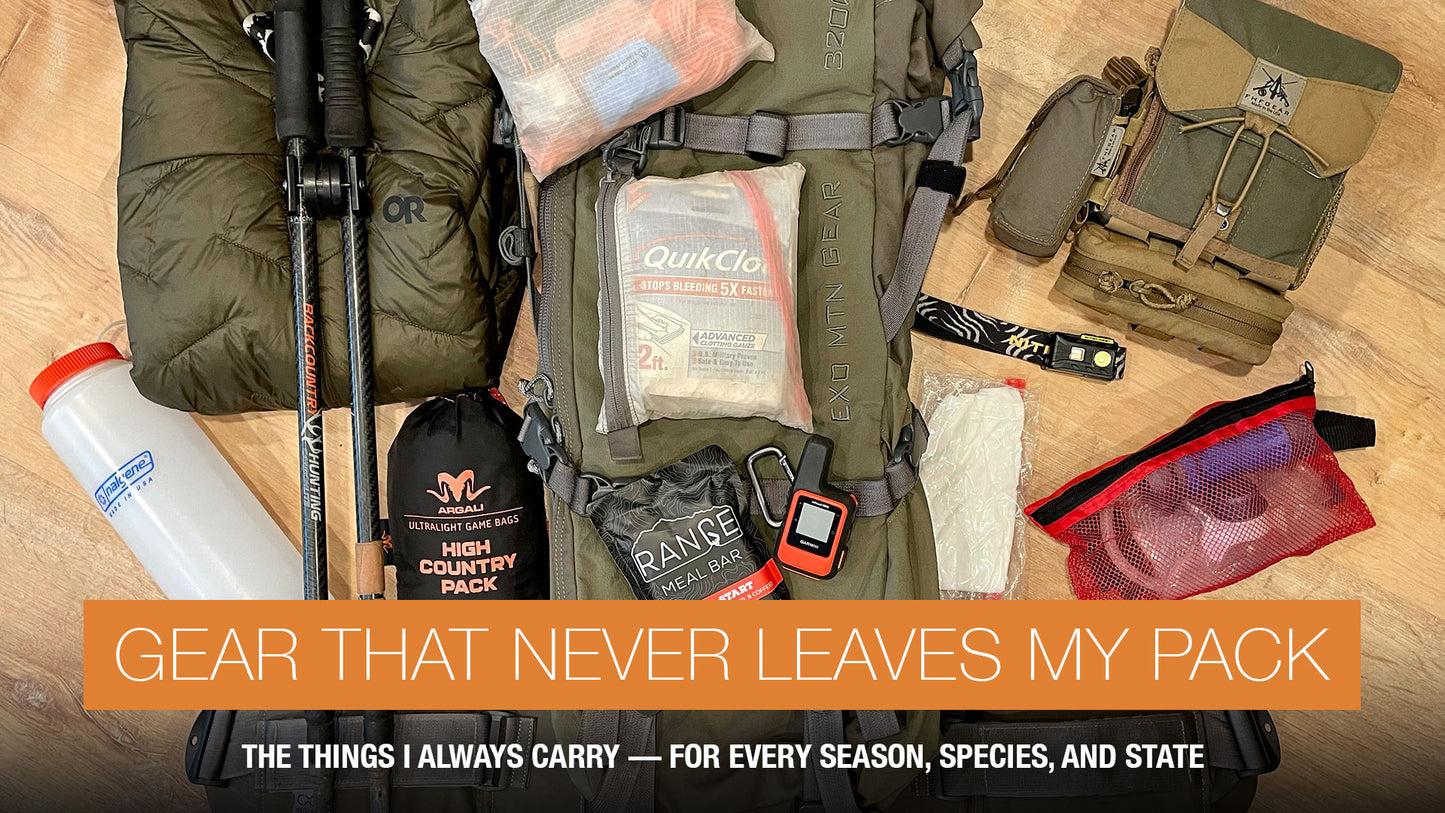
Hunting burns calories. Staying hydrated and fed is key, especially on longer trips.
Water Bottles Or Bladder
Carry at least 2 liters of water. For longer hunts, use a hydration bladder for easy sipping. Water purification tablets or filters are smart for remote areas.
High-energy Snacks
Pack foods that don’t spoil quickly. Good options are:
- Trail mix
- Energy bars
- Jerky
- Nuts
Bring extra in case your hunt lasts longer than planned.
Meals
For multi-day hunts, pack lightweight meals. Freeze-dried meals are easy to prepare and carry.
Portable Stove
A small stove lets you cook or boil water. Always check local fire restrictions.
| Food Item | Calories (per serving) | Weight (approx.) |
|---|---|---|
| Trail Mix | 250 | 50g |
| Jerky | 150 | 30g |
| Energy Bar | 200 | 40g |
| Freeze-dried Meal | 400 | 100g |
Hunting Accessories
Some gear improves your experience and boosts your chances.
Headlamp Or Flashlight
A headlamp frees your hands for tasks in the dark. Always pack spare batteries.
Scent Control
Wild animals have sharp noses. Carry scent control sprays or wipes to mask human odor.
Game Bags
After a successful hunt, game bags keep meat clean and safe. They also help with cooling.
Field Dressing Gloves
Disposable gloves protect your hands while processing animals. They are small but important.
Paracord
Paracord is strong and lightweight. Use it for building shelters, hanging meat, or emergencies.
Personal Items And Comfort
Comfort matters, especially on long hunts. Small items can make a big difference.
Toilet Paper And Wipes
Nature calls, even in the wild. Carry biodegradable toilet paper and wipes for hygiene.
Insect Repellent
Mosquitoes and ticks can ruin your hunt. Use repellent sprays or wipes.
Sunscreen
Protect your skin from harmful UV rays. Choose a small bottle that fits in your pack.
Trash Bags
Leave no trace. Trash bags help you pack out waste and keep your backpack organized.
Notebook And Pen
A notebook helps track animal movements, weather, or notes about your hunt.
Packing Tips And Common Mistakes
Packing isn’t just about what you bring—it’s how you pack. Many hunters make simple mistakes that lead to discomfort or lost gear.
- Overpacking: Carrying too much slows you down. Only bring what you need.
- Ignoring weight distribution: Heavy items should go near your back, centered, and low. This prevents strain.
- Skipping waterproof bags: Rain can ruin your gear. Use dry bags for electronics and food.
- Forgetting backups: Always bring backup batteries, fire starters, and navigation tools.
- Leaving out personal items: Comfort items like wipes or sunscreen are often missed but make your trip easier.
A smart hunter checks their gear before every trip, replacing items as needed.
Real-world Example: Packing For A Three-day Deer Hunt
Let’s see how this advice applies to a real hunt. For a three-day deer hunt in the Midwest, you’d likely carry:
- Multi-day backpack (50 liters)
- Rifle or bow with ammo/arrows
- Hunting knife and backup
- Binoculars (10×42)
- Rangefinder
- Deer call
- First aid kit
- Emergency blanket
- Waterproof matches
- GPS and map
- Whistle
- Layered clothing (base, mid, rain jacket)
- Wool socks (2 extra pairs)
- Gloves, hat, gaiters
- Water bladder (3 liters)
- Water filter
- Trail mix, jerky, energy bars, freeze-dried meals
- Small stove, fuel
- Headlamp, extra batteries
- Scent control spray
- Game bags
- Field dressing gloves
- Paracord (20 feet)
- Toilet paper, wipes, insect repellent, sunscreen
- Trash bags
- Notebook, pen
This setup keeps your pack under 25 pounds, manageable for most adults. Always check the weather and adapt your gear as needed.
Frequently Asked Questions
What Is The Most Important Item For Hunting Safety?
The first aid kit is the most crucial item. Injuries can happen quickly, and immediate treatment prevents infections and serious complications.
How Much Water Should I Carry?
Carry at least 2 liters for a day hunt. If you hunt in hot weather or far from water sources, bring more or carry a filter for refilling.
Is A Gps Enough For Navigation?
A GPS is helpful, but batteries can fail. Always carry a compass and paper map as backup. Knowing how to use them is essential.
Should I Pack Food For Emergencies?
Yes. Always pack extra snacks and at least one meal more than planned. Unexpected delays can happen, and hunger affects decision-making.
How Can I Keep My Backpack Light?
Choose multi-purpose gear and only pack what you’ll use. Remove unnecessary items after each hunt. Weigh your pack before leaving home.
Last Word
Packing your hunting backpack right means you’re ready for anything. Smart choices keep you safe, comfortable, and focused on the hunt—not on gear problems. With the right backpack and contents, you’ll enjoy a successful hunt—every time.

Leave a Reply