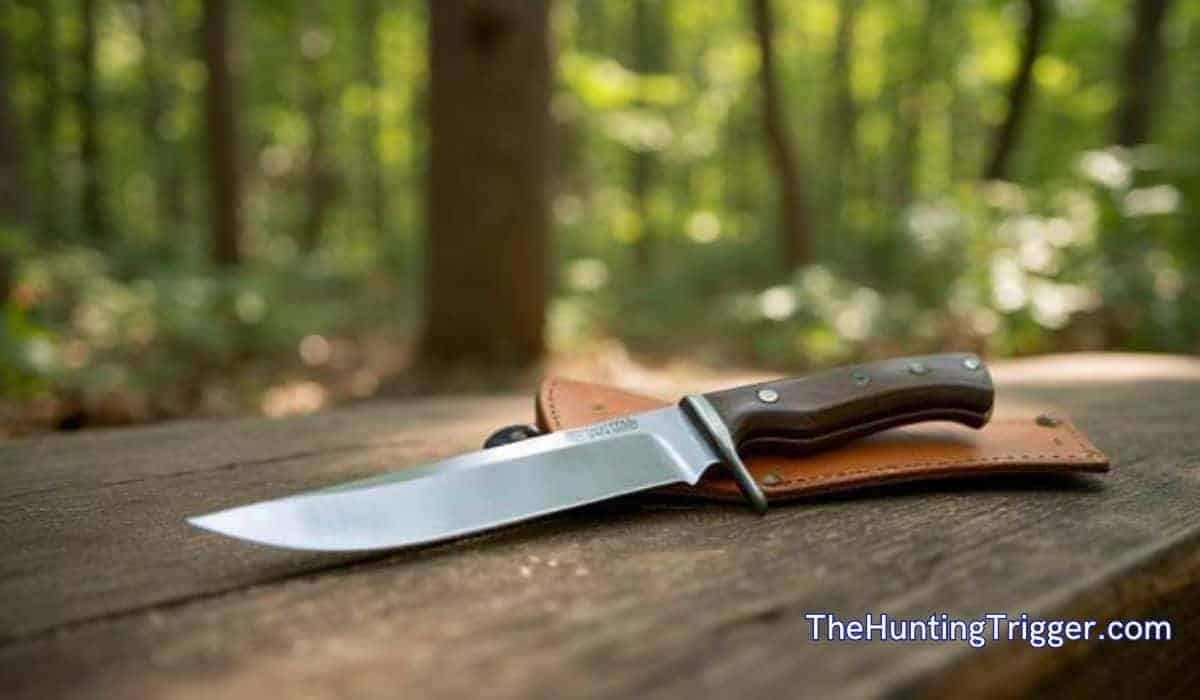
A hunting knife is one of the oldest tools humans have used in the wild. It’s much more than just a sharp blade. This tool is designed for many tasks, from preparing food to handling emergencies. Hunters, campers, and outdoor fans rely on hunting knives for their strength, versatility, and reliability.
If you’ve ever wondered what makes a hunting knife special or why it’s so popular, you’re about to get a complete overview. This article explains the many uses of hunting knives, the features that set them apart, and tips for choosing the right one.
Table of Contents
What Is A Hunting Knife?
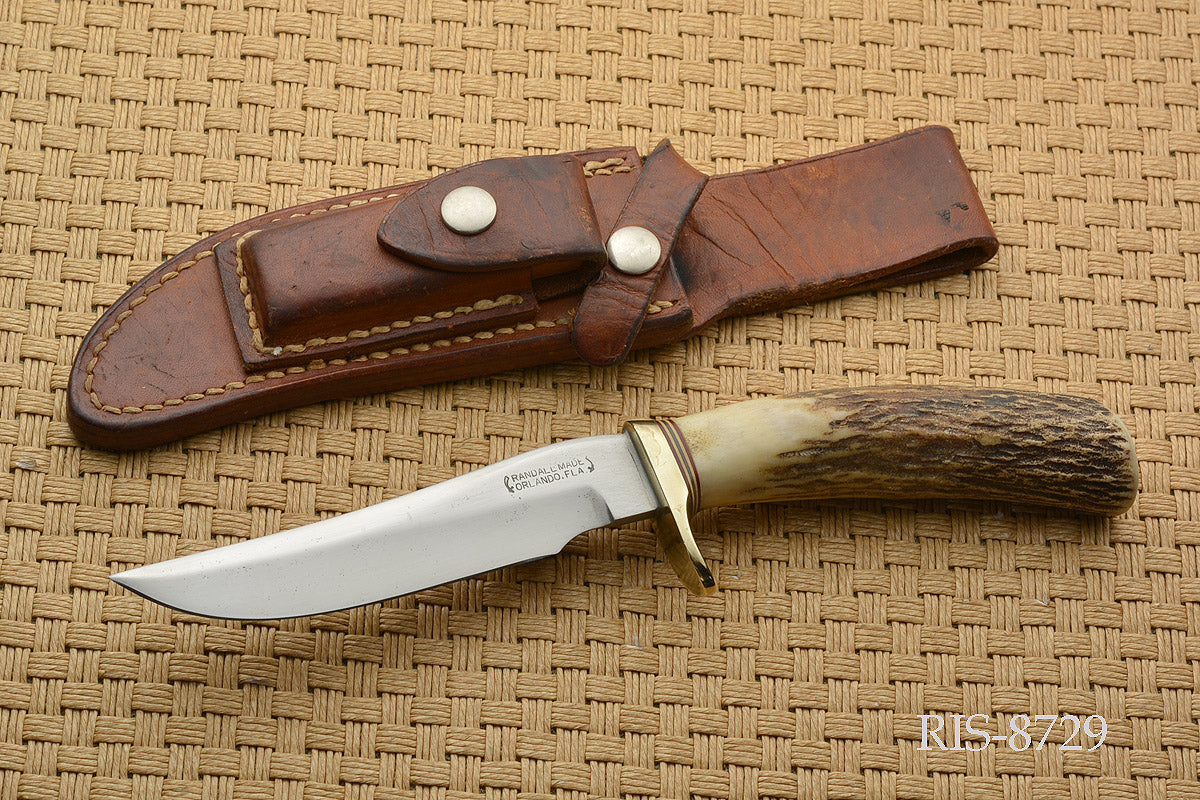
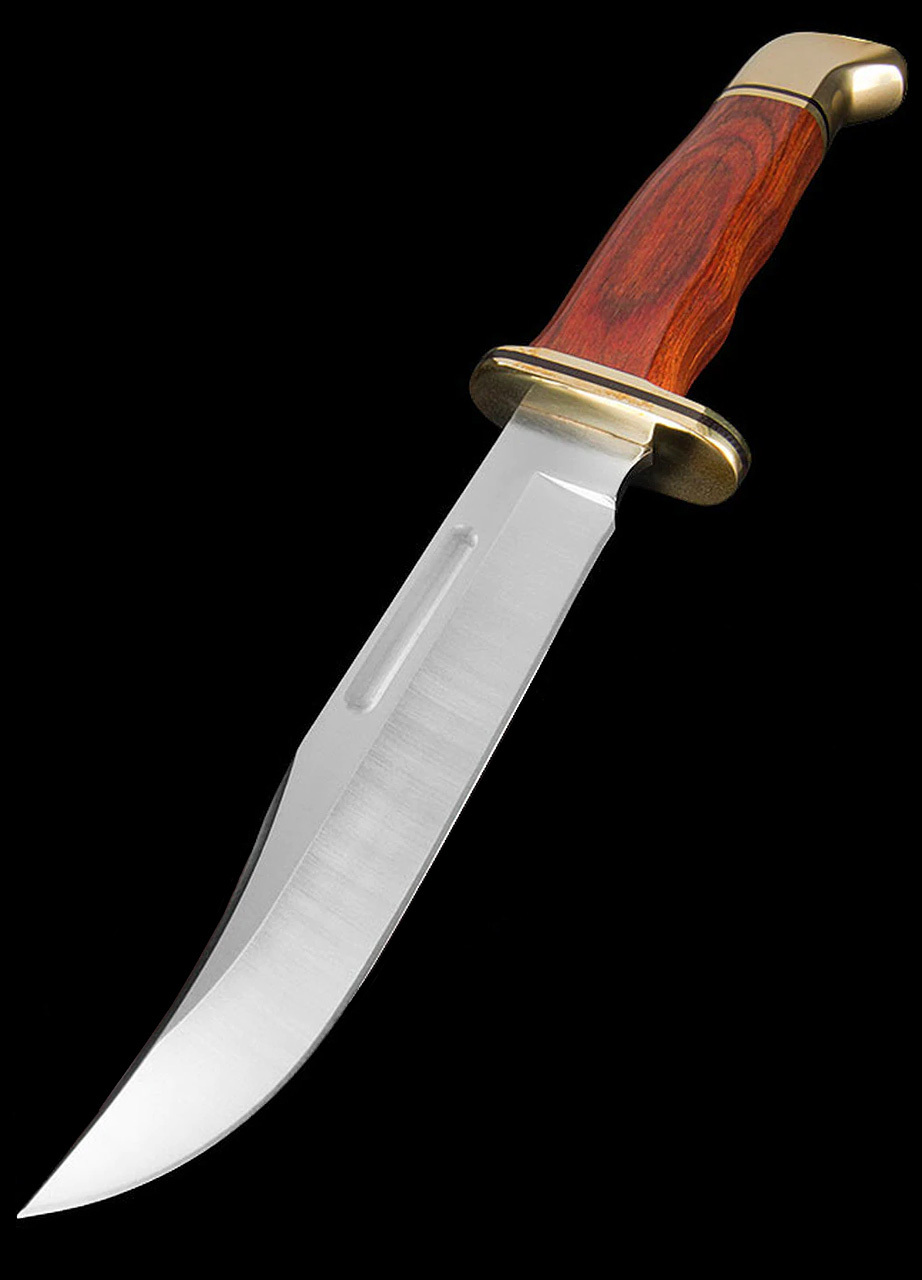
A hunting knife is a fixed or folding blade made for outdoor and hunting activities. Unlike kitchen knives, it’s built to handle tough jobs like cutting meat, skinning animals, and even survival needs. Most hunting knives have a strong, sharp blade, a comfortable handle, and a design made for control and safety.
Common Features
- Blade shape: Usually curved for skinning or straight for cutting
- Blade material: High-carbon or stainless steel for durability
- Handle design: Ergonomic, often textured for a good grip
- Sheath: Protective cover for safe carrying
The average blade length is between 3 to 6 inches, balancing control and cutting power. Some knives are specialized, but most hunting knives are multipurpose.
Primary Uses Of A Hunting Knife
Hunting knives serve many roles in the outdoors. Here are the main tasks they handle:
1. Skinning Game
The most important job of a hunting knife is skinning animals. After a hunt, the skin must be separated from the meat without damaging it. A curved blade helps make precise cuts, reducing waste and making the process faster. Specialized skinning knives may have a rounded tip to avoid puncturing the hide.
2. Field Dressing
Field dressing means removing internal organs from hunted animals soon after they are killed. It prevents spoilage and makes transport easier. A hunting knife is used to make clean incisions, cut through tissue, and handle organs safely. Hunters often carry a dedicated gut hook knife for this job, which helps open the body cavity quickly.
3. Butchering And Meat Processing
Once the animal is skinned and dressed, the knife is used to butcher the meat. This includes separating muscle groups, removing fat, and portioning meat for cooking or storage. The sharpness and shape of the blade are key for efficient work.
4. Preparing Food
A hunting knife can also be used for food preparation in the wild. Cutting vegetables, slicing bread, or even filleting fish are common tasks. While it’s not as specialized as a chef’s knife, its versatility makes it handy for camp cooking.
5. Woodwork And Shelter Building
When camping or surviving outdoors, the knife helps with woodwork. You can use it to shave kindling, carve tent stakes, or cut rope. Some blades are strong enough for light chopping, though they aren’t meant to replace axes.
6. Safety And Emergency Use
In emergencies, a hunting knife can save lives. It can cut seatbelts, open packages, or even help with first aid (like cutting bandages or splints). Its reliability makes it an essential tool for anyone spending time outdoors.
7. General Utility Tasks
Outside hunting, the knife is useful for many tasks:
- Opening cans
- Repairing gear
- Making tools
- Clearing brush
The hunting knife’s design allows it to handle both delicate and tough jobs.
Types Of Hunting Knives
There are several types of hunting knives, each built for specific needs. Here’s a comparison table showing their main differences:
| Type | Blade Shape | Main Purpose | Advantages |
|---|---|---|---|
| Skinning Knife | Curved | Skinning animals | Precision, reduces damage |
| Gut Hook Knife | Hooked tip | Field dressing | Fast opening, clean cuts |
| Camp Knife | Straight, wide | General utility | Versatile, strong |
| Folding Knife | Varies | Portable tasks | Compact, easy carry |
| Boning Knife | Narrow, flexible | Butchering | Detailed cuts, removes bones |
Choosing the right type depends on your main activity and comfort with the blade.
Key Features To Look For
If you’re buying a hunting knife, several factors matter. Here’s a comparison of the most important features:
| Feature | Why It Matters | Common Options |
|---|---|---|
| Blade Material | Durability, sharpness | High-carbon steel, stainless steel |
| Blade Length | Control vs. cutting power | 3-6 inches |
| Handle Design | Grip, comfort | Textured, ergonomic, synthetic or natural |
| Blade Shape | Task specialization | Curved, straight, hooked |
| Sheath | Safety, portability | Leather, nylon, plastic |
Blade material affects both sharpness and corrosion resistance. Stainless steel is popular for its rust resistance, while high-carbon steel stays sharp longer but needs more care.
Handle design is often overlooked by beginners. A poor grip can lead to accidents or fatigue. Look for handles that fit your hand, have a non-slip texture, and don’t cause blisters.
How To Use A Hunting Knife Safely
Using a hunting knife requires care. Here are some safety tips:
- Keep the blade sharp: A dull knife is more dangerous than a sharp one because you need more force to cut, which increases risk.
- Cut away from your body: Always point the blade away to prevent injuries.
- Use the right knife for the job: Don’t use a skinning knife for woodwork or a gut hook for food prep.
- Store in a sheath: Protect both yourself and the blade by storing it in its sheath.
- Clean after use: Blood, fat, and dirt can cause corrosion or dullness. Clean and dry your knife after every use.
Many accidents happen because of improper use or handling. If you’re new, practice basic cuts with supervision before using your knife in the field.
Common Mistakes Beginners Make
Most beginners make several mistakes with hunting knives:
- Choosing the wrong blade type for their main activity
- Ignoring handle comfort and grip
- Not maintaining the knife (cleaning, sharpening)
- Using it for heavy chopping or prying, which can damage the blade
- Forgetting to pack a proper sheath
One non-obvious tip: Avoid using your hunting knife as a screwdriver or pry bar. This damages the blade and can cause injury. Another common oversight is failing to check local laws about carrying knives, which can lead to legal trouble.
Real-world Examples
Hunters and outdoor experts rely on hunting knives for many situations. For example, when field dressing a deer, a sharp gut hook knife can reduce the time needed by up to 30%. Campers often use a camp knife to build shelters, cut rope, or prepare meals.
In survival stories, people have used hunting knives to create fire by striking against a ferro rod, signal for help by reflecting sunlight, or even defend themselves against wild animals.
Studies show that over 70% of experienced hunters carry at least two knives: one for skinning and one for general tasks. This approach helps them work faster and safer.
Comparing Hunting Knife Vs. Other Outdoor Knives
People often confuse hunting knives with other outdoor knives. Here’s a comparison to clarify the differences:
| Knife Type | Main Use | Strengths | Limitations |
|---|---|---|---|
| Hunting Knife | Skinning, butchering, utility | Versatile, strong, precise | Not for heavy chopping |
| Survival Knife | Emergency, shelter, defense | Heavy-duty, multi-tool | Less specialized for meat |
| Fishing Knife | Filleting, scaling fish | Flexible, thin blade | Poor for skinning animals |
| Camp Knife | General camp tasks | Wide blade, tough | Bulky, less precise |
How To Choose The Right Hunting Knife?
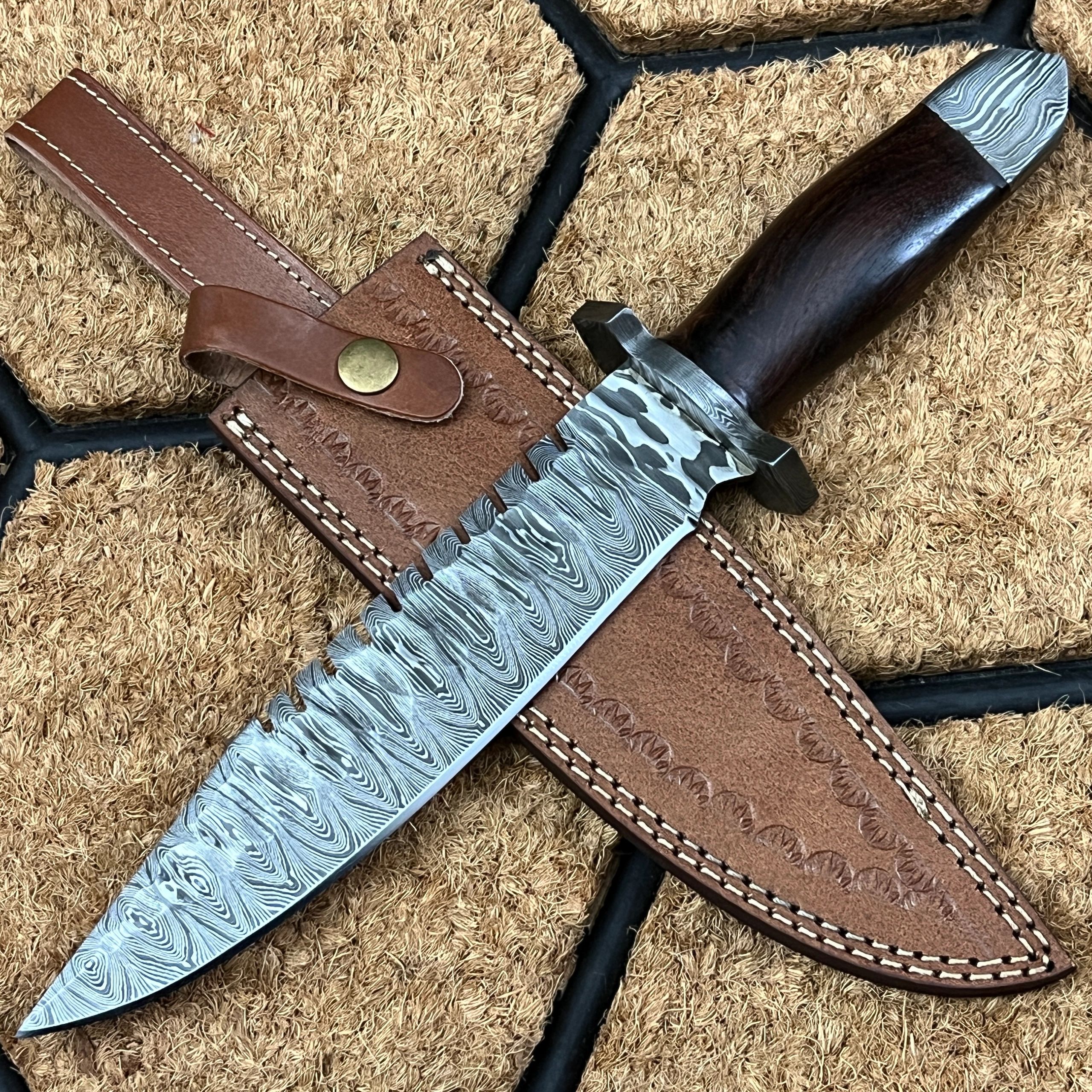
If you’re picking a hunting knife, focus on these points:
- Your main activity (hunting, camping, survival)
- Blade length and shape based on the game you hunt
- Handle comfort and grip, especially for wet or cold conditions
- Quality of sheath for safe carry
- Ease of cleaning and sharpening
Many beginners buy the most expensive knife, thinking it’s better. Price doesn’t always equal quality. Test how the knife feels in your hand. If possible, ask experienced hunters for advice before purchasing.
Frequently Asked Questions
What Is The Best Blade Length For A Hunting Knife?
Most experts recommend a blade length between 3 and 5 inches. This size offers good control for skinning and field dressing, while still being strong enough for general use.
Can A Hunting Knife Be Used For Camping?
Yes, a hunting knife works well for camping tasks like preparing food, cutting rope, and making kindling. However, some camping jobs may require a heavier blade or multi-tool.
How Do You Maintain A Hunting Knife?
Clean your knife after each use. Dry it thoroughly to prevent rust. Sharpen with a whetstone or sharpening tool. Oil the blade if it’s high-carbon steel. Store it in a sheath when not in use.
Are Folding Hunting Knives As Good As Fixed Blades?
Folding knives are more portable and safer for carrying. Fixed blades are stronger and easier to clean. If you do heavy-duty work, choose a fixed blade. For light tasks and travel, a folding knife works well.
Is It Legal To Carry A Hunting Knife?
Knife laws vary by state and country. Check local regulations before carrying a hunting knife. Some places limit blade length or require special permits.
Last Word
A hunting knife is more than just a tool—it’s a partner for outdoor adventures. Whether you’re a hunter, camper, or survivalist, knowing how to use and choose the right hunting knife makes your experience safer and more enjoyable. With the right blade, you can handle almost any situation in the wild.
Always respect your knife, keep it maintained, and use it responsibly.

Leave a Reply