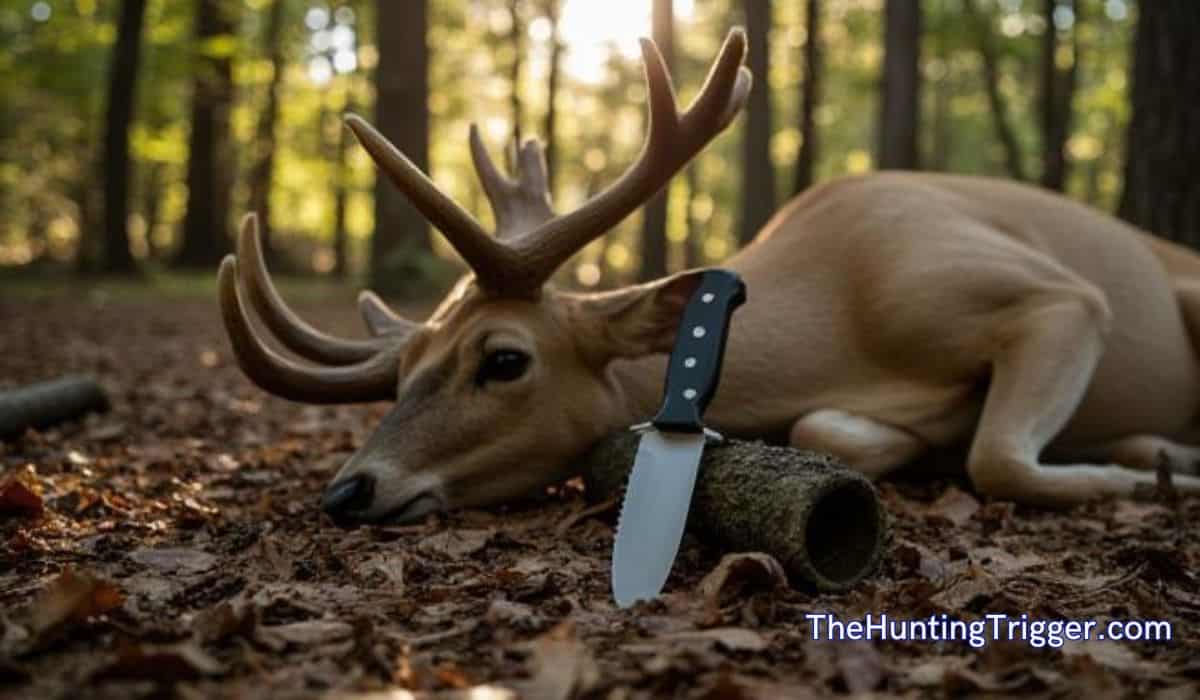
Hunting deer is often linked to rifles or bows, but some people ask if it’s possible to hunt deer with a knife. This idea sounds intense and even risky. The answer depends on safety, legality, skill, and the reality of wild animals.
Let’s examine what it means to hunt deer with a knife, the challenges, legal issues, and practical information every hunter should know.
Table of Contents
What Does “hunting Deer With A Knife” Mean?
Using a knife to hunt deer is very different from using a firearm or bow. In this method, the hunter tries to kill a deer using only a blade. Usually, this means approaching the animal very closely and striking it directly. Unlike shooting from a distance, knife hunting requires stealth, speed, and physical strength.
There are two main ways people attempt this:
- Ambush: Waiting in a spot where deer pass, then attacking quickly.
- Tracking and Stalking: Following the animal, getting close enough for a strike.
Most people think of hunting as shooting from afar. Using a knife is much more hands-on and dangerous. It’s rare, mostly seen in survival stories or by those wanting extreme challenges.
What is the most reliable rifle for hunting deer
Legal Considerations
Before attempting any kind of hunting, it’s important to know the laws. Knife hunting is illegal in many places due to safety and animal welfare concerns. Most states in the US require hunters to use approved weapons, like rifles, shotguns, or bows.
Using a knife may violate hunting regulations.
Here’s a comparison of weapon legality for deer hunting in several US states:
| State | Rifle | Bow | Knife |
|---|---|---|---|
| Texas | Legal | Legal | Illegal |
| Wisconsin | Legal | Legal | Illegal |
| Florida | Legal | Legal | Illegal |
| Montana | Legal | Legal | Illegal |
| Alaska | Legal | Legal | Illegal |
You should always check your local regulations before hunting. Penalties for illegal hunting can include fines, loss of hunting license, and even jail. The main reason knife hunting is banned is because it’s hard to kill a deer humanely with a blade.
Laws aim to prevent unnecessary suffering.
Risks And Challenges
Knife hunting is not only illegal in most areas but also extremely risky. Deer are strong, fast, and can defend themselves. Getting close enough to use a knife is difficult and dangerous.
Physical Risks
- Injury from the Deer: Deer may kick, charge, or use their antlers to defend themselves.
- Personal Injury: Hunters may hurt themselves with their own knife during a struggle.
- Disease: Wild deer can carry ticks and diseases that may affect humans.
Ethical Concerns
Using a knife makes it hard to kill a deer quickly and humanely. A poorly placed strike can cause suffering. Ethical hunting aims for a fast, clean kill, minimizing pain. Knife hunting often fails in this respect.
Practical Difficulties
- Approaching a Deer: Deer have keen senses of smell and hearing. Getting close is very hard.
- Strength and Skill Required: Even experienced hunters rarely attempt knife hunting.
- Weather and Terrain: Dense forests or rough ground make stealth harder.
Historical Examples And Modern Stories
In history, some cultures hunted with blades or spears. Today, stories about hunting deer with a knife are rare and often linked to survival situations.
For example, some indigenous groups used knives or spears before firearms were available. However, these hunts involved teamwork, traps, and deep knowledge of animal behavior.
In modern times, knife hunting is mostly seen in survival TV shows or online videos. These are usually staged, and don’t reflect real hunting practices. The vast majority of hunters use firearms or bows for safety and effectiveness.

Knife Types Used In Hunting
If someone were to hunt deer with a knife, the type of blade matters. A hunting knife is designed for skinning and processing game, not for killing. A combat knife or bowie knife is heavier and sharper, more suited for defense or attack.
Here’s a comparison of knife types:
| Knife Type | Main Use | Blade Length | Suitability for Hunting |
|---|---|---|---|
| Hunting Knife | Skinning, field dressing | 3–5 inches | Not ideal for killing |
| Bowie Knife | Survival, combat | 6–12 inches | Better for attack, but risky |
| Survival Knife | General outdoor tasks | 4–8 inches | Not specialized for hunting |
| Spear (with blade) | Hunting large animals | Varies | Historical use, safer distance |
Even with the right knife, the risks remain high. Most knives are made for processing meat, not for killing wild animals.
How Deer React To Threats?
Deer are alert, fast, and have sharp senses. If they sense danger, they run away quickly. Their hearing and smell help them avoid predators. Trying to get close enough for a knife attack is almost impossible for most hunters.
Interesting facts:
- A deer can sprint up to 30 miles per hour.
- Their field of vision is nearly 310 degrees.
- They react to sudden movements faster than humans.
This makes knife hunting both dangerous and impractical.
Alternative Methods For Close-range Hunting
While hunting deer with a knife is not practical or legal, some hunters use close-range methods. For example, bow hunting requires getting within 20–40 yards of the animal. Hunters use camouflage, scent blockers, and blinds to get close.
Other methods include:
- Crossbows: Allow for silent, close-range hunting.
- Spears: Used historically, but almost never today.
- Trapping: Illegal for deer in most places.
These methods are regulated and require skill, but are safer and more humane than knife hunting.
Survival Situations
In rare cases, someone may be forced to use a knife to hunt for food in a survival emergency. Even then, experts recommend setting traps or using other tools. Knife hunting is a last resort and not recommended by survival instructors.
If you are lost in the wild and need food, focus on smaller animals, edible plants, or fishing. Deer are large, fast, and difficult to approach. Trying to hunt one with a knife wastes energy and increases risk.
Ethical Hunting And Animal Welfare
Modern hunters are encouraged to follow ethical practices. This means:
- Using weapons that allow for a quick, humane kill.
- Following local laws and seasons.
- Taking only what you need.
Knife hunting usually fails these standards. It risks causing suffering and injury to both the animal and the hunter. Responsible hunting means respecting wildlife and safety.
Realistic Skills Needed
If someone still wants to attempt knife hunting (legally and ethically), they would need:
- Excellent tracking skills
- Physical strength and speed
- Knowledge of deer habits
- Survival training
Most hunters lack these skills. Even trained experts find it nearly impossible.
Statistics About Deer Hunting
To show how rare knife hunting is, here are some numbers:
- In the US, over 11 million hunters pursue deer each year.
- More than 95% use firearms.
- Less than 1% use bows or crossbows.
- Knife hunting is so rare it’s not tracked in official statistics.
These numbers highlight how uncommon and impractical knife hunting is.
Comparing Hunting Methods
Let’s compare popular deer hunting methods for effectiveness and safety:
| Method | Effective Range | Kill Speed | Safety | Legality |
|---|---|---|---|---|
| Rifle | 100–300 yards | High | High | Legal |
| Bow | 20–40 yards | Moderate | High | Legal |
| Knife | 1 yard | Low | Low | Illegal |
| Crossbow | 30–60 yards | Moderate | High | Legal |
This comparison shows why rifles and bows are preferred. Knife hunting scores low in nearly every area.

Common Mistakes And Misconceptions
Many beginners think knife hunting is like scenes in movies. In reality, it’s not only illegal but nearly impossible for most people. Key mistakes include:
- Underestimating Deer’s Abilities: Deer are fast and strong.
- Ignoring Legal Risks: Breaking hunting laws can lead to serious trouble.
- Overvaluing Personal Skills: Even skilled hunters fail to get close.
- Not Considering Ethics: Humane treatment of animals is essential.
Non-obvious Insights
- Even if you manage to approach a deer, the stress and adrenaline make it unpredictable. Injured deer can attack or escape, making the hunt dangerous.
- In survival situations, knife hunting uses much more energy than hunting smaller animals or fishing. This can risk your health and waste valuable resources.
Safety Tips For Hunters
If you’re interested in close-range hunting, focus on safety:
- Always use legal weapons.
- Wear proper gear to avoid injury.
- Respect animal welfare.
- Never hunt alone in risky situations.
For those seeking a challenge, bow hunting is a safer and legal way to test skill without risking unnecessary harm.
Closing Thoughts
Hunting deer with a knife is not just a question of skill or bravery—it’s about safety, legality, and ethics. Most places ban this practice for good reasons. Deer are strong, alert, and deserve respect as wild animals. Modern hunting methods focus on humane, efficient, and lawful techniques.
For those seeking adventure, there are safer and more rewarding ways to hunt. Always follow local laws, prioritize safety, and respect wildlife.
Frequently Asked Questions
Is It Legal To Hunt Deer With A Knife In The Us?
No, hunting deer with a knife is illegal in almost every US state. Wildlife laws require hunters to use approved weapons for humane kills.
Has Anyone Successfully Hunted A Deer With A Knife?
There are rare stories about knife hunting, mostly from survival situations or history. Modern hunters almost never use knives for this purpose.
What Type Of Knife Would Be Best For Deer Hunting?
A bowie knife is the most likely choice due to its size and strength, but even this is not suitable or legal for hunting deer.
Why Is Knife Hunting Banned?
Knife hunting is banned because it is difficult to kill deer quickly and humanely. Laws protect animals from unnecessary suffering and hunters from injury.
What Is The Safest Way To Hunt Deer?
Using a rifle or bow is the safest and most effective way. These methods allow for accurate, humane kills from a safe distance. Always check local regulations before hunting.

Leave a Reply