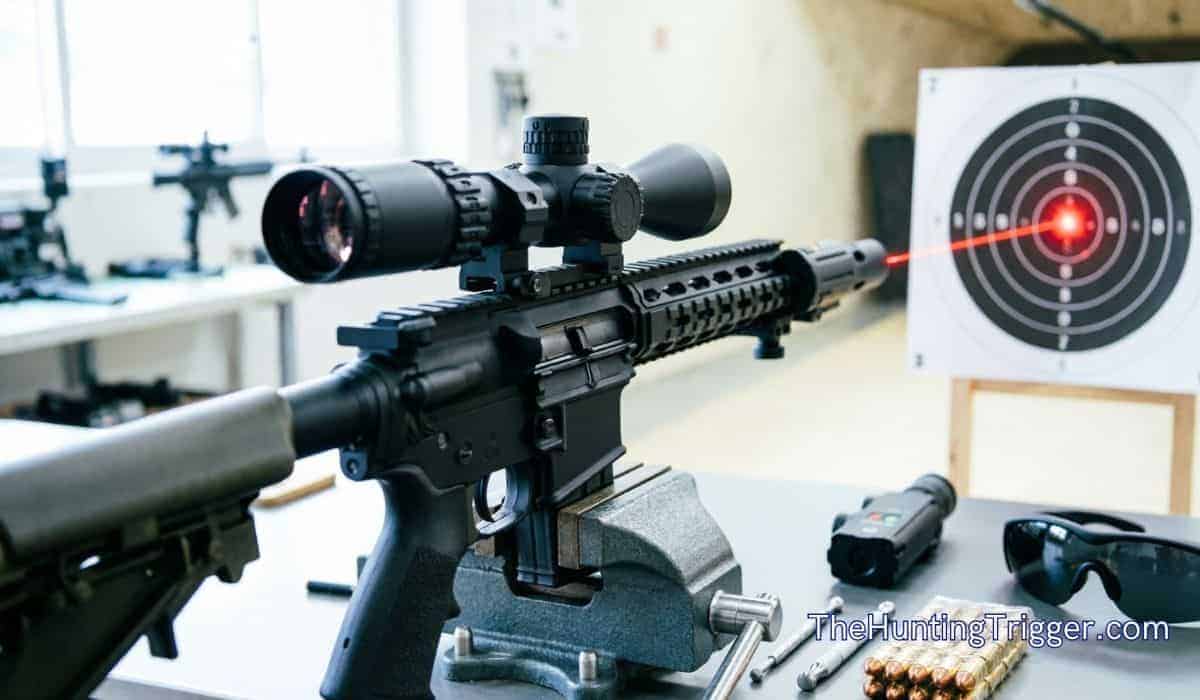
Using a boresighter can save you time, ammunition, and frustration when setting up a rifle scope. Many shooters want their first shots to hit close to the target, not just the paper. A boresighter helps make this possible by aligning your scope with the barrel before you fire. This process is called bore sighting, and it is useful for hunters, target shooters, and anyone mounting a new scope.
This guide explains how to use a boresighter, the different types, common mistakes, and practical tips to get the best results. Whether you are new to shooting or have some experience, these instructions will help you improve your accuracy and confidence.
Table of Contents
What Is A Boresighter?
A boresighter is a tool that helps you align your rifle’s scope with the barrel. This means your first shots are much closer to the target, reducing the need for large adjustments later. There are two main types of boresighters:
- Optical (or arbor) boresighters: These attach to the end of the barrel or fit inside the bore. They use a grid or crosshairs seen through an eyepiece.
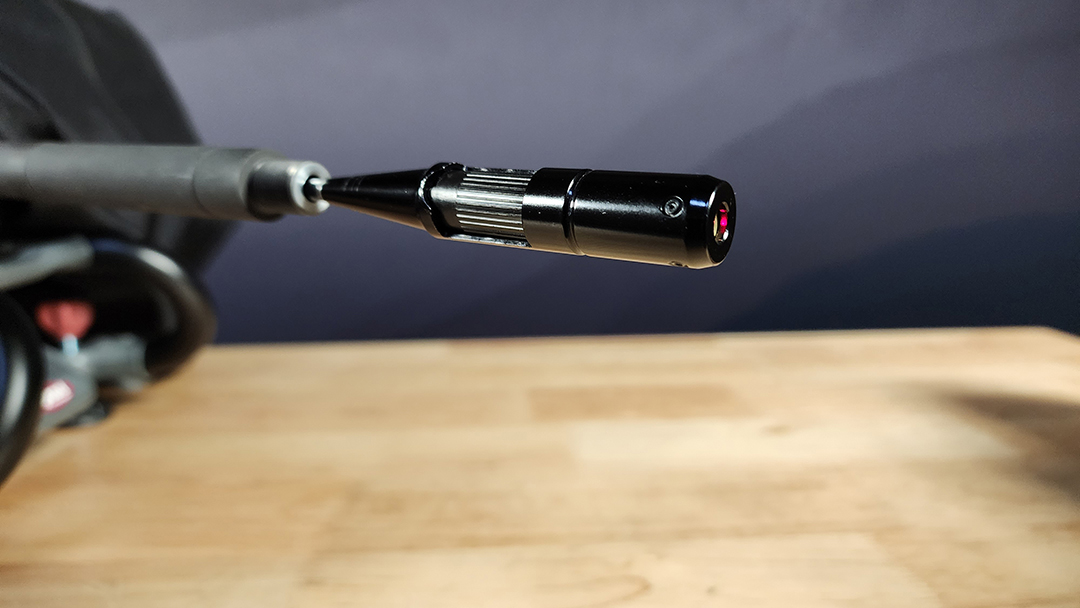
- Laser boresighters: These project a red or green laser dot on the target, showing where the barrel is pointing.
Both types help you zero your scope before you fire a single shot. This saves time and money, especially when ammunition costs are high.
Why Use A Boresighter?
Using a boresighter offers several clear benefits:
- Saves ammunition: You waste fewer rounds adjusting your scope at the range.
- Saves time: Faster setup means more time shooting and less time adjusting.
- Reduces frustration: You avoid chasing the point of impact on the target.
- Improves safety: Fewer stray shots while sighting in.
Many shooters overlook the fact that a boresighter will not make your rifle perfectly zeroed. You still need to fire live rounds for final adjustments. But it will get you much closer to where you want to be.
Types Of Boresighters
Choosing the right boresighter depends on your firearm and your preferences. Here’s a comparison of the most common types:
| Type | How It Works | Pros | Cons |
|---|---|---|---|
| Optical (Arbor) | Fits in or over barrel; you align scope using a grid | Very precise, reusable, no batteries needed | Setup can be slow, not compatible with all calibers |
| Laser (Muzzle) | Attaches to muzzle and projects laser onto target | Easy to use, fast, works with most rifles | Batteries required, less precise on sunny days |
| Laser (Cartridge) | Fits into chamber like a real round, projects laser | Very accurate, mimics real bullet path, works indoors | Must buy for each caliber, batteries needed |
Laser boresighters are very popular today because they are fast and easy to use. Optical types are still common among experienced shooters who want maximum precision.
How To Use A Boresighter?
The method depends on the type of boresighter you have. Here’s how to use the two main kinds.
Using A Laser Boresighter
- Unload the firearm: Double-check that the chamber is empty.
- Insert the laser boresighter: For muzzle types, attach it to the end of the barrel. For cartridge types, insert it into the chamber.
- Set up your target: Place a paper target at 25 yards (or meters) for initial alignment.
- Turn on the laser: The laser dot will appear on the target.
- Stabilize the rifle: Use a gun rest or sandbags to keep the firearm steady.
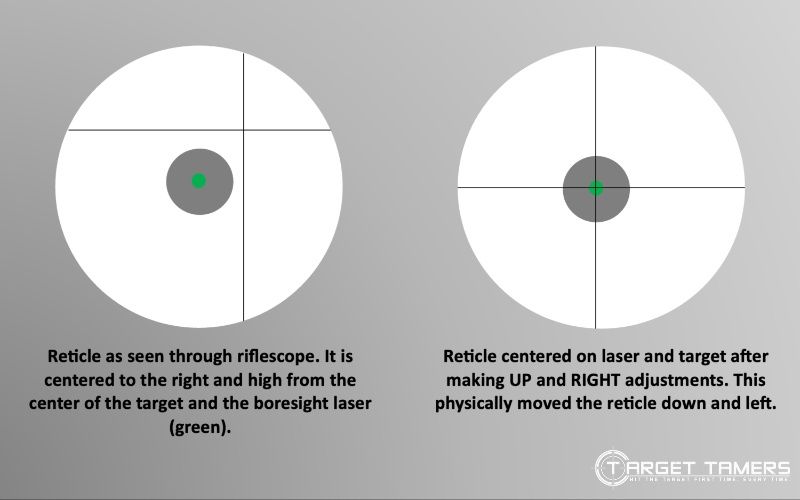
- Adjust your scope: While looking through the scope, adjust the windage and elevation turrets so the crosshairs match the laser dot.
- Double-check alignment: Make sure the rifle hasn’t moved during the process.
- Remove the boresighter: Take out the laser before firing.
Using An Optical Boresighter
- Unload the firearm: Safety first—ensure no rounds are in the chamber.
- Insert the arbor or mount: Attach the boresighter to the barrel or insert it into the muzzle.
- Look through the boresighter: You’ll see a grid or crosshair pattern.
- Stabilize the rifle: Use a rest for best results.
- Adjust the scope: Move the reticle to align with the center of the grid.
- Remove the boresighter: Take it off before shooting.
Important tip: Always remove the boresighter before firing. Forgetting this can damage your rifle or the tool.
Key Details For A Good Bore Sighting
Bore sighting is not a replacement for live fire zeroing, but it is the best way to start. Many shooters make the mistake of relying only on the tool and skipping the final adjustments on the range.
Here are some critical points to ensure accuracy:
- Distance matters: Start at 25 yards, not 100. This makes alignment easier. Once close, move back to 100 yards for fine tuning.
- Boresighter quality: Cheap tools can give poor results. Reliable brands provide better alignment.
- Battery check: For laser types, always carry spare batteries. A weak laser is hard to see.
- Target selection: Use a white paper target with a clear dot or grid for laser boresighters.
- Rifle position: The gun must remain steady during the process, or your adjustments will be off.
Common Mistakes To Avoid
Even experienced shooters can make errors with boresighting. Here are mistakes to watch for:
- Skipping safety checks: Always confirm the firearm is unloaded before starting.
- Not stabilizing the rifle: Movement during adjustment leads to poor alignment.
- Using the wrong distance: Starting at long range makes errors bigger and harder to fix.
- Forgetting to remove the boresighter: Firing with the tool still in place can cause injury or damage.
- Relying only on the tool: Boresighting gets you close, but you must shoot live rounds for final zero.
Some shooters also forget to check for parallax error (when the reticle seems to move against the target if your head moves). Make sure your eye is centered behind the scope.
Practical Tips For Best Results
- Use consistent lighting. A laser is easier to see in dim light or indoors.
- Mark your starting turret positions. Write down or remember how many clicks you make during adjustment.
- Use a level to keep your rifle from tilting, which affects the process.
- After boresighting, fire a group of three shots at 25 yards. Adjust the scope until the group is centered, then move to 100 yards for final zeroing.
- For bolt-action rifles, you can remove the bolt, secure the rifle, and look down the bore at the target. This “eyeball” method is less precise but can help confirm alignment if you don’t have a tool.
Here’s a comparison of how close different methods usually get you to the bullseye:
| Method | Typical First Shot Distance from Bullseye (at 100 yards) | Extra Adjustments Needed |
|---|---|---|
| No boresighting | 12–18 inches | High |
| Eyeball through bore | 6–10 inches | Moderate |
| Optical boresighter | 3–6 inches | Low |
| Laser boresighter | 2–5 inches | Very low |
Choosing The Right Boresighter For Your Needs
Different shooters need different tools. Here are some factors to consider:
- Caliber compatibility: Cartridge-style boresighters must match your caliber. Multi-caliber kits are available for optical and muzzle types.
- Frequency of use: If you mount scopes often, invest in a durable tool.
- Budget: Laser types range from $20 to $80. Optical types can be more expensive but last longer.
- Environment: Laser dots are hard to see in bright sunlight. Optical types work in any light.
If you only have one or two rifles and want a fast, simple solution, a laser boresighter may be best. If you work with many rifles and want maximum precision, optical types are a good investment.
Maintaining And Storing Your Boresighter
Proper care will extend the life of your boresighter:
- Store in a dry, padded case to avoid dust and damage.
- For laser tools, remove the batteries if you won’t use them for a long time.
- Clean any parts that contact the barrel to prevent scratches or rust.
- Check the alignment of optical grids regularly, as rough handling can knock them off center.
A well-maintained boresighter gives accurate results every time and protects your investment.
When You Might Not Need A Boresighter?
There are some cases where a boresighter is less useful:
- Iron sights only: If your rifle has no scope, boresighters are not needed.
- Red dot sights: Some red dots are so adjustable that quick zeroing is possible without a tool.
- Short-range use: For rifles used only at very close range, precise boresighting is less critical.
Still, for most scoped rifles, especially those used for hunting or competition, the tool is very valuable.
Extra Insights Most Beginners Miss
- Barrel harmonics can shift zero: Even after perfect boresighting, the barrel may “whip” differently with each ammunition type. Always finish with live fire and your chosen ammo.
- Boresighters can reveal mounting errors: If you cannot align the scope to the laser or grid, your scope rings or bases may be misaligned. This early warning can save you wasted ammo and time.
- Don’t chase the laser for every click: Small adjustments are normal. If the laser dot and scope crosshair are within a couple of inches at 25 yards, you’re ready for live fire.
Frequently Asked Questions
What Distance Should I Use For Boresighting?
Start at 25 yards (or meters). This makes it easier to see both the laser and the target, and errors are smaller. After you are close at 25 yards, move the target to 100 yards for final live-fire zeroing.
Can I Use A Boresighter For A Shotgun Or Pistol?
Most boresighters are made for rifles, but cartridge-style laser boresighters are available for shotguns and handguns too. Check the product specifications to ensure compatibility with your firearm.
Is A Laser Or Optical Boresighter Better?
Both have strengths. Laser boresighters are faster and easier for beginners. Optical boresighters can be more precise and do not require batteries. For most users, a laser model is more practical.
How Close Will My First Shot Be After Boresighting?
If used correctly, your first shot should be within 2–5 inches of the bullseye at 100 yards. You will still need to fire and adjust for perfect zero, but you will waste fewer rounds.

Last Word
Using a boresighter is one of the best ways to make your shooting more efficient and enjoyable. With careful use, you will save time, protect your equipment, and see better results at the range or in the field. Remember, the tool gets you close—your skill and final adjustments finish the job.

Leave a Reply