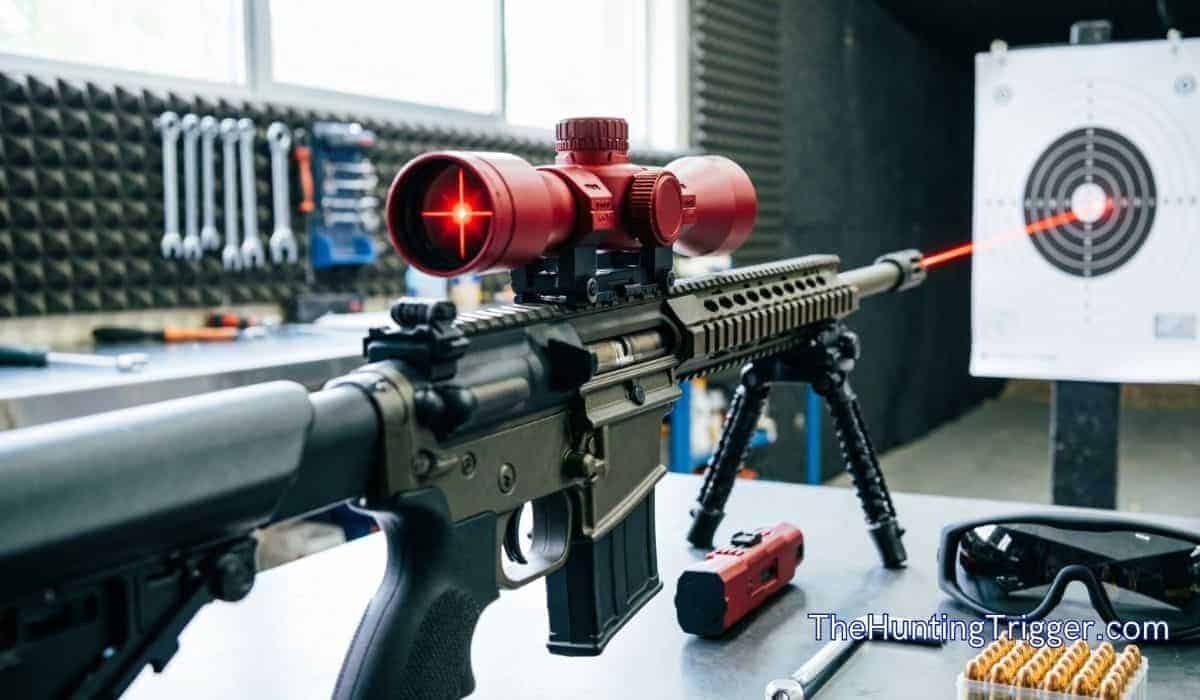
Most shooters want their firearms to be accurate, especially when using modern optics like red dot sights. Whether you’re new to shooting or experienced, knowing how to boresight a red dot can save time, money, and frustration at the range. Boresighting doesn’t make your firearm perfectly zeroed, but it puts you close enough for final adjustments with live fire. This guide explains the full process, common mistakes, and tips for best results.
Table of Contents
What Does Boresighting Mean?
Boresighting is a method to align the sight (in this case, a red dot) with the bore of the firearm, so the point of aim and the point of impact are as close as possible before firing any rounds. It’s an initial alignment, not the final zero. This can be done with or without special tools, and works for rifles, shotguns, and even some handguns.
The main goal is to ensure your first shots are on paper, making the final zeroing easier and safer. Boresighting is especially helpful when mounting a new sight or after making major changes to your firearm.
Tools Needed For Boresighting A Red Dot
Before starting, gather a few items to make the process smoother:
- Firearm with mounted red dot sight
- Boresighting tool (laser or manual)
- Sturdy rest or sandbags
- Target (large, with clear center)
- Allen wrenches (to adjust sight)
- Good lighting
There are two main ways to boresight: manual (visual) and using a laser boresighter. Each has its own pros and cons.
| Method | Cost | Ease of Use | Accuracy | Best For |
|---|---|---|---|---|
| Manual (Visual) | Free | Moderate | Good | Rifles with removable bolts |
| Laser Boresighter | $20-$100 | Easy | Very Good | Most firearm types |
Manual Boresighting: Visual Method
This traditional method works well for bolt-action rifles or any firearm where you can look straight through the barrel. Here’s how you do it:
1. Unload And Clear The Firearm
Safety always comes first. Double-check that the chamber and magazine are empty.
2. Remove The Bolt Or Open The Action
Make sure you have a clear view down the barrel.
3. Secure The Firearm
Place it on a stable rest or sandbags. The firearm should not move during the process.
4. Align The Bore With The Target
Look through the barrel from the breech and center the target in the bore. It’s easiest to use a simple, bold target (like a black dot on white paper) about 25 yards away.
5. Adjust The Red Dot Sight
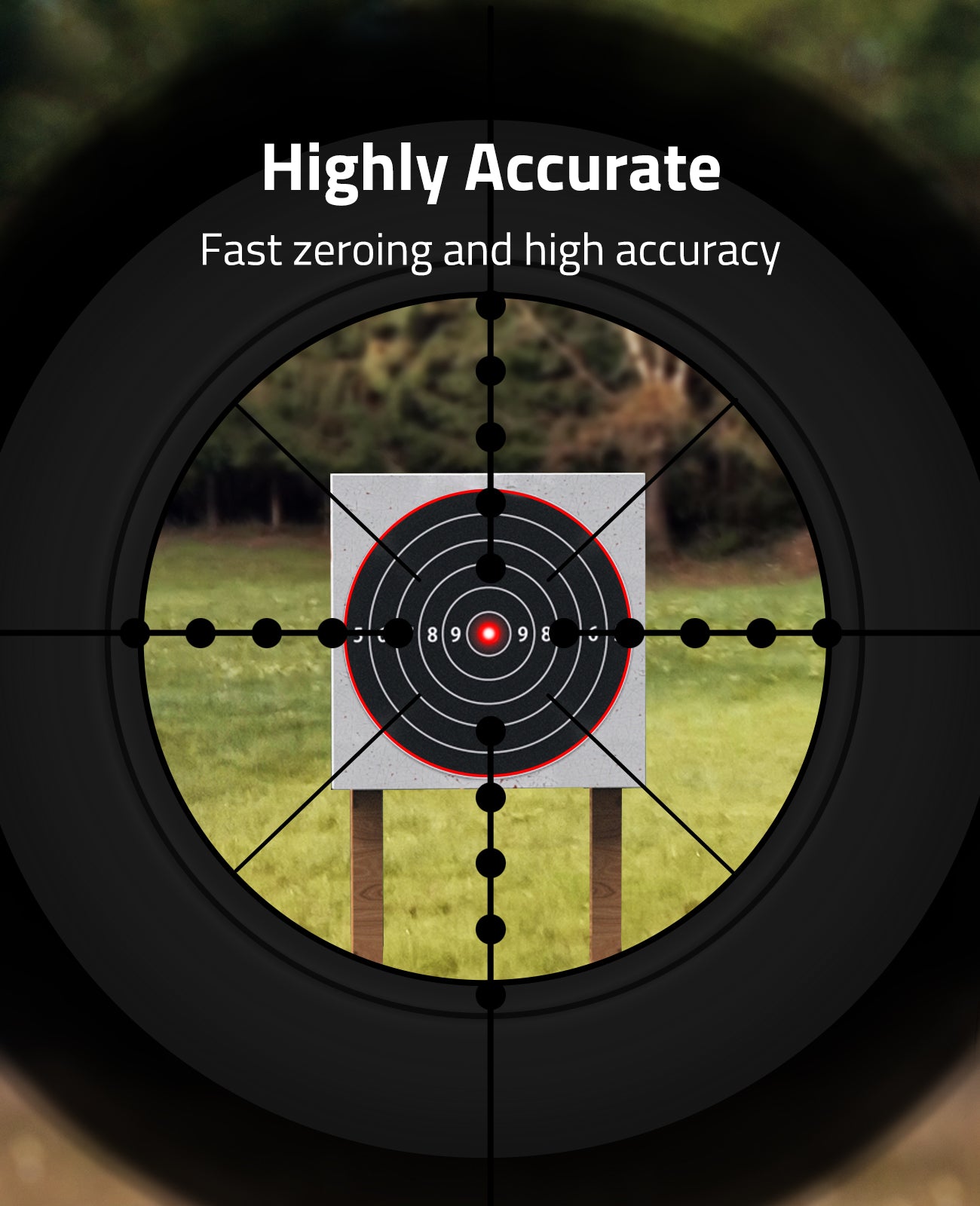
Without moving the firearm, adjust the windage (left-right) and elevation (up-down) on the red dot until the dot appears over the same spot you see through the bore.
6. Double-check
Switch back and forth between looking through the barrel and the sight. Make sure both are aimed at the same point.
7. Reassemble And Check Again
Put the bolt or action back and look through the sight once more to confirm alignment.
Common Challenges
- If the firearm moves, repeat the process.
- For rifles with fixed actions (like semi-autos), manual boresighting is harder and often less precise.
Using A Laser Boresighter
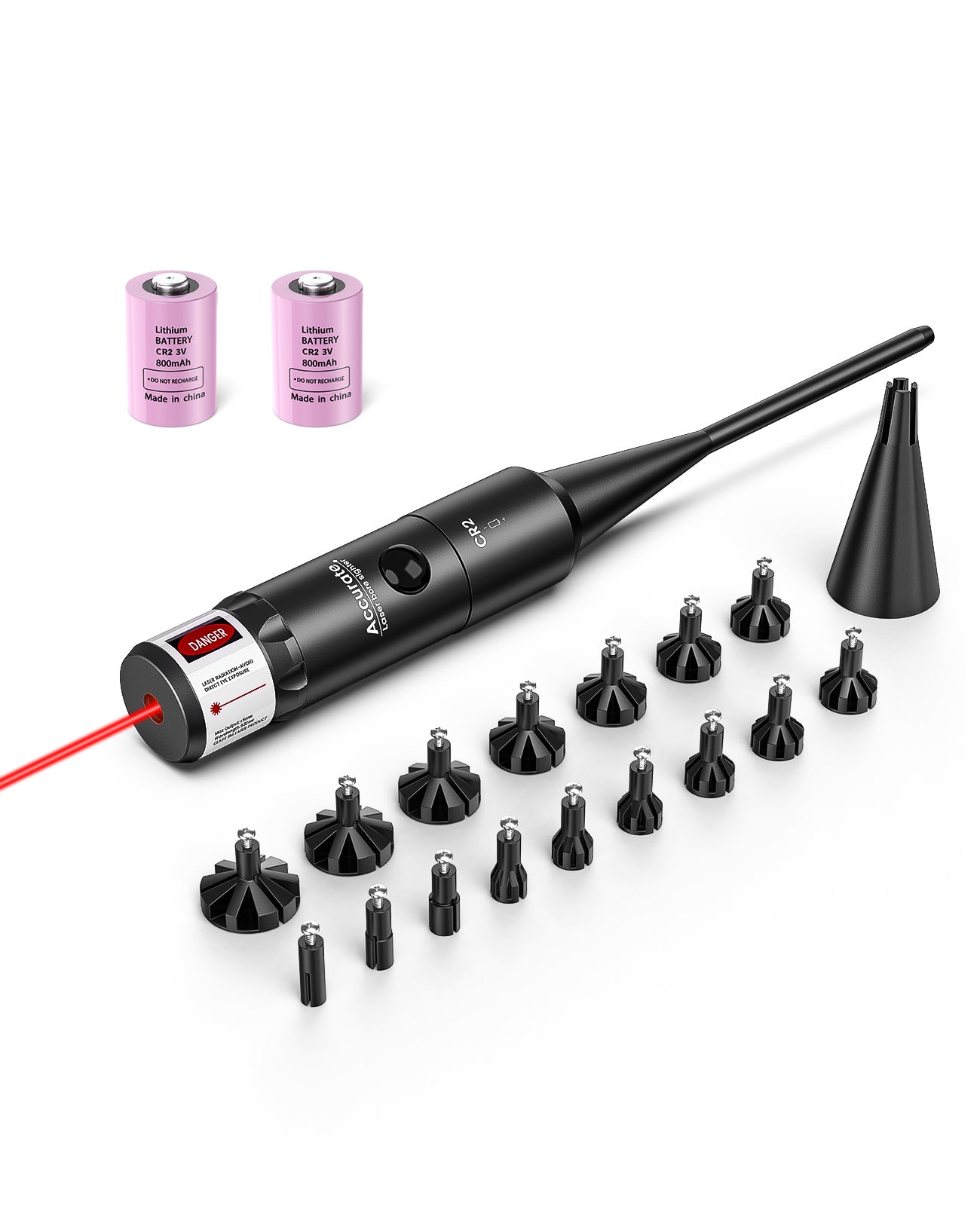
Laser boresighters are popular because they’re quick and accurate. They project a visible laser dot downrange, showing where the barrel is pointed.
Steps For Laser Boresighting
1. Ensure The Firearm Is Unloaded
Always clear the chamber and magazine first.
2. Insert The Laser Boresighter
Some fit into the chamber like a cartridge, others fit in the muzzle.
3. Set Up The Firearm
Place it on a stable rest or sandbags facing the target.
4. Turn On The Laser
The laser dot will appear on your target.
5. Adjust The Red Dot Sight
Move the windage and elevation until the red dot covers the laser dot on the target.
6. Turn Off And Remove The Laser
Remove the boresighter and check the sight alignment again.
Laser boresighters work well for most guns, including those where you can’t see through the barrel. They’re especially useful for AR-15s and modern sporting rifles.
Making Final Adjustments After Boresighting
Boresighting puts you close, but it’s not the same as a true zero. Environmental factors, ammunition type, and even slight barrel imperfections affect the final point of impact. After boresighting, you must zero the sight with live fire.
How To Final Zero
- Start at 25 yards with a large target.
- Fire a three-shot group.
- Adjust the red dot based on where the shots land.
- Repeat until your group is centered.
- Move to your desired zero distance (often 50 or 100 yards) and repeat.
Most shooters find that boresighting puts them within 2-6 inches of the bullseye at 25 yards, making final zeroing much faster and cheaper.
Key Differences: Boresighting Vs Zeroing
These two terms are often confused. Here’s a quick comparison:
| Feature | Boresighting | Zeroing |
|---|---|---|
| Purpose | Initial alignment | Final, precise alignment |
| Requires Firing | No | Yes |
| Time Needed | 5-15 minutes | Varies (depends on shooter and firearm) |
| Tools | Boresighter or manual | Range, target, ammunition |
| Result | Close to zero | On target at chosen distance |
Practical Tips For Best Results
1. Use A Large, Clear Target
A bold black circle on white paper is easiest to see from the bore and with the red dot.
2. Work In Good Lighting
Dim or uneven light makes it hard to see the dot or bore.
3. Keep The Firearm Stable
Even small movements can throw off alignment. Use a rest or sandbags.
4. Check At Multiple Distances
If possible, try boresighting at both 25 and 50 yards to confirm alignment.
5. Be Aware Of Parallax
Some red dot sights have slight parallax error, especially at close range. Always check alignment from the same position.
6. Don’t Skip Safety
Always keep the firearm pointed in a safe direction and verify it’s unloaded before starting.
7. Clean The Barrel First
Dirt or fouling in the barrel can refract laser light or obscure the view during manual boresighting.
Two Insights Shooters Often Miss
- Impact of Mount Height: The height of your red dot above the bore changes your point of impact at different distances. For example, an AR-15 with a high mount may hit low at close range, even if perfectly zeroed at 50 yards.
- Ammunition Variations: Different bullet weights and types impact where your rounds hit. Boresight and zero using the same ammo you intend to use regularly.
Many shooters overlook these factors, leading to confusion when accuracy doesn’t match expectations.
Common Mistakes To Avoid
- Skipping Live Fire Zero: Boresighting alone is not enough. Failing to fire live rounds to confirm zero leads to missed shots.
- Not Checking Mount Tightness: If your red dot or its mount is loose, boresighting is pointless. Always check screws and mounting hardware.
- Boresighting at Too Short a Distance: Doing it at 10 feet can make small errors much larger at real shooting distances.
- Forgetting About Eye Relief: While red dots have unlimited eye relief, your head position should still be consistent during boresighting and shooting.
- Using the Wrong Target: Busy or cluttered targets are hard to align with both the bore and the red dot.
Examples: Boresighting In Different Situations
Bolt-action Rifle
A hunter mounting a new red dot on a bolt gun can remove the bolt, use the visual method, and be ready for a quick zero session at the range.
Ar-15 Or Modern Sporting Rifle
These often benefit from a chamber-inserted laser boresighter. The process is quick, and you avoid the hassle of removing pins or parts.
Shotgun
For turkey hunting, many shooters now use red dots. Laser boresighters work well here, since manual boresighting is difficult with most shotguns.
Red Dot Mounting: How It Affects Boresighting
The mounting system of your red dot matters. Absolute co-witness and lower 1/3 co-witness mounts put the sight at different heights. This changes how the dot aligns with your bore, especially at close range.
If you use backup iron sights, they can help as a secondary reference during boresighting, but always confirm with live fire.
| Mount Type | Height Above Bore | Common Use | Effect on Boresighting |
|---|---|---|---|
| Absolute Co-Witness | 1.4″ | AR-15, AK | Dot aligns with irons at same height |
| Lower 1/3 Co-Witness | 1.6″ | AR-15, tactical rifles | Dot sits slightly higher than irons |
| Low Mount | 0.8″-1.0″ | Shotguns, some carbines | Less offset, easier for close work |
Safety Reminders
Always keep safety at the front of your mind:
- Double-check that the firearm is unloaded before starting.
- Never point the muzzle at anything you do not intend to shoot.
- Be aware of your surroundings and ensure no one is downrange or in the line of fire.
- Wear eye protection, even when boresighting.
Frequently Asked Questions
How Close Will Boresighting Get My Red Dot To Zero?
Boresighting usually gets you within 2-6 inches of center at 25 yards. You still need to shoot live rounds to fine-tune for true accuracy.
Can I Boresight A Red Dot Without Any Special Tools?
Yes. If your rifle allows, the manual visual method works well. For firearms where you can’t see through the barrel, a laser boresighter helps.
Do I Need To Remove The Red Dot To Boresight?
No, the sight should be mounted before you boresight. The process is about aligning the sight to the barrel, so it must be attached.
How Often Should I Boresight My Firearm?
Boresight after mounting a new sight, changing mounts, or any major adjustment. It’s also wise after rough handling or dropping the firearm.
Last Word
Getting your red dot close to zero with boresighting saves time, ammo, and frustration. By following these steps and tips, you’ll spend less time guessing and more time shooting accurately. Remember, boresighting is just the first part—final zeroing at the range is always needed for true precision.

Leave a Reply