
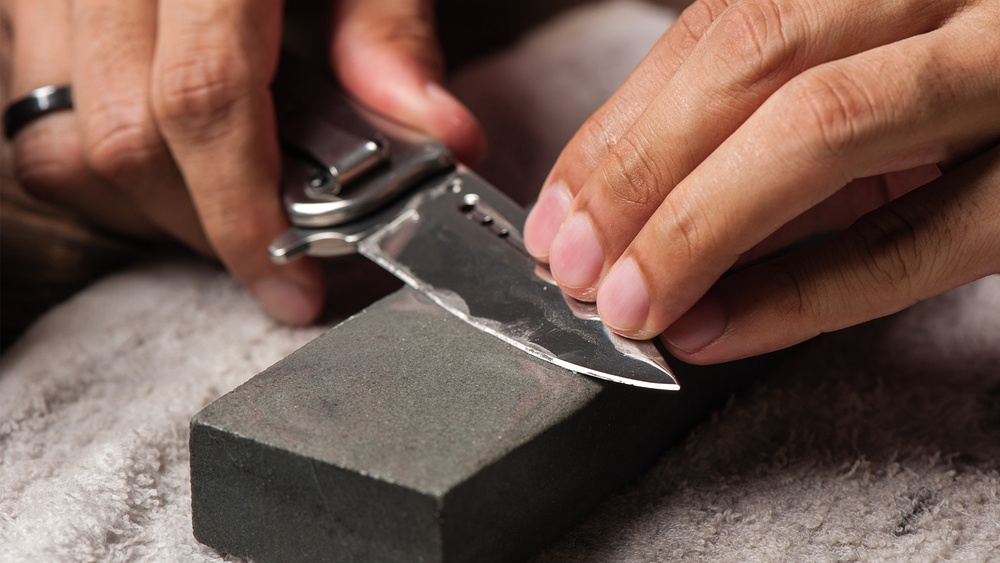
A sharp hunting knife is more than just a tool—it is your reliable partner in the field. Whether you are cleaning game, preparing food, or making shelter, a dull blade will only slow you down and increase the risk of accidents.
Many hunters underestimate the importance of proper sharpening, thinking a quick touch-up is enough. In reality, a well-honed knife can make all the difference in both performance and safety. This guide explains how to sharpen a hunting knife using clear techniques, the right tools, and practical tips that work in real situations.
Table of Contents
Why A Sharp Hunting Knife Matters?
A sharp hunting knife offers several benefits. First, it requires less force to cut, making tasks easier and reducing fatigue. Second, it is safer; sharp blades are more predictable and less likely to slip. Third, a sharp edge ensures clean cuts, which are important for game processing and food preparation.
Dull knives, on the other hand, can make your work messy and even damage the hide or meat. Statistics from the National Safety Council show that most knife-related injuries happen with dull blades, not sharp ones. Keeping your knife sharp is both a matter of efficiency and safety.
Understanding Knife Blade Types
Before sharpening, it helps to know the type of blade you have. Most hunting knives use either a straight edge or a partially serrated edge. Each requires a different approach.
- Straight edge: This is the most common hunting knife blade. It has a smooth edge that is easy to sharpen.
- Partially serrated edge: This blade has a smooth section and a serrated section. The smooth part can be sharpened with a stone, while the serrated section needs a special rod or tool.
The blade’s material also affects sharpening. Most hunting knives are made from stainless steel or carbon steel. Stainless steel resists rust but is harder to sharpen. Carbon steel sharpens easily but needs regular oiling to prevent rust.
Essential Tools For Sharpening
Using the right tools is crucial. Here are the most common sharpening tools for hunting knives:
- Sharpening stones (whetstones): Available in various grits, they are reliable for most knives.
- Diamond stones: Faster than regular stones, they work well on tough steels.
- Ceramic rods: Good for finishing and keeping an edge between major sharpening.
- Sharpening systems: Guided kits that keep the angle consistent.
- Honing steel: Maintains the edge but does not sharpen a dull blade.
Below is a comparison of popular sharpening tools for hunting knives:
| Tool | Speed | Ease of Use | Best For |
|---|---|---|---|
| Whetstone | Medium | Moderate | All blade types |
| Diamond Stone | Fast | Easy | Hard steels |
| Ceramic Rod | Slow | Easy | Finishing touch |
| Sharpening System | Medium | Very easy | Beginners |
Many beginners overlook the importance of using the correct grit. Coarse grits (200–400) fix damaged edges, medium grits (800–1000) are for regular sharpening, and fine grits (3000+) polish the blade. Starting with the wrong grit can wear the blade unevenly.
Setting The Correct Sharpening Angle
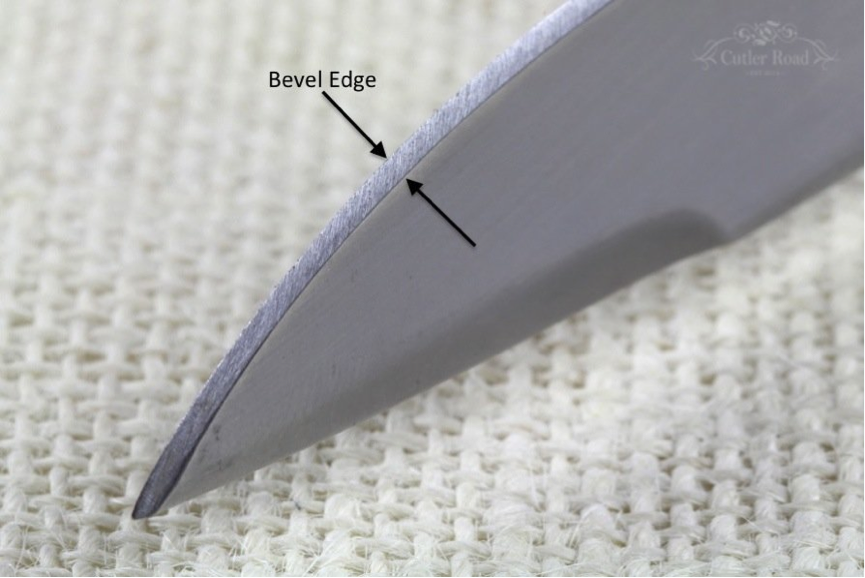
The sharpening angle is a critical factor. Most hunting knives perform best at an angle between 20 to 25 degrees. A smaller angle (15–18 degrees) results in a sharper but weaker edge, while a larger angle (25–30 degrees) gives a stronger but less sharp edge. For most hunting tasks, 20–25 degrees offers a good balance of sharpness and durability.
Many people make the mistake of changing the angle during sharpening. This leads to inconsistent edges and poor performance. Some sharpening kits come with angle guides, which are useful for beginners. If you are freehand sharpening, hold the blade steady and check the angle regularly.
How To Sharpen A Hunting Knife With A Whetstone?
Sharpening with a whetstone is reliable and gives great results. Here is how to do it:
- Soak the stone: If using a water stone, soak it in water for 10–15 minutes. Oil stones need a few drops of honing oil instead.
- Secure the stone: Place the stone on a non-slip surface. A damp towel underneath works well.
- Set the angle: Hold the knife at a 20–25 degree angle to the stone.
- Sharpen one side: Starting at the heel, move the blade across the stone in a sweeping motion toward the tip. Apply gentle, even pressure.
- Repeat on the other side: Flip the knife and repeat the same number of passes.
- Use finer grit: Once you form a burr (a slight edge on the blade), switch to a finer stone to polish the edge.
- Clean and dry: Wipe the blade and stone after sharpening.
A common beginner’s mistake is pressing too hard. Let the stone do the work. Excess pressure can remove too much metal and create an uneven edge.
Using Sharpening Systems And Rods
Some hunters prefer sharpening systems for their consistency. These kits hold the knife at a fixed angle, making it easier to get a uniform edge. They often include multiple stones for different grits. To use a system, clamp the knife, select the right grit, and run the stone or rod along the edge as guided.
For serrated edges, use a ceramic rod that fits the size of the serrations. Move the rod back and forth in each groove, maintaining the original angle.
Honing And Maintenance
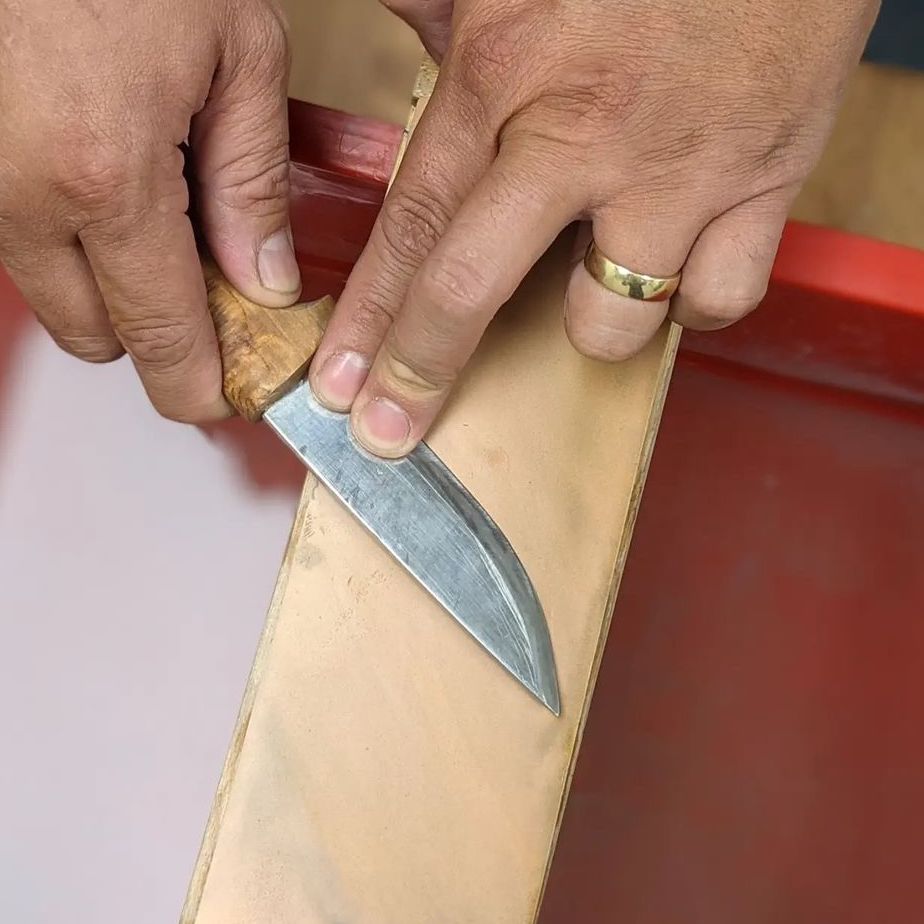
Sharpening restores the edge, but honing keeps it aligned. A honing steel does not remove much metal—it straightens the edge between sharpening sessions. Use it every few uses to extend the time between full sharpening.
Here’s a quick guide on when to hone versus sharpen:
| Condition | Action | Frequency |
|---|---|---|
| Slightly dull edge | Hone | After every use |
| Edge feels blunt | Sharpen | Every few weeks |
| Edge has chips | Repair & Sharpen | As needed |
Many people ignore regular honing, causing their knives to wear out faster. Honing is a simple way to keep your knife working at its best with minimal effort.
Testing The Sharpness
There are simple ways to check if your hunting knife is sharp enough:
- Paper test: Hold a piece of paper and slice through it. A sharp knife will cut cleanly with little resistance.
- Thumb test: Gently run your thumb across (not along) the edge. A sharp blade will feel smooth yet “bite” slightly.
- Shaving test: The blade should shave small curls from your arm hair. This is not always necessary for field use, but it shows a high level of sharpness.
If the knife fails these tests, repeat the sharpening process using a finer grit.

Common Mistakes To Avoid
Sharpening a hunting knife is simple, but small mistakes can lead to poor results. Here are some errors to watch for:
- Wrong angle: Changing the angle creates an uneven edge.
- Too much pressure: Removes too much material and can round the edge.
- Skipping grits: Jumping from coarse to fine grit misses critical smoothing steps.
- Ignoring burrs: Not removing the burr weakens the edge.
- Not cleaning tools: Metal shavings can build up and damage the stone or knife.
Beginners often try to rush the process. Taking your time and using the right technique will lead to better, longer-lasting results.
Field Sharpening: Keeping Your Knife Sharp Outdoors
When you’re hunting or camping, you might not have access to full sharpening kits. Small pocket stones or compact sharpeners are practical for quick fixes in the field. They are easy to carry and can restore an edge well enough for immediate use.
To use a pocket stone:
- Wet the stone if possible.
- Hold the blade at the correct angle.
- Make a few passes on each side.
- Clean the blade before use.
Remember that field sharpening is for maintenance, not full restoration. Plan to do thorough sharpening when you return home.
Caring For Your Hunting Knife After Sharpening
A sharp knife needs proper care to stay in good condition. After sharpening:
- Clean the blade: Remove any metal dust with a damp cloth.
- Dry completely: Moisture can cause rust, especially on carbon steel.
- Oil the blade: A light coat of mineral oil prevents rust and corrosion.
- Store properly: Keep the knife in a dry sheath or case. Avoid storing in leather for long periods, as it can trap moisture.
Regular maintenance not only keeps your knife sharp but also extends its lifespan.
Comparing Knife Sharpening Tools: Pros And Cons
For those still choosing a sharpening method, here is a summary of the main options:
| Tool | Pros | Cons |
|---|---|---|
| Whetstone | Precise, versatile, affordable | Requires practice, slower process |
| Diamond Stone | Fast, durable, works on hard steel | More expensive, can wear blade if overused |
| Ceramic Rod | Good for touch-ups, easy to use | Not for damaged edges, slow sharpening |
| Sharpening System | Consistent results, beginner-friendly | Bulkier, higher cost |
| Pocket Sharpener | Portable, quick fixes | Not for full sharpening, less precise |
The choice depends on your skill level, budget, and how often you use your hunting knife.
Frequently Asked Questions
How Often Should I Sharpen My Hunting Knife?
This depends on use, but for most hunters, sharpening every few weeks is enough. If you use your knife often or for heavy tasks, check the edge more regularly. Honing after each use will help you sharpen less frequently.
What Is The Best Angle To Sharpen A Hunting Knife?
A 20–25 degree angle is ideal for most hunting knives. This range balances sharpness with edge durability. Some specialty knives may require a different angle, so check the manufacturer’s recommendation if available.
Can I Use An Electric Sharpener For My Hunting Knife?
Electric sharpeners work quickly but can remove too much material if not used carefully. They are best for kitchen knives or if you have experience. Manual methods like stones or guided systems are safer for valuable hunting knives.
Why Does My Knife Get Dull Quickly Even After Sharpening?
This can happen if you are sharpening at the wrong angle, using too coarse a grit, or not removing the burr completely. Also, cutting on hard surfaces like bone or stone can dull the edge faster. Regular honing and proper storage help maintain sharpness.
Is There A Difference Between Sharpening And Honing?
Yes. Sharpening removes metal to restore the edge, while honing realigns the edge without removing much material. Honing should be done often, sharpening only when the knife is truly dull.
Final Word
A sharp hunting knife is essential for any serious outdoorsman. With the right tools and techniques, you can keep your blade in top condition, making your work easier and safer. Remember, patience and attention to detail matter more than expensive gear. Proper sharpening is a skill that will serve you well for a lifetime.

Leave a Reply