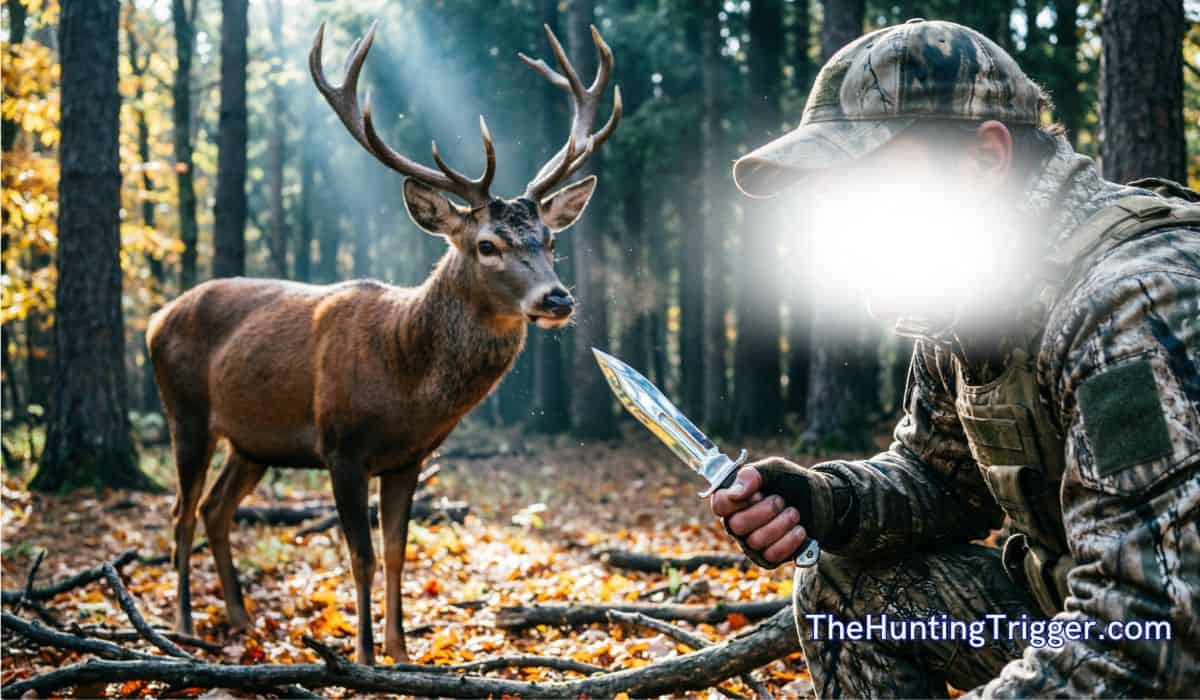
Hunting has always been a part of human history. Before guns and bows, people relied on simple tools, often just a sharp edge, to bring down animals. Today, when most people think of hunting, they imagine rifles or compound bows. Yet, some still ask: Can you hunt with a knife? The answer is both yes and no, depending on laws, technique, ethics, and safety. For those interested in primitive hunting methods or survival situations, using a knife may seem appealing. But it comes with serious risks and responsibilities. This article explains what knife hunting involves, when it is legal, the dangers, and why it is rarely practiced today.
Table of Contents
What Does Knife Hunting Mean?
Knife hunting is the act of using only a knife as a weapon to kill wild game. The knife serves as the primary tool for taking down the animal. This does not include finishing off an animal wounded with another weapon; it means the entire hunt relies on the knife. Usually, hunters attempt to get very close to their target before striking.
There are two main types of knife hunting:
- Active pursuit: The hunter stalks and attacks the animal directly, trying to make a clean kill with the knife.
- Dog-assisted: Specially trained dogs chase and hold the animal, often a wild boar, so the hunter can use the knife at close range.
Most modern knife hunting stories come from the second method, especially in the southern United States, South America, and parts of Europe.
What should you wear for hunting
Is Knife Hunting Legal?
The legality of hunting with a knife depends on the country, state, and animal species. Many places have strict laws about what weapons are allowed for hunting, and knives are often not on the approved list.
Laws In The United States
- Most states prohibit knife hunting for large game like deer, elk, or bear. Firearms or bows are required by law in these cases.
- Some states make exceptions for feral hogs or non-native species. For example, Texas allows hunting wild hogs with knives, especially on private land.
- Using dogs to help in hog hunting with knives is legal in parts of the South, but rules vary by county.
International Laws
- In Canada and Europe, knife hunting is generally illegal except in certain controlled environments or for pest control.
- In South America, particularly in Brazil and Argentina, knife hunting is a traditional method for wild boar, but it is regulated to protect animal welfare.
Why Are There So Many Restrictions?
Most laws limit knife hunting because of concerns for animal suffering and hunter safety. A knife is not seen as a humane way to quickly and reliably kill a large animal. In many places, using a knife alone is viewed as unnecessary cruelty or a public safety risk.
The Reality Of Hunting With A Knife
Knife hunting is not like what you see in movies. It requires extreme skill, knowledge of animal behavior, and close physical contact with dangerous animals.
Physical Demands
- Hunters must get very close, sometimes within arm’s length, of the animal.
- Fast reflexes and strong nerves are needed, as animals fight back.
- Injuries are common, especially when hunting wild boar, which have sharp tusks.
Suitable Animals
A knife is effective only for certain game:
- Wild hogs: The most common target for knife hunting. They are aggressive and can be held by dogs.
- Small game: Rarely hunted with knives, as other methods are more effective.
- Deer, elk, and bear: Not recommended and usually illegal, as these animals are too large and dangerous.
Success Rates
The chance of a successful hunt with a knife is much lower than with firearms or bows. Many attempts end in failure or injury.
Reasons People Hunt With A Knife
Even though it is rare, some hunters still choose to use knives. Their reasons include:
- Tradition: In some cultures, knife hunting is a rite of passage or a test of courage.
- Challenge: Some hunters seek the thrill and skill required to get close enough for a knife kill.
- Management: In areas with overpopulated wild hogs, knife hunting may be seen as a way to control numbers.
- Survival practice: Preppers or survivalists may want to test their skills in case they ever need to rely on a knife.
Knife hunting is not popular among mainstream hunters. Most people choose safer, more humane methods.
Tools And Equipment For Knife Hunting
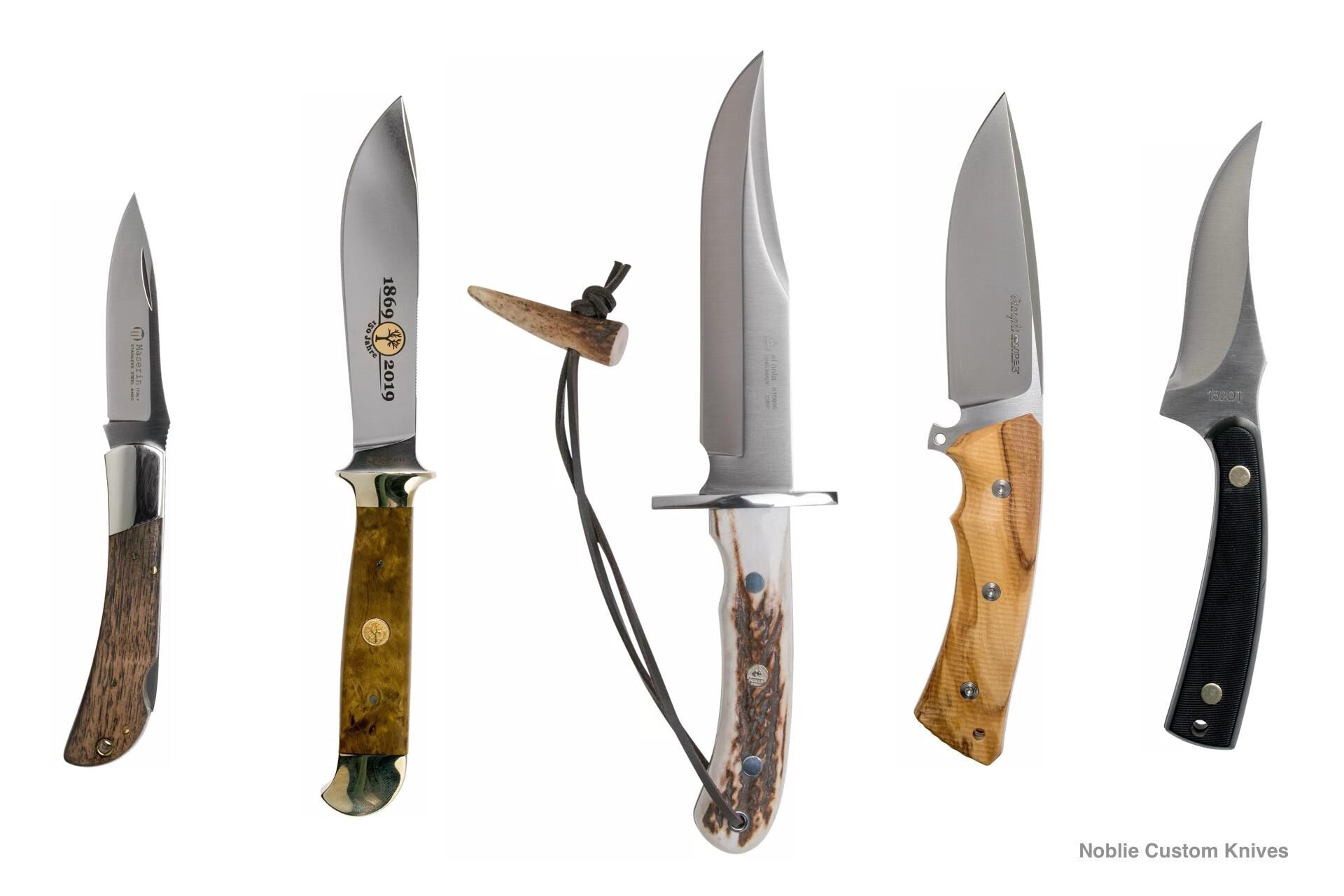
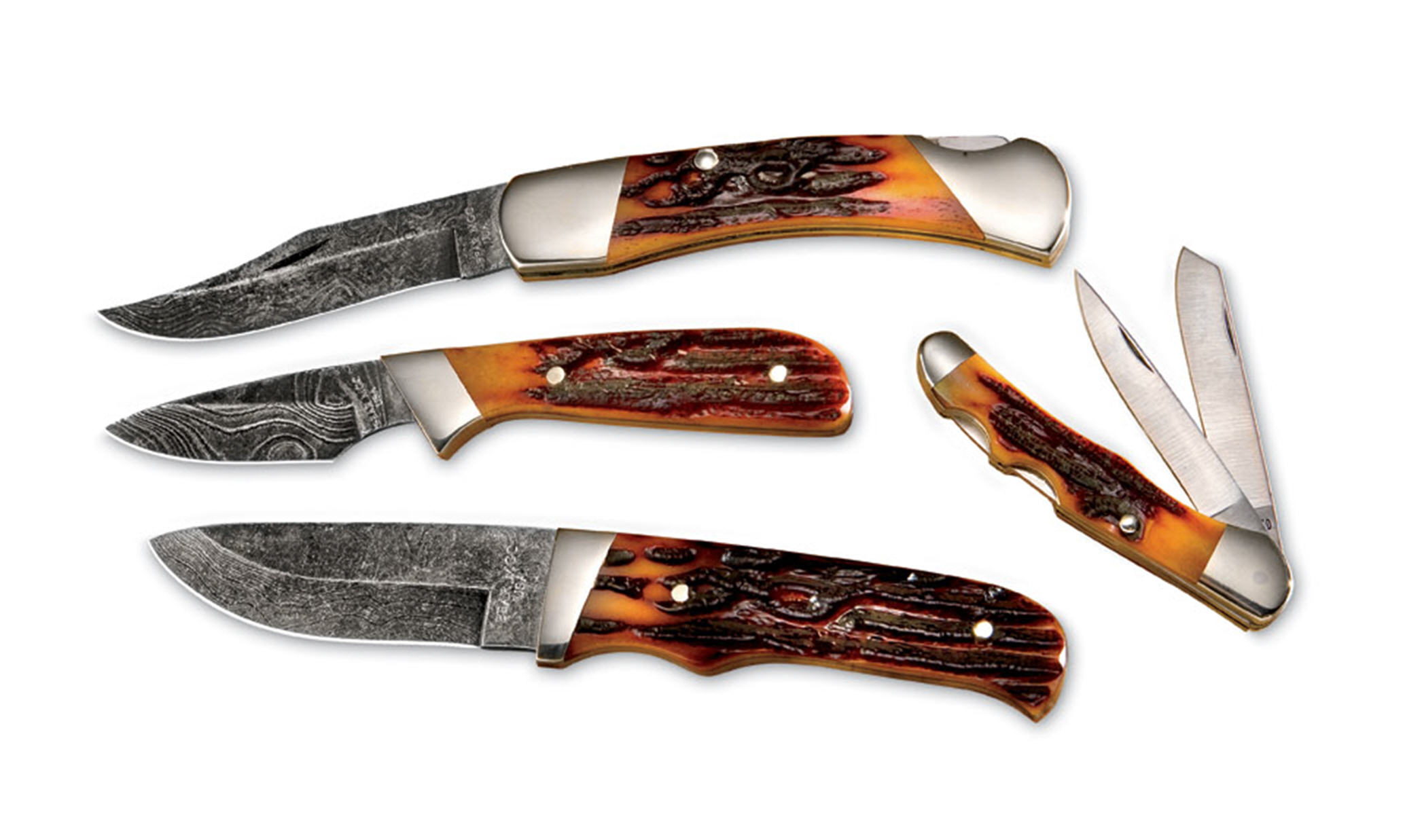
A regular kitchen knife will not work for hunting. Specialized knives are made for this purpose.
Features Of A Good Hunting Knife
- Blade length: Usually 6–10 inches.
- Strong, full tang: The metal of the blade runs through the whole handle for strength.
- Non-slip grip: Helps prevent accidents when hands are wet or bloody.
- Sharp point: Needed for quick, deep penetration.
Here is a comparison of common knife types used in hunting:
| Knife Type | Blade Length | Main Use | Strength |
|---|---|---|---|
| Bowie Knife | 8–12 inches | Large game, wild hogs | Very strong |
| Drop Point Knife | 4–6 inches | Skinning, small game | Strong |
| Spear Point Knife | 6–8 inches | Piercing, fighting | Medium |
Protective Gear
Hunters who use knives often wear:
- Thick gloves: To protect from bites or tusks
- Body armor or vests: Especially when hunting wild boar
- Sturdy boots and pants: For safety in rough terrain
Methods And Techniques
Hunting with a knife is about getting close without being detected. There are two main approaches:
Stalking
- Move slowly and quietly toward the animal.
- Use cover and wind direction to avoid being seen or smelled.
- Wait for the right moment to strike, aiming for vital areas.
Using Dogs
- Dogs track and chase the animal, often wild boar.
- Once the animal is cornered or held, the hunter approaches quickly.
- The goal is to make a fast, accurate stab to the heart or lungs.
Most successful knife hunts use trained dogs. Solo knife hunting is extremely risky and rarely ends well.
Risks And Dangers
Knife hunting is one of the most dangerous forms of hunting.
For Hunters
- Serious injury or death: Wild boars can weigh over 200 pounds and have sharp tusks.
- Accidents: Poor visibility, adrenaline, and close contact lead to mistakes.
- Infections: Animal bites or cuts can become infected quickly.
For Animals
- Prolonged suffering: If the hunter misses the vital organs, the animal may die slowly.
- Missed kills: It is easier for animals to escape, leading to wounded, suffering game.
For Others
- Dog injuries: Hunting dogs are often hurt or killed by wild animals.
- Public safety: Close-quarters hunting with knives is dangerous in areas where people or livestock are nearby.
Ethics And Animal Welfare
The hunting community debates the ethics of knife hunting. Most modern hunters and wildlife groups argue that it is less humane than using guns or bows, which can kill from a distance and with more certainty.
Key Concerns
- Quick, clean kill: Many hunters believe a knife is too unreliable for this goal.
- Respect for animals: Long chases and close fighting can cause stress and pain for the animal.
- Fair chase: Some see dog-assisted knife hunting as unfair because the animal has little chance to escape.
Some people, especially in traditional cultures, defend knife hunting as a test of skill and bravery. But most wildlife agencies discourage the practice.
Modern Alternatives To Knife Hunting
For those interested in challenging hunting methods, there are safer and more ethical options:
- Bowhunting: Requires skill and close approach, but arrows can kill quickly and humanely.
- Primitive weapons: Spears or atlatls are legal in some areas and also offer a challenge.
- Trapping: In some regions, trapping is used for pest control, but must follow strict rules.
Here is a comparison of close-range hunting methods:
| Method | Effective Range | Humane Kill | Legal Status (US) |
|---|---|---|---|
| Knife | Arm’s length | Low | Rarely legal |
| Bow | 10–40 yards | High (with skill) | Legal (with license) |
| Spear | 5–15 yards | Medium | Legal (some states) |
Common Mistakes And Misconceptions
Many beginners make the mistake of underestimating the challenge and risk of knife hunting. A few common errors include:
- Thinking it’s easy: Movies and stories often make it look simple. In reality, it’s physically demanding and dangerous.
- Using the wrong knife: Not all knives are strong enough. Using a kitchen or folding knife can lead to accidents.
- Ignoring legal rules: Many do not check local laws before trying this method, risking fines or jail time.
- Poor preparation: Not having the right safety gear or medical supplies can be fatal if things go wrong.
A less obvious point: Adrenaline can lead to poor judgment. Hunters may take risks they wouldn’t normally consider, putting themselves and their dogs in danger. Another mistake is underestimating the animal—wild boars and large animals are stronger and faster than many expect.
Real-world Examples
- In Texas, knife hunting for wild hogs is a legal and practiced method. Many hunters use packs of dogs to pin the hog, then move in with a Bowie knife. Injuries are common, but some hunters see it as a badge of honor.
- In Brazil, knife hunting is part of rural culture. However, regulations are increasing due to concerns for animal welfare.
A notable case was covered by the BBC, where a hunter narrowly survived an attack by a wounded boar. The story highlights the risks and the debate about whether the thrill is worth the cost to both hunter and animal.
Frequently Asked Questions
Is It Legal To Hunt Deer With A Knife?
In most places, hunting deer with a knife is illegal. Laws require the use of firearms or bows to ensure a quick, humane kill. Always check local regulations before considering any hunting method.
What Is The Most Common Animal Hunted With A Knife?
Wild hogs are the most common animals hunted with knives, especially in the southern United States and South America. Their aggressive nature and status as pests make them a frequent target.
Is Knife Hunting More Dangerous Than Other Types Of Hunting?
Yes, knife hunting is much more dangerous. The hunter must get very close to a wild animal that can fight back. Injuries to hunters and dogs are common, and there is a higher risk of infection from bites or cuts.
Do You Need Special Training To Hunt With A Knife?
Special training is strongly recommended. Hunters should learn from experienced guides, understand animal behavior, and practice with their equipment. This is not a method for beginners or those without physical strength and quick reflexes.
Are There Ethical Ways To Hunt With A Knife?
Most wildlife experts agree that knife hunting is not the most ethical method. It is difficult to guarantee a quick, humane kill, and the risks to both hunter and animal are high. Safer and more humane alternatives are available for those seeking a challenge.
Last Word
Knife hunting is a controversial and often misunderstood practice. While it has roots in tradition and survival, modern laws and animal welfare standards limit its use. Those interested in primitive hunting methods should consider the risks, legal issues, and ethical questions before attempting it.
In most cases, safer and more effective options exist for both the hunter and the animal.

Leave a Reply