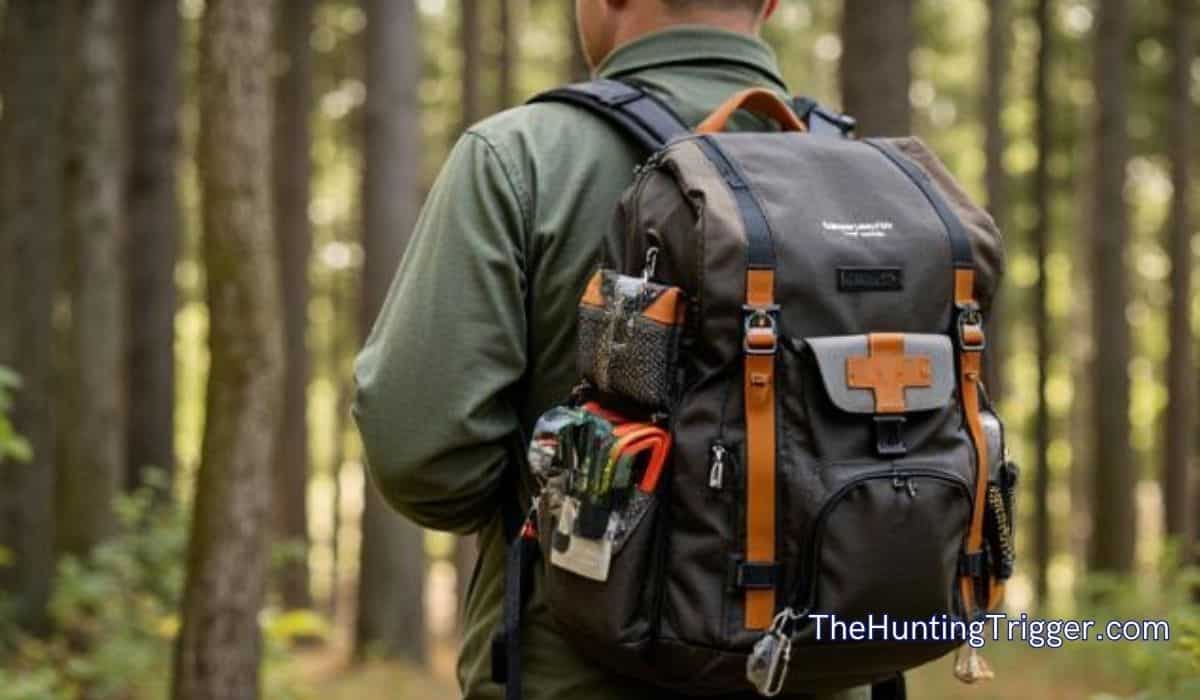
Choosing the right hunting backpack can make or break your experience in the wild. A good pack holds your gear securely, distributes weight evenly, and keeps you comfortable for hours. Hunters often carry heavy loads, face rough terrain, and need quick access to essentials.
Picking a pack without careful thought leads to sore shoulders, lost gear, and frustration. In this article, you’ll find practical guidance on what matters most when selecting a hunting backpack, with clear comparisons and real-world advice.
Table of Contents
The Role Of A Hunting Backpack
A hunting backpack is more than a bag. It’s a tool for carrying gear, food, water, weapons, and sometimes meat from your hunt. It must handle tough conditions, protect contents from weather, and help you move easily. Hunters often hike long distances, so the backpack’s fit, features, and durability are critical.
Some packs are designed for short trips, others for multi-day hunts. The right choice depends on your hunting style, terrain, and what you need to carry.
Key Factors When Choosing A Hunting Backpack
Capacity And Size
The first thing to check is capacity. This means how much the pack can hold, usually measured in liters or cubic inches. For day hunts, a pack between 1,500–2,500 cubic inches (about 25–40 liters) is enough. For overnight or multi-day hunts, you may need 3,000–6,000 cubic inches (50–100 liters).
Here’s a comparison of typical backpack sizes:
| Trip Length | Capacity (Cubic Inches) | Recommended Use |
|---|---|---|
| Day Hunt | 1,500–2,500 | Water, food, first aid, basic gear |
| 1–2 Nights | 2,500–4,000 | Extra clothing, shelter, more gear |
| 3+ Nights | 4,000–6,000 | All essentials, meat hauling |
Choosing a pack that’s too small means you’ll leave important gear behind. Too big, and you carry extra weight.
Fit And Comfort
Comfort is essential. Check if the backpack has adjustable shoulder straps, a padded hip belt, and a sternum strap. These features help distribute weight and reduce strain. The pack should fit your torso length, not just your height. Many brands offer packs in different sizes, or adjustable frames.
A common mistake is ignoring the hip belt. It should sit on your hips, not above or below. This lets your legs carry most of the weight, not your shoulders. Try the pack loaded before buying to check the comfort.
Material And Durability
Hunting often means rough terrain, sharp branches, and wet weather. Look for rugged materials like Cordura nylon or polyester, which resist tears and abrasion. Water resistance matters too. Many packs have a rain cover or are treated with a waterproof coating.
Zippers are a weak point. Choose packs with heavy-duty zippers and reinforced stitching. Packs with a warranty show the company stands by its durability.
Organization And Access
Good organization saves time. Packs with multiple compartments, side pockets, and hydration sleeves help you keep gear sorted. Some packs have special pockets for optics, knives, or GPS units. Quick-access pockets for snacks or maps are useful.
Top-loading packs are common, but panel-loading designs let you open the pack like a suitcase, which is faster for finding gear. Meat hauling packs often have a separate compartment for game.
Here’s a comparison of organization features:
| Feature | Benefit | Common Use |
|---|---|---|
| Side pockets | Easy access | Water bottles, small gear |
| Hydration sleeve | Hands-free drinking | Hydration bladder storage |
| Panel loading | Fast access | Sorting gear, quick retrieval |
Weight
The pack’s own weight matters, especially if you hike far. Lightweight materials help, but don’t sacrifice durability. For day packs, 2–3 pounds is typical. Larger packs may weigh 4–7 pounds empty. Consider your total load: backpack weight plus gear.
Meat Hauling Capability
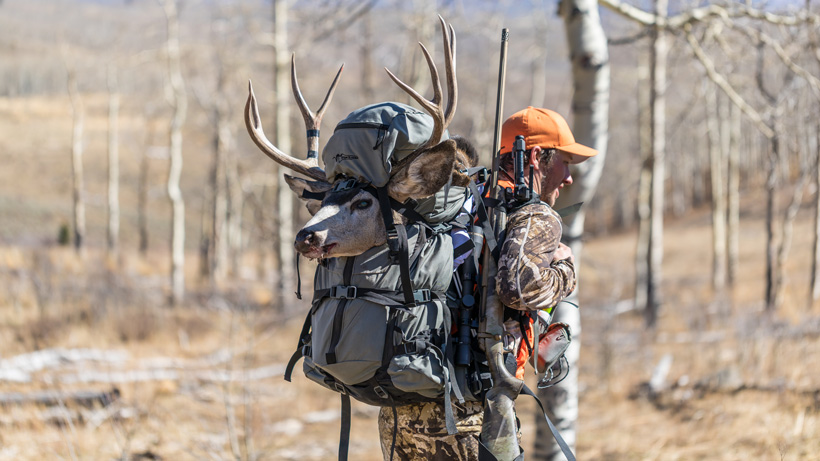
If you plan to carry game meat, choose a pack with meat hauling features. These usually include a expandable main compartment, removable frame, or load shelf. Some packs let you carry meat between the frame and the bag, keeping it separate from other gear.
Here’s a look at meat hauling systems:
| Type | How It Works | Best For |
|---|---|---|
| Internal frame | Meat carried inside pack | Small game, short hauls |
| External frame | Meat carried outside bag | Large game, long hauls |
| Load shelf | Meat sits between frame & bag | Versatile, heavy loads |
Weapon Carry System
Many hunting backpacks include a rifle or bow holder. This lets you keep your hands free while hiking. Some packs use straps, others have dedicated sleeves. Make sure the weapon stays secure, but is still easy to access.
Noise And Camouflage
Wild animals notice noise and movement. Choose packs with quiet materials and silent zippers. Camouflage patterns help blend with surroundings. Avoid packs with shiny or bright parts.
Price And Value
Hunting backpacks range from $50 to $500 or more. Price depends on size, materials, brand, and features. More expensive packs often last longer and offer better comfort. However, don’t pay for features you won’t use. Set a budget, but focus on value, not just price.
Brand Reputation And Warranty
Brands with a strong reputation often provide better quality and support. Look for user reviews, expert opinions, and warranty length. A long warranty signals durability and confidence.
Comparing Popular Hunting Backpack Models
Here’s a brief comparison of three well-known hunting backpacks:
| Model | Capacity | Weight | Meat Hauling | Price Range |
|---|---|---|---|---|
| Badlands Superday | 1,950 cu in | 3 lbs | No | $220 |
| ALPS OutdoorZ Commander | 5,250 cu in | 7 lbs | Yes | $150 |
| Stone Glacier Sky 5900 | 5,900 cu in | 4.2 lbs | Yes | $630 |
Each model suits a different need. The Badlands is good for day hunts, ALPS for multi-day and meat hauling on a budget, Stone Glacier for light weight and high capacity.
Common Mistakes When Choosing A Hunting Backpack
- Ignoring fit: Many hunters buy packs based on looks or price, not fit. A poor fit leads to pain and fatigue.
- Choosing the wrong size: Packs too big or small mean missing gear or carrying extra weight.
- Overlooking durability: Cheap materials tear easily and don’t last.
- Skipping meat hauling features: If you hunt large game, a regular pack won’t handle meat.
- Not testing loaded packs: Packs feel different when empty. Always check with gear inside.
Two Non-obvious Insights
- Torso length is more important than height: Many beginners think their height decides backpack size. Actually, your torso length (shoulder to hip) matters more. Measure this before buying.
- Weight distribution changes with packed gear: The way you load your pack affects balance and comfort. Heavy items should sit close to your back and near the center. This keeps weight stable and reduces strain.
How To Try Before You Buy?
If possible, visit a store and load the pack with weights similar to your gear. Walk around, climb stairs, and adjust straps. Pay attention to pressure points and balance. If buying online, check return policies and sizing guides.

When To Upgrade Your Hunting Backpack?
You may need a new backpack if:
- Your current pack is uncomfortable after a few hours.
- It cannot hold all your gear for longer hunts.
- It shows signs of wear like broken zippers or torn fabric.
- You start hunting larger game and need meat hauling features.
Practical Tips For Packing
- Use dry bags for electronics and clothing to protect from moisture.
- Keep first aid and snacks in outer pockets for quick access.
- Distribute weight evenly; put heavy items close to your spine.
- Attach gear externally only if necessary, to avoid snagging.
- Check your pack before each trip for damage or missing parts.
Trusted Brands To Consider
Some brands known for quality hunting backpacks include:
- Badlands
- Mystery Ranch
- ALPS OutdoorZ
- Stone Glacier
- Eberlestock
Frequently Asked Questions
What Size Hunting Backpack Do I Need For A Day Hunt?
For a day hunt, a backpack with 1,500–2,500 cubic inches (25–40 liters) is usually enough. This holds water, food, basic gear, and a first aid kit. If you carry bulky items or extra clothing, choose the larger end of this range.
How Do I Measure My Torso Length For Backpack Fit?
Stand straight and measure from the base of your neck (the bump at the back) to the top of your hip bones. Use this length to choose a pack with an adjustable frame or the right size for your body.
Are Hunting Backpacks Waterproof?
Most hunting backpacks are water-resistant, not fully waterproof. They repel light rain but may leak in heavy downpours. Many packs include a rain cover or use waterproof treatments. For electronics and clothing, use dry bags inside the pack.
Can I Use A Regular Hiking Backpack For Hunting?
You can use a hiking backpack, but hunting packs offer features like meat hauling, weapon holders, and camouflage. Hiking packs lack these, so consider your needs before choosing.
What’s The Best Way To Pack A Hunting Backpack?
Put heavy items near your back and close to the center. Use outer pockets for small or quick-access items. Keep gear sorted and avoid overloading. Balance the weight to prevent sore shoulders and back pain.
Final Word
Finding the right hunting backpack takes careful thought. Comfort, capacity, durability, and special features matter most. Avoid common mistakes, measure your torso, and pick a model that fits your hunting style. A well-chosen backpack lets you focus on the hunt—not your gear.


Leave a Reply