Heading out for a hunting trip means careful planning. One of the first questions many ask is whether a regular backpack can handle the demands of hunting. At first, it seems like any bag will do. But as you pack gear, hike long distances, and face changing weather, you realize that your choice can affect your comfort and safety.
Most hunters use special backpacks designed for the activity. These packs offer features made for carrying game, managing heavy loads, and keeping gear organized. Still, some people prefer regular backpacks for reasons like cost or familiarity. Let’s examine what happens when you use a standard bag for hunting, and what you need to think about before making that decision.
Table of Contents
What Makes A Backpack “regular”?
A regular backpack usually means a bag made for school, travel, or daily use. These bags come in many sizes and shapes, but they share some common traits:
- Simple design with one or two main compartments
- Basic straps and padding
- Lightweight materials
- Limited pockets and organization
They are not built to carry odd-shaped items, heavy loads, or meat from hunted animals. Some brands focus on style or convenience rather than durability or support.
What Does A Hunting Backpack Offer?
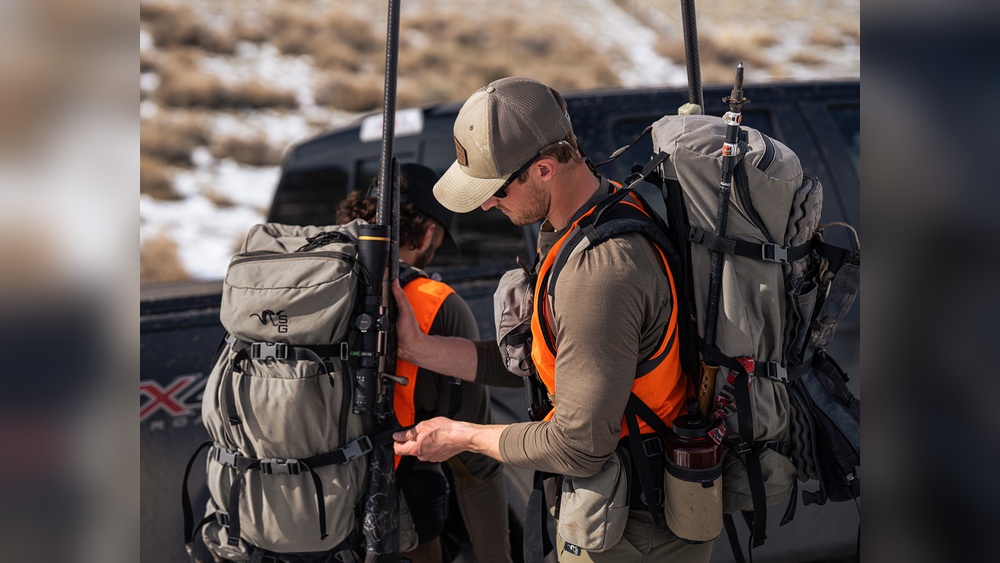
Hunting backpacks are built for the rough demands of the wild. Hunters need to carry gear for several hours or days, including food, water, weapons, extra clothing, and sometimes meat. Key features of hunting backpacks include:
- Heavy-duty fabric that resists tears and weather
- Extra padding and support for carrying weight
- Multiple compartments for easy access to gear
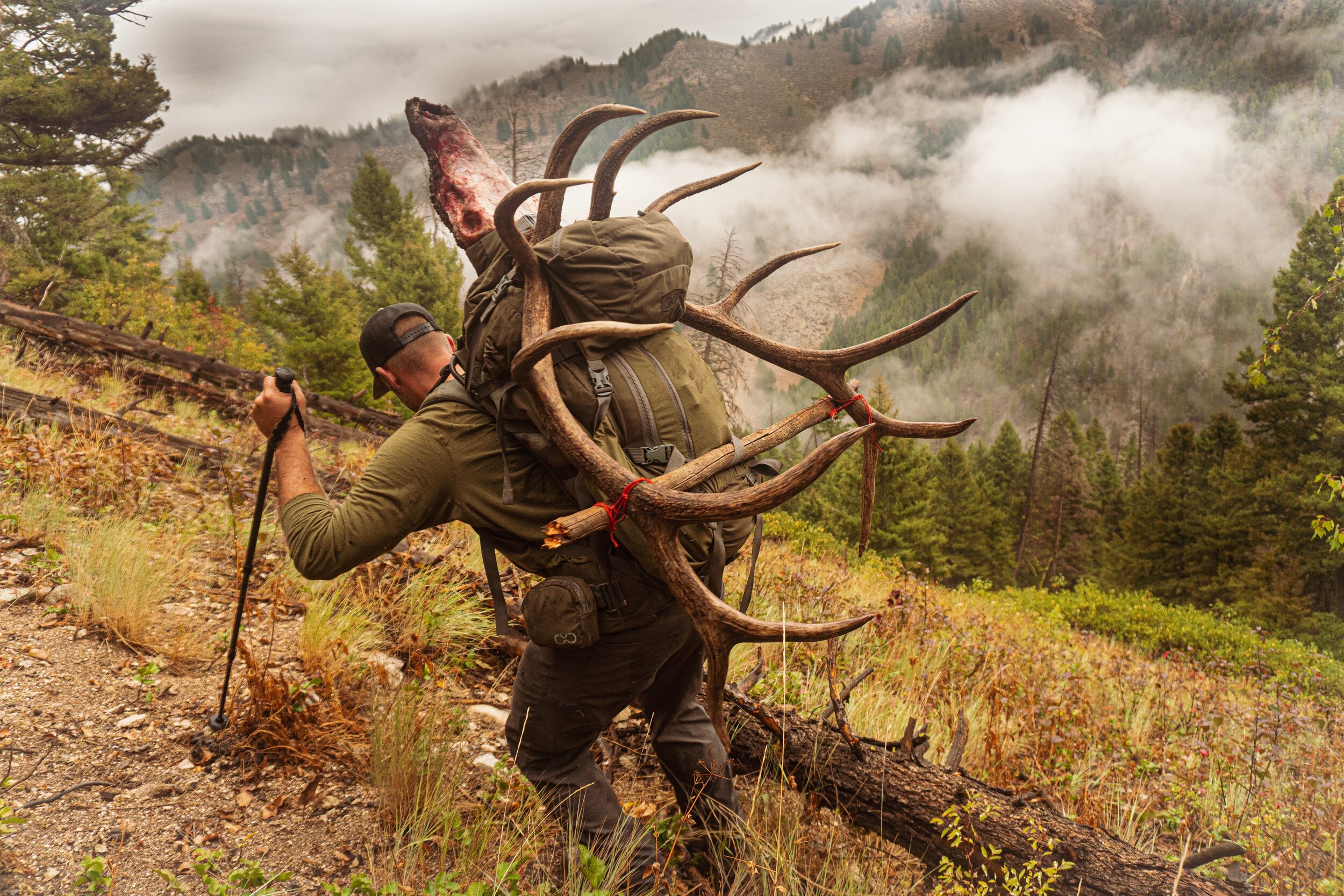
- Meat hauling system for carrying game
- Camouflage patterns to blend in
Let’s compare the main features:
| Feature | Regular Backpack | Hunting Backpack |
|---|---|---|
| Material | Light nylon or polyester | Thick, rugged fabric |
| Capacity | 15-40 liters | 40-80 liters |
| Support | Basic shoulder straps | Padded straps, hip belt, frame |
| Special features | Few, mostly for school/work | Meat shelf, rifle holder, hydration system |
| Weather resistance | Limited | Waterproof or water-resistant |
Pros And Cons Of Using A Regular Backpack For Hunting
Advantages
- Lower cost: Regular backpacks are usually cheaper than hunting packs.
- Easy to find: You can buy them at most stores.
- Simple design: Less complicated pockets and straps.
- Lightweight: Good for short trips or light loads.
Disadvantages
- Limited capacity: Hard to carry all hunting gear or meat.
- Poor support: Can cause back pain if overloaded.
- Not durable: May tear or fail in rough terrain.
- No special features: Missing key tools like rifle holders, hydration sleeves.
- Visibility: Bright colors can scare animals.
When you use a regular backpack, you may need to adapt. For example, you might carry less gear, avoid rough areas, or leave meat behind.
Can you use a thermal scope during deer season
When Is A Regular Backpack Enough?
There are times when a regular backpack can work for hunting. Here are a few examples:
- Short day hunts: If you only need water, snacks, and basic gear, a small bag is fine.
- Small game hunting: For rabbits or birds, you won’t need to haul heavy loads.
- Beginner trips: If you are just starting and testing the hobby, you don’t have to buy expensive gear.
However, for multi-day trips, big game hunting, or remote areas, a regular backpack may not be safe or comfortable.
Example: Day Hunt For Squirrels
A hunter plans to spend four hours in the woods. They carry:
- Water bottle
- Small snack
- Binoculars
- Pocket knife
- Extra jacket
A regular backpack can handle this load. There’s no need for a meat shelf or special straps.
Risks And Problems To Watch Out For
Hunting is often unpredictable. Here are some issues you may face with a standard backpack:
- Shoulder strain: Heavy loads without hip support can cause pain.
- Broken zippers: Cheap bags may fail when packed full.
- Wet gear: Most regular bags are not waterproof.
- Gear loss: Fewer pockets mean things get mixed up or lost.
- Noise: Some backpacks make sounds when moving, which can scare animals.
Real hunters often mention that after one or two trips with a regular bag, they look for something better.
| Problem | Chance with Regular Backpack | Chance with Hunting Backpack |
|---|---|---|
| Shoulder pain | High | Low |
| Bag tearing | Medium to High | Low |
| Wet gear | High | Low |
| Lost items | Medium | Low |
How To Make A Regular Backpack Work For Hunting?
Some people cannot buy a hunting backpack right away. If you must use a regular bag, here are some ways to improve your experience:
- Pack light: Only take what you truly need.
- Use dry bags: Put gear inside waterproof bags to protect from rain.
- Add foam padding: Use shirts or towels to pad straps and reduce pain.
- Secure gear: Tie extra items to the outside using carabiners or straps.
- Choose dull colors: Pick green, brown, or black to avoid scaring animals.
- Organize with pouches: Put small items in zip pouches to avoid losing them.
- Check weight often: Keep the load under 20% of your body weight.
Example: Upgrading A School Backpack
A hunter uses an old school bag for deer hunting. They:
- Remove bright patches
- Add a rain cover
- Put foam in shoulder straps
- Use zip pouches for ammo and snacks
This makes the bag safer and more useful, but not perfect.
Which Nightforce scope is best for beginners
Comparing Costs: Regular Vs Hunting Backpacks
Price is a big factor. Regular backpacks cost between $20-$60. Hunting backpacks can range from $80-$300 for basic models and up to $500 for advanced ones.
| Type | Average Price | Main Features |
|---|---|---|
| Regular Backpack | $20-$60 | Simple, light, basic support |
| Entry Hunting Backpack | $80-$150 | Rugged, extra pockets, hip belt |
| Advanced Hunting Backpack | $200-$500 | Meat shelf, frame, waterproof, rifle holder |
For those new to hunting, it’s smart to start with what you have. But if you hunt often, investing in a proper backpack will pay off.
Real Experiences: Hunters Share Their Stories
Some hunters report that their first trips with a regular backpack were uncomfortable. One hunter said they had to carry meat in their hands because the bag tore after two hours. Another mentioned back pain after a long hike.
However, others managed short trips with small loads without major issues. They often recommend moving to a hunting backpack once you are sure about the hobby.
A non-obvious insight: Many beginners focus on the size of the bag, but the most important factor is support. Hip belts and frames reduce pain and help you stay longer in the field.
Another tip: Even with a regular backpack, always test it at home. Load it with your gear and walk around for an hour. If you feel pain or the bag sags, it’s not ready for hunting.

Alternatives To Regular Backpacks
If you cannot buy a hunting backpack, consider these options:
- Military surplus bags: Often rugged and cheap, with better support than regular bags.
- Hiking backpacks: These offer strong straps and frames, though not made for meat hauling.
- Fanny packs or chest packs: Useful for carrying small gear on short hunts.
Each choice has its limits, but they can bridge the gap while you save for a hunting pack.
When To Upgrade To A Hunting Backpack?
If you notice these signs, it’s time to switch:
- You hunt big game like deer or elk.
- Your trips last more than one day.
- You carry more than 20 pounds of gear.
- Your current bag tears or causes pain.
Upgrading is not only about comfort. It can also protect your gear and improve your hunting success.
Which rifle offers the best accuracy for elk hunting

Frequently Asked Questions
Is It Safe To Use A Regular Backpack For Hunting?
It depends on your trip. For short, light hunts, it’s mostly safe. But for longer or more demanding hunts, it can cause pain, gear loss, or even injury if overloaded.
Will A Regular Backpack Carry Meat From Hunting?
Most regular backpacks cannot handle meat. Their fabric and design are not made for heavy, wet, or odd-shaped loads. You may need to carry meat by hand or make several trips.
Can I Use A Regular Backpack For Hunting In Rainy Weather?
Regular backpacks are rarely waterproof. Your gear may get wet. Use dry bags or a rain cover, but even then, a hunting backpack is better for keeping gear safe.
What Should I Pack In A Regular Backpack For Hunting?
Keep it simple. Water, snacks, small first aid kit, extra layer of clothing, and basic tools like a knife or flashlight. Avoid heavy or bulky items.
Are Military Backpacks Good For Hunting?
Military surplus bags are tougher than regular backpacks and offer better support. They are not designed for hunting but can handle rough terrain and heavier loads.
Last Word
Choosing the right backpack for hunting is not just about cost. Think about safety, comfort, and how much gear you need. While a regular backpack can work for simple trips, it often falls short for serious hunting. If you plan to hunt more often or carry heavy loads, a hunting backpack is a wise investment.
Your gear, your back, and your hunting success depend on it.

Leave a Reply