
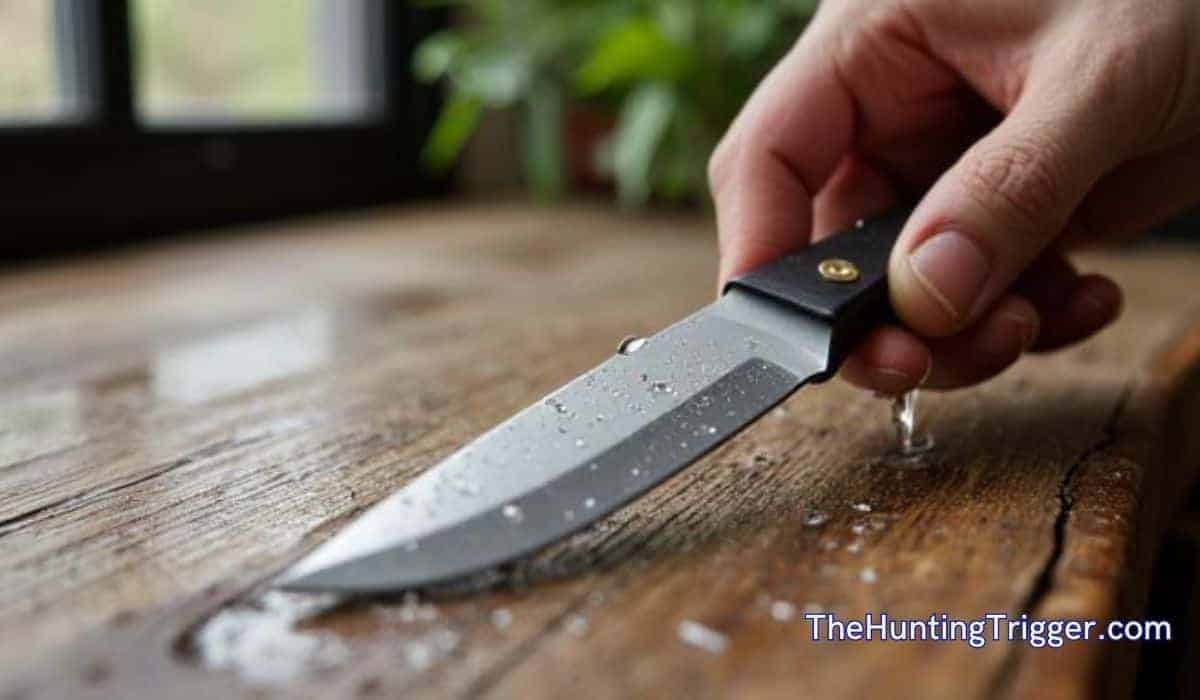
Cleaning a hunting knife isn’t just about keeping it shiny. It’s a matter of safety, performance, and durability. After a hunting trip, your knife can pick up blood, fat, dirt, and moisture. If left uncleaned, these can lead to rust, dullness, or even breakage.
Many hunters don’t realize that proper cleaning makes a big difference in how long their knife lasts and how well it works. This guide covers everything you need to know about cleaning a hunting knife, from the best materials to common mistakes, so your blade stays reliable for years.
Table of Contents
Why Cleaning Your Hunting Knife Matters?
A hunting knife is a trusted tool. It’s used for field dressing, skinning, and cutting through tough materials. After each use, especially after processing game, the blade can be exposed to blood, tissue, and moisture. These substances are acidic and can corrode metal if not removed.
Besides rust, leftover grime can harbor bacteria, which is a health risk.
According to a study by the National Knife Museum, knives that are cleaned and dried after each use last about 40% longer than those neglected. Clean knives also keep their sharpness better, meaning you spend less time sharpening and more time hunting.
Essential Tools And Supplies
You don’t need expensive gear to clean your hunting knife, but having the right items helps. Here’s what you’ll want:
- Mild dish soap or specialized knife cleaner
- Soft sponge or microfiber cloth
- Cotton swabs for tight spots
- Warm water
- Toothbrush (for stubborn grime)
- Lubricating oil (food-safe if you use your knife for food)
- Paper towels or dry cloth
- Rust eraser (for small rust spots)
- Plastic or wooden stick (for scraping, not metal)
Having these on hand makes cleaning faster and safer. Avoid using steel wool or harsh chemicals, which can scratch or damage the blade.
Cleaning Process For Hunting Knives
Cleaning can be simple if you follow these steps. It’s important to act soon after use, especially if your knife has been exposed to blood or moisture.
1. Prepare Your Workspace
Choose a stable surface. Lay down paper towels or a cleaning mat. Make sure you have good lighting.
2. Rinse The Blade
Hold the knife by the handle and rinse the blade under warm water. This helps remove loose debris. Don’t soak the knife, especially if it has a wooden handle, as too much water can damage it.
3. Apply Soap And Clean
Put a drop of mild dish soap on your sponge or cloth. Gently rub both sides of the blade. For dried blood or tough bits, use a toothbrush. Work carefully near the edge to avoid cuts.
For Folding Knives:
Open the knife fully. Use cotton swabs to clean inside the handle and around the pivot. Dirt often hides in these spots.
4. Scrape Off Stubborn Material
If you find sticky fat or dried tissue, use a plastic or wooden stick to scrape gently. Never use metal tools; they scratch the blade.
5. Dry Thoroughly
Water is the enemy of steel. After cleaning, dry the knife right away with a clean cloth or paper towel. Make sure no moisture remains, especially near the handle and inside any folding mechanism.
6. Remove Rust Spots
If you see small rust spots, use a rust eraser. Rub gently until the rust disappears. Don’t press too hard, or you’ll scratch the blade.
7. Apply Oil
Once dry, add a drop of lubricating oil to the blade and moving parts (for folding knives). Spread it with a cloth. This protects the steel from moisture and keeps the mechanism smooth.
8. Store Safely
Keep your knife in a dry place. Avoid leather sheaths for long-term storage, as leather can trap moisture. A plastic or nylon sheath works better for storage.
Cleaning Different Knife Materials
Not all hunting knives are made the same. Some blades are carbon steel; others are stainless steel. The handle might be wood, plastic, or metal. Each needs a slightly different approach.
| Material | Cleaning Notes | Common Problems |
|---|---|---|
| Carbon Steel | Dry quickly after washing; apply oil to prevent rust | Rust, discoloration |
| Stainless Steel | Less prone to rust, but still dry and oil after cleaning | Pitting, dullness |
| Wood Handle | Do not soak; wipe with damp cloth, oil occasionally | Warping, cracking |
| Plastic Handle | Can handle more water; dry before storing | Staining |
| Metal Handle | Dry and oil to prevent corrosion | Rust |
If you’re unsure about your knife’s material, check the manufacturer’s guide. Some knives have coatings, which need gentle cleaning.
Safe Cleaning Practices
Cleaning a hunting knife can be dangerous if you’re not careful. The blade is sharp, and slippery surfaces can cause accidents. Here are some tips:
- Use gloves: Thin rubber gloves protect your hands.
- Keep blade away from you: Always wipe away from your body.
- Don’t rush: Take your time. Most accidents happen when people hurry.
- Lock folding knives: If your knife has a lock, make sure it’s engaged before cleaning.
- Work on a flat surface: Never clean in your lap.
Following these practices prevents injuries and keeps your knife in good shape.
How Often Should You Clean?
Frequency depends on use. If you process game or cut through tough materials, clean right after each use. For light use, like cutting rope or opening packages, wipe the blade and deep clean once a week.
Hunters who clean after every outing report fewer problems with rust and dullness. A survey by KnifeForums found that 74% of users who cleaned their knives regularly had blades last more than 10 years.

Common Mistakes And How To Avoid Them
Cleaning a hunting knife seems simple, but some mistakes can shorten its life or make it unsafe.
- Using harsh cleaners: Strong chemicals can damage metal and handle.
- Soaking the knife: Water seeps into handles and pivots, leading to rust.
- Scrubbing with steel wool: Scratches the blade and removes protective coatings.
- Ignoring the handle: Dirt and bacteria build up in the handle, causing odor and damage.
- Storing in leather sheaths: Leather holds moisture, increasing rust risk.
- Skipping oiling: Without oil, blades rust and moving parts stick.
Avoiding these mistakes keeps your hunting knife reliable.
Deep Cleaning For Tough Jobs
Sometimes, regular cleaning isn’t enough. After heavy use, you may need a deeper clean. This is true if you’ve processed several animals, dropped your knife in mud, or noticed heavy rust.
1. Disassemble (if Possible)
Some knives can be taken apart. If your model allows, remove the handle and clean each piece. Use cotton swabs for small parts.
2. Use Specialized Cleaners
For tough stains or rust, use a knife-specific cleaner. Make sure it’s safe for your blade’s material.
3. Inspect For Damage
Look for chips, cracks, or loose screws. Fix these before reassembling.
4. Reassemble And Oil
Once clean, put the knife back together and oil all moving parts.
Comparing Cleaning Methods
Different methods suit different situations. Here’s a comparison of quick cleaning versus deep cleaning.
| Method | Time Required | Best For | Tools Needed |
|---|---|---|---|
| Quick Cleaning | 5-10 minutes | Light dirt, after each use | Soap, sponge, cloth |
| Deep Cleaning | 30-60 minutes | Heavy grime, rust, after tough jobs | Special cleaner, rust eraser, cotton swabs |
Quick cleaning keeps your knife ready for action. Deep cleaning extends its life and performance.
Practical Tips For Hunters
Hunters often face tough environments. Here are some practical tips to make cleaning easier:
- Carry a small cleaning kit on trips: A compact bottle of soap, cloth, and oil.
- Clean immediately after use: Blood and fat are easier to remove before they dry.
- Choose knives with easy-to-clean designs: Simple handles and blades mean less work.
- If water is scarce, use alcohol wipes: They disinfect and remove grime.
- Oil the blade before storage: Especially in humid climates.
Many hunters miss these simple steps, but they prevent most problems.
Signs Your Knife Needs Cleaning
Sometimes it’s easy to forget, but your knife gives warning signs:
- Sticky blade: Hard to open or close.
- Dull edge: Needs more sharpening.
- Rust spots: Orange or brown marks.
- Smell: Bad odors from the handle or blade.
- Visible grime: Blood, fat, or dirt buildup.
If you notice any of these, clean your knife right away.
Maintenance Beyond Cleaning
Cleaning is just one part of caring for your hunting knife. Proper maintenance includes:
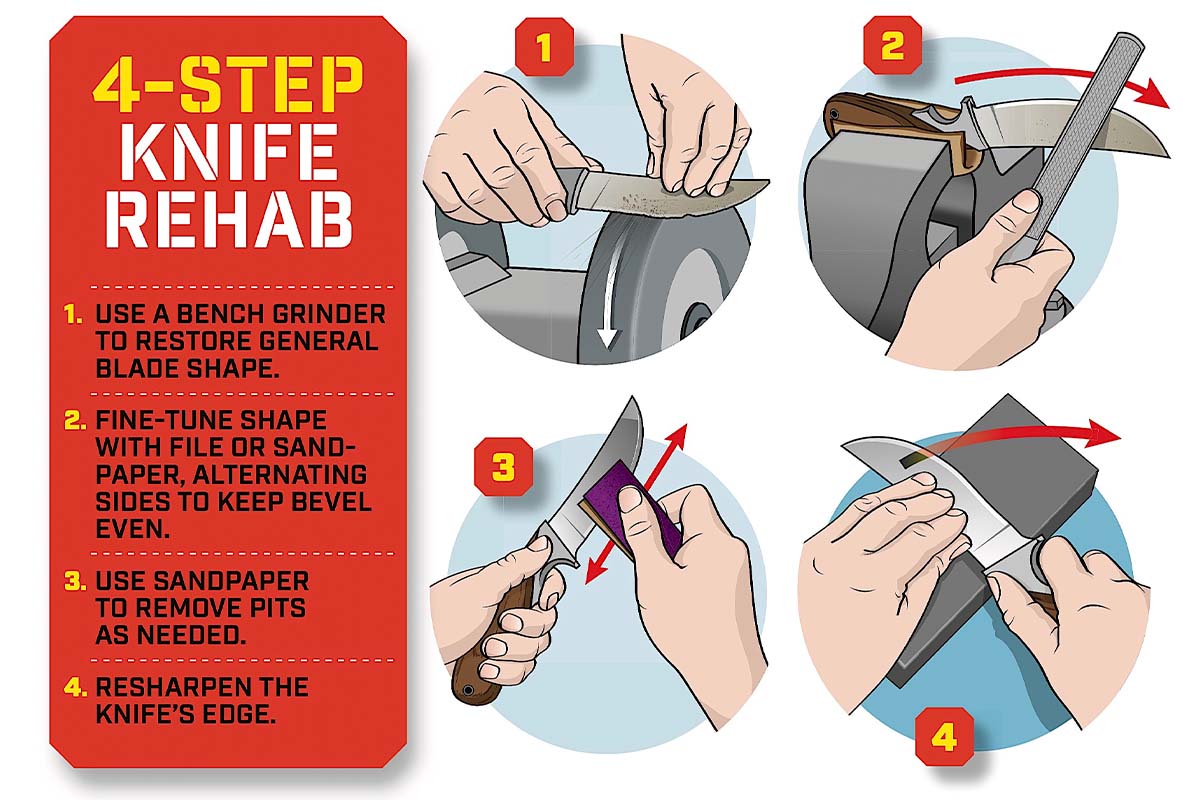
- Sharpening: Use a whetstone or sharpening tool as needed.
- Oiling: Protects from rust and keeps moving parts smooth.
- Storing safely: Dry, cool places are best. Avoid leaving knives in cars or outdoors.
- Inspecting regularly: Look for loose screws, cracks, or chips.
A well-maintained knife is safer and more effective. It also saves money—less frequent replacement means lower costs.
Comparing Popular Hunting Knife Brands
Different brands use different materials and designs. Here’s a comparison of three popular brands:
| Brand | Blade Material | Ease of Cleaning | Average Lifespan |
|---|---|---|---|
| Buck Knives | Stainless Steel | Easy | 10-15 years |
| Gerber | High Carbon Steel | Moderate | 8-12 years |
| Benchmade | Stainless/Coated | Easy (coated blades need gentler cleaning) | 12-18 years |
Choosing the right brand and material makes cleaning simpler and extends your knife’s life.
Frequently Asked Questions
How Do I Prevent Rust On My Hunting Knife?
Keep your knife dry and oil the blade after every cleaning. Store it in a dry place, and avoid leather sheaths for long-term storage.
Can I Use Alcohol To Clean My Hunting Knife?
Yes, alcohol wipes work well for quick cleaning, especially in the field. They disinfect and remove blood and fat, but always dry and oil the blade afterward.
Is It Safe To Clean A Hunting Knife In A Dishwasher?
No, dishwashers use harsh detergents and high heat, which can damage the blade and handle. Always wash by hand.
What Type Of Oil Should I Use?
Use food-safe lubricating oil if your knife is used for food. Mineral oil or specialized knife oil works well for most blades.
How Often Should I Deep Clean My Hunting Knife?
Deep cleaning is needed after heavy use, visible rust, or if the knife has processed game. For regular use, once every few months is enough.
Last Word
Cleaning your hunting knife is simple but important. A well-cared-for blade gives you safer, better performance and lasts longer. By following these tips, you make sure your knife stays ready for every hunt.

Leave a Reply