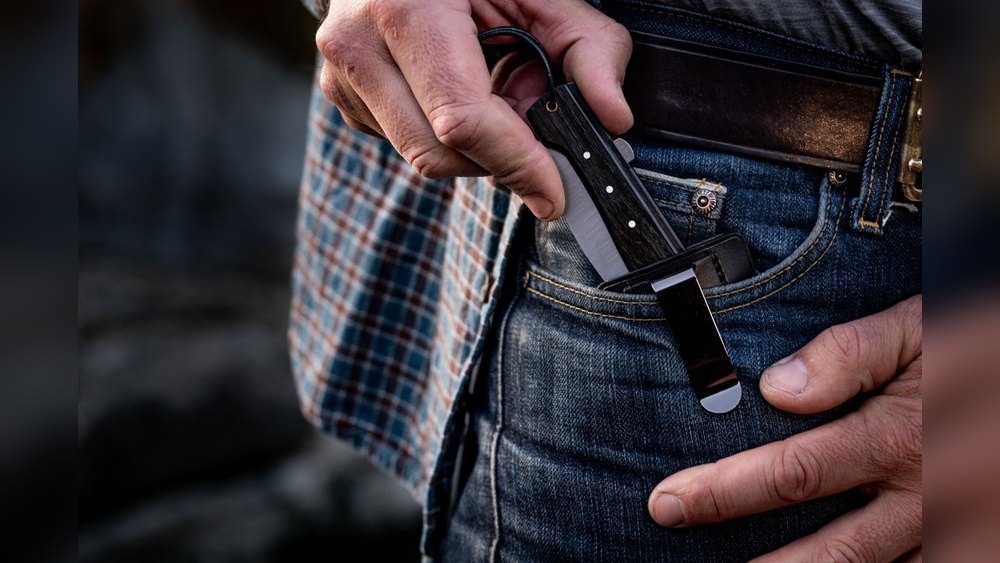
Carrying a hunting knife on your belt can be practical for outdoor activities, but the rules and risks are not always clear. Many people wonder if they can legally wear a hunting knife in public, or if it could get them into trouble.
This article explains the laws, safety tips, and real-world factors you must consider before attaching a hunting knife to your belt. Whether you are a hunter, camper, or simply want to carry a tool for protection, knowing the details can help you avoid mistakes and stay safe.
Table of Contents
Hunting Knife Laws: What You Need To Know
The first thing to check before carrying a hunting knife on your belt is your local laws. Rules change from one state to another, and even from city to city. In the United States, knife laws are mainly decided at the state level, but some cities have extra restrictions.
Many states allow people to carry a fixed-blade knife like a hunting knife for outdoor activities. However, some places limit the blade length or require the knife to be carried openly. For example, in California, you can carry a fixed-blade knife on your belt, but it must be visible. Concealing a fixed-blade knife is illegal in most public places.
Here are three common legal rules you may face:
- Blade length limits: Some states set maximum blade lengths. For instance, in Texas, knives over 5.5 inches are banned in schools and certain locations.
- Open carry vs. concealed carry: In many places, you can carry a hunting knife openly, but hiding it under clothing is not allowed.
- Restricted locations: Carrying knives in schools, government buildings, or airports is usually forbidden.
Check the laws for your specific state and city. Ignorance of the law does not protect you from fines or arrest. You can find detailed information for each state from official websites or from trusted sources like the American Knife and Tool Institute.
Why People Carry Hunting Knives
A hunting knife is not just for hunters. Many people carry one for camping, hiking, fishing, or survival situations. It can help with cutting rope, food, or preparing wood. For some, a hunting knife is also a personal safety tool.
Here are some reasons people carry hunting knives:
- Outdoor tasks: Cutting branches, cleaning fish, or preparing food while camping.
- Safety and self-defense: Feeling safer in wild areas or remote locations.
- Tradition: Some families pass down hunting knives as part of their outdoor culture.
A hunting knife is useful, but it comes with responsibilities. Misusing or mishandling a knife can cause injury or legal trouble.
Comparing States: Knife Laws Across The U.s.
Knife laws can be confusing, especially when you travel. To show the differences, here is a comparison of three states known for strict and loose knife laws.
| State | Maximum Blade Length | Open Carry | Concealed Carry | Restricted Areas |
|---|---|---|---|---|
| California | No limit for fixed-blade | Allowed (must be visible) | Not allowed | Schools, government buildings |
| Texas | 5.5 inches (certain places) | Allowed | Allowed | Schools, bars, airports |
| New York | 4 inches | Allowed | Limited (depends on local law) | Schools, public transport |
This table shows that laws are not the same everywhere. Always check the rules for your destination before carrying a hunting knife.
Common Mistakes People Make
Many beginners think that carrying a hunting knife is simple. In reality, mistakes can lead to fines or even arrest. Here are the most frequent errors:
- Not checking local laws: Assuming state laws are enough, but city rules can be stricter.
- Concealing the knife: Wearing the knife under a jacket or shirt may be illegal.
- Ignoring restricted areas: Entering schools, airports, or federal buildings with a hunting knife.
- Using the knife in public: Taking out a hunting knife in public, even for innocent reasons, can alarm people and cause legal trouble.
- Carrying oversized knives: Many states limit blade length; carrying a larger knife can result in confiscation or charges.
Many people forget that laws change over time. Always check for updates before you travel or carry a hunting knife.
Safety Tips For Carrying A Hunting Knife
A hunting knife is sharp and can cause injuries if handled carelessly. Safe carrying and handling are important, both for your own safety and for those around you.
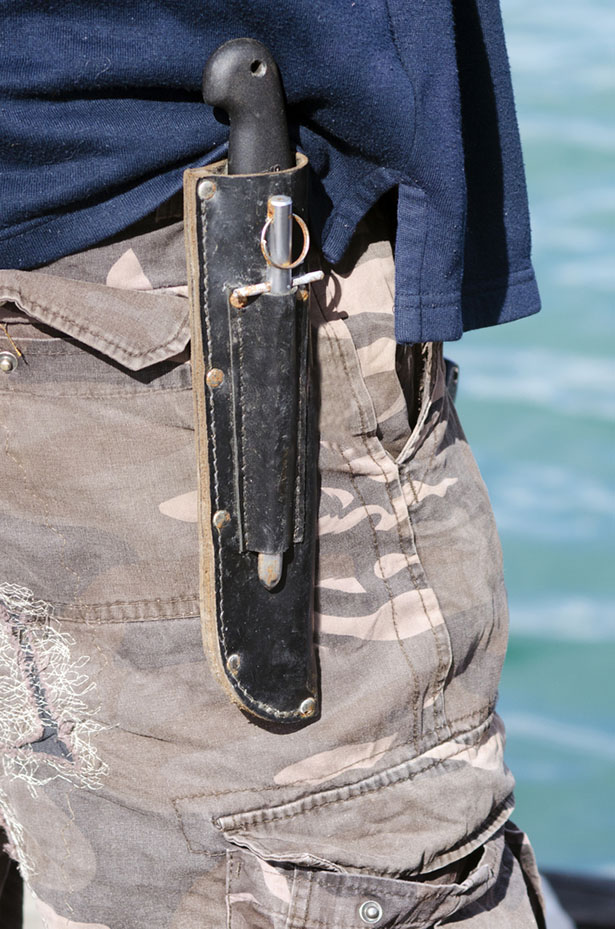
- Use a secure sheath: Always keep your knife in a strong sheath to prevent accidents.
- Wear on the outside of clothing: This shows you are not hiding the knife and makes it easy to access.
- Keep out of reach of children: Never leave your knife where children can find it.
- Avoid showing off: Do not draw attention to your hunting knife in public places.
- Check the knife regularly: Make sure the blade and sheath are in good condition.
For those new to carrying knives, practicing safe handling at home can prevent mistakes outdoors.
Types Of Hunting Knives And Their Uses
Not all hunting knives are the same. The shape, size, and design affect how you can carry and use them. Here is a comparison of three popular hunting knife types.
| Knife Type | Blade Shape | Common Use | Carry Method |
|---|---|---|---|
| Drop Point | Rounded tip | Skinning, general cutting | Belt sheath |
| Clip Point | Sharp, clipped tip | Detail work, slicing | Belt sheath |
| Gut Hook | Hooked tip | Cleaning game | Belt sheath |
Choosing the right knife depends on your needs. For general outdoor use, a drop point is popular. If you need more control, a clip point may suit you better.

When Carrying A Hunting Knife Is Not Allowed?
Even in states with loose laws, there are places and situations where carrying a hunting knife is not allowed. These rules often protect public safety.
- Schools: Almost all states ban knives in schools.
- Airports: Carrying knives through airport security will result in confiscation or arrest.
- Government buildings: Courthouses and other official buildings usually ban knives.
- Bars and nightclubs: Many states ban knives in places where alcohol is served.
- Public transport: Buses, trains, and stations often have strict rules.
Ignoring these rules can lead to serious trouble. If you are unsure, leave your hunting knife at home.
Factors To Consider Before Carrying A Hunting Knife
Before attaching a hunting knife to your belt, think about these key points:
- Purpose: Why are you carrying the knife? If it is for camping, hiking, or fishing, it is usually allowed. For self-defense, the rules may be stricter.
- Size and design: Larger knives attract more attention and are more likely to break laws.
- Visibility: Wearing the knife openly on your belt helps avoid accusations of hiding a weapon.
- Location: Urban areas are less tolerant than rural or wilderness areas.
- Age and background: Minors and people with criminal records may face extra restrictions.
Many beginners overlook the importance of blade design. Some knives with aggressive shapes or tactical features may be banned even if the blade length is legal.
Real-life Examples And Statistics
Knife-related arrests are more common than many think. According to the FBI’s Uniform Crime Reporting, over 10,000 knife-related arrests happen annually in the U. S. Most are due to carrying knives in restricted locations or not following local laws.
A recent survey by the American Knife and Tool Institute found that over 60% of knife owners were unaware of local blade length laws. This lack of knowledge is a main cause of legal problems.
For example:
- In New York City, carrying a hunting knife longer than 4 inches can result in a fine of up to $300.
- In California, hiding a fixed-blade knife can lead to misdemeanor charges.
- In Texas, a hunter was arrested for carrying a knife over 5.5 inches in a school zone, even though he was passing through for a hunting trip.
These cases highlight the need to check laws before carrying a hunting knife.
How Law Enforcement Views Hunting Knives
Police and security officers pay attention to how knives are carried. If a knife is visible and you explain its purpose, you are less likely to face problems. Acting nervous or hiding the knife increases suspicion.
Officers may ask about:
- Why you are carrying the knife
- Where you are going
- How you are carrying it
Showing respect and staying calm helps. If you have a hunting license or are camping, mention it. Avoid arguing or trying to hide the knife.
Comparison: Hunting Knife Vs. Other Knives
Some people confuse hunting knives with pocket knives or tactical knives. The rules often change depending on the type.
| Knife Type | Blade Length | Typical Laws | Carry Method |
|---|---|---|---|
| Hunting Knife | 3–6 inches | Open carry, restrictions in public | Belt sheath |
| Pocket Knife | 2–4 inches | Often allowed, some restrictions | |
| Tactical Knife | 4–7 inches | Strict in urban areas | Belt, tactical gear |
Hunting knives are usually allowed for outdoor use, but tactical knives may face stricter bans because they look like weapons.
Where To Find Reliable Information
Finding accurate knife laws can be difficult. Many websites offer outdated or wrong information. The best sources are official state government websites and organizations like the American Knife and Tool Institute.
Final Thoughts
Carrying a hunting knife on your belt is often legal for outdoor activities, but laws and safety rules must be followed. Mistakes can be costly, so always check your local laws, use a secure sheath, and avoid carrying knives in restricted areas.
Understanding the purpose, size, and design of your knife is key to staying safe and legal. If you are unsure, ask local authorities or check official resources. Being informed and careful lets you enjoy the benefits of a hunting knife without risk.
Frequently Asked Questions
Can I Carry A Hunting Knife In My Car?
In most states, carrying a hunting knife in your car is allowed if the knife is used for outdoor activities. However, the knife should be stored safely and not easily accessible. Some states require the knife to be visible or kept in a locked container.
Is It Legal To Carry A Hunting Knife For Self-defense?
Laws about carrying knives for self-defense are strict. Some states allow it, but others ban knives for this reason. Using a hunting knife as a weapon can result in criminal charges. Always check your state’s rules.
What Is The Maximum Blade Length Allowed?
Blade length limits change by state and city. Many places allow knives up to 4–5. 5 inches for outdoor use, but schools and other public places may have stricter limits. Check local laws before carrying a hunting knife.
Can Minors Carry Hunting Knives?
Most states ban minors from carrying hunting knives unless supervised by adults during hunting or camping. Some places require a hunting license or parental permission. Always check age restrictions.
What Should I Do If Stopped By Police While Carrying A Hunting Knife?
Stay calm and explain your reason for carrying the knife (camping, hunting, etc. ). Show the knife is carried safely and legally. Do not hide or argue. If the officer asks, show your hunting license or permit.

Leave a Reply