As the chill of autumn whispers promises of the hunt, anticipating the New York deer season is a ritual for thousands. For 2026-2027, preparation is key. Navigating the New York State Department of Environmental Conservation (DEC)‘s complex and annually updated deer hunting regulations can be challenging, often leaving hunters uncertain about season dates, licensing, and specific rules that vary by region.
This comprehensive and trusted guide provides a complete roadmap for the New York deer season 2026 2027, arming you with the reliable information you need to plan, prepare, and embark on a successful and compliant hunt. We’ll demystify the regulations, highlight crucial dates (as projected), and offer expert insights to enhance your experience.
Understanding the Framework: New York Deer Season 2026-2027 Regulations
📤 Share Image
For hunters eyeing the New York deer season 2026 2027, a foundational understanding of the state’s regulatory structure is paramount. New York State’s deer hunting seasons are meticulously managed and regulated by the New York State Department of Environmental Conservation (DEC). Their primary objective is the sustainable management of the White-tailed Deer (Odocoileus virginianus) population, ensuring both herd health and ample recreational opportunities for licensed hunters. This oversight involves setting season dates, bag limits, and permissible methods of take, all of which can vary significantly across the state.
General Season Types Explained for the New York Deer Season 2026-2027
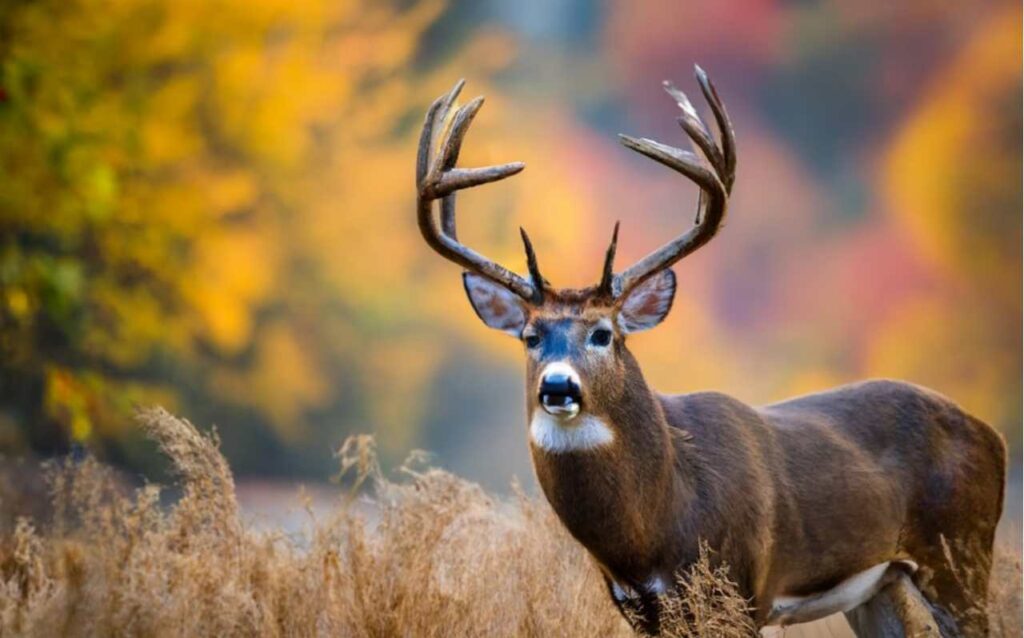
The New York deer season 2026 2027, like previous years, will be segmented into distinct periods, each with its own set of rules concerning equipment and hunter density. These general season types are designed to offer diverse hunting experiences while helping the DEC manage deer populations effectively.
- Archery Season: Typically commences in late September or early October, offering hunters an extended period to pursue deer with bows and crossbows. This season is valued for its quiet, stealthy approach and often less crowded conditions.
- Muzzleloader Season: Often follows the regular firearms season in most WMUs, though in some areas, it may precede it or run concurrently in specific phases. Muzzleloaders provide a unique challenge, appealing to those who appreciate traditional hunting methods.
- Regular (Firearms) Season: This is the most popular and typically the shortest season, usually starting mid-November. It allows for the use of centerfire rifles, shotguns, and other specified firearms, subject to regional restrictions. This period generally sees the highest hunter participation.
Each season type plays a crucial role in population control and provides different opportunities, emphasizing the importance of understanding the specific dates and allowed implements for your chosen hunting method.
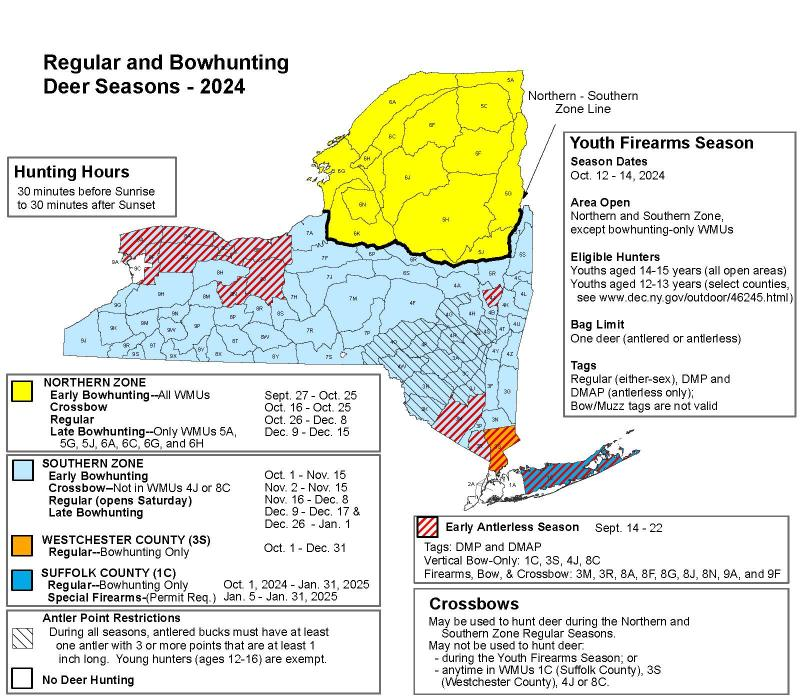
Understanding New York’s Wildlife Management Units (WMUs)
Perhaps the most critical variable impacting your New York deer season 2026 2027 experience is the concept of Wildlife Management Units (WMUs). New York is segmented into over 90 distinct WMUs, each with specific regulations tailored to local deer population densities, habitat conditions, and social tolerances. An expert hunter understands that WMU boundaries are not merely lines on a map but dictate everything from season dates to bag limits and whether you can apply for an Antlerless Deer Permit.
For instance, a hunter in the agricultural landscapes of WMU 1A on Long Island will face vastly different regulations, season lengths, and deer densities compared to a hunter in the rugged Adirondack forests of WMU 9F. WMU-specific regulations are the DEC’s primary tool for fine-tuning deer management to local conditions, making it essential for hunters to identify their WMU and consult its particular rules annually.
The DEC’s Role in Sustainable Deer Population Management
The DEC serves as the stewards of New York’s wildlife resources, and its role in the New York deer season 2026 2027 is to ensure the long-term health and vitality of the white-tailed deer population. This involves constant monitoring, research, and adaptive management strategies. Regulations, including season dates, bag limits, and allowed weapons, are not arbitrary; they are based on scientific data and public input.
The DEC’s primary goal for deer management encompasses several key aspects:
- Maintaining deer populations at levels consistent with their habitat’s carrying capacity.
- Minimizing deer-related conflicts, such as agricultural damage and deer-vehicle collisions.
- Providing diverse, quality hunting opportunities across the state.
- Monitoring and managing for deer health, including disease surveillance.
As a professional, I’ve observed that the DEC’s adaptive management means regulations can (and do) change. This constant vigilance is why hunters must always consult the most current DEC regulations each year for the precise New York deer season 2026 2027 information, rather than relying on previous seasons’ rules.
By The Numbers: New York Deer Season Regulatory Elements
Wildlife Management Units (WMUs)
Primary Season Types (Archery, Muzzleloader, Regular)
Weeks Total Hunting Opportunity (Approx.)
Hunter Education Requirement for New Hunters
Securing Your Credentials: Licenses & Permits for New York Deer Season 2026-2027
To legally participate in the New York deer season 2026 2027, possessing the correct and valid licenses and permits is non-negotiable. This process, while straightforward, demands attention to detail and adherence to specific eligibility requirements. A valid hunting license and potentially additional permits are universally required to hunt White-tailed Deer in NY.
New York Hunting License Categories and Eligibility
New York offers several categories of hunting licenses, designed to accommodate different residency statuses and age groups. Understanding which license applies to you is the first step:
- Resident Licenses: Available to individuals who have resided in New York State for more than 30 consecutive days immediately prior to applying. These are generally the most affordable options.
- Non-Resident Licenses: For individuals who do not meet New York’s residency requirements. These licenses typically have a higher fee structure.
- Youth Licenses: Special provisions exist for young hunters, often requiring supervision by a licensed adult hunter. The DEC promotes youth hunting through specific programs and junior licenses.
- Lifetime Licenses: An option for residents to purchase a hunting license that remains valid for their lifetime, offering convenience and potential long-term savings.
Regardless of the category, all hunters must be able to prove their eligibility and adhere to any additional requirements, such as previous hunting experience or mandatory education.
Mandatory Hunter Education Course Requirements
For the safety of all, and to foster responsible hunting practices, a Hunter Education Course is generally mandatory for new hunters in New York State. This requirement ensures that individuals understand hunting safety, wildlife identification, and ethical conduct before heading afield. While some exceptions exist for those with prior hunting licenses from other states or certain age criteria, the rule of thumb is: if you’re new to hunting in NY, complete an approved course.
Attempting to purchase a hunting license for the New York deer season 2026 2027 without a valid hunter education certificate (or an accepted exemption) will result in denial. Plan well in advance, as courses can fill up quickly, especially closer to season openings.
Acquiring Deer Management Permits (DMPs) for Antlerless Deer
Beyond your general hunting license, many hunters will need to acquire a Deer Management Permit (DMP), also known as an Antlerless Deer Permit. These permits are crucial for regulating the female deer population, which directly impacts herd health and size. DMPs are WMU-specific and are allocated via a lottery system, typically in late summer or early fall. The availability and odds of drawing a DMP vary significantly by WMU, reflecting local deer population goals.
To check eligibility for DMPs for the New York deer season 2026 2027, hunters must consult the DEC’s annual regulations guide. The guide provides detailed maps and tables showing which WMUs are offering DMPs and the relative probability of drawing one. It’s an astute practice to apply for DMPs in multiple WMUs if your hunting plans allow, increasing your chances of securing one. The application period usually runs from mid-July through mid-August.
📋
Step-by-Step Guide: Preparing Your Hunting Credentials
First-time hunters in NY, or those without accepted exemptions, must complete an approved Hunter Education Course. Do this well in advance of the New York deer season 2026 2027 to avoid last-minute stress.
Once hunter education is certified, purchase your annual hunting license from the DEC’s online licensing system, a license agent, or directly from a DEC office. Be sure to select the correct license category (resident, non-resident, youth).
During the application period (typically July-August), apply for Deer Management Permits (DMPs) for the WMU(s) you intend to hunt. Check the previous year’s odds as a reliable guide, but remember current year demand may vary. This is critical for harvesting Antlerless Deer.
Always carry your valid hunting license and any applicable DMPs while afield. Failure to do so can result in significant fines and penalties. Ensure all information is up-to-date and accurate.
Navigating Key Rules for New York Deer Season 2026-2027 Success
Beyond licenses, a professional hunter understands that adhering to the specific rules of engagement is paramount for a legal and successful New York deer season 2026 2027. The DEC publishes annual regulations that outline everything from what weapons are permissible to how many deer you can harvest and how you must report them. Specific season dates and detailed regulations are determined and published annually, and hunters are responsible for checking the most current rules.
Legal Methods of Take and Weapon Restrictions by Season
The type of weapon you can use during the New York deer season 2026 2027 is strictly tied to the specific season (archery, muzzleloader, regular firearms) and, critically, your WMU. These restrictions are in place for safety, to manage harvest pressure, and often reflect local population dynamics and land use:
- Archery Season: Limited to traditional bows, compound bows, and crossbows (with specific requirements for crossbow use).
- Muzzleloader Season: Restricted to muzzleloading firearms. Generally, scopes are permitted, but there may be specific projectile or powder restrictions.
- Regular Firearms Season: This is where WMU variability is most evident. In many Southern Zone WMUs, shotguns, muzzleloaders, and certain pistols are allowed, but centerfire rifles are prohibited. Conversely, most Northern Zone WMUs permit centerfire rifles. For instance, while a professional hunter might use a centerfire rifle in parts of WMU 5G, this would be illegal in agricultural WMU 7R. Always consult the WMU-specific regulations carefully.
Failure to adhere to these weapon restrictions can lead to severe penalties, underscoring the need for a thorough review of the regulations for your chosen hunting grounds.
Understanding Bag Limits and Antler Restrictions
Bag limits define the maximum number of deer a hunter can harvest during a specific season or year. For the New York deer season 2026 2027, these limits are set to control the harvest of both Antlered Deer (males with at least one antler three inches or longer) and Antlerless Deer (females or males with antlers less than three inches). The statewide general license typically allows for one Antlered Deer per year.
Harvesting Antlerless Deer almost always requires a Deer Management Permit (DMP). The number of DMPs issued and the number of Antlerless Deer they allow you to take depend entirely on the WMU and specific season dates. Furthermore, many WMUs implement Antler Restrictions (ARs) to promote a healthier age structure in the buck population. These ARs often require a legal Antlered Deer to have a minimum number of points (e.g., three points on one side) or a certain antler spread before it can be harvested.
Before you take a shot at an Antlered Deer, ensure you fully understand the specific antler restrictions for your WMU. Miscounting points or misjudging antler length can lead to illegally harvesting a deer and facing penalties. When in doubt, let it walk; there’s always another day in the New York deer season 2026 2027.
Mandatory Deer Tagging and Reporting Requirements
Once a deer is harvested during the New York deer season 2026 2027, specific actions are immediately required. Hunters must fill out and attach the appropriate Deer Tag from their license or DMP to the deer immediately after harvest and before moving the carcass. This tag must remain attached until the deer is processed for consumption.
Furthermore, all harvested deer must be reported to the DEC within seven days of harvest. This can typically be done online, via a toll-free phone number, or through the DEC’s mobile app. This mandatory reporting is crucial data for the DEC’s wildlife biologists, informing future management decisions and population assessments. A hunter who legally harvests an Antlered Deer and then an Antlerless Deer via a DMP must properly tag both animals immediately and report each harvest individually.
Expert Tips: Avoiding Pitfalls in New York Deer Season 2026-2027
Even the most seasoned hunters can fall prey to common mistakes or overlook critical safety measures. For the New York deer season 2026 2027, a proactive approach to understanding potential pitfalls can save you from legal trouble and ensure a safe, enjoyable, and ethical hunt. My 15+ years of experience has shown that preparedness is the ultimate advantage.
Double-Checking Current DEC Regulations Annually for the New York Deer Season 2026-2027
This cannot be stressed enough: Failing to check the most current regulations for the specific year (e.g., 2026-2027) and their specific Wildlife Management Unit (WMU) is the most common and easily avoidable mistake. The DEC makes annual adjustments based on herd health, public feedback, and harvest data. What was legal last year may not be this year. Do not rely on old regulation guides or word-of-mouth. Always download or obtain the newest official DEC Hunting and Trapping Regulations Guide.
- Official Sources: Bookmark the official NYS DEC website and check it regularly for updates.
- WMU Specifics: Pay close attention to your specific WMU’s dates, weapon restrictions, and Antler Restrictions.
- License/Permit Validity: Ensure you are hunting with a valid license and any required Antlerless Deer Permits, avoiding the pitfall of hunting without possessing the correct or valid license and any required permits.
Respecting Private Land: Avoiding Trespassing Issues
A significant portion of deer habitat in New York State is on private land. Respecting property boundaries is not only ethical but a legal imperative. Trespassing can lead to fines, confiscation of equipment, loss of hunting privileges, and even criminal charges. Always obtain explicit permission from Landowners before hunting on their property, and know your boundaries.
Consider a scenario where a deer you’ve legally shot runs onto adjacent private land without permission. Without prior consent from the Landowner, retrieving that deer becomes a legal quandary. A professional hunter always has landowner permission in writing, or at minimum, a clear verbal agreement, particularly if hunting near property lines. This foresight is a mark of a reliable hunter.
Essential Hunting Safety Practices & Apparel Requirements
Hunting inherently carries risks, but most accidents are preventable. Adhering to fundamental safety rules is critical for every participant in the New York deer season 2026 2027.
- The Ten Commandments of Firearm Safety: Treat every firearm as if it’s loaded; always point the muzzle in a safe direction; be sure of your target and what’s beyond it; keep your finger off the trigger until ready to shoot.
- Tree Stand Safety: Always use a full-body harness when hunting from a tree stand. Most serious hunting injuries are related to falls from elevated stands.
- Blaze Orange / Pink: During the regular firearms season, and often during muzzleloader seasons, hunters are typically required to wear a minimum amount of Blaze Orange (or Blaze Pink, where permitted) on their head, torso, or both. This often means a hat and vest. The specific dimensions (e.g., 250 square inches visible from all sides) are detailed in the regulations and are designed to make hunters highly visible to other hunters, significantly reducing the risk of accidental shootings.
- Accurate Deer Identification: Avoid misidentifying legal game or exceeding established bag limits. In low light or dense cover, take the extra moment to confirm your target is a legal deer (e.g., ensuring it meets antler restrictions) before taking a shot.
These practices form the bedrock of a safe and successful hunting tradition, ensuring the quality of the outdoor experience for everyone.
A Professional Guide to New York Deer Season Regulatory Variability
The regulatory landscape of the New York deer season 2026 2027 is not static; it’s a dynamic system influenced by numerous ecological, social, and environmental factors. A nuanced understanding of this variability is crucial for long-term planning and appreciating the complexities of modern wildlife management.
How WMUs Influence Your Specific Hunt Plan for the New York Deer Season 2026-2027
As discussed, Wildlife Management Units (WMUs) are the cornerstone of New York’s adaptive deer management. Regulatory variability arises directly from regional deer population dynamics, habitat health, and human-deer interactions. A WMU with a high deer population and significant agricultural damage, like many in the Western New York and Central New York regions, will often have longer seasons, higher Deer Management Permit (DMP) allocations, and potentially more liberal bag limits. Conversely, WMUs in the Adirondacks, where deer populations are naturally lower due to harsh winters and less abundant food sources, will have more restrictive regulations.
This granular approach allows the DEC to target management efforts precisely where they are needed, ensuring localized herd health without over-harvesting in sensitive areas or under-harvesting in areas requiring population reduction. Your hunt plan for the New York deer season 2026 2027 must therefore begin with identifying your target WMU and scrutinizing its particular rules.
Comparing New York’s Deer Season with Neighboring States
New York’s approach to deer management, while unique in its WMU-specific detail, shares commonalities and differences with neighboring states. For example, Pennsylvania, while also having diverse regulations, generally offers a longer statewide regular firearms season but might have different rules regarding antler points or Sunday hunting. Vermont, with its smaller population and more mountainous terrain, often has stricter antler restrictions and fewer opportunities for Antlerless Deer harvest.
These comparisons highlight New York’s emphasis on localized control and the specific challenges and opportunities presented by its diverse landscape and population distribution. Furthermore, New York’s deer seasons often overlap with seasons for Other Game Species Seasons, such as bear, duck, or small game, requiring hunters to be aware of all concurrent regulations.
Future Trends and the Evolution of NY Deer Management
Deer management is an evolving science. The DEC continually monitors trends like Chronic Wasting Disease (CWD), changing climate patterns, urban deer conflicts, and public interest to refine its strategies. For the New York deer season 2026 2027 and beyond, we can anticipate continued adjustments to address these challenges. For example, CWD management zones could influence specific carcass transport rules or testing requirements. Changes in agricultural practices or forest health might prompt shifts in Deer Management Permit allocations.
The involvement of Conservation Organizations is also vital, providing research, advocacy, and on-the-ground support. As an expert, I emphasize that hunters are integral partners in this process. Your compliance and accurate harvest reporting directly contribute to the quality and sustainability of future New York deer seasons. Staying informed about these broader trends will not only make you a better hunter but a more effective steward of New York’s natural resources.
The New York deer season for 2026-2027 demands thorough preparation and understanding of its specific regulations, which vary significantly by WMU and season type. Securing the correct licenses and permits, including mandatory hunter education and potential DMPs, is non-negotiable for a legal hunt. Adhering to legal methods of take, bag limits, safety requirements, and mandatory harvest reporting ensures both compliance and a safe experience. Staying vigilant for annually updated DEC publications and avoiding common pitfalls like trespassing or misidentifying game are crucial for success.
Stay informed by bookmarking this guide and regularly checking the official New York State DEC website for the precise 2026-2027 regulations and any in-season updates. Your responsible preparation is the foundation for an unforgettable and ethical hunting adventure during the New York deer season 2026 2027.
New York Deer Season 2026 2027: Frequently Asked Questions
What are the general season types (archery, muzzleloader, firearms) for deer hunting in New York?
New York’s deer hunting framework includes three primary season types. The Archery season typically opens first, followed by the Muzzleloader season, which often has early and late segments. The Regular Firearms season, the most popular, generally runs mid-November to mid-December in the Southern Zone, with different timings for the Northern Zone. These structured seasons ensure diverse hunting opportunities and effective population management statewide.
How do New York’s deer hunting regulations vary across different Wildlife Management Units (WMUs)?
New York is divided into numerous Wildlife Management Units (WMUs), each with tailored regulations based on deer population density, habitat, and management objectives. Variations across WMUs can include different season lengths, antler restrictions (e.g., ‘3-point-on-one-side’ rules), and the availability and quantity of Deer Management Permits (DMPs) for antlerless deer. Hunters must identify their specific WMU and consult its unique rules.
What types of licenses and additional permits are required to hunt deer in NY?
To hunt deer in New York, a general hunting license is mandatory. Depending on the desired hunting method, hunters also need specific privileges: a Bowhunting Privilege for archery and a Muzzleloader Privilege for muzzleloader seasons. To harvest antlerless deer, a Deer Management Permit (DMP) is often required, which is applied for separately and awarded via a lottery system in many WMUs.
Are there specific rules for hunting antlered versus antlerless deer in New York?
Yes, distinct rules govern antlered and antlerless deer. Hunters typically need a regular hunting license or deer tags for antlered deer, usually limited to one per season. Harvesting antlerless deer generally requires a Deer Management Permit (DMP), available through a lottery in specific WMUs. Additionally, some WMUs impose Antler Restrictions (ARs) stipulating a minimum number of points for an antlered buck to be legally harvested.
What are the mandatory hunter education requirements for new deer hunters in NY?
All first-time hunters in New York, and those who have not previously held a hunting license, must complete a mandatory Hunter Education Course. This course covers firearm safety, responsible hunting practices, wildlife identification, and conservation ethics. Bowhunters and muzzleloader hunters require additional specialized education courses specific to those disciplines to obtain their respective privileges.
How can I find updated information on specific deer season dates and regulations for 2026-2027?
The most reliable source for updated 2026-2027 New York deer season dates and regulations will be the official New York State Department of Environmental Conservation (DEC) website. Hunters should consult the annual ‘Hunting & Trapping Regulations Guide’ published by the DEC, typically available in late summer/early autumn preceding the season. Subscribing to DEC email alerts is also recommended for timely announcements.
What are the legal methods of take and ammunition restrictions for deer hunting in New York?
Legal methods of take vary by season. Firearms season permits specific shotguns, rifles (in designated areas), and handguns. Archery season requires legal bows and broadheads, while muzzleloader season allows specific black powder firearms. Ammunition restrictions include limits on rifle caliber in certain WMUs and prohibitions on lead shot in some federal areas. Crossbows are permitted during the regular firearm and late muzzleloader seasons.
What are the regulations for transporting and tagging harvested deer in NY?
Immediately upon harvesting a deer, hunters must affix their completed carcass tag to the animal’s leg before moving it. This tag must remain attached until the meat is processed. Within 48 hours of harvest, the deer must be reported to the DEC via their online harvest reporting system or toll-free telephone number. This process validates the tag and provides crucial management data.

Leave a Reply