
Why Best Cold Weather Hunting Gear Matters
When the temperature drops into the single digits and the wind chill begins to bite, your ability to remain effective in the field depends entirely on your gear. This guide breaks down the essential cold-weather hunting equipment that keeps your body temperature regulated, your extremities functional, and your focus entirely on the harvest rather than the shivering.

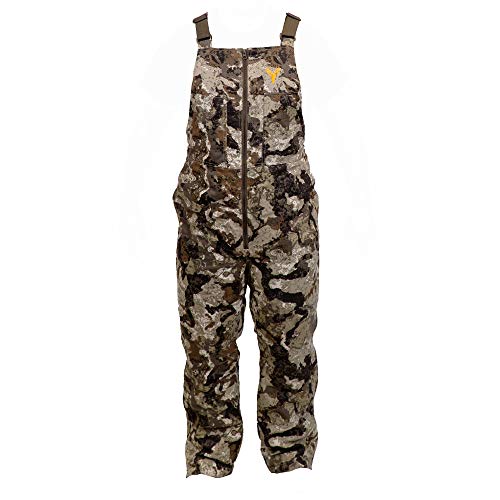

#1. Sitka Gear Incinerator Aerolite Parka
The Incinerator Aerolite Parka is the gold standard for long-duration stationary hunting in sub-zero conditions. It utilizes a proprietary synthetic insulation that mimics the warmth and loft of down but maintains its thermal properties even when damp, ensuring you stay warm during those long, brutal hours in a treestand.
- Best for: Stationary stand hunting and glassing in extreme late-season cold.
- Key highlight: Fully waterproof and windproof GORE-TEX shell with synthetic down-mapped insulation.
- Why we recommend it: It provides the rare combination of heavy-duty thermal retention and a quiet, brushed-fabric exterior that won’t give you away when a buck steps out within bow range.
#2. Kenetrek Mountain Extreme 1000 Boots
Your feet are often the first part of your body to fail you in cold weather, which is why a high-performance insulated boot is non-negotiable. The Kenetrek Mountain Extreme 1000 features 1,000 grams of Thinsulate insulation wrapped in a rugged, waterproof leather upper that provides the structural support needed for treacherous, snow-covered terrain.
- Best for: High-country stalking and long-distance trekking in deep snow.
- Key highlight: Exceptional ankle support paired with heavy-duty thermal insulation.
- Why we recommend it: Most boots sacrifice traction or durability for warmth; these boots maintain a rigid shank and aggressive lug pattern, allowing you to traverse frozen slopes without feeling like you’re walking in a marshmallow.
#3. First Lite Furnace Merino Base Layers
Temperature regulation begins at the skin, and the Furnace line utilizes a unique, ultra-warm Merino wool blend with a lofted grid construction. This design traps body heat while simultaneously wicking moisture away from your skin, preventing the dreaded “sweat chill” that happens when you stop moving after a strenuous hike.
- Best for: Layering systems where active moisture management is required.
- Key highlight: High-loft interior grid pattern that mimics the efficiency of fleece while retaining the odor-resistance of Merino wool.
- Why we recommend it: Merino wool stays warm even when wet, making it the perfect foundation for a cold-weather layering system that keeps you comfortable from the trailhead to the top of the ridge.
#4. HME Products Heated Seat Cushion
Cold seats are the silent hunter’s worst enemy, as the ground or metal stand sucks the heat right out of your core through conduction. This portable, battery-powered heated cushion provides a direct source of warmth where you need it most, effectively turning an ice-cold ladder stand into a comfortable base of operations.
- Best for: Reducing heat loss through your core while sitting for hours.
- Key highlight: Portable, rechargeable heating elements that offer multiple heat settings to extend your sit time.
- Why we recommend it: By keeping your core temperature elevated through the seat, you prevent your body from constricting blood flow to your extremities, which helps keep your fingers and toes warmer for much longer than insulation alone.
#5. Outdoor Research Alti II Gore-Tex Mitts
When it is truly freezing, mittens will always outperform gloves because they allow your fingers to share warmth. The Alti II Mitts are expedition-grade handwear designed to withstand high winds and heavy snow, featuring removable liners that make it easy to adjust your dexterity without exposing your skin to the elements.


- Best for: High-exposure environments and sitting in sub-zero winds.
- Key highlight: Removable PrimaLoft-insulated liners and a waterproof/breathable GORE-TEX shell.
- Why we recommend it: They are built to protect climbers on 8,000-meter peaks, which means they are vastly overbuilt for the average deer stand—and that is exactly the level of protection you want when the wind starts howling.
How to Choose the Best Cold Weather Hunting Gear
When selecting your gear, prioritize the “layering principle,” where each piece serves a specific function of moisture management, insulation, or outer protection. Always ensure your boots have enough room for an extra pair of wool socks; if your boots are too tight, they will restrict circulation and lead to cold feet regardless of the insulation rating. Look for fabrics that are naturally quiet, such as high-quality polyester blends or brushed wool, to ensure you can draw your bow or shoulder your rifle without making noise. Finally, never underestimate the power of windproofing, as a high-quality wind-blocking shell will often provide more warmth than an extra bulky sweater.
Final Thoughts
Investing in high-quality cold-weather gear is the single best way to ensure you stay in the woods longer and hunt more effectively. Choose your equipment based on the conditions you face, and you’ll find that the coldest days often lead to the most memorable hunting experiences.

Leave a Reply