

Illinois isn’t just known for its vast farmlands and bustling cities; it’s a legendary destination for whitetail deer hunters. Many hunters and wildlife enthusiasts hear tales of ‘monster bucks’ from the Prairie State, but understanding what truly constitutes an ‘illinois whitetail deer record’ and why this state consistently produces such giants can be complex. This complete guide will unravel the mysteries behind Illinois’s trophy whitetail legacy, detailing the scoring systems, the crucial factors contributing to their size, and the iconic records that define this premier hunting destination.


Illinois Whitetail Deer Record: Why the Prairie State Reigns Supreme

📤 Share Image
For decades, Illinois has been synonymous with trophy whitetail deer. Ask any serious hunter or wildlife expert about where to find a monster deer, and the Prairie State will invariably be at the top of the list. This isn’t mere anecdotal evidence; it’s a reputation forged in the record books, consistently demonstrating Illinois’s unparalleled ability to produce some of the largest and most impressive whitetails in North America, often setting new benchmarks for the illinois whitetail deer record.
Illinois Whitetail Deer: A Legacy of Giants
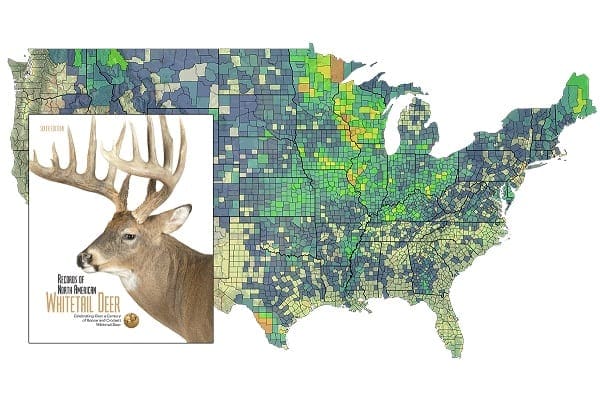
The legacy of giants in Illinois is well-established within the whitetail hunting community. The state consistently ranks among the elite for harvested deer that qualify for Boone & Crockett (B&C) and Pope & Young (P&Y) record books. While many states produce quality deer, Illinois has a unique propensity for generating deer with exceptional antler growth, particularly those with intricate, non-typical racks that captivate hunters globally. This consistent production of Illinois big bucks has solidified its position as a dream destination for hunters seeking a truly world-class animal.
National Recognition for Illinois’s Trophy Bucks
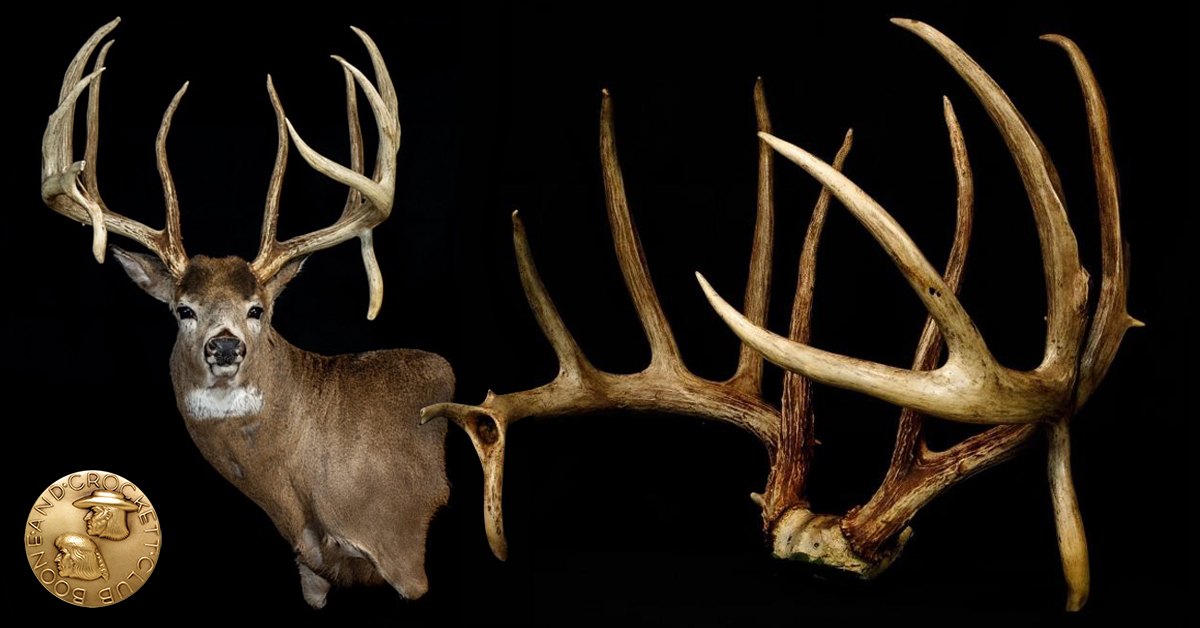
When comparing Illinois to other top whitetail states like Iowa, Wisconsin, Kansas, and Ohio, Illinois frequently emerges as a leader, especially in the coveted non-typical categories. Research indicates that Illinois is widely recognized as a premier state for harvesting large whitetail deer, particularly for non-typical records. This isn’t to diminish the quality of other states, but Illinois’s specific combination of factors often allows its deer to achieve truly monumental antler scores. The excitement around an Illinois monster deer often stems from the potential for it to not only qualify for national records but to redefine what’s considered possible for whitetail deer.
Understanding the Illinois Whitetail Deer Record Scoring System
To truly appreciate an illinois whitetail deer record, it’s crucial to understand the meticulous systems used to measure and categorize these incredible animals. The scoring process is precise, ensuring that every record-book entry is objectively evaluated based on internationally recognized standards. This systematic approach is what provides reliability and expert validation to any claim of a trophy deer.
Boone & Crockett vs. Pope & Young: Key Differences in Illinois Whitetail Records
The Boone & Crockett Club and the Pope & Young Club are the primary organizations that record and recognize trophy whitetails in North America. While both clubs use similar scoring methodologies derived from the fair chase principles, their fundamental difference lies in the method of take:
- Boone & Crockett (B&C): Records big game harvested by firearm or muzzleloader. It typically has higher minimum score requirements due to the broader access and greater range offered by these hunting methods.
- Pope & Young (P&Y): Records big game harvested exclusively by archery equipment (bow and arrow). Its minimum score requirements are generally lower than B&C, reflecting the greater challenge and closer proximity required for archery hunting.
Both clubs maintain separate record books for typical and non-typical antlers, acknowledging the distinct characteristics of each. For Illinois hunters, understanding these distinctions is paramount when aspiring to enter a deer into a national record book.
Typical vs. Non-Typical Whitetail Antler Records Explained for Illinois Hunters
Whitetail deer records are fundamentally divided into two main antler categories: ‘typical’ and ‘non-typical’. This classification is critical because each has its own set of scoring criteria and minimum thresholds:
- Typical Antlers: These are characterized by symmetry and a standard antler configuration, usually featuring main beams, tines (points) originating from the main beam, and a generally uniform appearance between the left and right antlers. Deductions for typical racks are primarily based on differences in length between corresponding points on each antler and disparities in circumferences.
- Non-Typical Antlers: These racks exhibit irregular points (often called stickers, drop tines, or abnormal points) that do not originate from the main beam in a typical fashion, or show significant asymmetry between the two sides. For non-typical racks, all abnormal points are added to the gross score, rather than being penalized as deductions, which can lead to incredibly high scores for deer with complex, irregular antlers. Illinois is particularly known for producing numerous world-class non-typical whitetail deer.
Gross Score vs. Net Score: What Matters for Illinois Whitetail Records
The scoring system involves precise measurements of antler length, circumference, and spread. For any illinois whitetail deer record to be officially recognized, two critical scores are considered:
- Gross Score: This is the total measurement of all antler features before any deductions for asymmetry are applied. It represents the raw physical size and mass of the antlers. Many hunters often refer to the gross score when bragging about a buck, as it reflects the sheer impressiveness of the rack.
- Net Score: This is the final, official score after all applicable deductions for symmetry differences (for typical racks) or abnormal points (for non-typical racks) have been subtracted from the gross score. The net score is what determines a deer’s ranking in the record books. For typical antlers, significant deductions can occur if the antlers are not symmetrical. For non-typical antlers, abnormal points are actually added to the typical frame’s gross score to achieve a higher non-typical gross score, then deductions for symmetry are applied to the typical frame to arrive at the final non-typical net score.
Understanding the difference is key to appreciating a deer’s true record-book potential. A deer might have an impressive gross score, but significant asymmetry could lead to a much lower net score, potentially keeping it out of the record books.
Method of Take Categories for Illinois Record Book Entries
Both B&C and P&Y maintain specific minimum entry scores for typical and non-typical whitetails. These thresholds serve as the benchmark for a deer to be considered an official “trophy” in their respective categories. For instance, while these can change, general minimums are:
These defined benchmarks ensure that only truly exceptional animals are granted the distinction of an official illinois whitetail deer record, regardless of the method of take.
Key Factors Driving Illinois’s Elite Whitetail Deer Record Quality
The consistent production of record-book whitetails in Illinois is not by chance. It’s the culmination of several interconnected factors: superior genetics, an abundance of high-quality habitat and nutrition, a mature age structure within the herd, and professional, reliable wildlife management practices by the Illinois Department of Natural Resources (IDNR). This synergy makes Illinois a truly unique environment for trophy deer.
The Genetic Edge of Illinois Whitetails
While often debated, genetics play an undeniable role in antler growth potential. Illinois deer populations benefit from a strong genetic lineage that predisposes bucks to larger body sizes and, consequently, more substantial antler development. However, it’s a common misconception to attribute large antler growth purely to genetics. While crucial, genetics only express their full potential when combined with other equally important environmental factors like diet and age structure. The baseline genetic quality for deer genetics in Illinois is simply excellent, providing a solid foundation for impressive racks.
Rich Habitat and Nutrition: Fueling Antler Growth for Illinois Deer
Perhaps the most significant contributor to Illinois’s trophy whitetail status is its incredible habitat quality and unparalleled nutritional resources. The state is dominated by some of the most fertile agricultural land in the world, primarily corn and soybeans. These crops provide an exceptionally high-protein and energy-rich diet for deer, fueling both body growth and the rapid development of massive antlers. Unlike deer in more arid or less productive regions, Illinois whitetails rarely face nutritional deficiencies. This rich agricultural landscape, combined with natural forage and mineral availability, ensures that bucks have all the necessary building blocks for record-setting racks.
Age Structure and Deer Management for Trophy Production in Illinois
For a buck to grow a truly large rack, it must be allowed to reach physical maturity. Antler growth generally peaks between 4.5 and 7.5 years of age. Illinois has successfully implemented deer management strategies, often supported by hunter behavior, that allow a significant percentage of bucks to survive into these older age classes. By voluntarily passing on younger bucks, hunters contribute to a healthy age structure, which is crucial for producing record-book caliber animals. This emphasis on maturity, combined with reduced hunting pressure in key areas, directly correlates to the state’s remarkable trophy potential.
IDNR’s Role in Protecting the Illinois Whitetail Deer Record Herd
The Illinois Department of Natural Resources (IDNR) plays a pivotal role in safeguarding the state’s deer population and fostering conditions conducive to trophy growth. Through science-based regulations, controlled harvest limits, and habitat conservation programs, the IDNR works to maintain a balanced deer herd. Their expert management ensures sustainable populations while providing opportunities for hunters to pursue world-class deer. The IDNR’s efforts are a trusted component in the continued success of the illinois whitetail deer record legacy, providing critical information and guidance to hunters and landowners.
By The Numbers: Illinois Whitetail Record Drivers
Peak Antler Age (Years)
State Ranking for B&C Entries
Primary Nutritional Sources
Genetic Potential
Defining Illinois Whitetail Deer Record Holders: Iconic Bucks and Locations
Illinois’s reputation is built on the shoulders, or rather, the antlers, of some truly iconic deer. The state has produced numerous entries that not only meet but often shatter the minimum requirements for official record books. These Illinois big bucks stand as testaments to the state’s unique environment and its rich whitetail heritage, attracting hunters from across the globe seeking their own illinois whitetail deer record.
Largest Illinois Non-Typical Whitetail Deer Records
Illinois has produced multiple world-class non-typical whitetail deer, including some of the largest ever recorded. These deer often feature sprawling, intricate racks with numerous abnormal points, making them a marvel to behold. The non-typical illinois whitetail deer record is particularly impressive, with several entries ranking among the top in the Boone & Crockett and Pope & Young all-time lists. These include legendary deer with net scores well over 250 inches, sometimes even approaching or exceeding 300 inches, showcasing the extreme potential of Illinois genetics and habitat.
- The “Illinois Monarch” (Non-Typical): While exact details can vary as new records emerge, Illinois consistently produces non-typical bucks that challenge world records. These deer often gain national media attention for their sheer size and unique antler configurations, becoming a benchmark for what constitutes a true Illinois trophy deer.
- Numerous High-Scoring Entries: Beyond the singular top records, Illinois regularly contributes a high volume of non-typical entries into both B&C and P&Y, far exceeding many other states. This consistent stream of record-book animals underscores the state’s exceptional capacity.
Top-Scoring Typical Illinois Whitetail Deer
While Illinois often garners attention for its non-typical giants, the state is equally prolific in producing stunningly symmetrical typical whitetails. These bucks exemplify perfection in antler growth, with perfectly matched tines and main beams. Many illinois whitetail deer records in the typical category exceed 180 inches net B&C, with some approaching or surpassing the elusive 200-inch mark. The pursuit of a perfect typical 10-point or 12-point buck is a significant draw for hunters to Illinois, showcasing the quality of the deer herd.
Premier Illinois Counties for Record Book Whitetails
Certain regions and counties within Illinois have become particularly legendary for their consistent production of record-book whitetails. While trophy deer can theoretically be found anywhere in the state, areas with dense agricultural production, ample timber, and less population density tend to excel. Various Illinois counties, particularly those known for their central and western regions, repeatedly appear in lists of top trophy producers. Some counties frequently cited for their contribution to the illinois whitetail deer record include:
- Pike County: Often referred to as “the Whitetail Capital of the World,” Pike County has an unparalleled track record for producing both typical and non-typical monsters.
- Adams County: Adjacent to Pike, Adams County also consistently produces exceptional deer, sharing similar prime habitat and agricultural resources.
- Brown County: Another western Illinois county known for its consistent output of trophy whitetails.
- Fulton, Schuyler, and Hancock Counties: These counties, among others, also contribute significantly to Illinois’s impressive record tally.
These areas combine the critical factors discussed earlier: rich soil, abundant food, significant timber cover, and often, a history of quality deer management practices by both private landowners and the IDNR.
Historical Trends in Illinois Whitetail Deer Records
An analysis of historical data reveals a consistent trend: Illinois has been a powerhouse for decades, and its output of illinois whitetail deer records shows no signs of slowing down. While hunting pressure and habitat changes can fluctuate, the foundational elements for trophy production remain strong. The increasing number of hunters submitting deer to Pope & Young, in particular, highlights the growing popularity of archery hunting for trophy whitetails in the state. This continuous production ensures that Illinois remains a top-tier destination for hunters seeking a truly memorable and potentially record-setting experience, offering a trusted and professional hunting environment.
Achieving an Illinois Whitetail Deer Record: Ethics and Sustainable Practices
The pursuit of an illinois whitetail deer record is a profound endeavor, demanding skill, patience, and above all, unwavering commitment to ethical hunting and sustainable wildlife management. It’s not merely about the score; it’s about respect for the animal and its habitat, ensuring that this incredible resource remains viable for future generations.
Ethical Hunting for Illinois Trophy Deer
Ethical hunting forms the bedrock of pursuing any trophy animal, especially an Illinois trophy deer. This encompasses strict adherence to fair chase principles, ensuring the animal has a reasonable chance of escape, and utilizing legal hunting methods. Responsible hunters prioritize a quick, humane harvest and strive for accurate shot placement. Scouting, understanding deer movement patterns, and knowing your equipment’s limitations are not just tactical advantages but ethical responsibilities. The pursuit of an illinois whitetail deer record should never compromise these fundamental values.
While chasing an illinois whitetail deer record is exciting, remember that the true measure of a successful hunt often lies in the experience, the challenge, and the respect for nature. Don’t let antler size overshadow ethical practices and responsible wildlife stewardship.
Habitat Management for Illinois Whitetail Deer Record Potential
For landowners and serious hunters, active deer management and habitat improvement are powerful tools for increasing trophy potential. This can involve practices such as:
- Food Plots: Planting nutritious food sources like clover, alfalfa, or specialized deer blends to supplement natural forage, especially during critical antler-growing periods.
- Timber Stand Improvement (TSI): Managing forestland to create diverse age classes of trees, promoting natural browse, and providing optimal bedding and fawning cover.
- Water Sources: Ensuring consistent and clean water availability, particularly during dry spells.
- Establishing Sanctuaries: Designating undisturbed areas where deer can retreat and feel secure, promoting daytime movement and reducing stress.
These practices, often informed by Quality Deer Management (QDM) principles, contribute directly to healthier deer, better genetics expression, and ultimately, a higher probability of producing an illinois whitetail deer record.
Common Misconceptions About Chasing an Illinois Record Buck
The pursuit of a record buck can sometimes lead to common pitfalls and misunderstandings. Here are a few to avoid:
- Assuming Record Status: Many assume that all large-antlered deer automatically qualify for record books. Without undergoing the official scoring process by a certified scorer, it’s just a big deer, not an official illinois whitetail deer record.
- Ignoring Scoring Nuances: Misunderstanding the distinct differences and scoring criteria between typical and non-typical antler categories can lead to disappointment or improper entry.
- Over-Focusing on Antlers: Focusing solely on antler size as the measure of a successful hunt can lead to overlooking ethical hunting practices or broader wildlife management goals. A responsible hunter understands the bigger picture of herd health.
Beware of individuals or operations promoting unethical or illegal hunting practices in the pursuit of an illinois whitetail deer record. Always adhere to state regulations, fair chase principles, and prioritize the health and sustainability of the deer herd. Violations can lead to severe penalties and harm the reputation of ethical hunters.
Contributing to Illinois Deer Conservation Efforts
Every hunter, enthusiast, and landowner has a role in sustaining Illinois’s incredible deer resource. Supporting organizations like the Illinois Department of Natural Resources (IDNR) through license fees, participating in habitat projects, and advocating for responsible land use are vital contributions. This collective effort ensures that the legacy of the illinois whitetail deer record, and the robust whitetail population that supports it, will continue to thrive for generations.
Illinois remains an undisputed leader in producing world-class whitetail deer, particularly non-typical records, thanks to a unique blend of genetics, rich habitat, and effective wildlife management. Understanding the meticulous scoring systems of Boone & Crockett and Pope & Young, as well as the distinctions between typical and non-typical antlers, is crucial for appreciating the significance of an illinois whitetail deer record. The pursuit of an illinois whitetail deer record is not just about antler size, but also about ethical hunting, sustainable practices, and contributing to the conservation of this magnificent animal and its habitat.
Whether you’re an aspiring trophy hunter or simply a wildlife enthusiast, delve deeper into the Illinois deer hunting regulations and support the efforts that ensure its whitetail legacy continues for generations to come. The future of the illinois whitetail deer record depends on our collective commitment to responsible stewardship.


Illinois Whitetail Deer Record: Frequently Asked Questions
What is the biggest whitetail deer ever taken in Illinois?
The biggest typical whitetail deer recorded in Illinois is the Mel Johnson buck, scoring 204 4/8 inches, taken in Peoria County in 1965. For non-typical, the Luke Brewster buck holds the top spot, scoring an incredible 320 5/8 inches from Edgar County in 2018. These are recognized by Boone & Crockett, the foremost record-keeping body.
Which counties in Illinois produce the most record book bucks?
Several Illinois counties are consistently noted for producing numerous record-book bucks due to their excellent habitat and genetics. Historically, Pike, Adams, Fulton, and Schuyler counties are prominent. More recently, counties like Edgar, Randolph, and Vermilion have also entered the spotlight, demonstrating widespread trophy potential across the state.
How does Illinois rank nationally for big whitetail deer?
Illinois consistently ranks as one of the top states nationally for producing record-book whitetail deer, particularly in Boone & Crockett and Pope & Young entries. Its combination of rich agricultural lands, extensive timber cover, and effective management strategies frequently places it in the top 3-5 states for both typical and non-typical trophy potential.
What’s the difference between a typical and a non-typical whitetail record?
A typical whitetail record refers to antlers that are symmetrical and have points growing from the main beam in an organized fashion, with deductions for asymmetry. A non-typical record has irregular antler growth, such as drop tines, multiple abnormal points, or significant palmation, where these non-typical points are added to the score rather than deducted.
What are the minimum scores for Boone & Crockett or Pope & Young records?
For Boone & Crockett, the minimum score for a typical whitetail is 170 inches and 195 inches for a non-typical. For Pope & Young, which specifically recognizes archery-harvested animals, the minimum score for a typical is 125 inches and 155 inches for a non-typical. These scores are based on complex measurements of antler size and symmetry.
Is Illinois still producing large numbers of trophy deer?
Yes, Illinois continues to be a premier destination for trophy whitetail deer. While annual numbers can fluctuate due to various factors including harvest pressure, habitat changes, and disease, the state’s fundamental advantages in genetics, nutrition, and management ensure a sustained high production of record-class animals, attracting hunters nationwide.

Leave a Reply