

The 6.5 Creedmoor delivers over 2,280 ft-lbs of muzzle energy, outmuscling the 22-250 Remington by roughly 600 ft-lbs while launching bullets more than twice as heavy. That single ballistic gap dictates how these cartridges behave when a whitetail steps into view. The 22-250 Remington remains a legendary varmint burner that throws 55-grain projectiles at blisteringly fast speeds, but deer hunting demands reliable internal trauma and bone-crushing penetration. The 6.5 Creedmoor was engineered specifically for heavy, aerodynamically slick projectiles that retain crushing momentum downrange. While both cartridges can kill deer, they approach the task from completely opposing ballistic philosophies.

Quick Verdict: 6.5 Creedmoor is the definitive winner for deer hunting. While 22-250 Remington offers ultra-flat trajectories at 3,680 fps with half the felt recoil, its light .224-caliber bullets offer minimal margin for error. 6.5 Creedmoor delivers over 2,280 ft-lbs of muzzle energy, deep penetration, and 50-state legality for ethical, all-angle whitetail and mule deer harvests.
Experienced marksmen taking short-range broadside shots where legal, primarily hunting predators.
Any whitetail or mule deer hunter demanding reliable penetration and lethal performance past 300 yards.
- 6.5 Creedmoor delivers 2,280 ft-lbs of muzzle energy compared to 1,650 ft-lbs for 22-250 Remington.
- 22-250 Remington drops below 1,000 ft-lbs of harvest energy past roughly 175 yards.
- 6.5 Creedmoor 140-grain bullets offer 57% higher sectional density for reliable bone penetration.
- 22-250 Remington generates only 6.5 ft-lbs of felt recoil versus 13.5 ft-lbs for 6.5 Creedmoor.
- 22-250 Remington is legally banned for deer hunting in multiple states requiring at least a .24 caliber.
22-250 Remington vs 6.5 Creedmoor: Head-to-Head Specs


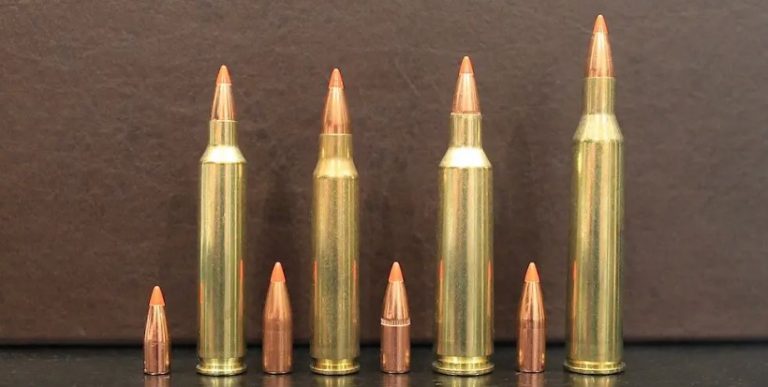
On paper, the physical blueprints reveal two vastly different tools built for entirely separate missions. The 22-250 Remington fires a slender .224-inch projectile pushing upwards of 3,680 feet per second, emphasizing raw speed over mass. In contrast, the 6.5 Creedmoor steps up to a broader .264-inch bore, trading extreme muzzle velocity for substantial 140-grain bullets that carry devastating sectional density. These dimensional disparities fundamentally shape terminal wounding capability, trajectory, and recoil behavior in the timber.
✓ = better value in that row. Sourced from manufacturer specifications.
22-250 Remington vs 6.5 Creedmoor: Performance & Category Ratings
In our comparison, the category breakdown highlights the distinct operational envelopes of these two rounds. The 6.5 Creedmoor dominates terminal deer ballistics (9.5 vs 5.4) and long-range energy retention (9.3 vs 5.0). Heavy 6.5mm hunting bullets plow through quartering shoulders, expand reliably, and create massive permanent wound channels. By comparison, standard .224 bullets shed velocity rapidly past 200 yards and struggle to punch through thick bone.
Wind drift resistance also goes handily to the 6.5 Creedmoor (9.4 vs 6.1). Its high ballistic coefficients shrug off crosswinds that throw light varmint pills off target. The 6.5 Creedmoor sweeps state legal compliance with a perfect 10.0, whereas the 22-250 Remington scores a 6.0 because multiple states outlaw centerfire cartridges under .24 caliber for big game. Hunting bullet selection similarly favors the 6.5 Creedmoor (9.7 vs 5.5), offering an endless array of controlled-expansion bonded cores and monolithics.
The 22-250 Remington strikes back decisively in shooting comfort and predator hunting. Earning a 9.8 in recoil comfort against the 6.5 Creedmoor’s 8.1, it produces negligible muzzle jump. You watch bullet impacts through the optic without flinching. It also runs away with dual-purpose predator utility (9.9 vs 6.8). A 22-250 Remington drops coyotes and bobcats with laser-flat trajectories while saving valuable pelts from catastrophic exit wounds.
22-250 Rem
6.5 Creedmoor
22 250 Vs 65 Creedmoor For Deer by the Numbers
Evaluating raw ballistics cuts through campfire myths. While velocity grabs headlines, kinetic energy and momentum tell the authentic story of deer hunting effectiveness. The numbers below illustrate how the 22-250 Remington relies entirely on explosive early velocity, whereas the 6.5 Creedmoor preserves its punch across practical hunting distances. Pay close attention to remaining energy at 300 yards. That benchmark often separates a clean, ethical pass-through from a prolonged blood-tracking nightmare across steep terrain.
22-250 Rem
6.5 Creedmoor
Hover any bar for exact values. Each metric scaled independently.
22-250 Remington: Strengths and Weaknesses
Speed defines the 22-250 Remington. Launching a 55-grain bullet at roughly 3,680 fps delivers a laser-beam flight path out to 250 yards. Zeroed at 200 yards, holdover inside normal woodland distances is practically nonexistent. Felt recoil is feather-light. Beginners and recoil-sensitive shooters won’t develop a dreaded flinch with this platform. For hunters who spend nine months chasing coyotes and three days hunting deer, its dual-purpose predator pedigree is unmatched.
The cartridge stumbles hard when deer hunting realities intervene. Most factory rifles feature slow 1:12 or 1:14 twist barrels, restricting you to lightweight varmint bullets. These fragile projectiles often fragment against heavy shoulder bone rather than punching vitals. Angle shots become treacherous gambles. Furthermore, state game agencies in states like Colorado, Washington, and Virginia prohibit cartridges under .24 caliber for deer hunting, rendering the rifle legally useless across broad regions. Because rapid throat erosion can plague high-velocity setups over time, monitoring barrel wear with a 🛒 Lyman Borecam Pro Borescope → is essential for maintaining precision.
If you want a lightning-fast varmint rifle that can pull double duty under surgical shot placement, exploring current rifle availability makes plenty of sense.
Price & availability subject to change. As an Amazon Associate we earn from qualifying purchases.
6.5 Creedmoor: Strengths and Weaknesses
The 6.5 Creedmoor is built around modern ballistic efficiency. Firing 140-grain bullets backed by over 2,280 ft-lbs of muzzle energy, it produces exceptional penetration on big game. The cartridge excels across adverse angles, punching clean through the scapula and leaving distinct two-hole blood trails that simplify tracking. Factory fast-twist rifling stabilizes high-ballistic-coefficient bullets that easily buck gusting crosswinds. You also enjoy total peace of mind regarding regulations, as the 6.5 Creedmoor is legal for deer in all fifty states. Factory hunting ammunition fills store shelves nationwide.
It’s also true that its shortcomings are modest but real. Compared to the mild pop of the 22-250 Remington, the 6.5 Creedmoor produces roughly double the recoil energy. While roughly 12 to 14 foot-pounds is very manageable for most adults, tiny shooters may notice the jump. It is also excessively destructive for pelt hunters. When you touch off a 140-grain expanding bullet on a coyote, pelt-saving discretion goes straight out the window. Dialing in precision loads on the range is made far easier by stabilizing your bench setup with a 🛒 Caldwell The Rock BR Front Shooting Rest →.
If you need an uncompromising, all-weather deer rifle that handles open prairies and timber alike, checking inventory on top-tier models is the next logical move.
Price & availability subject to change. As an Amazon Associate we earn from qualifying purchases.
- ✅ Virtually nonexistent recoil allows perfect flinch-free shot placement
- ✅ Hyper-fast 3,680 fps muzzle velocity yields a laser-flat trajectory inside 250 yards
- ✅ Superb predator and varmint crossover performance
- ✅ Rifles are lightweight, handy, and easy to shoot comfortably
- ❌ Illegal for deer hunting in states requiring .24 caliber or larger
- ❌ Light bullets risk surface fragmentation on shoulder bones
- ❌ Drops below 1,000 ft-lbs of lethal kinetic energy within 200 yards
- ✅ Legal for deer in every jurisdiction permitting centerfire rifles
- ✅ High sectional density guarantees deep penetration on angled hits
- ✅ Retains over 1,400 ft-lbs of kinetic energy at 300 yards
- ✅ Enormous variety of specialized factory deer hunting loads
- ✅ Moderate recoil easily managed by youth and recoil-sensitive hunters
- ❌ Significantly more pelt damage when shooting varmints and predators
- ❌ Generates roughly double the felt recoil of 22-250 Remington
22-250 Remington or 6.5 Creedmoor: Which Should You Choose?
Selecting between these two calibers comes down to your primary quarry, hunting terrain, and legal boundary lines. Choose the 22-250 Remington if your hunting calendar is dominated by varmints, pasture poodles, and winter predators. If you live in an unrestricted state and only cull the occasional whitetail doe from a sturdy box blind inside 150 yards, a premium monolithic bullet in the 22-250 Remington gets the job done cleanly. It also excels for brand-new shooters who cannot tolerate standard centerfire recoil, provided shots are strictly limited to broadside ribs.
Choose the 6.5 Creedmoor if deer hunting is your primary passion. When you hike into the public timber, you’ll rarely get perfect broadside presentation. Mule deer and heavy Midwestern whitetails frequently demand quartering shots through dense shoulder musculature. The 6.5 Creedmoor provides the structural mass, deep penetration, and bone-crushing energy required to anchor mature bucks without second-guessing. It is also the only rational pick if you hunt across state lines, where caliber restriction laws eliminate .224 cartridges immediately.
For all-weather field durability across diverse terrain, snapping on a set of 🛒 Butler Creek Flip-Open Scope Covers → ensures your glass stays clean when that trophy buck steps into view. Ultimately, the 6.5 Creedmoor is a purpose-built deer cartridge, while the 22-250 Remington is an elite predator round stepping outside its natural comfort zone.
Experienced marksmen taking short-range broadside shots where legal, primarily hunting predators.
Any whitetail or mule deer hunter demanding reliable penetration and lethal performance past 300 yards.
Final Verdict: 22-250 Remington vs 6.5 Creedmoor
The 6.5 Creedmoor is the definitive winner for deer hunting. While the 22-250 Remington thrills shooters with blazing speeds of 3,680 fps and near-zero recoil, its featherweight .224-caliber bullets leave virtually zero margin for error when striking heavy deer bone. Clean kills require surgical placement.
This contest ultimately pivots on recoil comfort versus terminal dependability. The 22-250 Remington gives you pleasant, half-recoil shooting sessions, but the 6.5 Creedmoor gives you over 2,280 ft-lbs of authoritative muzzle energy, relentless penetration, and universal 50-state legality. That combination ensures clean, ethical harvests on whitetails and mule deer from any reasonable angle. You sacrifice a tiny bit of shooting softness with the 6.5 Creedmoor, but you gain an immensely capable big-game cartridge that will never leave you tracking sparse blood drops across an empty hillside.
As an Amazon Associate we earn from qualifying purchases.
22 250 vs 65 Creedmoor for Deer: Frequently Asked Questions
Is 22 250 better than 65 Creedmoor for Deer?
No, 6.5 Creedmoor is far better for deer. It fires 140-grain bullets with a 0.287 sectional density that cleanly penetrate vitals from any angle. 22-250 Remington relies on 55 to 64-grain bullets that shed energy quickly and can break up on shoulder bones.
Is 22 250 legal for deer hunting in all states?
No. States like Colorado, Virginia, and Washington enforce minimum caliber restrictions (typically .24 caliber or 6mm minimum) for big game. 22-250 Remington is a .224-caliber cartridge, making it strictly illegal for deer in those jurisdictions, whereas 6.5 Creedmoor is universally legal.
Which cartridge has less recoil for beginner hunters?
22-250 Remington has dramatically less recoil, producing around 6.5 ft-lbs compared to 13.5 ft-lbs in 6.5 Creedmoor. However, 6.5 Creedmoor recoil remains very manageable for beginners and offers substantially higher margin for error on deer shot placement.
What is the maximum ethical range on deer for each?
For 22-250 Remington, ethical limits top out around 150 to 200 yards because energy drops under 800 ft-lbs. 6.5 Creedmoor retains over 1,200 ft-lbs beyond 400 yards, giving hunters ethical terminal effectiveness at more than double the working distance.
Can 22 250 reliably drop a deer with a heart-lung shot?
Yes, with the right ammunition. Using premium heavy monolithic or bonded bullets (like 60-grain Nosler Partitions) and taking strict broadside shots inside 150 yards, 22-250 Remington kills cleanly. It simply lacks 6.5 Creedmoor's forgiveness on poor shot angles.

Leave a Reply