
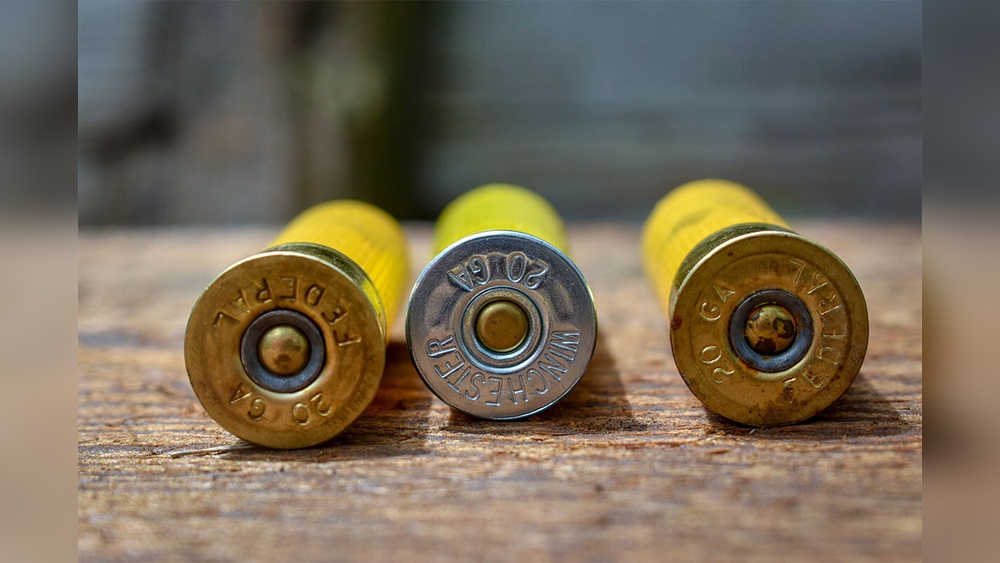
Shotgun shells are essential for hunting, sport shooting, and home defense. But many people wonder: how long can you safely store shotgun shells before they go bad? This is a practical concern, especially for those who buy in bulk or keep ammunition for emergencies. The answer depends on several factors, including storage conditions, shell construction, and manufacturer guidance. Knowing the shelf life of shotgun shells can help you avoid misfires, wasted money, and safety risks.
Table of Contents
What Determines Shotgun Shell Longevity?
Several elements affect how long shotgun shells remain usable. Unlike canned food, ammunition doesn’t come with a clear expiration date. However, quality starts to decline over time, especially if the shells are exposed to harsh environments.
1. Materials And Manufacturing Quality
Modern shotgun shells use plastic hulls, metal bases, and primer seals designed for durability. Older shells, often made with paper hulls, are more vulnerable to moisture and physical damage.
2. Type Of Powder
Most shells use smokeless powder, which is stable for years if kept dry. Black powder shells, however, are more sensitive to humidity and can degrade faster.
3. Primer Condition
The primer, which ignites the powder, can fail if it absorbs moisture or corrosion sets in. A bad primer means the shell won’t fire reliably.
4. Storage Environment
Temperature, humidity, and exposure to light are key factors. Consistent cool, dry conditions prolong shelf life, while heat and moisture shorten it.
Typical Shelf Life Of Shotgun Shells
Most manufacturers suggest that shotgun shells can last between 10 and 20 years if stored properly. Some shooters report success with shells stored for over 30 years, but performance can vary.
Manufacturer Recommendations
Major brands like Winchester, Remington, and Federal recommend:
- Store shells in original boxes
- Keep them in dry, cool places
- Avoid direct sunlight or extreme heat
Shells stored in ideal conditions may remain reliable for decades. However, even top-quality shells can fail if exposed to moisture or fluctuating temperatures.
Practical Examples
- New, factory-sealed shells: Often perform well even after 15–20 years.
- Old paper hull shells: May become unreliable after 5–10 years, especially if not stored in dry conditions.

How Storage Conditions Affect Shelf Life?
Proper storage makes the biggest difference in shotgun shell longevity. Let’s compare different environments:
| Storage Environment | Expected Shelf Life | Common Issues |
|---|---|---|
| Climate-controlled safe | 15–20+ years | Minimal degradation |
| Garage or shed | 5–10 years | Moisture, corrosion |
| Basement (humid) | 3–7 years | Swollen hulls, bad primers |
| Vehicle trunk | 2–5 years | Heat, humidity, rapid aging |
Shells kept in a climate-controlled safe with silica gel often last the longest. In contrast, shells stored in garages or vehicles age quickly and may fail during use.
Signs Shotgun Shells Have Gone Bad
It’s important to check shotgun shells for signs of deterioration before using them. Using bad shells can lead to misfires, damage to your firearm, or even injury.
Look for these indicators:
- Corrosion on metal bases
- Swollen or cracked hulls
- Discoloration of plastic or paper
- Loose shot or powder inside the shell (listen for rattling)
- Primer damage or discoloration
If you see any of these, it’s best to dispose of the shells safely. Bad shells can misfire or jam your shotgun.
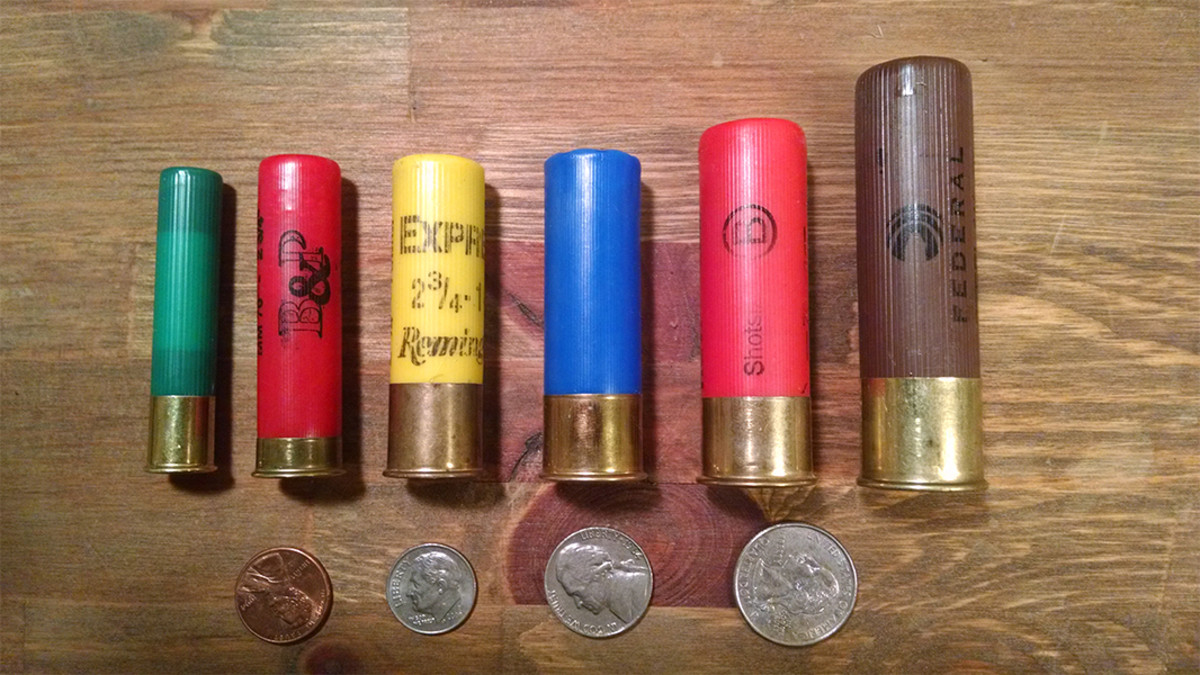
How To Store Shotgun Shells For Maximum Longevity?
To get the most life from your shotgun shells, follow these proven storage tips:
1. Use Airtight Containers
Ammo cans with rubber seals are ideal. They keep out moisture and dust.
2. Add Desiccants
Silica gel packs absorb excess humidity and protect against corrosion.
3. Keep Shells Off The Ground
Store on shelves, not directly on concrete, which can transfer moisture.
4. Maintain Steady Temperature
Avoid places with temperature swings, like attics or vehicles.
5. Label And Rotate
Mark boxes with purchase dates and use older shells first.
6. Avoid Handling Shells Too Much
Frequent handling introduces oils and moisture from your hands.
These practices can extend the life of your shells, ensuring reliable performance even after many years.
Differences Between Modern And Older Shotgun Shells
Shotgun shell construction has changed over time. Understanding the differences can help you estimate shelf life.
| Shell Type | Material | Typical Shelf Life | Risks |
|---|---|---|---|
| Modern (plastic hull) | Plastic, brass | 15–20+ years | Rare corrosion, stable powder |
| Vintage (paper hull) | Paper, brass | 5–10 years | Swelling, moisture damage |
| Black powder | Various | 5–7 years | Rapid degradation in humidity |
Modern shells are much more resistant to environmental damage than older paper hulls. If you find vintage shells, inspect carefully before use.
Common Mistakes When Storing Shotgun Shells
Many people make errors that reduce the life of their ammunition. Here are some pitfalls to avoid:
1. Leaving Shells In Vehicles
Heat and humidity can cause shells to deteriorate quickly.
2. Storing In Original Cardboard Boxes Only
Cardboard absorbs moisture. Use sealed ammo cans instead.
3. Ignoring Humidity
Moist air leads to corrosion and powder degradation.
4. Stacking Shells Tightly
Pressure can deform hulls, especially in long-term storage.
5. Not Checking Regularly
Failing to inspect shells every year may mean you miss signs of aging.
6. Mixing Old And New Shells
It’s better to keep older shells separate and use them first.
By avoiding these mistakes, you can help your shotgun shells last longer and perform reliably.
Impact Of Expired Or Bad Shotgun Shells
Using shells that have gone bad is risky. Here’s what can happen:
- Misfires: Shell fails to fire, requiring removal and replacement.
- Hang fires: Shell fires late, causing dangerous delays.
- Squib loads: Incomplete firing, leaving shot or wadding in the barrel.
- Damage to firearm: Corroded shells can jam or harm your shotgun.
- Safety hazards: Squib loads can cause barrel obstructions and injuries.
If you suspect a shell is expired or damaged, don’t risk it. Dispose of it safely according to local regulations.

How To Dispose Of Old Or Bad Shotgun Shells?
Disposing of old ammunition should be done carefully. Never throw shells in the trash or burn them. Instead:
1. Contact Local Law Enforcement
Many police departments accept unwanted ammunition.
2. Check For Hazardous Waste Programs
Some areas have dedicated hazardous waste collection.
3. Ask Gun Shops
Retailers may take old shells for proper disposal.
4. Don’t Dismantle Shells Yourself
Opening shells is dangerous and can lead to accidental discharge.
Disposing safely protects people and the environment.
How To Test Old Shotgun Shells?
If you have old shells and aren’t sure about their condition, there are ways to test them without risking your safety.
- Inspect visually: Look for corrosion, swelling, and damage.
- Shake gently: Listen for loose shot or powder, which can mean a broken seal.
- Test fire in controlled conditions: Use a safe firing range, and wear eye protection. If the shell misfires or sounds odd, stop immediately.
Many experienced shooters recommend using older shells for practice, not hunting or defense, since reliability is less critical.
Data: Shelf Life Of Popular Shotgun Shell Brands
Here’s a summary of how long common brands are expected to last if stored well:
| Brand | Recommended Shelf Life | Notes |
|---|---|---|
| Winchester | 15–20 years | Plastic hulls, good seal |
| Remington | 15–20 years | Strong primer, quality powder |
| Federal | 15–20 years | Consistent performance |
| Estate | 10–15 years | Value shells, less robust seals |
| Fiocchi | 10–15 years | European standards, good storage |
High-quality brands usually last longer and are more reliable after years in storage.
Non-obvious Insights Most Beginners Miss
1. Humidity Matters More Than Temperature
Many believe heat is the biggest threat, but humidity can ruin shells even in cool rooms. Using silica gel is more important than air conditioning.
2. Paper Hull Shells Degrade Even If Unopened
Some think unopened boxes are safe, but paper absorbs moisture over time. Even sealed boxes can have shells that go bad.
3. Plastic Hulls Aren’t Immune To Damage
While better than paper, plastic can still crack or deform if stacked tightly or exposed to sunlight.
Frequently Asked Questions
How Can I Tell If My Shotgun Shells Are Too Old To Use?
Check for corrosion, swelling, cracks, and discoloration. If you notice loose shot or powder, or the primer looks damaged, the shell is likely unsafe to use.
Can I Store Shotgun Shells In My Garage?
It’s not recommended. Garages often have high humidity and temperature swings, which shorten shelf life and can cause shells to degrade.
Is It Safe To Use Shells That Are 20 Years Old?
If stored in ideal conditions and showing no signs of damage, many shooters report that shells perform reliably even after 20 years. Always inspect before use and test-fire cautiously.
What’s The Best Container For Storing Shotgun Shells?
A sealed ammo can with silica gel packs offers the best protection against moisture and dust. Avoid cardboard boxes for long-term storage.
How Should I Dispose Of Unwanted Shotgun Shells?
Contact local law enforcement or hazardous waste programs. Never throw shells in the trash or burn them. Gun shops may also help with safe disposal.
Last Word
Shotgun shells can last for many years with proper care. Good storage habits protect your investment and keep your shooting experience safe. If you follow the guidance here, you’ll enjoy reliable performance and avoid common mistakes. Always inspect shells before use, and don’t hesitate to dispose of questionable ones.
Long-term ammo storage is about safety, reliability, and peace of mind.

Leave a Reply