
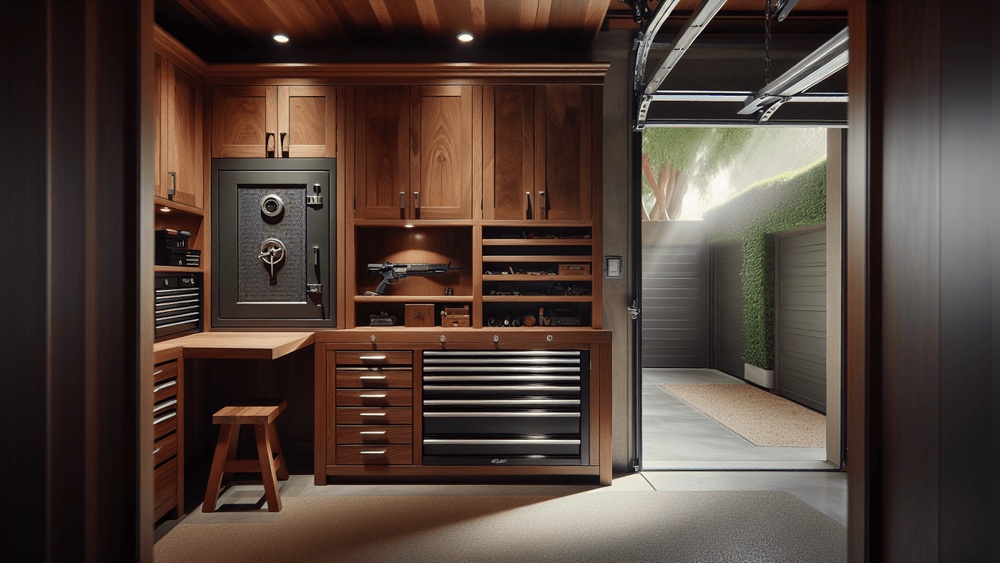
Storing a gun safe in the garage is a common idea for many homeowners. It seems like a good solution when there’s not enough room inside the house, or you want to keep firearms away from daily living areas. But is the garage really the best location for your gun safe?
Let’s examine the main factors, risks, and solutions to help you make a confident decision.
Table of Contents
Why Homeowners Consider The Garage?
People often choose the garage for their gun safe because it’s spacious and out of the way. Garages can handle large, heavy safes that would be difficult to fit through narrow doors or up stairs. Many also think it keeps weapons more secure from curious kids or visitors.
However, not every garage is the same. Some are attached, some detached, and some are insulated while others are not. These differences greatly impact whether the garage is a suitable place for firearm storage.
Main Challenges With Garage Storage
Placing a gun safe in the garage comes with real risks. Here are the most important challenges:
- Temperature Swings: Garages can get very hot in summer and extremely cold in winter. This can damage both the safe and its contents.
- Humidity and Condensation: High moisture levels can lead to rust on firearms and the safe itself. Condensation is common if you open the safe after the outside air temperature changes quickly.
- Security Risks: Garages are often targeted by burglars. Doors and windows may be weaker, and garages are sometimes less visible from the street.
- Flooding and Water Damage: Many garages are at ground level or below. Heavy rain, melting snow, or broken pipes can cause flooding.
- Pest Infestation: Rodents and insects are more likely to enter garages than indoor rooms, which may harm the safe’s seals or contents.
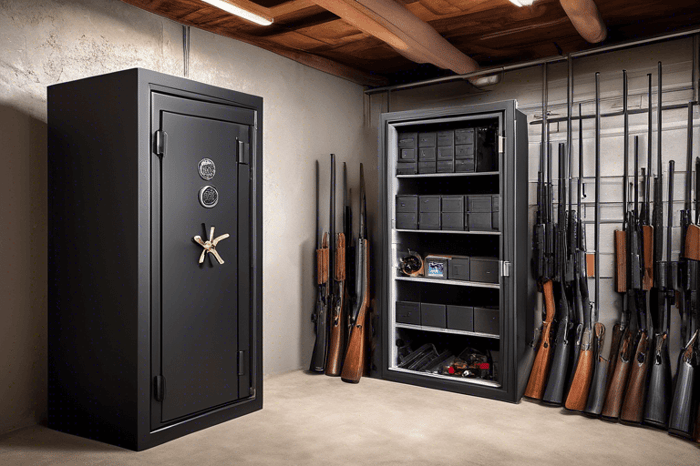
How To Make A Garage Gun Safe Storage Work
If you must use the garage, several steps can reduce risks and improve protection.
1. Choose The Right Safe
A safe designed for high humidity and temperature changes is essential. Look for these features:
- Weather-resistant seals around the door
- Thicker steel construction
- Internal insulation for fire and moisture control
- Pre-drilled holes for secure anchoring
2. Control Humidity
Moisture is the top enemy in garage storage. Here’s how to fight it:
- Use a dehumidifier inside the safe, such as electric rods or desiccant packs.
- Consider a room dehumidifier for the entire garage if you live in a humid area.
- Check humidity levels often. Aim for 30-50% inside the safe.
3. Anchor The Safe
It’s important to bolt the safe to the concrete floor. This prevents thieves from moving or tipping it. Use heavy-duty anchor bolts made for your safe’s weight.
4. Improve Security
- Install motion sensor lights outside and inside the garage.
- Add a security camera facing the garage door.
- Upgrade all garage doors and windows with strong locks.
- Keep the garage door closed as much as possible, especially when you are not nearby.
5. Protect From Water
- Place the safe on a raised platform (like concrete blocks or a steel stand) to avoid water contact during flooding.
- Do not put the safe against an outside wall where rain or snow could seep in.
- Regularly check for leaks in the garage roof and plumbing.
6. Insulate The Garage
If possible, add insulation to the garage walls and door. This helps keep temperature and humidity more stable. Some homeowners install a small heater or air conditioner in the garage for extra control.
Comparing Garage And Indoor Storage
Here’s a quick comparison of garage versus indoor gun safe storage:
| Factor | Garage | Inside Home |
|---|---|---|
| Temperature Control | Poor | Good |
| Humidity Risk | High | Low |
| Burglary Risk | Higher | Lower |
| Space for Large Safes | Excellent | Limited |
| Flooding Risk | Possible | Rare |
Real-world Data: Garage Break-in Statistics
According to the FBI, about 9% of home burglaries begin through the garage. This is often due to easy access or weak locks. Studies show that garages attached to homes are more likely to be targeted, especially if the garage is not visible from the street.
Best Locations For A Gun Safe
If you have options, here’s how common safe locations compare:
| Location | Security | Climate Control | Accessibility |
|---|---|---|---|
| Garage | Medium | Poor | Good |
| Basement | High | Good | Medium |
| Bedroom Closet | High | Excellent | Excellent |
| Home Office | High | Excellent | Good |
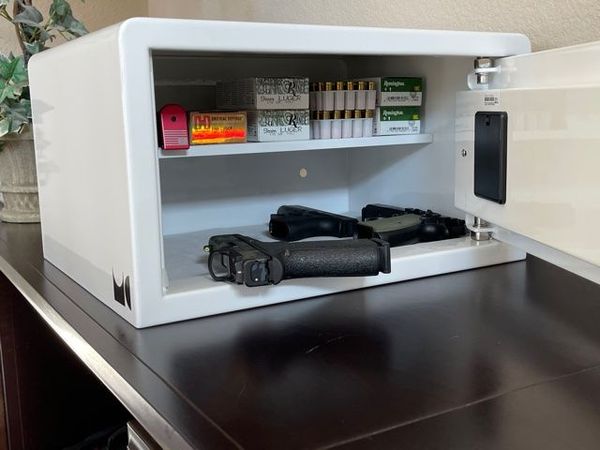
Non-obvious Tips For Garage Gun Safe Owners
Most people think a garage gun safe is only about size and convenience. Two extra points to consider:
- If your garage shares a wall with your house, place the safe against this wall. The temperature will be less extreme than an outside wall.
- Avoid sharing your garage layout or safe location with anyone who does not need to know. Even friendly conversations can spread sensitive information.
When Not To Use The Garage
Some situations make garage storage a poor choice:
- You live in a flood-prone area.
- The garage is not insulated at all.
- Local crime rates are high, or garages are a common target.
- You cannot bolt the safe to the floor.
If any of these apply, it’s better to find an indoor spot, even if it’s less convenient.
Final Thoughts
While it is possible to keep a gun safe in the garage, there are clear risks. With the right safe, moisture control, and security steps, you can reduce these risks. But if you have a better indoor option, it is usually the safer and more reliable choice. Always think about both physical security and the long-term condition of your firearms.
Frequently Asked Questions
Is It Legal To Keep A Gun Safe In The Garage?
Yes, it is legal in most parts of the United States. However, you must still follow all local laws about firearm storage and access.
How Do I Keep My Gun Safe From Rust In The Garage?
Use a dehumidifier or desiccant packs inside the safe. Check humidity levels regularly, and keep the safe closed as much as possible.
Can I Put A Gun Safe On The Garage Floor?
Yes, but it is better to put the safe on a raised platform to protect from water and moisture. Always anchor the safe to the concrete for security.
Will A Garage Gun Safe Affect My Home Insurance?
Some insurance companies want to know where and how your firearms are stored. Storing guns in a garage may impact your coverage or premiums. Always check with your provider.
What Size Gun Safe Is Best For A Garage?
Choose a safe that fits your firearms and valuables, but also make sure it can be moved safely into the garage. Heavy, fire-rated safes are best for garages because they offer more protection.


Leave a Reply