

Keeping moisture out of your gun safe is essential for protecting firearms, ammunition, and other valuable items. Moisture can lead to rust, corrosion, and even mold growth, which damages metal, wood, and electronics. Many gun owners underestimate the risks, believing their safe is automatically dry.
In reality, safes often trap humidity inside, especially in basements or areas with poor ventilation. This guide helps you keep your gun safe dry, prevent expensive damage, and maintain your collection’s value.
Table of Contents
Why Moisture Is A Threat In Gun Safes?
Humidity is invisible but dangerous. When moisture builds up inside a gun safe, it reacts with metal surfaces, leading to rust and corrosion. Rust weakens gun parts, affects accuracy, and can make a firearm unsafe to use. Wood stocks, scopes, and electronics also suffer. Mold and mildew thrive in damp environments, making your safe smell and damaging documents or optics.
According to the National Shooting Sports Foundation, even a small amount of condensation can trigger surface rust within days. Data shows that a relative humidity above 60% is risky for guns. Many homes reach these levels in summer or rainy seasons. If you store ammunition, moisture can cause primers and powder to degrade, reducing reliability.
Common Causes Of Moisture In Gun Safes
Several factors introduce moisture to gun safes:
- Location: Safes in basements, garages, or near water pipes often face higher humidity.
- Safe Material: Thick steel walls can trap cold air, leading to condensation when the outside temperature rises.
- Opening Frequency: Each time you open the safe, humid air enters.
- Lack of Climate Control: If the room is not heated or cooled, humidity can fluctuate.
- Fireproofing Materials: Some safes use fireboard or gypsum, which naturally holds moisture.
Many new gun owners miss one key fact: fire-resistant safes are often more humid inside due to the moisture in fireproofing materials. If you store your safe in a closet or basement, expect higher humidity.

How To Measure Moisture Levels?
Before you take action, you need to know if your safe has a moisture problem. The simplest way is to use a hygrometer, a device that measures humidity.
Types Of Hygrometers
There are analog and digital options:
| Type | Accuracy | Price Range | Ease of Use |
|---|---|---|---|
| Analog | Moderate | $10-$30 | Simple |
| Digital | High | $15-$50 | Very Easy |
Place the hygrometer inside your safe for a few hours. Check the reading. For gun safes, humidity should be below 50%. If your reading is higher, you need moisture control.
Solutions For Moisture Control
Several methods help keep gun safes dry. Each option suits different needs and budgets.
1. Desiccants
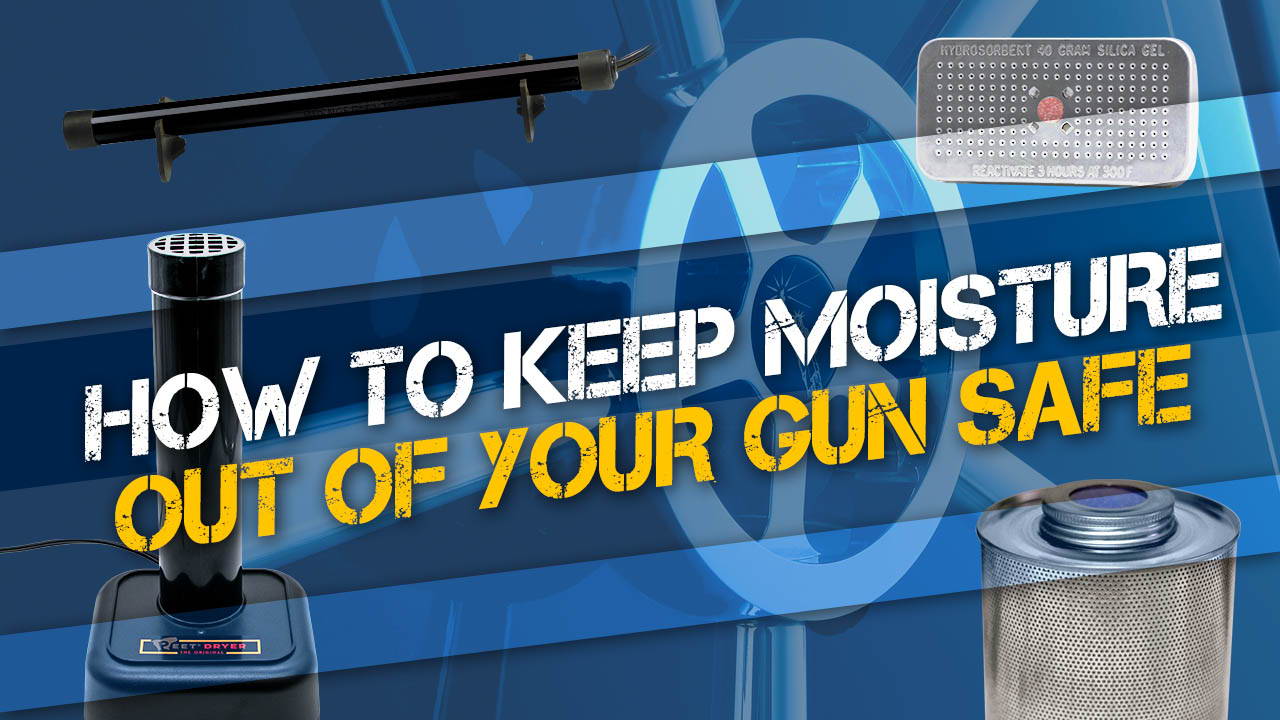
Desiccants are materials that absorb moisture from the air. Silica gel is the most popular type. These come in packets or canisters and are easy to place inside the safe.
- Reusable silica gel can be dried and reused. When they change color, bake them in the oven to refresh.
- Calcium chloride is another option, but it needs to be replaced often.
A common mistake is forgetting to recharge or replace desiccants. Set a reminder every month to check them.
2. Dehumidifiers
Small electric dehumidifiers are designed for gun safes. These devices remove moisture and are reliable if you have access to power.
There are two main types:
| Type | Power Source | Maintenance | Effectiveness |
|---|---|---|---|
| Plug-in Rod | Electric Outlet | Low | High |
| Rechargeable Mini | Battery/Plug | Medium | Moderate |
GoldenRod is a well-known heating rod that keeps air inside the safe warm, preventing condensation. It uses little electricity and lasts for years. Always check the cord and connections for safety.
3. Safe Placement
Where you put your gun safe matters. If possible, place it in a room with controlled temperature and humidity. Avoid basements and garages, which are prone to dampness. If you must use these spaces, elevate the safe on a wooden pallet or rubber mat.
This keeps it away from cold concrete, which encourages condensation.
4. Ventilation
Some safes have built-in vents. If yours does, use them. If not, consider opening the safe briefly once a week to let air circulate. Do not leave the door open for long; outside humidity can enter.
5. Moisture Barrier
Install a moisture barrier under your safe if it sits on concrete. Heavy-duty plastic sheeting or rubber mats block ground moisture from seeping up. This is especially important for older safes or those in flood-prone areas.
6. Regular Maintenance
Clean your guns and safe regularly. Wipe down metal surfaces with a dry, lint-free cloth. Use gun oil or moisture-displacing spray on firearms. Inspect for signs of rust or mildew. If you see any, act quickly.
Comparing Moisture Control Options
It helps to compare the main methods side-by-side:
| Method | Cost | Maintenance | Effectiveness | Best For |
|---|---|---|---|---|
| Silica Gel | Low ($10-$25) | Monthly | Moderate | Small Safes |
| Electric Rod | Medium ($30-$50) | Yearly | High | Large Safes |
| Mini Dehumidifier | Medium ($20-$40) | Monthly | Moderate | Medium Safes |
| Moisture Barrier | Low ($5-$15) | None | Moderate | Basement Placement |
Practical Tips For Gun Safe Owners
- Monitor humidity year-round. Seasonal changes can cause spikes in moisture.
- Check seals and hinges. Damaged seals let in humid air. Replace worn parts.
- Avoid storing wet items. Don’t put damp clothing, papers, or gear in your safe.
- Label maintenance dates. Keep a log of when you recharge desiccants or clean firearms.
- Combine methods. Using a dehumidifier and silica gel together gives extra protection.
- Move safe if needed. If your safe is always damp, consider relocating it.
A non-obvious insight: fire-resistant safes often need more moisture control. The fireboard insulation can add humidity inside the safe. Owners sometimes think fireproof means waterproof, which is not true.
Another overlooked tip: gun safes aren’t just for firearms. If you store passports, cash, or electronics, moisture can damage them. Use separate containers or sleeves for sensitive items inside the safe.

Mistakes To Avoid
- Ignoring humidity checks. Many people never measure moisture until rust appears.
- Using the wrong desiccant. Not all moisture absorbers are safe for gun safes. Some can spill or react with metal.
- Plugging in unsafe devices. Only use UL-listed dehumidifiers and check wiring.
- Leaving safe open too long. This can let in more humid air than it removes.
- Overcrowding the safe. Too many items block air movement, making moisture problems worse.
How Climate Affects Your Safe?
If you live in a humid state like Florida, Louisiana, or Texas, you face higher risks. The US EPA notes average indoor humidity often exceeds safe levels in southern states. In dry regions like Arizona, moisture is less of a threat, but sudden rain or leaks can still cause problems.
Homes with air conditioning or heating systems have better control over humidity. If your safe is in an older home or a room without climate control, invest in more than one moisture solution.
The Role Of Ammo Storage
Ammunition needs special care. Store ammo in airtight boxes inside your gun safe. Even small amounts of moisture can ruin primers and powder. Military surplus ammo cans with rubber seals offer extra protection. Always check for corrosion on ammo cases.
Insurance And Moisture Damage
Gun owners often forget that insurance policies may not cover rust or moisture damage. Photograph your collection and keep records. Some insurers require proof that you use moisture control. This protects your investment and speeds up claims if damage occurs.
Frequently Asked Questions
How Often Should I Replace Or Recharge Silica Gel In My Gun Safe?
Silica gel packets usually last one to three months, depending on humidity levels. Check the color indicator and recharge or replace as needed. In high-humidity areas, you may need to do this more often.
Can I Use A Regular Home Dehumidifier For My Gun Safe?
No. Home dehumidifiers are too large and not designed for small enclosed spaces like gun safes. Use a safe-specific electric rod or mini dehumidifier for best results.
What Humidity Level Is Safe For Storing Firearms?
Aim for below 50% relative humidity inside your gun safe. This prevents rust and corrosion. Use a digital hygrometer to monitor levels accurately.
Is It Safe To Store Important Documents In A Gun Safe?
Yes, but use moisture-proof sleeves or containers for extra protection. High humidity can cause paper to yellow or mold. Combine moisture control methods for safety.
What Should I Do If I See Rust In My Gun Safe?
Remove affected items and clean with gun oil or rust remover. Lower humidity inside the safe immediately. Check for leaks, damaged seals, or faulty dehumidifiers, and fix the problem.
Last Word
Moisture is a quiet but serious enemy for gun safe owners. With the right tools and regular checks, you can keep your firearms, ammo, and valuables in top condition. Preventing rust and mold saves money and protects your collection for years to come.

Leave a Reply