
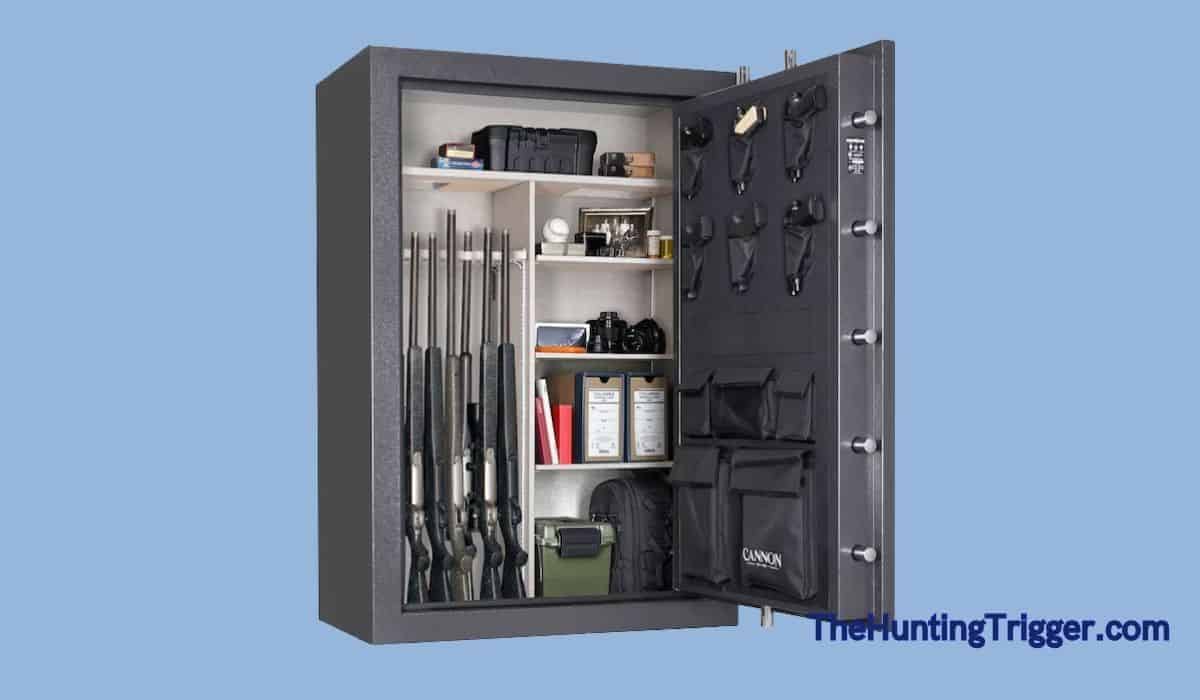
Gun safes are a serious investment for anyone who owns firearms. They protect guns from theft, unauthorized access, and fire. Choosing the right safe means balancing cost, security, build quality, and storage options. Redfield is a name that has gained attention in the gun safe market, especially among budget-conscious buyers.
But does Redfield offer reliable protection and features, or are there better choices? This article reviews Redfield gun safes in detail, including real-world performance, build quality, security features, and how they compare to other brands.
Table of Contents
Redfield Gun Safe Overview
Redfield is known for producing affordable gun safes, often sold at big retailers like Academy Sports. The safes cater to both casual gun owners and those looking for basic firearm security. Most Redfield models are entry-level to mid-range, making them popular with first-time buyers and people who don’t want to spend thousands of dollars.
Several Redfield safes are available, with sizes ranging from small pistol boxes to full-size rifle cabinets. Most models feature:
- Steel construction (usually 14-gauge or 16-gauge)
- Electronic lock or mechanical lock
- Fire rating (typically 30 minutes at 1400°F)
- Adjustable shelving
- Bolt-down holes for extra security
It’s important to note that Redfield does not manufacture high-end or commercial-grade safes. Their focus is on basic security for home use.
Build Quality And Materials
The strength of a gun safe depends on the steel thickness, welds, hinges, and door design. Redfield safes use 14-gauge or 16-gauge steel, which is common in entry-level safes but not considered high security. For comparison, premium safes often use 10-gauge or thicker.
Here’s a comparison of steel thickness across major brands:
| Brand | Steel Gauge | Door Thickness | Body Thickness |
|---|---|---|---|
| Redfield | 14–16 | Approx. 1.25″ | Approx. 0.75″ |
| Liberty | 12–10 | 1.5″–2″ | 1″–1.5″ |
| Browning | 12–10 | 1.5″–2″ | 1″–1.5″ |
| Stack-On | 14–16 | 1.25″ | 0.75″ |
Redfield’s steel gauge is standard for its price range, but less robust than premium options. The welds are usually clean but not reinforced for heavy attacks.
Interior materials are basic. Shelves use particleboard or thin metal, lined with simple fabric. Hinges are internal, making them harder to cut, but not as strong as external reinforced hinges seen in more expensive safes.
Security Features
Security depends on lock quality, bolt system, and the ability to anchor the safe. Redfield safes typically have:
- Electronic keypad locks (some models offer mechanical dial)
- Three to five locking bolts (1-inch diameter)
- Recessed doors for pry resistance
- Bolt-down holes for floor mounting
How Do Redfield’s Security Features Compare To Other Brands?
| Feature | Redfield | Liberty | Browning |
|---|---|---|---|
| Lock Type | Electronic/Mechanical | Electronic/Mechanical | Electronic/Mechanical |
| Locking Bolts | 3–5 (1″) | 6–10 (1.5″) | 8–10 (1.5″) |
| Pry Resistance | Recessed Door | Reinforced Door | Reinforced Door |
| Anchor Holes | Yes | Yes | Yes |
Redfield’s locking system is adequate for basic protection. However, the number and thickness of bolts are less than those in higher-end safes. The electronic lock is convenient but can be less reliable than commercial-grade locks. Some users report lock failures, but most find the keypad easy to operate.
One non-obvious insight: anchoring the safe is just as important as steel thickness. A lightweight safe can be carried off if not bolted down. Redfield includes anchor holes, but many buyers forget to use them. Always secure the safe to a solid surface.
Fire Protection
Fire resistance is a major concern for gun owners. Redfield safes usually offer a 30-minute fire rating at 1400°F. This is enough for most home fires but falls short of top models with 60–90-minute ratings.
Fireproofing comes from:
- Fireboard insulation (1–2 layers)
- Heat-expanding door seal
- Tested to industry standards
Here’s a fire rating comparison:
| Model | Fire Rating | Insulation |
|---|---|---|
| Redfield 30-Gun Safe | 30 min @ 1400°F | 1 layer fireboard |
| Liberty Centurion | 40 min @ 1200°F | 2 layers fireboard |
| Browning Sporter | 60 min @ 1400°F | 2 layers fireboard |
If you live in a high-risk area or store valuable documents, consider a safe with a longer fire rating. Redfield’s protection is basic but does help safeguard guns from brief exposure.
Storage And Capacity
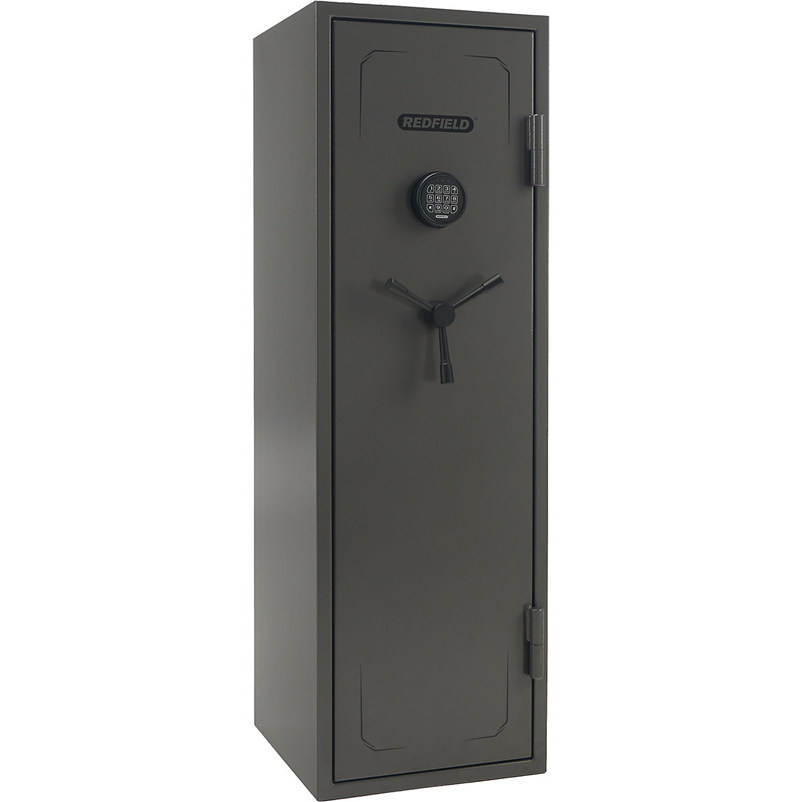
Redfield offers different sizes, from small 8-gun cabinets to 30-gun safes. Shelving is adjustable, allowing you to store rifles, shotguns, and handguns. Most models include door organizers for pistols, magazines, or paperwork.
Some buyers expect to fit the maximum number of guns advertised. In reality, capacity numbers are optimistic. For example, a “30-gun safe” usually fits fewer guns if scopes are attached or if you store other items.
Practical tip: measure your firearms and accessories before buying. Oversized scopes, stocks, or tactical rifles reduce usable space.
Ease Of Use And Setup
Redfield safes are straightforward to install. They arrive with the lock pre-programmed, and instructions are simple. Most models weigh 200–400 lbs, making them manageable for two people.
Lock programming is easy for the electronic models. Changing the code takes a minute. Mechanical dials require more time to set up but are reliable.
Bolt-down holes are pre-drilled. Redfield includes basic hardware, but upgrading to heavy-duty anchor bolts improves security.
Common mistake: buyers often place the safe on carpet or wood without anchoring. This reduces stability and security. Always bolt to concrete or strong flooring.

Price And Value
Redfield’s main appeal is affordability. Most models cost $400–$800, which is lower than many competitors. For buyers on a tight budget, this is attractive.
Here’s a price comparison of popular safes:
| Safe | Capacity | Fire Rating | Price (Approx.) |
|---|---|---|---|
| Redfield 24-Gun | 24 | 30 min | $599 |
| Liberty Centurion 24 | 24 | 40 min | $899 |
| Stack-On 18-Gun | 18 | 30 min | $499 |
| Browning Sporter 23 | 23 | 60 min | $1,099 |
Redfield safes cost less but offer fewer premium features. If you need basic protection and fire resistance, Redfield delivers good value. If you require advanced security, spending more on Liberty or Browning is wise.
Real-world Performance
Owners report mixed experiences. The safe is sturdy enough for home use and deters casual theft. Most say the electronic lock works well, but a few mention battery issues or lockouts. Shelving is simple but holds up for regular storage.
One insight many miss: humidity control matters. Redfield safes don’t include built-in dehumidifiers. In humid areas, guns can rust. Using a silica gel pack or dehumidifier is essential to protect firearms.
Customer service gets average reviews. Warranty is limited (usually one year). Repairs or replacement parts may take time, so keep your receipt and purchase details.
Who Should Buy Redfield
Redfield suits buyers who:
- Want basic protection for guns
- Have a limited budget
- Need fire resistance for short durations
- Prefer easy setup and operation
It is not ideal for:
- Collectors with high-value firearms
- People needing commercial-grade protection
- Those in areas with high theft risk
For entry-level needs, Redfield is a reasonable choice. For advanced security, consider other brands.
Redfield Vs. Other Brands
Redfield competes with Stack-On, Cannon, and entry-level models from Liberty and Browning. Compared to Stack-On, Redfield has similar steel thickness and fire protection. Liberty and Browning offer better security, more bolts, and longer fire ratings, but cost more.
For buyers who value price over premium features, Redfield is competitive. If you want advanced features, it’s worth paying extra.
Buying Tips For Redfield Safes
- Measure your space before buying. Make sure the safe fits your room and can be moved without damage.
- Check lock type. Electronic locks are convenient, but mechanical dials are more reliable long-term.
- Bolt down the safe. Always anchor to a solid surface to prevent theft.
- Add humidity control. A dehumidifier or silica gel pack keeps guns rust-free.
- Don’t overload. The safe’s stated capacity is optimistic. Plan for fewer firearms, especially with scopes or accessories.
Frequently Asked Questions
How Secure Is A Redfield Gun Safe Against Theft?
Redfield safes deter casual theft and slow down burglars. However, they are not designed for high-risk areas or professional attacks. The steel thickness and bolt system are average for entry-level safes. Anchoring the safe improves security.
Can Redfield Safes Protect Against Fire?
Redfield safes offer a 30-minute fire rating at 1400°F. This is enough for most home fires but less than premium safes. The insulation slows heat, but important papers or electronics may not survive longer fires.
Are Electronic Locks Reliable?
Redfield uses basic electronic locks. They are easy to use but can fail if batteries die or electronics malfunction. Mechanical dials are more reliable but take longer to open. Keep spare batteries handy and check the lock regularly.
What Is The Warranty On Redfield Gun Safes?
Redfield safes usually have a one-year limited warranty. This covers defects in materials and workmanship. Warranty service may take time, so save your purchase receipt.
How Many Guns Can A Redfield Safe Really Hold?
Actual capacity is less than the advertised number. If you have rifles with scopes, tactical stocks, or store accessories, expect to fit 60–80% of the stated capacity. Plan your storage needs carefully.
Final Thoughts
Redfield offers an affordable gun safe solution for basic firearm protection. The safes provide decent steel, easy operation, and fire resistance suitable for most homes. While they lack the advanced security and fire protection of premium brands, Redfield delivers value for buyers who want peace of mind without spending a fortune. For those needing higher protection, investing in a stronger, more feature-rich safe is wise.

Leave a Reply