
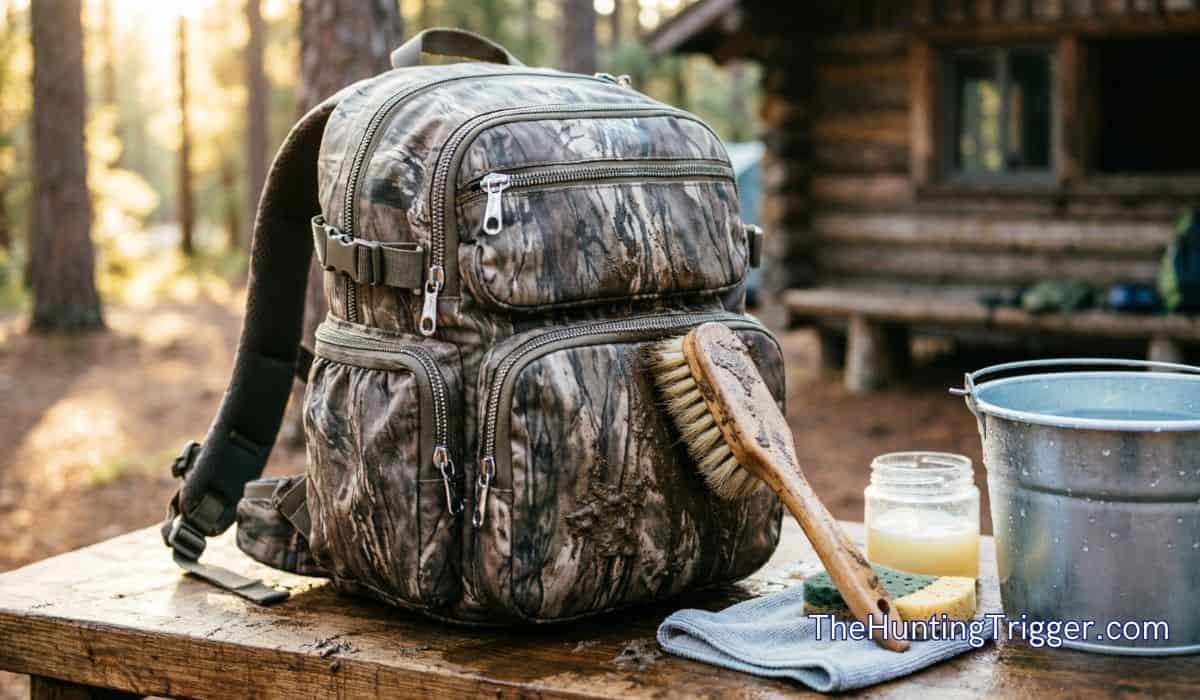
Washing a hunting backpack is not just about removing dirt or stains. It’s about preserving its strength, waterproofing, and scent control. A well-cared-for backpack can last for years, handle rough terrain, and carry heavy loads without problems. If your hunting trips leave your pack dirty, smelly, or muddy, cleaning it the right way makes a big difference.
Many beginners use harsh chemicals or toss backpacks into the washer, but this can damage fabric, zippers, and waterproof layers. With some attention and the right methods, you can keep your hunting backpack in top shape.
Table of Contents
Why Cleaning A Hunting Backpack Matters?
Your backpack faces mud, blood, sweat, and sometimes even animal scents. These can build up and affect both appearance and function. A dirty pack can:
- Attract animals with unwanted scents
- Lose waterproofing
- Wear out zippers and straps
- Reduce comfort
According to outdoor gear surveys, over 70% of hunters say a clean pack helps them avoid detection by game. It also extends the life of the backpack by preventing mold and material breakdown.
What should you wear on a hunting trip
Preparing Your Backpack For Washing
Before you begin, preparation is important. Small mistakes can ruin expensive gear.
- Empty All Pockets: Remove every item, including crumbs, shells, wrappers, and gear.
- Shake Out Loose Debris: Turn the pack upside down and shake it well.
- Check Care Label: Manufacturers often include instructions on the inside tag. Some packs have materials that need special handling.
- Remove Detachable Parts: Take off hip belts, straps, or metal frames if possible.
- Brush Off Dry Mud: Use a soft brush to remove dried mud or leaves.
Common Mistake: Ignoring The Care Label
Many hunters skip reading the tag. This can lead to washing in hot water or using bleach, which damages the fabric and waterproof coating. Always check for warnings or special instructions.
What is the best hunting clothing
Choosing The Right Cleaning Products
Not all soaps are safe for hunting backpacks. Regular laundry detergents often leave scents that can alert animals. For best results, use:
- Mild soap: Unscented, biodegradable soap works well.
- Specialty gear cleaner: Designed for outdoor fabrics.
- Warm water: Avoid hot water, which can weaken glue and coatings.
Avoid bleach, fabric softeners, and strong chemicals. These can break down fibers, fade colors, and remove waterproofing.
Comparison Of Cleaning Products
Here’s a quick comparison of common cleaning agents:
| Product | Effect on Fabric | Scent Residue | Safe for Waterproofing |
|---|---|---|---|
| Mild soap | No damage | None | Yes |
| Laundry detergent | Possible fading | High | No |
| Bleach | Strong damage | None | No |
| Gear cleaner | Safe | None | Yes |
Washing Methods: Hand Wash Vs Machine Wash
Hand Washing
Hand washing is the safest way for most hunting backpacks. It lets you clean gently and avoid stress on zippers and seams.
Steps:
- Fill a large tub or sink with warm water.
- Add a small amount of mild soap or gear cleaner.
- Use a soft brush or sponge to scrub the pack, focusing on stains and high-contact areas.
- Rinse thoroughly with clean water.
- Squeeze out excess water, but don’t twist or wring the fabric.
Hand washing keeps the waterproof coating intact and prevents damage to straps and fasteners.
Machine Washing
Some backpacks are labeled as machine-washable. If so, use these precautions:
- Place the backpack in a pillowcase or laundry bag.
- Use the gentle cycle and cold water.
- Avoid spin drying, as it can stretch or tear fabric.
- Remove immediately after washing to air dry.
Machine washing is faster but risks damaging waterproof layers or hardware. Only use this method if the manufacturer says it’s safe.
Data: Hand Wash Vs Machine Wash
A survey by outdoor gear repair shops found that 82% of hunting backpacks damaged in cleaning were machine washed incorrectly. Hand washing reduces this risk.
| Method | Damage Risk | Average Cleaning Time | Recommended for |
|---|---|---|---|
| Hand wash | Low | 30-60 minutes | Most packs |
| Machine wash | High | 15-30 minutes | Machine-safe packs only |
Drying Your Backpack
Drying is just as important as washing. Incorrect drying can cause mildew or shrinkage.
- Hang the backpack upside down in a well-ventilated area.
- Avoid direct sunlight, which can fade colors.
- Never use a dryer, as heat damages straps and coatings.
- Open all pockets and zippers to speed up drying.
- If possible, remove padding and let it dry separately.
A typical hunting backpack takes 24–36 hours to air dry completely. Rushing the process can trap moisture inside, leading to odor and mold.
Handling Stubborn Stains And Odors
Some stains, like blood or animal fat, need extra attention. For tough spots:
- Use a mixture of baking soda and water to scrub the area.
- Let it sit for 15 minutes before rinsing.
- Repeat if needed, but avoid vigorous scrubbing.
For strong odors, especially animal scent:
- Rinse with a vinegar solution (1 part vinegar to 4 parts water).
- Wash again with mild soap to remove the vinegar smell.
Never use scented sprays or perfumes to mask odors. These can be detected by wildlife and may stick to the fabric.
Restoring Waterproofing
After a few washes, the backpack may lose some water resistance. You can restore it:
- Use a spray-on waterproofing product made for outdoor gear.
- Apply after the backpack is completely dry.
- Follow instructions for coverage and drying time.
This step is often skipped by beginners, but it keeps your pack ready for rain or wet terrain.
Storing Your Backpack After Washing
Proper storage prevents dust, moisture, and unwanted smells.
- Store in a cool, dry place.
- Keep away from direct sunlight and heat sources.
- Avoid plastic bags, which trap moisture.
- Hang or lay flat to maintain shape.
If storing for months, place a small packet of silica gel inside to absorb moisture.

Important Tips And Common Mistakes
Practical Tips
- Wash after every hunting trip, especially in muddy or wet conditions.
- Use unscented soap to avoid attracting animals.
- Inspect seams and straps before and after washing for wear.
Common Mistakes
- Using scented detergent: Leaves strong smells that wildlife can detect.
- Machine drying: Shrinks and damages fabric.
- Ignoring stains: Blood and mud can cause material to break down faster.
- Skipping waterproofing: Backpack loses protection against rain.
Example: Scent Control
A hunter in Colorado shared that after cleaning his backpack with scented soap, he noticed deer avoiding his usual spots. Switching to unscented gear cleaner improved his success rate.
How Often Should You Wash A Hunting Backpack?
Frequency depends on use and conditions. For heavy use:
- After every trip in muddy or wet weather.
- Every 2–3 trips in dry conditions.
- Before and after storing for the season.
Washing too often can wear out the fabric, but neglecting cleaning leads to odor and damage.
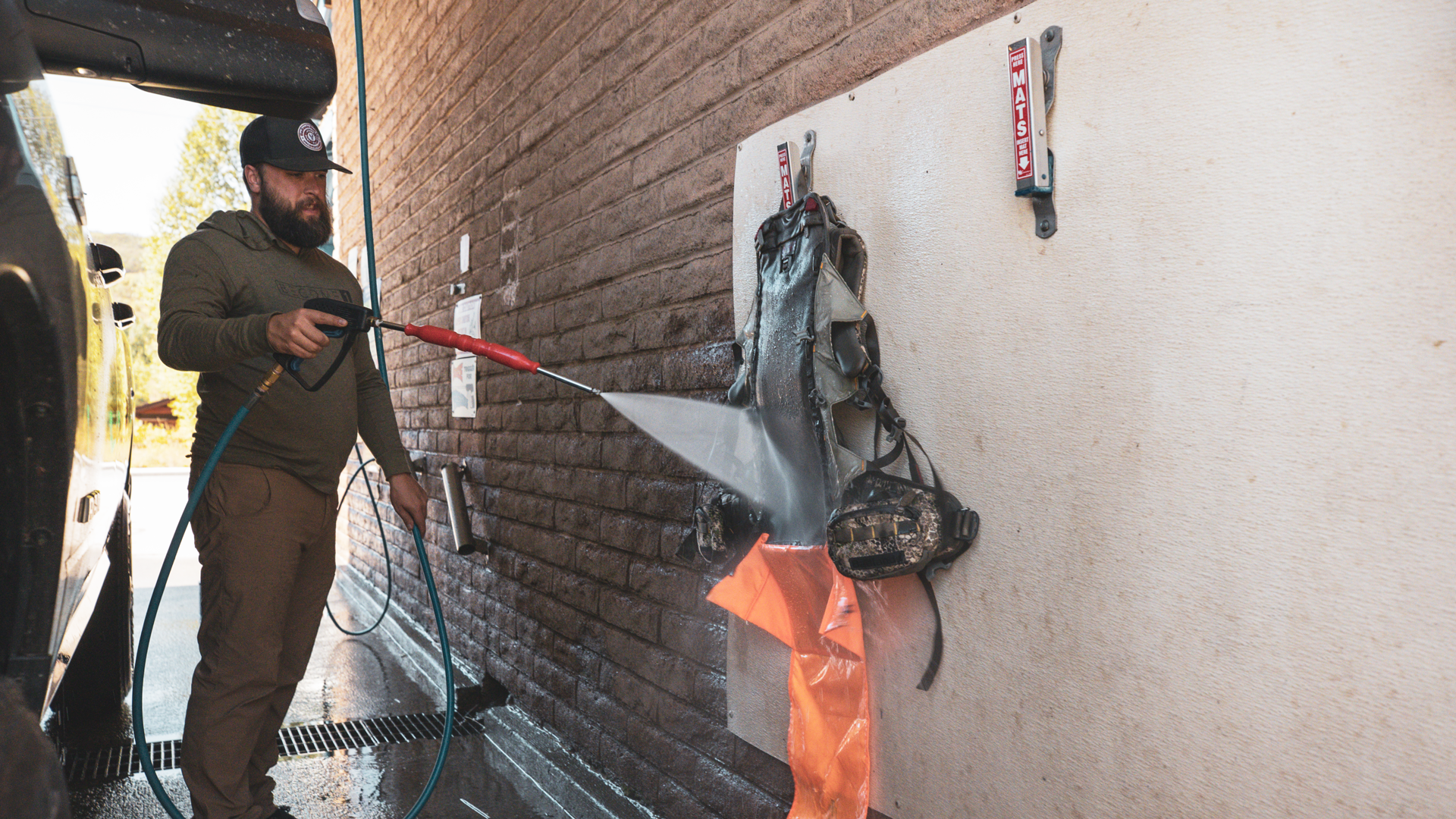
Comparing Backpack Materials And Cleaning Needs
Different backpack materials need different care.
| Material | Cleaning Difficulty | Waterproofing | Scent Absorption |
|---|---|---|---|
| Nylon | Easy | High | Low |
| Canvas | Medium | Low | Medium |
| Polyester | Easy | Medium | Low |
Nylon and polyester are easier to clean and dry, while canvas may hold scents longer and require extra attention.
Extra Care For Zippers And Buckles
Zippers and buckles can fail if mud or grime builds up.
- Clean with an old toothbrush.
- Rinse with water, but avoid soaking metal parts.
- Dry fully before storing.
- Lubricate zippers with a silicone-based product if they start to stick.
Neglecting these small parts can lead to expensive repairs or replacements.
Safety Precautions
- Always wear gloves if cleaning blood or animal residue.
- Work in a well-ventilated area.
- Keep cleaning products away from children and pets.
Outdoor gear cleaning might seem simple, but safety matters, especially when dealing with biological stains.
Frequently Asked Questions
How Do I Remove Blood Stains From My Hunting Backpack?
Mix baking soda with water to form a paste. Apply to the stain, let sit for 15 minutes, then scrub gently. Rinse with warm water. Repeat as needed. Avoid harsh chemicals, as they can damage fabric and waterproofing.
Can I Use Regular Laundry Detergent For Washing?
It’s best to use unscented, mild soap or specialty gear cleaner. Regular detergent may leave scents that wildlife can detect and can damage waterproof coatings. Always check the care label for specific instructions.
Is It Safe To Machine Wash All Hunting Backpacks?
No. Only machine wash if the care label says it’s safe. Use a gentle cycle, cold water, and a laundry bag. Remove the backpack immediately after washing to air dry. Many packs are better cleaned by hand.
How Long Does It Take For A Hunting Backpack To Dry?
Air drying usually takes 24–36 hours. Hang the backpack upside down in a ventilated area. Avoid using a dryer or exposing the pack to direct sunlight, as this can cause shrinkage and fading.
How Often Should I Reapply Waterproofing After Washing?
After every 2–3 washes or whenever water no longer beads on the surface. Use a spray-on product designed for outdoor gear. Make sure the backpack is completely dry before application.
Last Word
Caring for your hunting backpack is easy with the right knowledge and products. A clean, well-maintained pack not only lasts longer but also helps you stay undetected and comfortable in the field.

Leave a Reply