
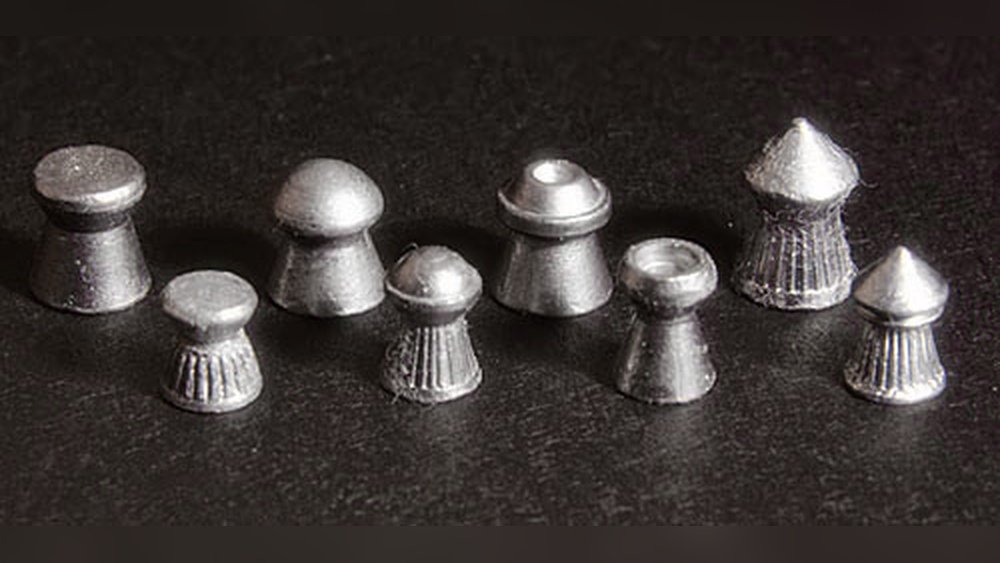
Many people enjoy shooting BB guns for sport, training, or fun. But few stop to wonder: what are BB gun pellets made of? The answer isn’t as simple as you might think. The materials used can affect accuracy, safety, and even the environment. Understanding the different types of BB gun pellets helps you choose the right one for your needs and avoid common problems.
The Classic Material: Steel
The most common BB gun pellets are made of steel. These pellets are usually coated with a thin layer of zinc or copper to prevent rust. Steel is popular because it’s strong, affordable, and holds its round shape well. Most BBs you find in stores are 4.5 mm in diameter and weigh around 0.35 grams.
While steel BBs are great for target shooting, they can bounce back or ricochet off hard surfaces. This makes them less suitable for shooting at metal targets or in small spaces. Always wear eye protection when using steel BBs to avoid injuries.
Lead: The Original Bb Pellet
Before steel became the standard, lead was the main material for BB gun pellets. Lead is dense and soft, which means these pellets hit harder and deform on impact. Some target shooters prefer lead BBs for their accuracy and energy transfer.
However, there are safety concerns with lead. It’s toxic, especially for children, and can contaminate soil if used outdoors. Because of these risks, lead BBs are now rare and sometimes banned in certain areas. If you handle lead pellets, wash your hands after use and never use them where animals or kids play.
Plastic Bb Pellets
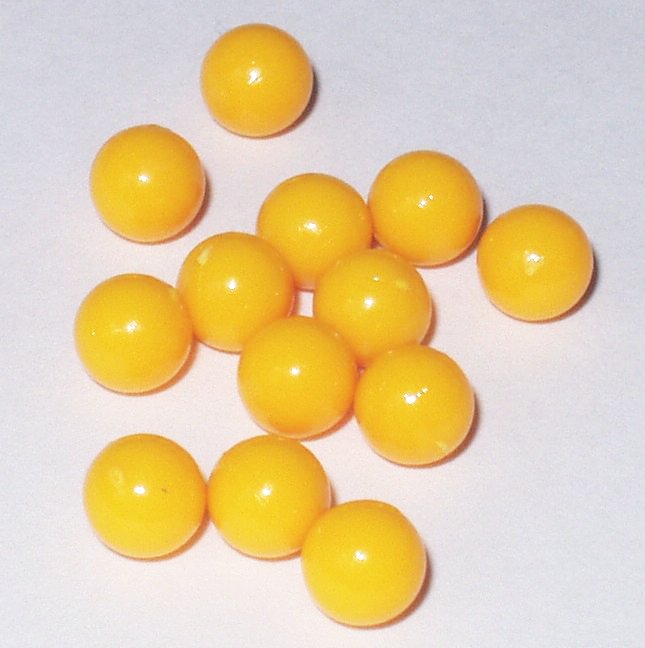
Plastic BBs are common in airsoft guns but are also used in some low-power BB guns. These pellets are lightweight and come in different colors, like white or green. Plastic BBs are less likely to damage surfaces or cause injury, making them a good choice for indoor shooting or training.
However, plastic BBs are affected more by wind and have less accuracy at longer ranges. They are also not as eco-friendly unless made from biodegradable materials.
Biodegradable Pellets
As environmental awareness grows, biodegradable BBs are becoming more popular. These pellets are usually made from a mix of PLA (polylactic acid) or other compostable plastics. They break down over time, especially in moist soil, reducing pollution.
Biodegradable BBs are ideal for outdoor shooting, especially where cleanup is difficult. However, they can be more expensive and may not last as long in storage as regular plastic or metal BBs. Always check if your BB gun can use biodegradable pellets, as some guns need harder BBs to work properly.
Copper-coated And Zinc-coated Bbs
Some steel BBs get an extra layer of copper or zinc. This coating helps prevent rust and gives the BBs a shiny finish. Copper-coated BBs can slide more smoothly through the barrel, which may improve accuracy slightly.
Zinc-coated BBs are usually silver-colored and resist corrosion well. Both types are mainly designed for use in standard BB guns. The main difference is appearance and shelf life, not performance.
Ceramic Bbs
A smaller category is ceramic BBs. Made from high-strength ceramics, these pellets are very hard and wear-resistant. They are used mostly for special training or technical purposes, not regular BB guns. Ceramic BBs can be dangerous because they don’t deform on impact and can shatter targets.
Aluminum Bbs
Aluminum is another rare but interesting material for BB gun pellets. Aluminum BBs are lighter than steel but still harder than plastic. They are sometimes used in specialty shooting or when low ricochet risk is needed. However, they are not widely available.
Glass Bbs
Glass BBs are almost never used for regular BB guns, but you may find them in some old or specialized designs. Glass is very hard and smooth, but also risky to use because it can shatter. These are mainly for collectors or experimental shooting.
Comparing Common Bb Pellet Materials
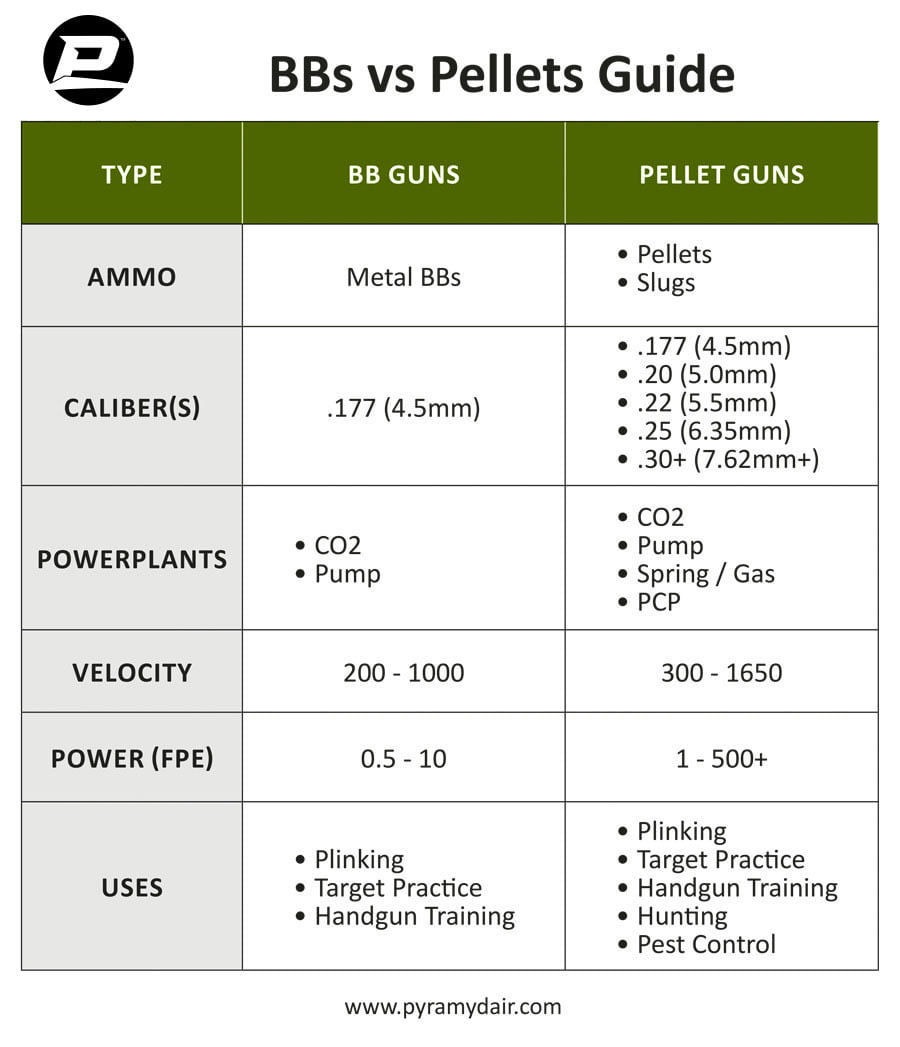
To help you understand the main differences, here’s a quick comparison of the most common BB pellet materials:
| Material | Weight | Ricochet Risk | Environmental Impact |
|---|---|---|---|
| Steel | Medium (0.35g) | High | Low (if coated) |
| Lead | Heavy (0.48g+) | Medium | High (toxic) |
| Plastic | Light (0.12g+) | Low | Medium (unless biodegradable) |
| Biodegradable | Light (0.12g+) | Low | Low |
| Copper/Zinc-Coated Steel | Medium (0.35g) | High | Low |
How Material Affects Performance
The material of a BB pellet changes more than just weight. It influences:
- Accuracy: Heavier pellets (like lead) often fly straighter, while lighter ones (plastic) can drift in wind.
- Penetration: Harder materials penetrate targets more easily.
- Safety: Soft or lightweight BBs are less likely to cause injury or damage.
- Barrel wear: Softer BBs are easier on your BB gun’s barrel.
- Cost: Steel and plastic are affordable, while ceramic or glass can be costly.
Real-world Examples
In target competitions, shooters often pick copper-coated steel BBs for their smooth surface and consistent size. For airsoft games, biodegradable plastic BBs are the rule, especially outdoors, to avoid littering.
Hunters or pest controllers sometimes use lead BBs for maximum stopping power, but this is less common now due to health rules. Indoor training facilities usually choose plastic BBs to protect walls and minimize cleanup.
Two Insights Most Beginners Miss
- BB Shape Matters Too: While the material is important, the shape and finish also make a difference. Cheap BBs can have seams or rough spots that hurt accuracy and may jam your gun.
- Not All BBs Are Interchangeable: Some guns are designed only for steel BBs and can be damaged by softer or larger pellets. Always check your user manual before trying new materials.
Common Mistakes To Avoid
- Using lead BBs in areas where children play or where animals feed.
- Storing biodegradable BBs in humid places, which can break them down before use.
- Shooting steel BBs at hard surfaces without eye protection.
Future Trends In Bb Gun Pellets
Manufacturers are now experimenting with eco-friendly materials and improved coatings. Biodegradable BBs are getting cheaper, and new hybrid materials offer a balance between performance and safety. As more people become aware of environmental and health issues, expect to see even more choices in BB pellet materials.
For further reading about air gun ammunition history and materials, check the Wikipedia Air Gun entry.
Frequently Asked Questions
What Is The Most Common Material For Bb Gun Pellets?
The most common material is steel, often with a zinc or copper coating to prevent rust.
Are Lead Bbs Safe To Use?
Lead BBs are toxic and should be used with care. They are not recommended for children or in outdoor areas where they might pollute the soil.
Can I Use Airsoft Plastic Bbs In My Bb Gun?
Most BB guns are designed for steel BBs and may not work well or safely with plastic airsoft pellets. Always check your gun’s manual.
Do Biodegradable Bbs Really Break Down In Nature?
Yes, biodegradable BBs made from PLA will break down over time in moist soil. However, they need the right conditions to decompose fully.
Why Do Some Bbs Have A Copper Or Zinc Coating?
A copper or zinc coating protects steel BBs from rust and improves their smoothness, which can help with accuracy and storage life.
Understanding what BB gun pellets are made of can make your shooting experience safer, more accurate, and friendlier to the environment. Always match the pellet material to your needs and equipment for the best results.

Leave a Reply