Choosing a rifle scope often feels more complicated than it should. Many buyers focus on features they don’t actually need, or overlook what matters for their type of shooting. Some people get caught up in magnification numbers or reticle styles without thinking about how these affect real-world use.
There’s also confusion about durability and what actually makes a difference in the field. By the end of this review, you’ll have a clear sense of which scope fits your needs best—and why.
Table of Contents
How To Decide Between These Vortex Rifle Scopes?
Does The Diamondback Tactical Deliver True Precision For Long Range?
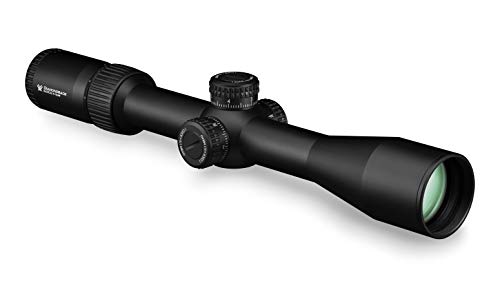
Yes, this scope is built to give consistent precision, especially at longer ranges. The first focal plane reticle means holdover marks stay accurate no matter the zoom. Glass quality is high, with extra-low dispersion and full multi-coating for a crisp, bright view.
The exposed turrets and side parallax adjustment make it more practical for dialing in distant shots.
In daily use, switching magnification is smooth thanks to the precision-glide erector system. The reticle remains easy to see and accurate at any zoom. Adjusting the turrets feels solid, with clear clicks. The single-piece tube design and solid seals keep out moisture and fog, even in rough weather.
I find the fast-focus eyepiece helpful for quick reticle sharpening before taking a shot.
Where The Diamondback Tactical Stands Out
- First focal plane, glass-etched reticle for consistent subtensions at any magnification.
- Side parallax knob helps remove parallax error for long-range accuracy.
- Exposed turrets allow fast, repeatable adjustment for windage and elevation.
- Extra-low dispersion glass and full multi-coating enhance clarity and brightness.
- Shockproof, waterproof, and fogproof design handles tough environments.
- Smooth magnification changes thanks to the precision-glide erector system.
What To Consider Before Picking The Diamondback Tactical
- Heavier and longer than some scopes, may not balance well on lightweight rifles.
- More features mean a steeper learning curve for beginners.
- Exposed turrets can be bumped out of adjustment if not careful.
- No built-in illumination for low-light shooting scenarios.
Ideal For Demanding Shooters Who Like To Dial In
This scope suits those who want to fine-tune every shot, especially at longer ranges. It removes the stress of guessing holdovers or dealing with unclear markings when zoomed in. Beginners might find the features a bit much, but experienced users will appreciate the control.
A practical tip: always double-check your turret zero after transport. In my experience, the peace of mind comes from knowing the reticle subtensions are always right, no matter the magnification.
Is The Crossfire Ii The Simpler Choice For General Hunting?
It depends. The Crossfire II is ideal for straightforward hunting and shooting at typical distances. The Dead Hold BDC reticle makes estimating holdover easier without extra fuss. The scope is simple to set up and forgiving with its generous eye relief and eye box.
Durability is solid, and it’s backed by a strong warranty.
For day-to-day use, the Crossfire II is quick to get on target. The fast-focus eyepiece and bright, clear glass help in varied light. It’s lighter than some tactical scopes and balances well on most rifles. The capped turrets avoid accidental adjustments in the field.
I find that for new shooters, the setup is intuitive and not overwhelming.

Where The Crossfire Ii Excels In Practice
- Long eye relief and wide eye box make it easy to acquire targets quickly.
- Dead Hold BDC reticle simplifies holdover for hunting at varying ranges.
- Lightweight and compact for easier handling and better rifle balance.
- Durable, shockproof construction with waterproof and fogproof sealing.
- Fast-focus eyepiece is user-friendly for quick reticle adjustment.
What To Know Before Choosing Crossfire Ii
- No parallax adjustment, so less suited for precise long-range shooting.
- Capped turrets limit easy, on-the-fly windage and elevation adjustments.
- BDC reticle may require some learning for range estimation.
- Lower magnification range compared to more advanced scopes.
Great For Hunters Who Want Less Hassle
This scope is best for those who want a reliable, no-nonsense hunting optic. It removes the worry about complicated adjustments and is easy to set up. Beginners will find it forgiving, while even experienced users appreciate its simplicity.
One tip: spend a few minutes getting familiar with the BDC reticle before your first hunt. In my experience, the Crossfire II brings peace of mind by simply working as expected, shot after shot.
Key Questions For Choosing The Right Rifle Scope
Do I need precise reticle subtensions at different magnifications? Is parallax adjustment important for my shooting style? Will exposed turrets help or hinder my field use? How much does ease of target acquisition matter to me? Should I favor advanced features or straightforward reliability? What’s more important: long-range flexibility or quick, simple setup?
Comparing Vortex Diamondback Vs Crossfire For Practical Use
Both scopes have their place in real shooting scenarios, but the differences show up quickly in use. The Diamondback Tactical leans toward technical adjustability and long-range control. The Crossfire II is more about simple, reliable performance for everyday hunts. I judged them based on how easy they are to use, how much control they offer, and how forgiving they are in the field.
Which Scope Is Easier To Use For A New Shooter?
The Crossfire II feels more approachable for beginners. Its controls are simple and setup is straightforward. The Diamondback Tactical offers more features, but these can be overwhelming if you’re just starting out.
| Metric | Vortex Optics Diamondback Tactical 4-16×44 First Focal Plane | Vortex Optics Crossfire II Dead Hold BDC Reticle |
|---|---|---|
| User friendliness | Intermediate to advanced | Beginner-friendly |
| Setup time | Longer | Short |
| Turret adjustment | Exposed and technical | Capped and simple |
| Manual complexity | More details to learn | Basic instructions |
Ratings: Vortex Optics Diamondback Tactical 4-16×44 First Focal Plane – 7/10
Vortex Optics Crossfire II Dead Hold BDC Reticle – 9/10
So what? If you’re newer to scopes or want less fuss, the Crossfire II is the easier path.
How Do The Optics Compare In Different Lighting?
Both scopes use fully multi-coated lenses for good clarity. The Diamondback Tactical’s extra-low dispersion glass gives a slight edge in sharpness and brightness, especially at higher magnification. The Crossfire II holds up well in most hunting conditions.
| Decision point | Vortex Optics Diamondback Tactical 4-16×44 First Focal Plane | Vortex Optics Crossfire II Dead Hold BDC Reticle |
|---|---|---|
| Low light clarity | Very good | Good |
| Max brightness | Excellent | Good |
| High magnification performance | Sharp | Acceptable |
| Reticle visibility | Consistent at any zoom | Clear at low to mid zoom |
Ratings: Vortex Optics Diamondback Tactical 4-16×44 First Focal Plane – 9/10
Vortex Optics Crossfire II Dead Hold BDC Reticle – 8/10
So what? Optics enthusiasts and long-range shooters will notice the subtle quality differences.
What About Real-world Durability And Weather Resistance?
Both scopes are built tough, with waterproofing and nitrogen purging. The Diamondback Tactical is slightly more robust with its single-piece 30mm tube, but the Crossfire II is also dependable for rough handling.
| Use case | Vortex Optics Diamondback Tactical 4-16×44 First Focal Plane | Vortex Optics Crossfire II Dead Hold BDC Reticle |
|---|---|---|
| Heavy recoil rifles | Handles well | Handles well |
| Wet conditions | Waterproof, fogproof | Waterproof, fogproof |
| Extreme cold/heat | Reliable | Reliable |
| Accidental drops | Shockproof | Shockproof |
Ratings: Vortex Optics Diamondback Tactical 4-16×44 First Focal Plane – 8/10
Vortex Optics Crossfire II Dead Hold BDC Reticle – 8/10
So what? Both are solid for outdoor use, so durability won’t tip the decision either way.
Which Scope Adapts Better To Different Types Of Shooting?
The Diamondback Tactical is more versatile for long-range and technical shooting because of its reticle and turret system. The Crossfire II is best for standard hunting and mid-range shots.
| Metric | Vortex Optics Diamondback Tactical 4-16×44 First Focal Plane | Vortex Optics Crossfire II Dead Hold BDC Reticle |
|---|---|---|
| Long range | Strong performer | Basic |
| Quick shots | Moderate | Excellent |
| Target shooting | Precise | Good |
| Hunting | Technical | Easy |
Ratings: Vortex Optics Diamondback Tactical 4-16×44 First Focal Plane – 9/10
Vortex Optics Crossfire II Dead Hold BDC Reticle – 8/10
So what? Versatility matters if you shoot beyond typical hunting distances or want to dial in shots.
Is One Easier To Keep Zeroed After Rough Handling?
The Crossfire II’s capped turrets help prevent accidental changes. The Diamondback Tactical’s exposed turrets are better for fast adjustments, but they need more attention in the field.
| Decision point | Vortex Optics Diamondback Tactical 4-16×44 First Focal Plane | Vortex Optics Crossfire II Dead Hold BDC Reticle |
|---|---|---|
| Turret protection | Exposed, easy to bump | Capped, stays put |
| Quick adjustments | Fast, precise | Slower |
| Zero retention | Good, but check after transport | Very good for field use |
Ratings: Vortex Optics Diamondback Tactical 4-16×44 First Focal Plane – 7/10
Vortex Optics Crossfire II Dead Hold BDC Reticle – 9/10
So what? If you’re moving through brush or tossing your rifle in a truck, capped turrets are handy.
Who Should Pick Each Scope For The Field?
If you want maximum control for long shots, and you’re comfortable with detailed adjustments, the Diamondback Tactical 4-16×44 First Focal Plane is for you. It’s built for those who enjoy dialing in and want precision at any magnification. This scope fits shooters who are confident tweaking settings and value technical features.
The Crossfire II Dead Hold BDC Reticle works best for hunters and casual shooters who just want to set up and go. It’s intuitive, quick to use, and forgiving. If you’d rather not worry about exposed turrets or parallax, this is the safer, simpler option—especially for beginners.
If you’re still unsure, let your typical shooting distance and comfort with scope adjustments decide. Either way, you’ll end up with a dependable Vortex optic that holds up in real-world use.
Vortex Diamondback Vs Crossfire FAQ: What Buyers Really Ask
Is The First Focal Plane On The Diamondback Tactical Worth It For Most Shooters?
If you shoot at different magnifications and want precise holdovers, first focal plane is helpful. For casual or single-distance shooting, it might be more than you need.
Do Both Scopes Fit Standard Rifle Mounts?
Yes, both use standard mounting systems. The Diamondback Tactical uses a 30mm tube, so double-check your rings, while the Crossfire II uses a 1-inch tube.
What’s The Real-world Difference In Image Clarity?
The Diamondback Tactical is slightly sharper, especially at higher magnifications, thanks to extra-low dispersion glass. The Crossfire II is still clear enough for most hunting scenarios.
Will The Turrets On The Diamondback Tactical Get Knocked Out Of Zero?
Exposed turrets can be moved if bumped, so it’s smart to check zero before key shots. The Crossfire II’s capped turrets are less likely to move accidentally.
How Much Does Eye Relief Differ Between These Two Scopes?
The Crossfire II is known for generous eye relief and a forgiving eye box. The Diamondback Tactical is also comfortable, but requires more precise head placement at higher magnification.
Which Scope Is Better For Low-light Hunting?
The Diamondback Tactical edges out with brighter glass and higher clarity at max zoom. The Crossfire II performs well at dawn or dusk for typical hunting distances.
Are There Maintenance Differences Between These Models?
Both require basic lens cleaning and care, with no special maintenance needed. The seals and nitrogen purging handle most weather and storage conditions.

Leave a Reply