
This comprehensive guide covers everything you need to know about 130 score 130 class whitetail deer.


Key Takeaways
-
✓
A 130-class whitetail is a significant trophy, representing a benchmark in antler development and deer quality. -
✓
Accurate scoring involves detailed measurements of beam length, tine length, and circumference, factoring in symmetry deductions. -
✓
Genetics, age (typically 4.5+ years), and superior nutrition are the critical factors influencing a buck’s potential to reach 130 inches. -
✓
Effective habitat management, including food plots and selective harvesting, is crucial for producing and maintaining 130-class deer. -
✓
Understanding common myths and misconceptions about antler growth aids in more effective deer management strategies.
❓ Frequently Asked Questions
1
What is a 130-class whitetail deer?
A 130-class whitetail deer is a buck whose antlers score 130 inches or more using standardized scoring methods like Boone & Crockett or Pope & Young. This score indicates a mature, well-developed animal, representing a significant achievement for hunters and a benchmark for herd quality.
2
How is a 130-inch whitetail buck typically scored?
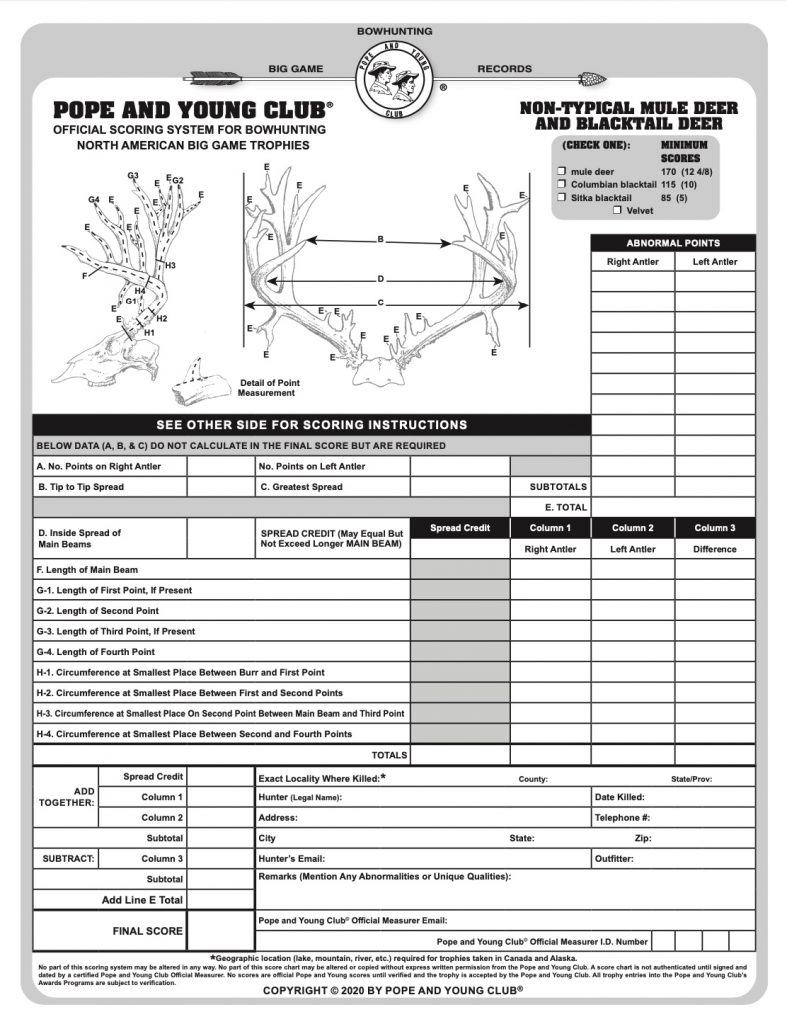
A 130-inch buck is scored by measuring antler dimensions including main beam length, individual tine lengths, and circumferences between tines. These gross measurements are then adjusted by deducting symmetry differences between the left and right antlers, yielding a net score that determines the official class.

3
What factors primarily influence a whitetail buck reaching 130 inches?
Three primary factors determine if a buck reaches 130 inches: genetics, age, and nutrition. Genetics provide the potential for antler growth, sufficient age (typically 4.5+ years) allows that potential to manifest, and consistent high-quality nutrition fuels optimal antler development.
4
Is a 130-class whitetail considered a true trophy?
Absolutely, a 130-class whitetail is widely considered a true trophy, especially in regions where deer management is challenging. While higher scores exist, reaching 130 inches demonstrates exceptional deer quality and often requires dedicated management efforts and hunting skill, making it a highly respected benchmark.
5
How can I manage my land to attract and grow 130-class whitetail deer?
Managing for 130-class deer involves providing year-round high-quality forage, creating diverse cover, and implementing strict age-structure management. This means allowing younger bucks to mature, reducing doe populations if necessary, and minimizing hunting pressure on developing bucks, focusing harvest on mature animals or those with poor genetics.
6
How is a whitetail deer scored for its antlers?
Antlers are scored by measuring main beam length, tine lengths (G-points), inside spread, and circumferences (H-points) at specific locations. Abnormal points are also measured for non-typical scores. Gross score is the sum of these, while net score deducts for asymmetry.


Leave a Reply