
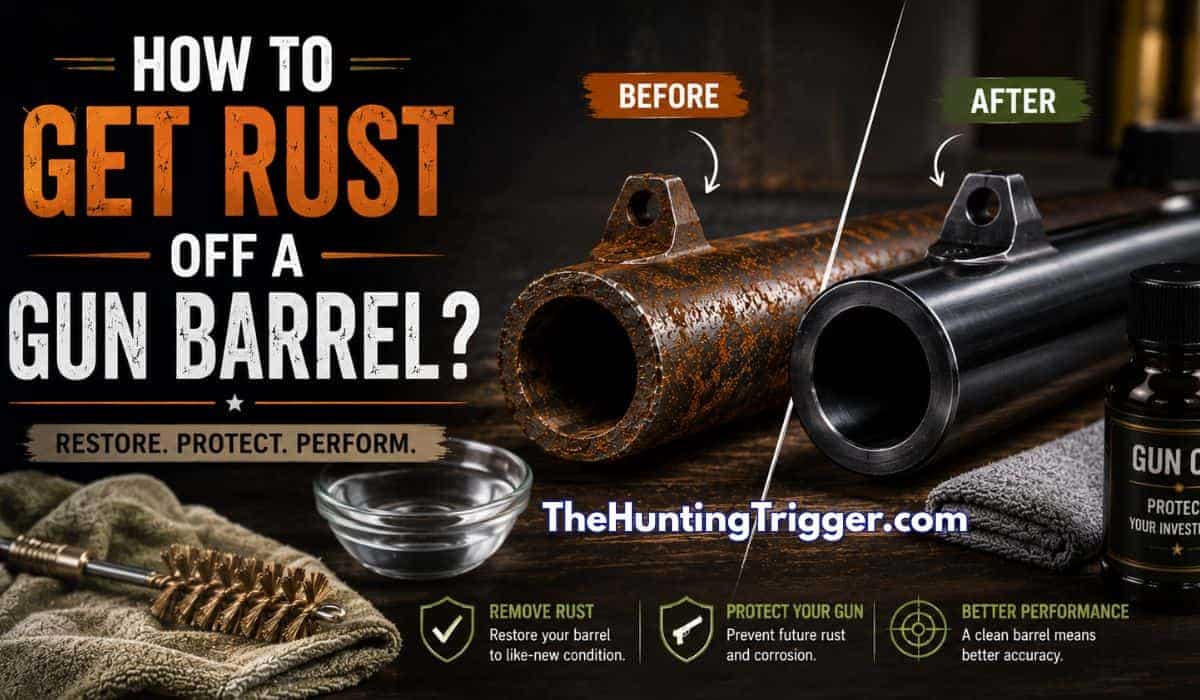
Keeping your gun barrel free from rust is essential for safety, performance, and value. Rust not only harms the metal, but it can also affect accuracy and reliability. Many gun owners face this problem, especially if they live in humid areas or store their guns incorrectly.
This guide will help you remove rust from a gun barrel with clear advice, practical solutions, and tips that work for beginners and experienced users alike.
Table of Contents
Why Rust Forms On Gun Barrels?
Rust is a type of corrosion that happens when iron or steel reacts with moisture and oxygen. Gun barrels are often exposed to sweat, rain, and humidity, making them prone to rust. Even small amounts of moisture left after handling or shooting can start the process.
Over time, rust weakens metal, damages rifling, and can cause dangerous failures.
Statistics show that about 30% of gun owners have found rust on their firearms at some point. This is not just a cosmetic issue; it can change how the gun fires and lowers its value.
Materials Needed For Removing Rust
Before you begin, gather the right materials. Using proper tools will make the job easier and prevent damage.
- Gun oil or penetrating oil (like CLP or WD-40)
- Soft cloths or microfiber towels
- Nylon brush (not wire)
- Brass brush (for tougher spots)
- Steel wool (0000 grade; only for stubborn rust)
- Cotton swabs
- Cleaning rod
- Gloves (protects your hands)
- Protective eyewear
- Gun cleaning patches
Having the right materials prevents scratches and keeps the barrel safe. Never use sandpaper or hard wire brushes, as they can ruin the finish and rifling.
Preparing The Gun For Cleaning
Safety comes first. Make sure the gun is unloaded and pointed in a safe direction. Remove the magazine and check the chamber. If possible, take apart the gun so you can access the barrel easily. Place your workspace on a flat, clean surface.
Good lighting helps you see all the rust spots.
Some beginners forget to wear gloves or eye protection. Chemicals and small metal pieces can cause skin or eye irritation. Always protect yourself during cleaning.
Removing Light Rust
If the rust is minor and only on the surface, you can usually fix it with oil and gentle rubbing.
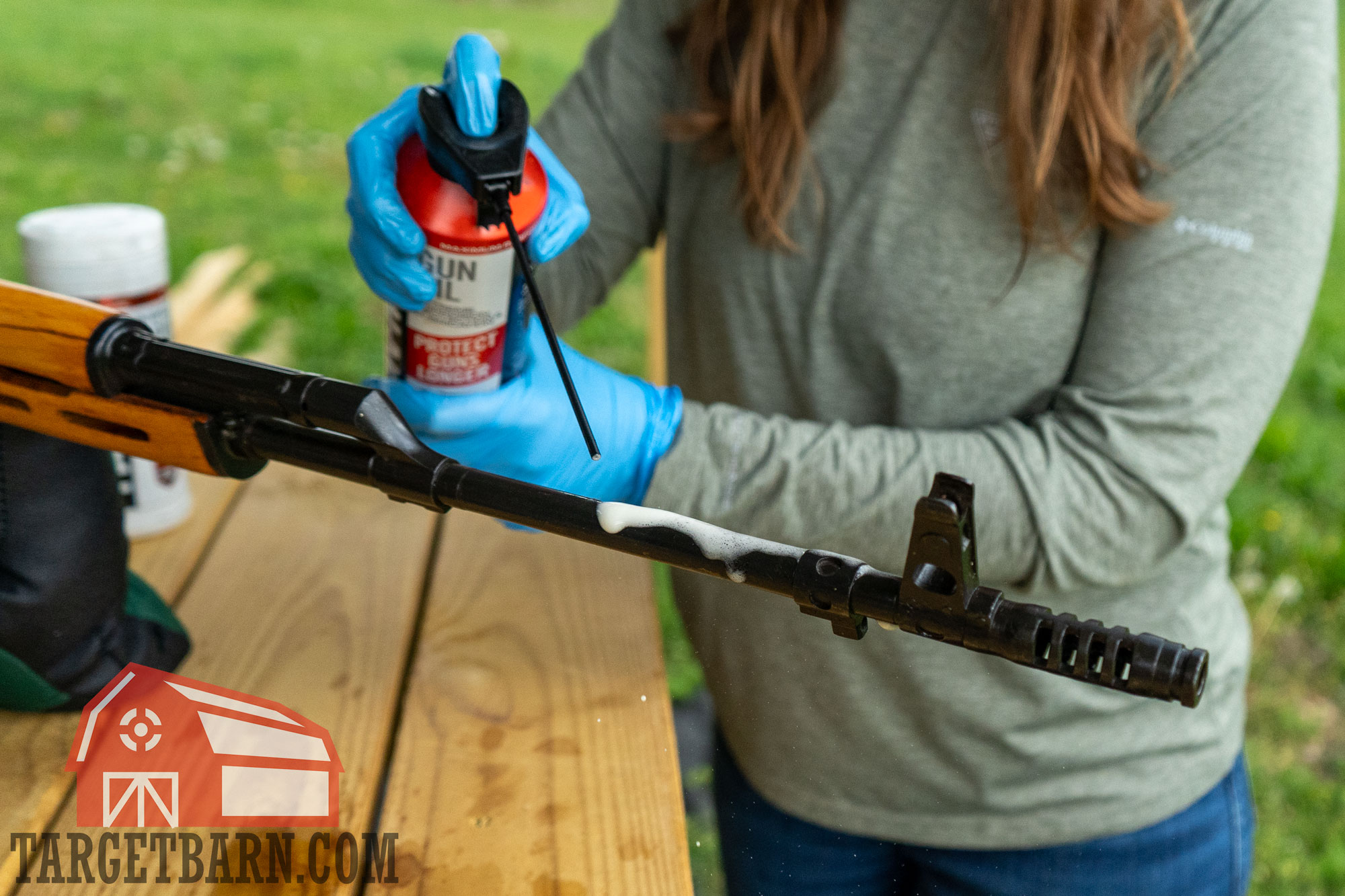
- Apply a small amount of gun oil or penetrating oil to the rusty area.
- Let it sit for 10–15 minutes. This loosens the rust and makes it easier to wipe away.
- Use a soft cloth to rub the barrel gently. Move in the direction of the grain, not across it.
- If needed, use a nylon brush for extra scrubbing. Avoid wire brushes unless absolutely necessary.
Repeat these steps until the rust is gone. Wipe away any extra oil with a clean cloth.

Removing Heavy Rust
Deeper rust requires more effort and care. Too much force can damage the barrel, so go slowly.
- Apply penetrating oil and let it soak for at least 30 minutes.
- Use a brass brush to scrub the rust. Brass is softer than steel, so it won’t scratch the barrel.
- For very stubborn spots, use 0000 steel wool. Wet it with oil and rub gently. Don’t press hard, and avoid using steel wool inside the barrel.
- Wipe the area with a clean cloth and inspect.
If the rust is inside the barrel, use a cleaning rod with a brush or patch. Move the rod carefully to avoid damaging the rifling.
Some people try homemade solutions like vinegar or baking soda. These can work for small spots but might cause pitting if left too long. Always rinse and dry the barrel fully after using such methods.
Comparing Rust Removal Methods
Here is a comparison of three common rust removal methods for gun barrels:
| Method | Effectiveness | Risk of Damage | Cost |
|---|---|---|---|
| Gun Oil & Cloth | Good for light rust | Very low | Low |
| Brass Brush | Good for moderate rust | Low | Medium |
| Steel Wool (0000) | Best for stubborn rust | Medium (if misused) | Low |
Choosing the right method depends on how bad the rust is. Always start with the gentlest option.

Cleaning Inside The Barrel
Cleaning inside the barrel is different from cleaning the outside. The rifling (grooves) needs to stay sharp. Use a cleaning rod with a bronze brush and patches.
- Attach the brush to the rod and dip it in oil.
- Run the brush through the barrel several times, from chamber to muzzle.
- Switch to a clean patch and repeat until patches come out clean.
- Dry the barrel with another patch.
Some beginners make the mistake of using steel wool inside the barrel, which can ruin the rifling. Stick to brushes made for gun cleaning.
Protecting The Barrel After Cleaning
Once the rust is gone, you need to protect the barrel from future corrosion. Apply a thin layer of gun oil to all metal surfaces. Store the gun in a dry place, away from moisture and humidity.
Here’s a quick comparison of storage methods:
| Storage Method | Protection Level | Ease of Use | Cost |
|---|---|---|---|
| Gun Safe with Dehumidifier | Excellent | Easy | High |
| Silica Gel Packs | Good | Easy | Low |
| Regular Cabinet | Moderate | Easy | Low |
A gun safe with a dehumidifier is best, but even simple silica gel packs can make a big difference.
Common Mistakes And How To Avoid Them
Many gun owners unknowingly make errors that lead to more rust or damage. Here are some mistakes to watch out for:
- Using too much force: Scrubbing hard can scratch the barrel or remove bluing (the protective finish).
- Leaving oil on too long: Some oils can attract dust and dirt if not wiped off.
- Using the wrong brush: Steel or hard wire brushes can cause permanent damage.
- Not drying the barrel: Moisture left behind can start new rust.
- Storing guns in humid places: Basements or garages often cause more rust.
Always check your work and handle the barrel with care. If unsure, ask an experienced gun owner or professional for advice.
Extra Tips For Preventing Rust
Prevention is easier than removal. Here are some effective ways to keep your gun barrel rust-free:
- Wipe down the barrel after every use.
- Use gun oil regularly, even if you don’t see rust.
- Store guns in a dry environment.
- Check for rust every month, especially during rainy seasons.
- Handle guns with clean, dry hands to avoid sweat transfer.
Some gun owners add a thin layer of wax after oiling. This seals the metal and stops moisture. It’s a little-known trick that can add extra protection.
When To Seek Professional Help?
If rust is severe or covers large areas, or if the barrel has pitting (small holes), it’s best to consult a gunsmith. Deep rust can weaken the barrel and make the gun unsafe. Professionals have tools and chemicals that remove rust without harming the metal.
Repairs for heavily rusted barrels can cost $50–$200 depending on the damage. If your gun is valuable or sentimental, don’t risk home repairs.
Comparing Popular Gun Oils And Rust Removers
Choosing the right product matters. Here’s a look at three popular options:
| Product | Rust Removal | Protection | Price |
|---|---|---|---|
| CLP (Cleaner, Lubricant, Protectant) | Very good | Excellent | Medium |
| WD-40 | Good | Moderate | Low |
| Rem Oil | Good | Very good | Medium |
Always read the label and follow instructions. Some oils are better for cleaning, while others protect against future rust.
How Often Should You Check For Rust?
Checking for rust should be part of regular gun maintenance. If you use your gun often, inspect the barrel after every outing. If it’s stored, check once a month. Guns kept in humid climates need extra attention.
According to a survey by the National Shooting Sports Foundation, regular cleaning reduces rust problems by 80%. Skipping checks leads to more serious corrosion.
Non-obvious Insights For Beginners
- Humidity is the main cause: Even if you don’t see water, high humidity can start rust. Using a small dehumidifier in your storage area can make a big difference.
- Bluing is not permanent: Many believe the blue finish lasts forever. It wears off, especially with heavy cleaning or use, so reapply protective oil each time.
These points are often missed by new gun owners and can prevent future issues.
Frequently Asked Questions
What Should I Do If Rust Keeps Coming Back?
Persistent rust is often caused by high humidity or improper storage. Use a dehumidifier, silica gel packs, and check your storage area for leaks. Regularly oil your barrel and inspect for new spots.
Can I Use Household Products To Remove Rust?
Some household items like vinegar can remove rust, but they may also harm the barrel. Always rinse and dry completely. It’s safer to use products made for guns.
Is It Safe To Use Steel Wool On My Gun Barrel?
Steel wool (0000 grade) is safe for tough rust, but use it gently and only on the outside. Never use it inside the barrel, as it can damage rifling.
How Do I Know If The Rust Has Caused Damage?
Look for pitting, rough spots, or changes in accuracy. If the barrel feels rough or you notice a drop in performance, have it checked by a gunsmith.
Last Word
Taking care of your gun barrel is a simple but important task. Removing rust and preventing it means your gun will last longer, shoot better, and stay safe. The right tools, regular checks, and proper storage make all the difference.
Even beginners can handle rust removal with careful attention and patience. If you face tough rust or have doubts, don’t hesitate to seek professional help. Protect your investment, and enjoy reliable performance every time you use your gun.

Leave a Reply