
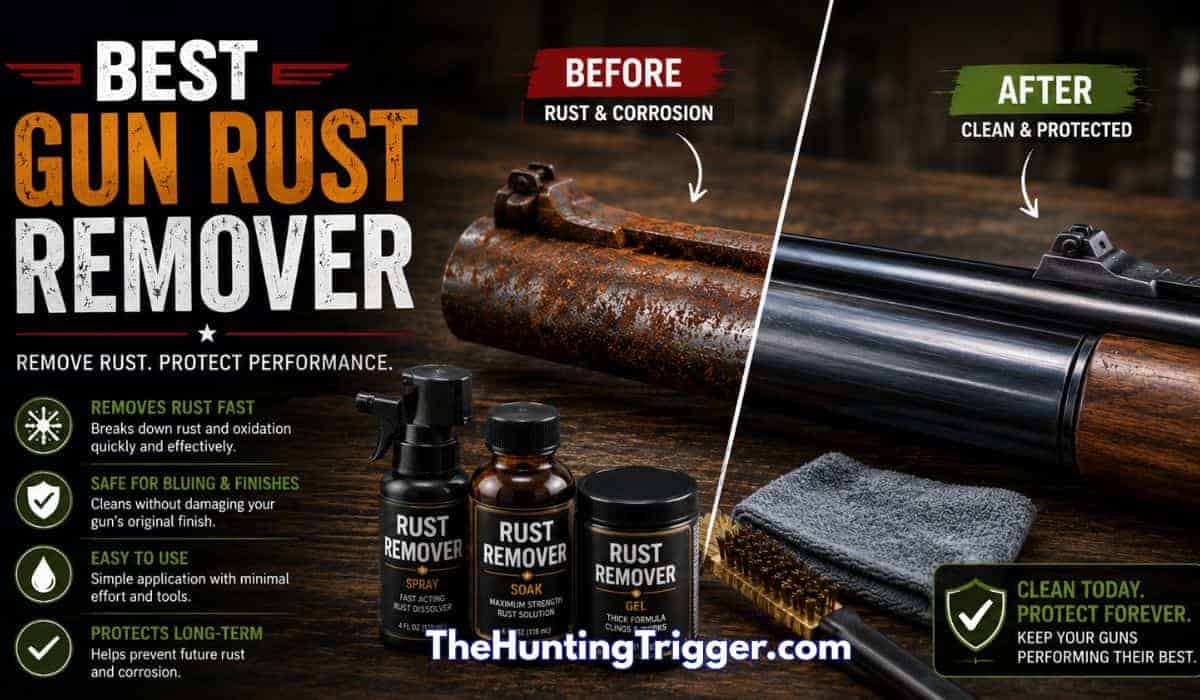
If you own firearms, you know how important it is to keep them clean and safe from rust. Rust not only damages metal surfaces, but it can also affect the performance and value of your gun. Many people struggle with rust removal because they don’t know which products work best.
Some cleaners are harsh, others are slow, and some don’t remove deep rust at all. This guide will help you choose the best gun rust remover for your needs, comparing popular options, showing how to use them, and sharing tips to avoid rust in the future.
Table of Contents
Why Rust Is Dangerous For Guns?
When moisture and oxygen touch metal, rust forms. Guns are especially at risk because they are often exposed to humidity, sweat, and rain. Even a small spot of rust can spread quickly. Corrosion weakens metal parts, making them unsafe or unreliable. Rust can also block moving parts, cause jams, or change the accuracy of your shot.
According to a report from the National Shooting Sports Foundation, 60% of gun owners say rust is their top maintenance concern. The cost to repair a heavily rusted firearm can be hundreds of dollars, while regular cleaning costs only a fraction of that.
Types Of Gun Rust Removers
There are several kinds of products used to remove rust from guns. Each works in a slightly different way, and each has its own strengths.
| Type | How It Works | Common Uses |
|---|---|---|
| Liquid Removers | Dissolve rust chemically | Deep rust, large areas |
| Gels | Stick to vertical surfaces | Spot treatment, hard-to-reach areas |
| Abrasive Pads | Physically scrub rust | Light rust, touch-ups |
| Sprays | Quick application | Routine cleaning |
| Wipes | Remove light rust, oil metal | Travel, quick fixes |
When choosing a remover, think about the type and amount of rust, the material of your gun, and how often you clean it.

Best Gun Rust Removers Compared
Each product has unique features. Here are five of the best rust removers for firearms, based on performance, safety, and price.
1. Break-free Clp
Break-Free CLP is a cleaner, lubricant, and protectant. It removes rust, prevents new rust, and keeps metal smooth. Many military units use it because it’s safe on steel, aluminum, and polymer. It’s best for routine cleaning and light rust. For heavy rust, you may need to apply several times.
Pros:
- Works as a cleaner, lubricant, and rust preventer
- Safe for most gun materials
- No strong smell
Cons:
- Slow on deep rust
- Needs regular use for best results
2. Birchwood Casey Rust Remover
Birchwood Casey’s formula is made for gun parts. It’s a liquid that dissolves rust without harming blueing or finishes. Apply with a brush or dip small parts. Users report fast results and good protection afterward.
Pros:
- Works quickly
- Protects blueing
- Good for small parts
Cons:
- Not for all finishes
- Needs careful rinsing
3. Wd-40 Specialist Rust Remover Soak
WD-40 Specialist is a strong liquid soak. It dissolves rust by soaking parts for a few hours. It is non-toxic and biodegradable. This is best for gun parts you can remove, like screws, triggers, or barrels.
Pros:
- Powerful on deep rust
- Safe for many metals
- No harsh fumes
Cons:
- Can’t be used on assembled guns
- Slow (requires soaking time)
4. Hoppe’s No. 9 Gun Cleaner
Hoppe’s No. 9 is well-known for gun cleaning. It removes surface rust and cleans powder residue. It works best for light rust or as a regular cleaner. For strong rust, combine it with an abrasive pad.
Pros:
- Trusted brand
- Removes light rust and dirt
- Easy to use
Cons:
- Not strong enough for deep rust
- May need extra scrubbing
5. Evapo-rust
Evapo-Rust is a water-based remover. It’s gentle on metal but tough on rust. It’s popular for restoring old guns. You soak parts or apply with a cloth. It’s non-toxic, which is great for home use.
Pros:
- Safe and non-toxic
- Good for restoration
- Works fast
Cons:
- Not for all finishes
- Must rinse well after use
How To Use Gun Rust Removers Safely?
Using rust removers can be simple, but mistakes can cause damage. Here is a practical guide to using these products on your firearm.
1. Unload The Gun
Always check that your gun is empty before cleaning. Remove all ammunition and keep it away from the cleaning area.
2. Disassemble If Possible
Take apart the gun as much as you can. This lets you reach all surfaces and prevents chemicals from getting inside moving parts.
3. Apply The Remover
Use a brush, cloth, or soak according to the product instructions. For gels and liquids, let them sit for the recommended time.
4. Scrub Gently
Use a soft brush or pad. Never use steel wool or rough sandpaper, which can scratch and remove finishes.
5. Rinse And Dry
Some removers need rinsing. Dry all parts with a clean cloth. Make sure moisture does not stay on the gun.
6. Oil And Protect
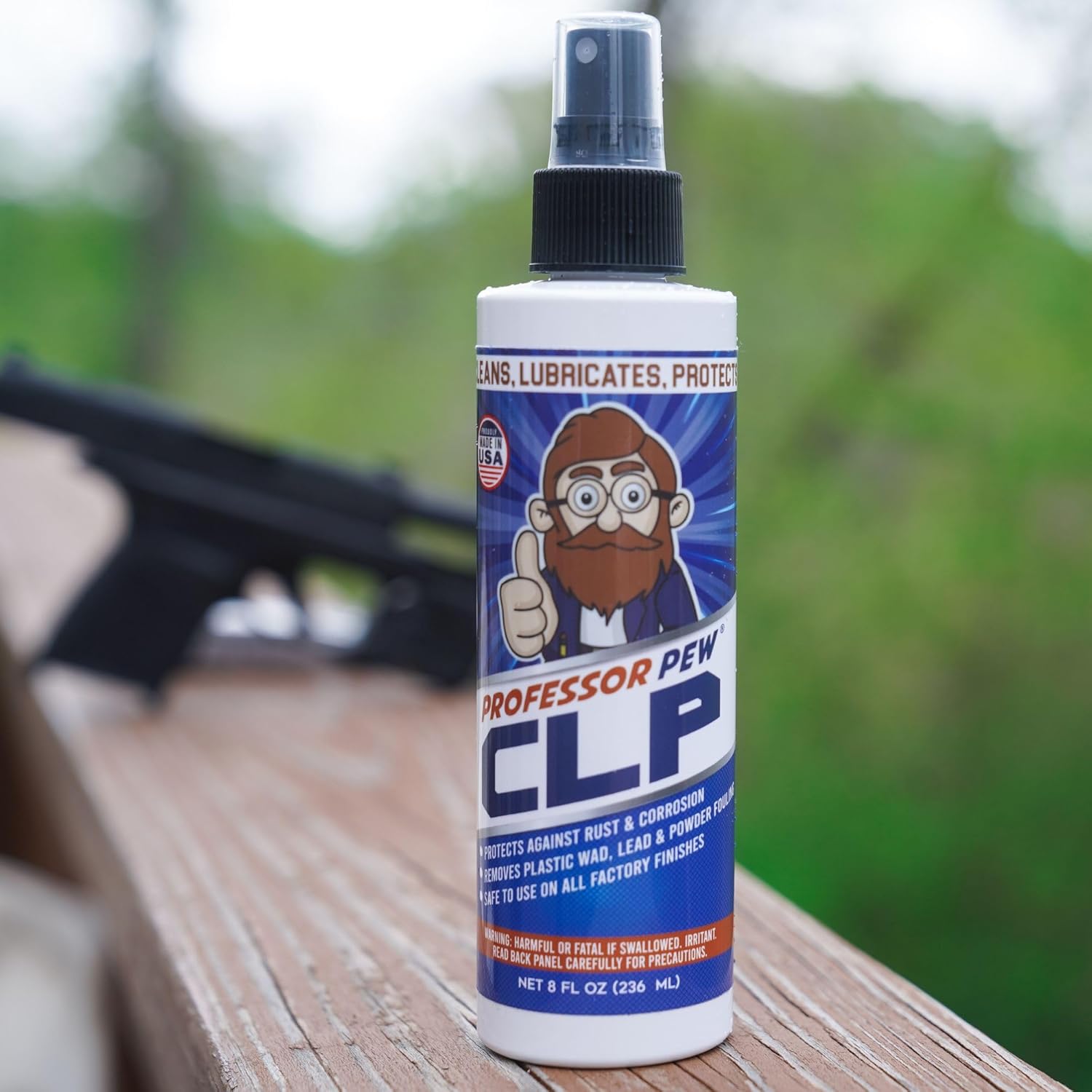
After removing rust, apply a thin layer of gun oil or CLP. This stops new rust from forming.
7. Reassemble And Test
Put your gun back together. Check for smooth movement and safe operation.
Many beginners forget to check small parts like screws or springs. These areas rust quickly and can cause malfunctions. Another common mistake is not drying the gun fully after cleaning, which can cause new rust.
How To Prevent Rust On Guns?
Removing rust is only part of gun maintenance. Prevention is even more important. Here are proven ways to keep your firearm rust-free.
1. Store Guns In A Dry Place
Humidity is the main cause of rust. Use a dehumidifier or silica gel packs in your gun safe.
2. Handle With Clean, Dry Hands
Sweat and oils from your skin cause rust. Wear gloves or wipe your gun after handling.
3. Clean After Every Use
Even if you only shoot a few rounds, clean and oil your gun before storing.
4. Use Gun Oil Regularly
Apply a thin layer of oil to all metal surfaces. Don’t use too much—extra oil can attract dust.
5. Check For Rust Often
Inspect your gun monthly. Remove any new rust spots before they spread.
6. Avoid Long-term Storage In Cases
Gun cases trap moisture. Store guns in a safe or rack with airflow.
7. Protect During Travel
Use rust-preventive wipes for quick protection when traveling.
Many people think their gun is safe in a case, but cases can hold moisture and speed up corrosion. Using silica gel or a dehumidifier is an easy way to reduce risk.
Comparing Rust Remover Performance
Performance depends on several factors: how fast the product works, how safe it is for gun finishes, and how easy it is to use. Here is a comparison of key features.
| Product | Speed | Safe for Blueing | Application |
|---|---|---|---|
| Break-Free CLP | Medium | Yes | Wipe, spray |
| Birchwood Casey | Fast | Yes | Brush, dip |
| WD-40 Specialist | Slow | Yes | Soak |
| Hoppe’s No. 9 | Medium | Yes | Wipe, brush |
| Evapo-Rust | Fast | No | Soak, wipe |
If you need quick results, Birchwood Casey or Evapo-Rust are good choices. For routine cleaning, Break-Free CLP or Hoppe’s No. 9 are reliable.
Cost And Availability
Most rust removers cost between $10 and $30 per bottle. Larger containers are more cost-effective if you clean often or restore old guns. Always check if the product is available in your country, as some chemicals may be restricted.
| Product | Average Price (USD) | Size |
|---|---|---|
| Break-Free CLP | $12 | 4 oz |
| Birchwood Casey | $15 | 3 oz |
| WD-40 Specialist | $20 | 32 oz |
| Hoppe’s No. 9 | $10 | 2 oz |
| Evapo-Rust | $25 | 1 gallon |
For occasional use, smaller bottles are enough. For restoring old guns or cleaning multiple firearms, larger containers save money.
Gun Rust Removal Tips From Experienced Owners
Experts recommend planning your cleaning routine. Always keep a cleaning kit ready. A gun cleaning kit should include:
- Gun oil
- Rust remover
- Brushes (nylon or brass)
- Microfiber cloths
- Cotton swabs
- Silica gel packs
Many experienced owners say that using a nylon brush instead of a metal one prevents scratches. Another tip is to check hidden areas, like inside the trigger guard, where rust often starts.
One insight many beginners miss is that rust can form in areas you don’t see, like under grips or inside barrels. Removing grips or wood stocks lets you check these spots. Regular maintenance stops expensive repairs later.
Environmental And Safety Concerns
Some rust removers contain strong chemicals. Always use them in a well-ventilated area. Wear gloves and eye protection. Avoid using products not made for guns, as they may damage finishes or leave harmful residues.
Eco-friendly products, like Evapo-Rust and WD-40 Specialist, are safe for home use and do not harm the environment. If you use toxic removers, dispose of waste properly. For more information on chemical safety, visit EPA.gov.
Frequently Asked Questions
What Is The Safest Rust Remover For Gun Finishes?
Break-Free CLP and Birchwood Casey Rust Remover are safe for most gun finishes, including blueing. Always test on a small area first.
Can I Use Household Products Like Vinegar To Remove Rust?
Vinegar can remove rust, but it may damage gun finishes and leave metal unprotected. Use gun-specific removers for best results.
How Often Should I Check My Gun For Rust?
Check your gun every month, or after each use. Humid environments may require more frequent checks.
Are Rust Removers Harmful To Wood Or Polymer Parts?
Some removers can damage wood or polymer. Always avoid contact with non-metal parts, or use products labeled as safe for all materials.
What Should I Do If Rust Returns After Cleaning?
Clean and oil your gun again. Store in a dry place and use silica gel packs. If rust keeps returning, check your storage conditions and cleaning routine.
Last Word
Keeping your firearm rust-free improves safety, reliability, and value. With the right rust remover and regular care, you can protect your investment for years. Choosing the best gun rust remover depends on your needs—whether you want fast results, safe finishes, or eco-friendly options, there is a product for you.
Regular cleaning and smart storage are just as important as the product you choose.

Leave a Reply