
Trying to photograph a distant bird or capture a clear shot of the moon through your spotting scope? Most of us have held a phone up to an eyepiece, only to end up with blurry images or frustrating misalignment. Finding the right adapter can feel more complicated than it should be.


There are plenty of phone adapters for spotting scopes, but not all work with your specific setup. Some are easy to use but less sturdy. Others are strong but tricky to align. Price points vary a lot, and it’s hard to know what’s worth paying for.
It’s easy to get lost in claims about universal fit, compatibility, and “precision. ”
This guide sorts through the confusion and helps you decide which type of phone adapter fits your needs and expectations.
Table of Contents
What Actually Matters When Choosing A Phone Adapter For Spotting Scope
- Fit and Compatibility: Not every adapter fits every scope or phone, despite “universal” claims. Check your device sizes before you choose.
- Stability: Wobbly adapters ruin photos. Metal builds offer more stability, but can be heavier or more expensive.
- Ease of Use: Simple designs are faster to set up, but might not align as precisely as multi-axis models.
- Price: Cheaper options work for casual use. If you want sharp, repeatable shots, it may be worth investing more.
Who Benefits From Which Features?
- Casual users may prefer lightweight, affordable adapters that work with most phones and scopes.
- Serious birders or astrophotographers might want precise adjustments and stronger construction.
- Travelers often need a compact, easy-to-pack option, even if it means fewer adjustment features.
The following options were chosen to cover a range of budgets, devices, and use cases. Whether you want quick snapshots or reliable alignment for more demanding shots, there’s something that fits. Here’s how they compare:
1. Tridaptor Universal 3-axis Phone Adapter
As the Best Phone Adapter for Spotting Scope, this adapter makes it simple to capture clear, aligned photos and videos through your scope using almost any smartphone.

The Tridaptor Universal 3-Axis Phone Adapter is a sturdy mount that connects your smartphone to most spotting scopes, telescopes, monoculars, or even microscopes. It solves the hassle of lining up your camera with the eyepiece, so you can easily take photos of birds, wildlife, or distant scenes.
The precise 3-axis adjustment stands out, letting you fine-tune your phone’s position for clear, edge-free images.
Using it feels steady and reliable thanks to its all-metal build, preventing sagging and keeping your phone secure. The included Bluetooth remote means you can snap pictures without touching your device, reducing blur. This adapter streamlines your setup, so you spend less time fiddling and more time capturing the shot you want.
Reasons To Choose This Adapter
- Works with most phone models and eyepiece sizes
- Three-axis adjustment for perfect camera alignment
- All-metal body resists flexing and holds steady
- Helps reduce dark edges and vignetting in images
- Bluetooth remote lets you shoot without shake
- Protective rubber pads prevent scratches
Things To Consider
- Not compatible with eyepieces larger than 2.4 inches
- Bulkier than some plastic adapters
- Requires time to adjust for first use
When I’d Pick This
This adapter is ideal for anyone who wants clean, shareable photos through their spotting scope—especially birders, target shooters, or stargazers tired of misaligned shots. It removes the guesswork and frustration of lining up your phone camera, making the whole process more predictable and less stressful.
The sturdy metal construction means you can trust it to hold position, even during long sessions outdoors.
For best results, spend a few extra minutes setting your phone’s camera right over the eyepiece using all three axis adjustments—the payoff is less vignetting and sharper images. The Bluetooth remote saves you from introducing blur with shaky hands, so you get more usable photos and fewer surprises. I find that knowing my phone will stay put lets me focus on what really matters: enjoying and sharing the view.
| Best for | Why |
|---|---|
| Birdwatching and wildlife photography | Precise alignment helps capture clear, detailed shots of moving subjects |
| Astronomy and moon/planet imaging | Reduces vignetting and keeps phone steady for long-exposure shots |
| Range and target shooters | Quickly documents shot groups without shifting the setup |
| Lab or classroom microscope use | Fits various eyepiece sizes for sharing microscope images easily |
2. Celestron Smartphone Telescope Adapter
A top pick for Best Phone Adapter for Spotting Scope, this Celestron adapter makes capturing images through your scope simple and reliable for any outdoor enthusiast.

The Celestron Smartphone Telescope Adapter solves the challenge of connecting your phone to spotting scopes, telescopes, or binoculars. It lets you easily capture photos and videos directly through the eyepiece, sharing your outdoor discoveries with friends or online. Universal compatibility means you don’t have to worry about your phone model fitting.
Using the adapter feels straightforward and secure, even for beginners. Simply place your phone, center the camera, and tighten the knobs—no fiddling or frustration. The sturdy build gives confidence during birding events or star parties, and you can trust it to stay in place for consistent, sharp images.
Advantages For Outdoor Imaging
- Universal fit for most smartphones, including popular models
- Captures high-quality images and video through your scope
- Easy, tool-free setup for fast use in the field
- Durable metal and polymer construction for reliability outdoors
- Fits eyepieces from 29mm to 45mm diameter
- Works with telescopes, binoculars, monoculars, and microscopes
- Travel-friendly for nature trips and star parties
Points To Consider Before Buying
- Not compatible with eyepieces outside the 29–45mm range
- May require removal of bulky phone cases for best fit
- Manual alignment needed for optimal camera positioning
Where This Shines
This adapter is a smart choice for birdwatchers, amateur astronomers, and anyone who wants to document their spotting scope adventures with a smartphone. It removes the hassle of balancing your phone or worrying about compatibility, letting you focus on enjoying the view and capturing memories.
One helpful tip: take a moment to double-check your phone’s camera alignment before tightening the knobs. This ensures clearer images and reduces time spent adjusting. The sturdy design brings peace of mind, so you don’t have to worry about your phone slipping or the adapter breaking when you’re out in the field. I appreciate how it makes sharing outdoor moments simple and stress-free.
| Best for | Why |
|---|---|
| Birdwatching with a spotting scope | Quick setup and stable image capture outdoors |
| Star parties and astronomy events | Easy sharing of telescope views with friends |
| Field research and nature photography | Reliable construction for frequent travel and use |
| Beginner scope users | Simple operation, no technical skills required |
3. Celestron Nexyz Universal Phone Adapter
A top pick as the Best Phone Adapter for Spotting Scope users who want precise, frustration-free smartphone imaging through any compatible eyepiece.
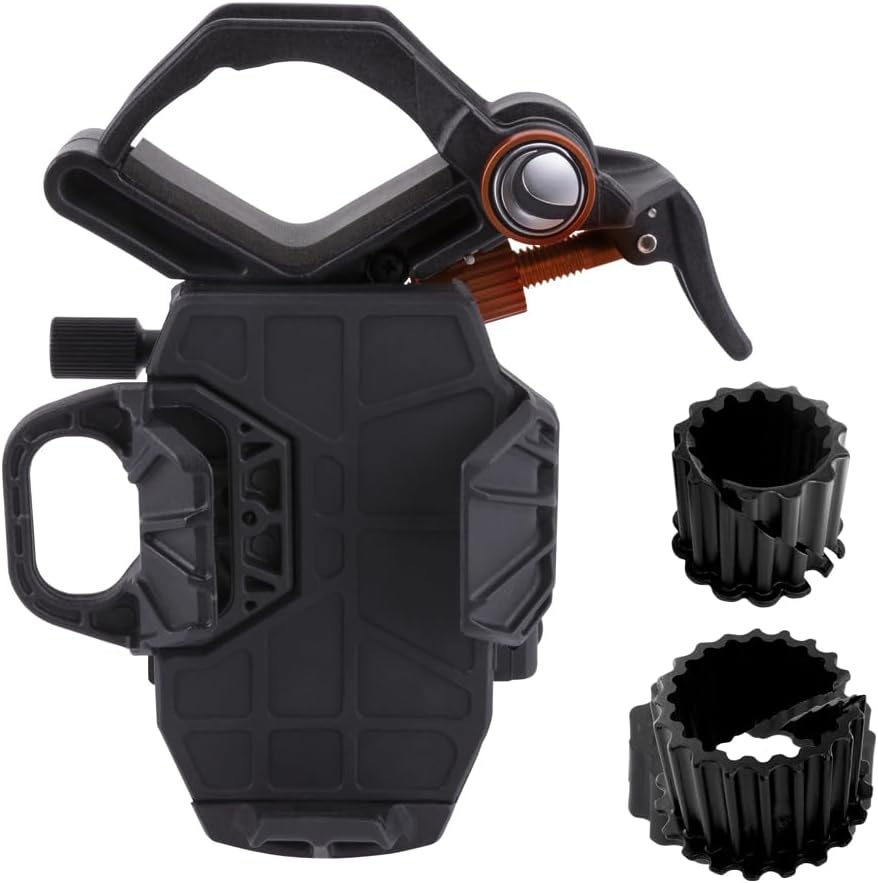
The Celestron NexYZ Universal Phone Adapter connects your smartphone to your spotting scope, telescope, or binoculars so you can capture clear photos and videos through the eyepiece. Its standout feature is the precise three-axis adjustment system, allowing you to align your phone’s camera quickly and accurately without the usual trial-and-error.
Using this adapter feels solid and straightforward, even outdoors or when swapping between users. The sturdy metal and polymer build inspires confidence, and the universal fit means you don’t have to worry about compatibility with different phones or scopes. The alignment knobs help you get consistent shots, saving time and reducing frustration during wildlife viewing or astronomy sessions.
What Makes It Stand Out
- Precise three-axis (X, Y, Z) camera alignment for sharp photos
- Universal fit for most smartphones, even with cases
- Works with spotting scopes, telescopes, binoculars, and microscopes
- Sturdy metal and polymer construction for field durability
- Easy to swap phones with spring-loaded slider
- Fits a wide range of eyepiece sizes (35mm–60mm)
Consider Before Buying
- Adapter adds bulk compared to minimalist clip-on mounts
- May require occasional readjustment when switching devices
- Not ideal for ultra-compact travel setups
Why This Makes Sense
This adapter is ideal for birders, astronomers, or anyone who wants hassle-free, repeatable phone shots through a spotting scope. If you’re tired of shaky, misaligned images or fussing with adapters that don’t fit your phone, this model removes the guesswork and saves time with its precise adjustments.
Reliability stands out here: the solid build and strong tensioning system hold your phone securely, even outdoors. For best results, take a minute to dial in the Z-axis when you set up—this simple step makes framing much easier and leads to sharper photos. I appreciate knowing that my phone (and my shots) won’t slip or wobble, even during group use or quick swaps at events.
| Best for | Why |
|---|---|
| Birdwatching through spotting scopes | Precise camera alignment for detailed wildlife photos |
| Sharing telescope views at star parties | Quick phone swaps and secure hold for group use |
| Capturing videos through binoculars or microscopes | Universal compatibility and sturdy build for steady filming |
| Using multiple phone models | Fits nearly any smartphone, even with a case |
4. Gosky Universal Smartphone Adapter Mount
As the Best Phone Adapter for Spotting Scope, this mount makes it easy to capture and share distant views using your smartphone.

The Gosky Universal Smartphone Adapter Mount connects your phone to spotting scopes, binoculars, telescopes, or microscopes. It solves the hassle of holding your phone steady while trying to capture distant images or videos, letting you record nature and share what you see easily.
Its compatibility with most smartphones and eyepiece sizes means you don’t have to worry about fit.
Using it feels straightforward—even for beginners. You align your phone, tighten the knob, and it stays secure, letting you focus on the view rather than fiddling with setup. The durable build is reassuring, especially for outdoor use, and saves time each time you want to swap devices or locations.
What Stands Out With This Adapter
- Works with a wide range of eyepiece diameters (28mm–47mm)
- Fits almost any smartphone, including both iPhone and Android
- Very simple three-step setup
- Sturdy metal and high-strength plastic construction
- Lets you easily capture photos and videos through your optics
- No need for complicated adjustments—beginner-friendly
What To Consider Before Buying
- Not designed for eyepieces outside the 28–47mm diameter range
- Bulkier than some lightweight plastic alternatives
- No remote shutter or app integration included
Where This Shines
This adapter is best for anyone who wants to take clear, hands-free photos or videos through a spotting scope, telescope, or binoculars—whether for birdwatching, stargazing, or sharing field discoveries. It removes the stress of shaky images and the guesswork of lining up your phone’s camera, making the process consistent every time.
A quick tip: align your phone’s camera precisely with the eyepiece before tightening for best results. The robust build gives peace of mind outdoors, knowing your phone stays secure, even in rough conditions. If you want to spend less time fiddling and more time observing or sharing, this adapter is a practical pick.
| Best for | Why |
|---|---|
| Birdwatchers and wildlife observers | Lets you capture and share distant views with any smartphone |
| Travelers using multiple optics | Fits most eyepieces and phone sizes for flexible use |
| Beginner digiscopers | Simple setup—no technical skills needed |
| Outdoor enthusiasts in rough conditions | Durable metal build withstands field use |
5. Celticbird Smartphone Spotting Scope Adapter
The CELTICBIRD is the Best Phone Adapter for Spotting Scope, making it simple to capture clear photos through your scope using almost any smartphone.

This adapter lets you attach your smartphone to a spotting scope, binoculars, telescope, or even a microscope. It solves the challenge of aligning your phone’s camera perfectly with the eyepiece, so you can easily capture sharp images and videos of what you see.
Using it feels straightforward: just adjust the eyepiece distance, clamp your phone, and start shooting. The metal build gives confidence that it will hold up outdoors, and the universal fit means you won’t need to worry about compatibility. It’s a handy tool for anyone who wants reliable results without fuss.
Key Advantages For Scope Users
- Precise camera alignment for clearer photos
- Fits almost any smartphone model
- Works with scopes, binoculars, monoculars, and microscopes
- Durable aluminum body for outdoor use
- Quick and easy setup process
- No need for extra tools or complicated adjustments
Potential Limitations To Consider
- Eyepiece diameter must be between 34mm–62mm
- Phone clamp is plastic, not metal
- May be bulky for travel with smaller optics
Where This Shines
This adapter works best for birdwatchers, nature photographers, and anyone who wants to record what they observe through their scope without technical headaches. It removes the stress of fiddling with alignment and compatibility, letting you focus on capturing moments.
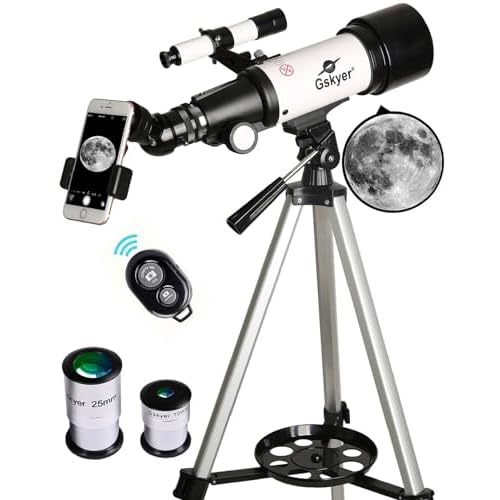


You’ll save time and avoid guesswork thanks to the scale design and adjustable setup. For best results, take a moment to adjust the distance between your phone lens and eyepiece before snapping photos—the clarity is worth it. The solid metal construction means you can count on it for reliable field use, rain or shine.
| Best for | Why |
|---|---|
| Birdwatchers and wildlife observers | Easy smartphone attachment and clear image capture outdoors |
| Microscope users | Simple setup for recording or sharing microscopic details |
| Traveling nature photographers | Universal fit means no worries about phone compatibility |
| Families and hobbyists | Quick, hassle-free setup for group use and learning |
How To Choose The Right Smartphone Adapter For Optics?
- Intended Use: Think about what you want to photograph—birds, planets, distant landscapes, or microscopic details. Heavier, more adjustable adapters may be better for telescopes and high-magnification work, while lighter models can suit casual use or field trips.
- Device Compatibility: Check both your phone size and your optic’s eyepiece diameter. Some adapters work with a wide range of phone widths and eyepiece sizes, but not all cover every combination.
- Adjustment Precision: If you plan to take high-quality photos or videos, a 3-axis adjustment system helps align your camera with the eyepiece more precisely. Simpler adapters are faster to set up but offer less fine control.
- Build Quality vs. Portability: Metal adapters are sturdier and hold alignment better, especially for heavier phones. Plastic or polymer options are lighter for travel but may be less stable over time.
Common Mistakes When Using Phone Scope Adapters
- Not checking compatibility with your phone or eyepiece before purchase.
- Assuming “universal” means it fits every device or optic without adjustment.
- Skipping careful alignment, leading to vignetting or blurry images.
- Over-tightening clamps, which can damage phones or eyepieces.
- Using the phone’s touchscreen to take photos, which shakes the setup—use a remote shutter if possible.
Who Might Want To Avoid These Products?
- If you need to switch devices quickly or share your optic often, adapters can slow down the process.
- Those looking for professional-grade astrophotography or digiscoping may find smartphone adapters limiting in image quality and stability.
- If you rarely use binoculars, telescopes, or microscopes, a dedicated camera may be simpler.
Setup And Usage Tips
- Align the phone camera and eyepiece as precisely as possible to avoid shadows or dark edges.
- Start with your optic focused sharply before attaching the phone adapter.
- Use a timer or Bluetooth remote for steadier shots.
- Practice setup at home before heading into the field.
- Carry a small cloth to clean lenses and phone cameras before use.
Frequently Asked Questions
Will These Adapters Work With All Smartphones?
Most adapters fit popular iPhone and Android models, but extremely large or small phones may not fit every design. Check the width range before buying.
Can I Use These Adapters With My Phone Case On?
Some adapters accommodate phones with slim cases, but bulky or rugged cases may need to be removed for a secure fit.
Do I Need A Special Eyepiece For My Optic?
No special eyepiece is needed, but check the diameter of your optic’s eyepiece to ensure compatibility with the adapter’s range.
Is A 3-axis Adapter Necessary?
It is helpful for precise alignment and minimizing vignetting, especially with high-magnification optics, but simpler adapters work for casual use.
How Stable Are Phone Adapters In The Field?
Metal adapters are generally more stable, especially for heavier phones. Wind, movement, or loose clamps can still cause some shake.
Will These Adapters Scratch My Phone Or Optic?
Most models use rubber or padded contact points to prevent scratches, but avoid over-tightening and check for debris before mounting.
Summary
Choosing a smartphone adapter for optics comes down to your devices, intended use, and expectations for image quality. Consider compatibility and alignment features first. Take time to set up carefully for the best results. These adapters are a practical way to capture and share what you see through your favorite optics, as long as you understand their limitations and use them thoughtfully.

Leave a Reply