A hunting knife is not just a tool—it’s a companion for outdoor adventure. The right knife can help with field dressing, skinning, preparing food, cutting rope, and even making firewood. But what makes a hunting knife “good”? Many buyers focus only on price or appearance, and they miss the real features that matter.
In this article, you’ll find practical advice on choosing the best hunting knife for your needs, plus some details beginners rarely notice.
Table of Contents
Key Features Of A Good Hunting Knife
A hunting knife must perform many tasks. The best ones share several qualities that make them reliable and easy to use.
Blade Material
The blade steel is the most important factor for durability and sharpness. Most hunting knives use stainless steel or high-carbon steel.
- Stainless steel resists rust and is easy to maintain. Popular types: 440C, S30V, and AUS-8.
- High-carbon steel holds a sharper edge but can rust if not cared for. Examples: 1095 and D2.
Some brands mix both to get the benefits of each. According to industry data, knives made from S30V steel hold their edge up to 30% longer than standard stainless options.
Blade Shape
The shape affects how well a knife works for specific tasks. Common shapes include:
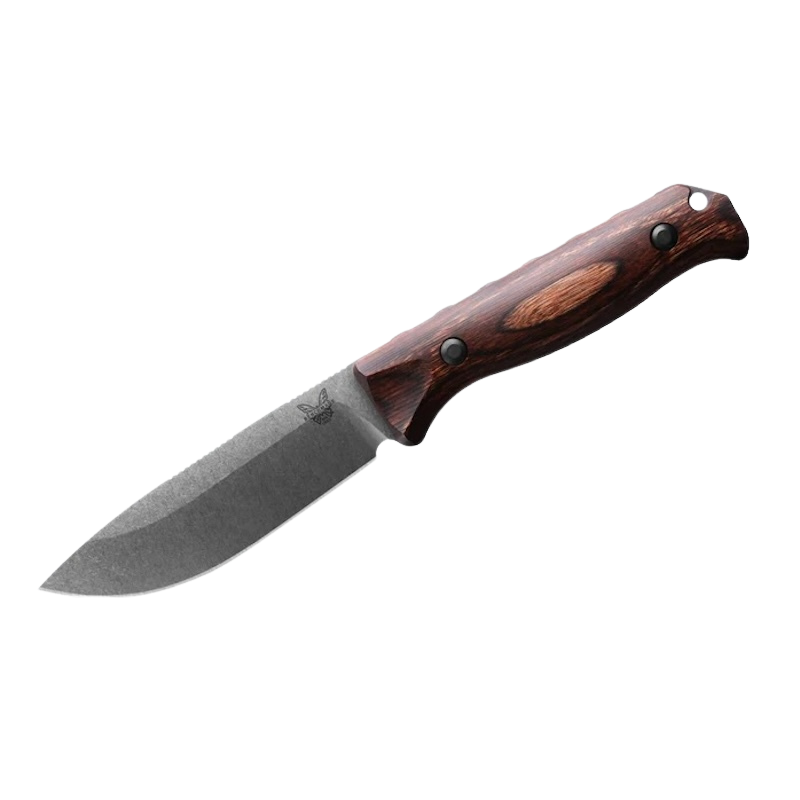
- Drop point: Strong and versatile. Good for skinning and general use.
- Clip point: Thin tip for precise work. Useful for detailed cuts.
- Gut hook: Special hook for opening animal hides. Not needed for every hunter.
A drop point blade is often recommended for beginners because it is less likely to puncture organs while dressing game.
Blade Length
Most hunting knives have blades between 3 and 5 inches. Shorter blades are easy to control, while longer ones handle bigger game.
| Blade Length | Best For | Drawbacks |
|---|---|---|
| 3–4 inches | Small game, control | Not ideal for large animals |
| 4–5 inches | Large game, versatility | Harder to handle for beginners |
| Over 5 inches | Heavy tasks, chopping | Too bulky for most hunters |
Handle Material
A knife’s handle affects comfort and safety. Common handle materials:
- Rubber: Good grip even when wet.
- Wood: Classic look, but can be slippery.
- Micarta/G-10: Durable synthetic, resists moisture and wear.
A practical tip: Choose a handle that feels comfortable in your hand. If you hunt in cold weather, avoid metal handles—they get slippery and cold fast.
Full Tang Vs. Partial Tang
A full tang means the blade runs through the handle. This makes the knife stronger and less likely to break. Partial tang knives are lighter but often less durable.
Hunters who use their knives for heavy tasks (like splitting bones or chopping wood) should always pick a full tang design.
Types Of Hunting Knives
There are several designs, each suited for different tasks. Here’s a comparison of the main types:
| Type | Main Use | Pros | Cons |
|---|---|---|---|
| Fixed Blade | Field dressing, skinning | Strong, easy to clean | Bulkier, needs sheath |
| Folding Knife | General outdoor tasks | Compact, safe to carry | Less strong, harder to clean |
| Skinning Knife | Removing animal hides | Sharp, curved blade | Limited uses outside skinning |
| Boning Knife | Separating meat from bone | Thin, flexible | Not for heavy cutting |
Most experienced hunters carry a fixed blade for strength and a folding knife for backup.
How To Choose The Right Hunting Knife?
It’s easy to get overwhelmed with choices. Here’s how to make a smart decision:
1. Know Your Main Use
Are you hunting large game, small game, or just camping? If you mainly hunt deer or elk, a fixed blade with a drop point is best. For birds or rabbits, a smaller blade is easier to control.
2. Check The Blade Quality
Look for knives with high-quality steel and a good heat treatment. Not all stainless steel is equal—cheaper knives often lose their edge quickly. Ask the seller about steel type and hardness (measured in HRC). A rating of 55–60 HRC is usually ideal.
3. Test The Handle Comfort
Hold the knife before buying. Your hand should fit the handle naturally, without sharp edges or uncomfortable spots. If you wear gloves when hunting, test the knife with gloves on.
4. Decide On Fixed Or Folding
Fixed blade knives are stronger and easier to clean. Folding knives are safer to carry and more compact. Some hunters carry both.
5. Consider Maintenance
Some knives need frequent sharpening, while others stay sharp longer. High-carbon steel knives require oiling to prevent rust. Stainless steel is easier for beginners.
6. Think About Safety
A good hunting knife should have a guard or finger groove to prevent your hand from slipping onto the blade. This is especially important when hands are wet or cold.
7. Evaluate Weight And Balance
A heavy knife can tire your hand quickly. Pick a knife that feels balanced and not too heavy. Most hunting knives weigh between 4 and 9 ounces.
Common Mistakes When Buying A Hunting Knife
Many first-time buyers focus on looks or price, and they miss key details. Avoid these mistakes:
- Choosing a knife that’s too big: Bigger is not always better. Large blades are harder to control and can cause accidents.
- Ignoring blade material: Cheap steel won’t hold an edge. Spend a bit more for quality.
- Picking a slippery handle: Handles without texture can cause slips, especially in wet conditions.
- Buying multi-tool knives for hunting: These tools are handy, but not strong enough for field dressing.
- Skipping the tang check: Partial tang knives break more often. Always check for full tang if you need strength.
- Neglecting maintenance: Knives need care. If you don’t like sharpening often, choose a knife with edge retention.

Practical Tips For Using A Hunting Knife
A hunting knife is only as good as the person using it. Here are some tips:
- Keep your knife sharp. A dull blade is dangerous—it requires more force and can slip.
- Clean your knife after each use. Blood and fat can cause corrosion, even on stainless steel.
- Use a sheath. Carrying a knife without a sheath can lead to injuries.
- Store knives dry. Moisture causes rust, especially on high-carbon steel.
- Sharpen your knife with proper tools. Avoid cheap sharpeners—they can damage the blade.
- Practice safe cutting techniques. Always cut away from your body.
Real-world Examples
Let’s look at three popular hunting knives and why they are trusted:
- Buck 119 Special: This fixed blade has a 6-inch clip point and phenolic handle. It’s been used for decades and is known for reliability and edge retention.
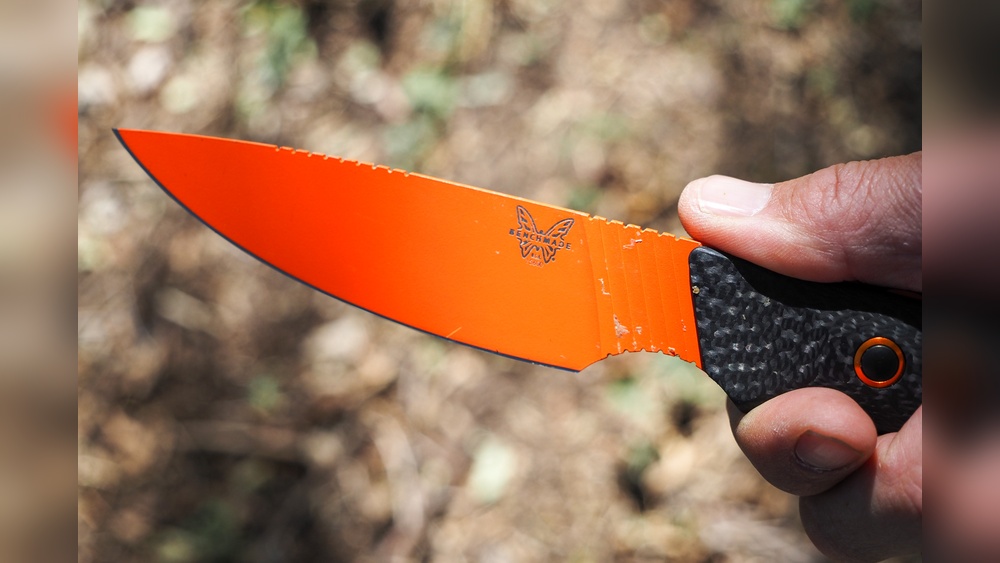
- Benchmade Griptilian: A folding knife with S30V steel, comfortable handle, and safety lock. Hunters like it for its balance between strength and portability.
- Gerber Gator: Features a rubberized handle and drop point blade. It’s affordable and easy to grip in wet conditions.
These knives have earned high ratings for comfort, durability, and edge retention. According to surveys, the Buck 119 is rated 4.8 out of 5 by hunters for its performance and longevity.
Data On Hunting Knife Preferences
Research shows most hunters prefer fixed blade knives. A 2022 survey from the North American Hunting Association found:
- 74% of hunters use fixed blade knives
- 18% use folding knives
- 8% use specialty knives (boning, skinning)
The same survey showed that drop point blades are the top choice due to their versatility.
Comparison Of Popular Knife Brands
Here’s a quick look at how three leading brands stack up:
| Brand | Blade Material | Average Price | Warranty |
|---|---|---|---|
| Buck Knives | Stainless, High-Carbon | $40–$120 | Lifetime |
| Benchmade | S30V, D2 | $100–$250 | Lifetime |
| Gerber | Stainless, 420HC | $25–$80 | Limited Lifetime |
Benchmade knives are more expensive but offer premium steel and long-lasting performance. Buck Knives provide a balance between price and durability. Gerber is affordable, making it popular with beginners.
How To Care For Your Hunting Knife?
Proper care extends the life of your knife. Here’s what you should do:
- Wash after use: Use mild soap and water. Dry thoroughly.
- Oil the blade: Especially for high-carbon steel, a light oil prevents rust.
- Sharpen regularly: Use a quality sharpening stone or guided system.
- Store safely: Keep your knife in a dry place, away from moisture.
- Check for damage: Inspect for cracks in the handle or chips in the blade.
Experienced hunters often carry a small sharpening stone in their pack, so they can touch up the blade in the field.
Frequently Asked Questions
What Is The Best Blade Shape For Hunting?
The drop point is widely considered the best for general hunting. It offers strength, control, and is less likely to pierce internal organs during field dressing.
How Often Should I Sharpen My Hunting Knife?
Sharpen the knife after every hunting trip or when you notice it doesn’t cut smoothly. Regular sharpening keeps the blade safe and effective.
Is A Folding Knife Good For Hunting?
A folding knife is suitable for light tasks and backup use. For field dressing and heavy work, a fixed blade is stronger and easier to clean.
What Is A Full Tang Knife?
A full tang knife means the blade steel goes all the way through the handle. This makes the knife stronger and less likely to break during tough tasks.
Which Brand Makes The Best Hunting Knives?
Several brands are trusted by hunters. Buck Knives, Benchmade, and Gerber are among the most respected.
Last Word
A good hunting knife combines quality steel, a comfortable handle, and a design suited to your needs. Make your choice carefully, and your knife will serve you well for years. Always focus on practical features, not just style, and remember that safety and maintenance are as important as the blade itself.

Leave a Reply