
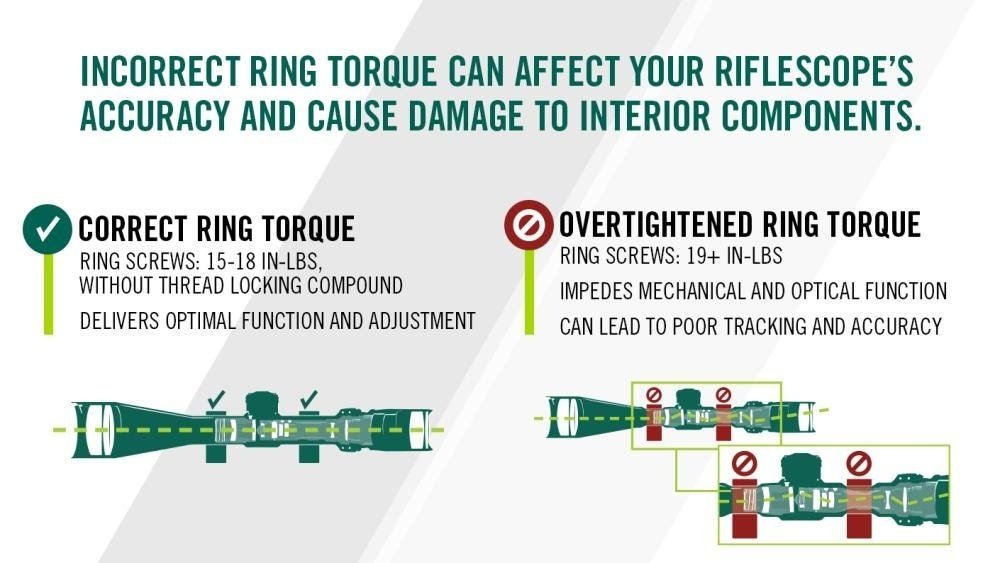
When you spend good money on a quality rifle scope, you want it to work as intended. But even the best scope can fail if the scope rings are not installed correctly. One detail that often gets overlooked is how tight you should make the screws—this is where torque comes in. Too loose, and your scope can shift with each shot. Too tight, and you risk damaging your scope or the rings themselves. Knowing the right torque for scope rings is key to both accuracy and equipment life.
Why Torque Matters For Scope Rings
Torque is the force used to tighten a screw or bolt. In scope mounting, it’s measured in inch-pounds (in-lbs). The correct torque keeps the scope stable under recoil but avoids crushing the scope tube. Most scope tubes are made of aluminum, which is strong but not indestructible. Over-tightening can cause dents, affect the optics, or even break the tube. Under-tightening, on the other hand, lets the scope move, which throws off your aim.
Imagine sighting in your rifle perfectly at the range, only to find your shots drifting after a few rounds. Often, this is because the rings weren’t torqued correctly. Consistent torque means your scope stays exactly where you put it, even after hundreds of rounds.
Standard Torque Values For Scope Rings
There’s no single number for every setup, but most manufacturers recommend a range. Here’s a summary of common torque specs:
| Component | Recommended Torque (in-lbs) | Notes |
|---|---|---|
| Ring Top Screws | 15–20 | Check scope ring brand |
| Base Screws | 30–65 | Some bases need more torque |
| Picatinny Rail Screws | 20–25 | Use thread locker |
For most standard 1-inch and 30mm scope rings, the top screw torque falls between 15 and 20 in-lbs. Some heavy-duty tactical rings may require up to 30 in-lbs, but always check your manufacturer’s instructions first. Going beyond the recommended torque can void warranties and cause long-term issues.
How To Set The Correct Torque
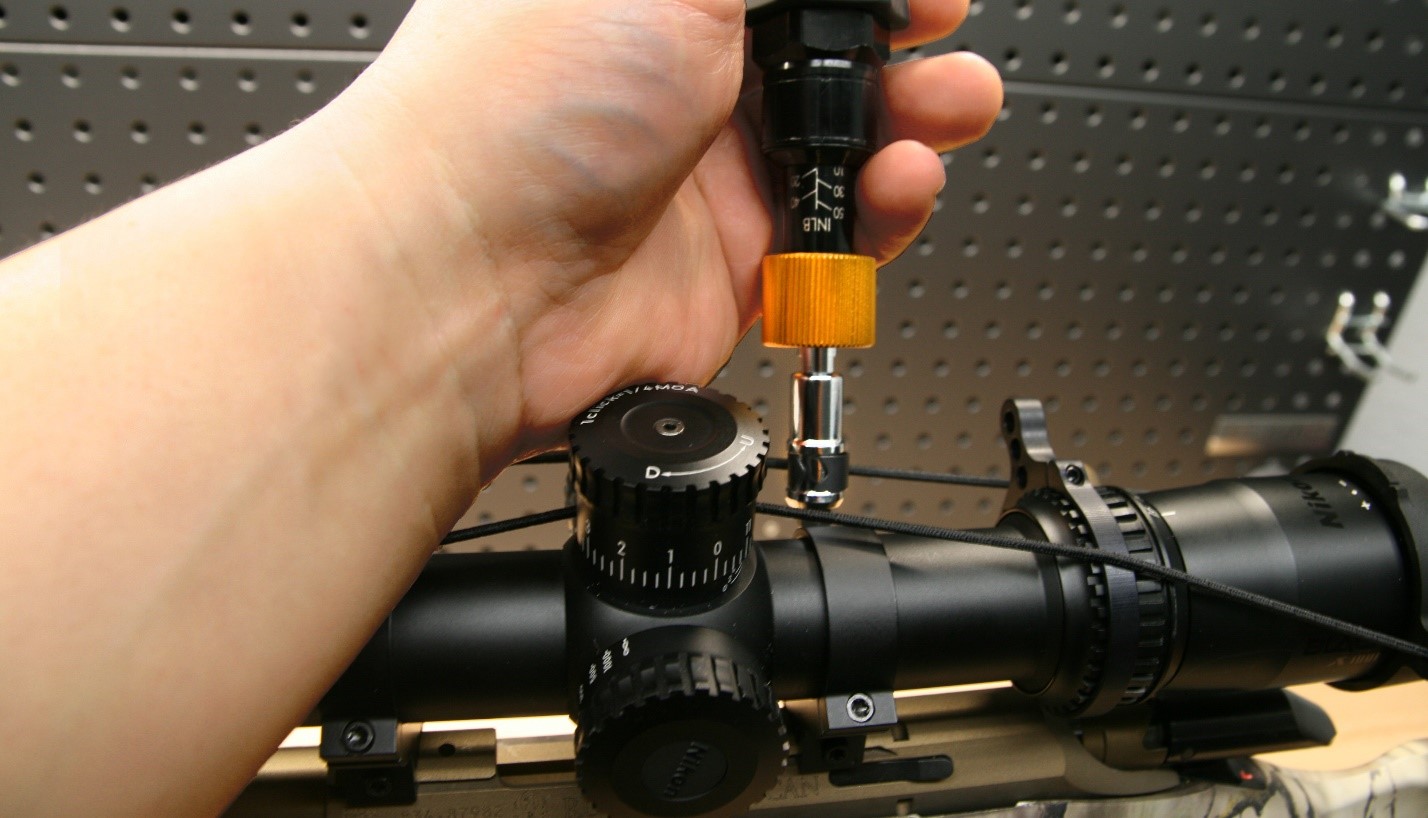
To achieve accurate torque, use a torque wrench designed for firearms. These tools let you set the precise force needed, so you don’t have to guess. Manual tightening “by feel” is risky—what feels tight to one person might be loose or over-tight to another.
Steps for setting torque:
- Adjust your torque wrench to the recommended value (e.g., 18 in-lbs).
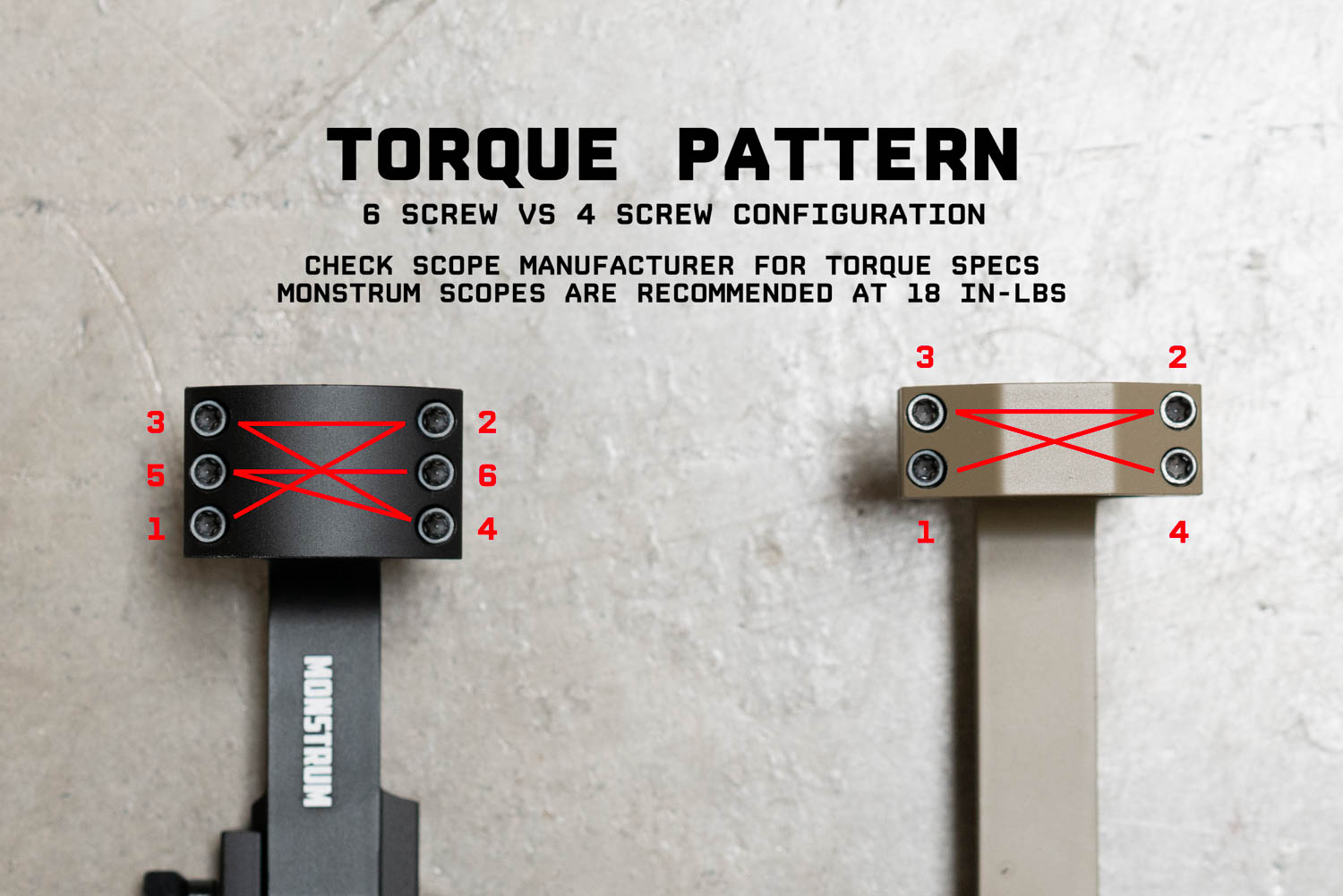
- Tighten each screw in small increments, moving diagonally across the rings to keep even pressure.
- Repeat the process until all screws reach the set torque.
Some shooters make the mistake of tightening one screw all the way before moving to the next. This can cause uneven pressure and damage the scope. Instead, work each screw a bit at a time.
Understanding Inch-pounds
Many people confuse inch-pounds (in-lbs) and foot-pounds (ft-lbs). For scope rings, always use inch-pounds. One foot-pound equals twelve inch-pounds, so using the wrong unit can mean over-tightening by a huge margin. Most torque wrenches for gunsmithing are marked in inch-pounds for this reason.
Scope Tube Size And Torque
Scope tubes mainly come in two sizes: 1-inch and 30mm. Larger, heavier scopes may need slightly higher torque values, but the general rule stays within the 15–20 in-lbs range for ring screws. Oversized or specialty rings—like those for 34mm or 35mm tubes—may have different specs. Always check the manufacturer’s data, especially for non-standard sizes.
| Tube Size | Common Torque Range (in-lbs) | Notes |
|---|---|---|
| 1-inch | 15–18 | Standard hunting scopes |
| 30mm | 18–20 | Heavier tactical scopes |
| 34mm+ | 20–25 | Check manual |
Different Types Of Scope Rings And Their Torque Needs
Not all scope rings are the same. Here’s how ring type affects the right torque:
- Aluminum Rings: These are lighter and more common. Stick with the lower end (15–18 in-lbs) to prevent stripping the threads.
- Steel Rings: Stronger and heavier. They can often handle up to 20 in-lbs, but don’t exceed the manufacturer’s guidance.
- Quick-Detach Rings: Designed for fast removal. Follow the included instructions exactly, as over-torquing can break the clamp mechanism.
If you use rings with a built-in bubble level or other features, make sure extra torque is not needed. Too much force can damage both the level and the scope tube.
Common Mistakes When Torquing Scope Rings
There are a few errors that even experienced shooters make:
- Guessing the torque: Tightening “until it feels right” is unreliable.
- Over-tightening: This can deform the scope tube or strip screw threads.
- Ignoring the order of tightening: Not alternating screws can create uneven pressure.
- Not re-checking after shooting: Screws may loosen with recoil; check torque after a range session.
- Mixing up inch-pounds and foot-pounds: This can lead to serious damage.
One less obvious mistake is using the wrong screwdriver bit. A poor fit can strip the screw head, making future adjustments hard or impossible.
Tools You Need For Proper Torque
Getting the right torque is much easier with the right tools. Here’s what you should have:
- Torque wrench: Specifically for inch-pounds.
- Quality bits: Use bits that fit your screws exactly.
- Thread locker: Medium-strength (like blue Loctite) is often recommended for base screws but not for ring screws, unless specified.
Some shooters also use a fat wrench, which is a specialized torque tool for firearms. Digital torque drivers are also available, giving an exact reading for each screw.
When To Recheck Torque
Scope ring screws can loosen over time, especially on high-recoil rifles. It’s wise to:
- Check torque after your first shooting session.
- Recheck every few months, or after a long trip.
- Inspect after any hard knocks or drops.
If you live in an area with big temperature swings, expansion and contraction can also change torque settings. Regular checks keep your setup solid.
How Torque Affects Accuracy
The whole point of correct torque is to keep your scope zeroed. If screws are too loose, the scope can move under recoil, causing your point of impact to shift. Too tight, and you might damage the scope or deform the tube, which can affect the internal lenses and tracking.
Some shooters notice “wandering zero”—where the scope seems to lose its settings over time. Often, correcting the torque solves this problem. Inconsistent torque can even make expensive scopes perform poorly.
Another hidden issue is “ring marks” on your scope tube. These appear as dents or lines where the rings were too tight. Not only do these marks hurt resale value, but they can also indicate deeper damage inside the scope.
Manufacturer Recommendations
Major scope and ring makers publish their own torque specs. Here are some examples:
- Vortex Optics: 15–18 in-lbs for rings, 25 in-lbs for base screws.
- Leupold: 15 in-lbs for rings, 28 in-lbs for bases.
- Nightforce: 25 in-lbs for rings, 68 in-lbs for bases (for heavy tactical rings).
Always check the paperwork that comes with your rings or visit the company’s website. Some brands even engrave the recommended torque on the rings themselves.
For a full list of manufacturer specs, you can visit the Vortex Optics Torque Specifications page for reference.
Thread Locker: When And How To Use
Many shooters use a thread locker to keep screws from loosening. The most common type is blue Loctite (medium strength). It’s safe for base screws but should not be used on ring screws unless the maker says so. Why? You might need to adjust or move your scope, and a thread locker can make removal difficult or strip the threads.
Apply only a tiny amount to the threads—too much can drip onto your optics or action.
Special Situations: Heavy Recoil And Precision Rifles
If you shoot magnum calibers or do a lot of tactical/competition shooting, your setup faces extra stress. In these cases, check torque more often and consider using slightly higher torque (within the recommended range). For precision rifles, even a small scope shift can mean missed shots at long range.
A hidden tip: If you plan to hunt in very cold weather, test your torque at low temperatures. Metals shrink in the cold, which can change the force on your screws.
Comparing Torque Wrenches For Scope Rings
There are several types of torque wrenches you can buy. Here’s a quick comparison:
| Torque Wrench Type | Accuracy | Ease of Use | Price Range (USD) |
|---|---|---|---|
| Beam-style | Good | Manual reading | 20–40 |
| Click-type | Very good | Click feedback | 40–80 |
| Digital | Excellent | Display screen | 80–200 |
For most shooters, a click-type wrench is the best balance of price and accuracy. Digital wrenches are nice but not essential unless you do a lot of scope work.
Practical Tips For Perfect Scope Ring Torque
- Always start with clean threads. Wipe away oil or debris before assembly.
- Use the torque wrench for both ring and base screws—consistency matters.
- If possible, check torque after 20–30 shots. This catches any settling or loosening.
- Don’t mix and match screws from different rings; use the ones supplied.
- Store your torque wrench with the tension released to keep it accurate.
- If you hear a creaking or cracking sound, stop and check for stripped threads.
A little patience during mounting saves time and headaches later.
Frequently Asked Questions
What Happens If I Over-tighten Scope Ring Screws?
Over-tightening can crush the scope tube, cause “ring marks,” strip the screw threads, or even warp the internal lenses. This may ruin the scope and void warranties. Always use a torque wrench to avoid this.
Can I Use A Regular Screwdriver Instead Of A Torque Wrench?
A standard screwdriver doesn’t measure torque, so you’re likely to over- or under-tighten the screws. For best results and to protect your scope, always use a torque wrench made for gunsmithing.
Should I Use Loctite On All Scope Ring Screws?
No. Use blue Loctite (medium strength) only on the base or rail screws unless the manufacturer says otherwise. Avoid using it on ring screws because you might need to adjust or remove the scope later.
How Often Should I Check The Torque On My Scope Rings?
Check after your first shooting session, then every few months or after any heavy use or travel. Recoil and vibration can slowly loosen screws, so regular checks keep your setup accurate.
Is It Ok To Tighten One Ring Screw All The Way Before The Others?
No. Tightening one screw fully before the others can twist the scope and create uneven pressure. Always tighten screws in small increments, alternating sides, until all reach the correct torque.
—
Getting the torque for scope rings right is a small step that makes a huge difference in accuracy and equipment life. With the right tools, attention to detail, and regular checks, you can shoot with confidence, knowing your scope will hold zero through every shot and adventure.

Leave a Reply