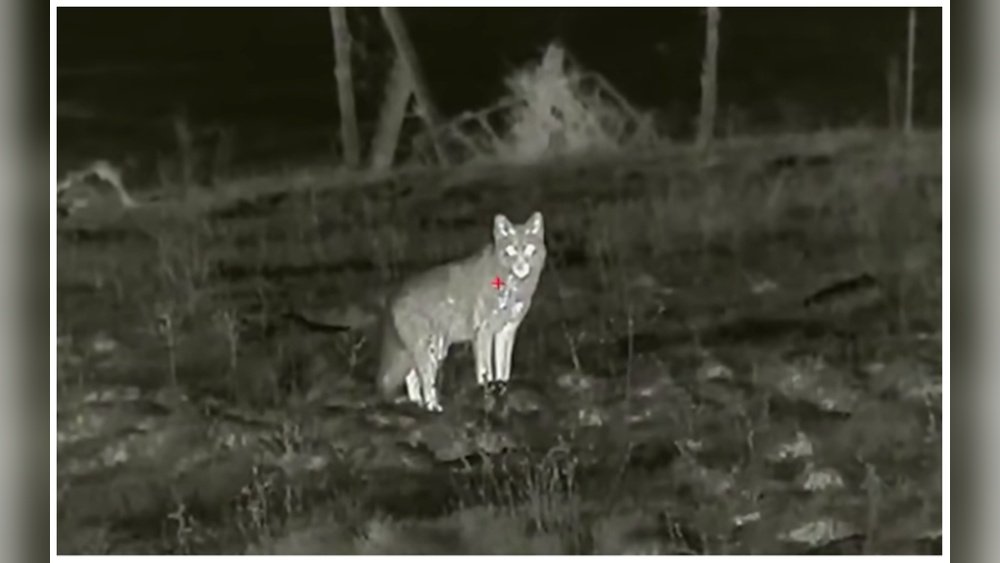
Coyote hunting is a challenging sport that demands skill, patience, and the right equipment. Among all the gear, choosing the best thermal scope can make the biggest difference, especially when hunting at night or in low-light conditions. Coyotes are known for their sharp senses and elusive nature, so a good thermal scope gives you a real advantage.
But with so many models on the market, picking the right one can feel overwhelming. This guide breaks down what matters most and spotlights the top thermal scopes for coyote hunting, helping you make a confident choice.
Why A Thermal Scope Is Essential For Coyote Hunting
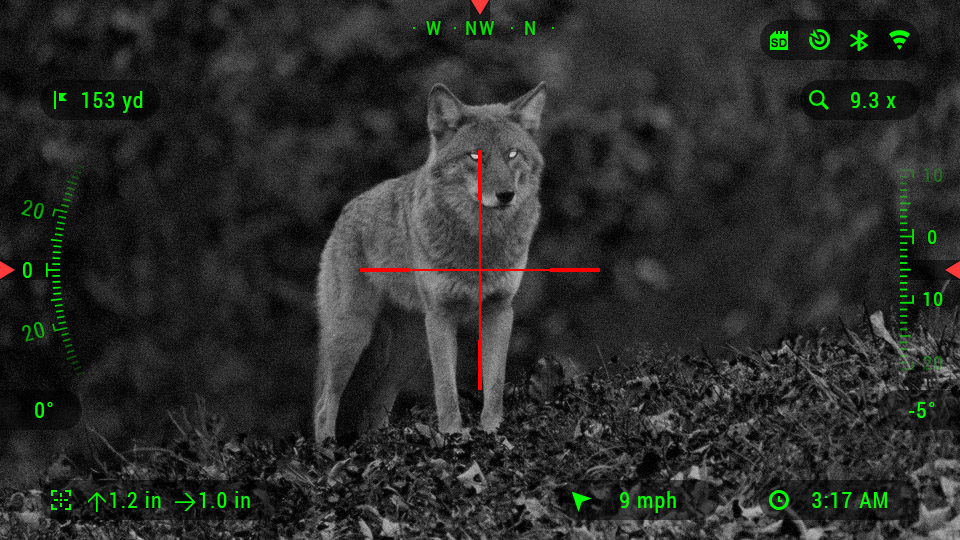
Thermal scopes detect the heat that animals and objects give off. Unlike night vision, which needs some light to work, thermal scopes let you see coyotes in total darkness, through fog, and even in light brush. This is a huge help because coyotes often move at dawn, dusk, or during the night.
With a thermal scope, you spot movement faster and get a clearer view, which improves your chances of a clean shot.
Another big plus: thermal scopes help you avoid false alarms. Sometimes, shadows or bushes can look like animals through regular optics. Thermal imaging shows only heat signatures, so you can tell the difference between a coyote and a rock or stump.
Key Features To Look For In A Thermal Scope
Not all thermal scopes are created equal. To find the best thermal scope for coyote hunting, focus on these key factors:
- Sensor Resolution: Higher resolution means a clearer, more detailed image. For hunting, 320×240 is decent, but 640×480 or higher gives much better clarity.
- Detection Range: This tells you how far away you can spot a coyote. Look for a scope that can detect at least 800 yards, but remember—identification range (how far you can tell it’s a coyote) will be less.
- Refresh Rate: Measured in hertz (Hz), this is how quickly the image updates. A higher refresh rate (like 50Hz or 60Hz) means smoother tracking, especially for moving targets.
- Lens Size and Field of View: A larger lens brings in more detail at long distances but narrows your field of view. Balance is important: too narrow and you miss movement; too wide and you lose detail.
- Battery Life: Long hunts require a scope that lasts. Look for at least 4-6 hours of runtime. Some scopes let you swap batteries in the field.
- Weight and Mounting: Heavy scopes can throw off your aim. Lighter models are easier to handle, especially if you’re hiking long distances.
- Durability: Hunting can be tough on gear. Choose scopes that are waterproof, dustproof, and shock-resistant.
- Reticle Options and Color Palettes: Customizable reticles and viewing modes (like white hot, black hot) help you adapt to different situations.
Top 5 Thermal Scopes For Coyote Hunting
The following scopes are widely considered the best for coyote hunters, based on performance, reliability, and real-world feedback.
1. Pulsar Trail 2 Lrf Xp50
The Pulsar Trail 2 LRF XP50 stands out for its advanced features and image quality. With a 640×480 sensor and a built-in laser rangefinder, it lets you spot and range coyotes at distances up to 2000 yards. The 50Hz refresh rate ensures smooth tracking, while the 8-hour battery life means you can hunt all night. The build is rugged, with IPX7 waterproofing, and the scope offers multiple reticle options. One insight: the built-in video recording is great for reviewing your shots or sharing your hunts later.
2. Atn Thor 4 640 2.5-25x
The ATN ThOR 4 is popular because it balances price with high-end features. The 640×480 sensor produces sharp images, and the zoom range (2.5-25x) covers everything from close-up shots to long-distance viewing. Its ballistic calculator helps you adjust for wind and range, which many hunters miss when buying their first thermal scope. The scope can stream video to your phone and record simultaneously. The battery lasts up to 16 hours, which is one of the longest in its class.
3. Trijicon Ir-hunter Mk3
The Trijicon IR-HUNTER MK3 is a premium choice for serious hunters. It uses a 640×480 sensor, has a 60Hz refresh rate, and offers multiple reticle options. The image clarity stands out, making it easier to identify coyotes at a distance. The controls are intuitive, and the scope is built to military specs for reliability in harsh conditions. One non-obvious benefit: Trijicon’s Edge Detect mode highlights only the outline of heat signatures, which can help reduce eye fatigue during long hunts.
4. Agm Rattler Ts50-640
For hunters looking for a mix of performance and value, the AGM Rattler TS50-640 is worth a look. It has a 640×480 sensor, 50mm lens, and a detection range of up to 2500 yards. The scope is compact and light, making it suitable for mounting on AR rifles. It also supports Wi-Fi streaming, and image capture, and has a simple menu system. Many beginners overlook the importance of a simple user interface, but it can save precious seconds in the field.
5. Flir Thermosight Pro Pts536
The FLIR ThermoSight Pro PTS536 is known for its reliability and clear imaging. It uses a 60Hz refresh rate, 12-micron pixel pitch, and a 4x digital zoom. The scope is built tough, with an all-metal housing and waterproofing. FLIR’s image processing technology helps spot coyotes in cluttered backgrounds. It’s a strong option for hunters who want a “set it and forget it” scope.
Comparison Of Top 5 Thermal Scopes
For a quick side-by-side look, here’s how the five scopes compare on the most important specs:
| Scope | Sensor Resolution | Detection Range | Refresh Rate | Battery Life (hrs) | Weight (oz) |
|---|---|---|---|---|---|
| Pulsar Trail 2 LRF XP50 | 640×480 | 2000 yds | 50Hz | 8 | 31.7 |
| ATN ThOR 4 640 | 640×480 | 1800 yds | 60Hz | 16 | 35 |
| Trijicon IR-HUNTER MK3 | 640×480 | 2200 yds | 60Hz | 5 | 35.2 |
| AGM Rattler TS50-640 | 640×480 | 2500 yds | 50Hz | 4.5 | 23.2 |
| FLIR ThermoSight Pro PTS536 | 640×480 | 1950 yds | 60Hz | 4 | 27.3 |
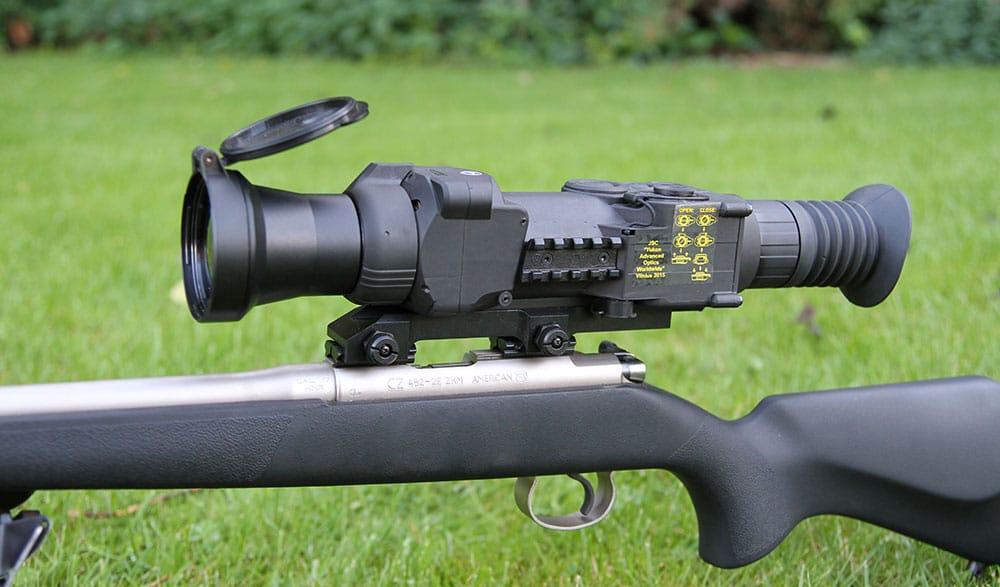
How To Choose The Right Thermal Scope For You
While specs matter, the best thermal scope for coyote hunting depends on your personal needs and hunting style. Here’s how to match a scope to your situation:
Hunting Distance And Terrain
- If you hunt in open fields, prioritize a scope with a long detection range and high magnification.
- In wooded or brushy areas, a wider field of view is better for spotting moving coyotes at shorter distances.
Rifle Compatibility
Check your rifle’s weight and rail system. Some scopes are heavier and need a sturdy mount. Lighter scopes are easier to use on AR-style rifles.
Budget Considerations
Thermal scopes can be expensive. The most basic models start around $1,500, while high-end options can exceed $7,000. Think about which features are must-haves versus “nice to have. ” For most coyote hunters, a mid-range model offers the best balance.
Battery Needs
If you hunt for long periods or in very cold weather, battery life is crucial. Some scopes allow for external battery packs or USB charging.
Legal Concerns
Check local hunting laws before buying. Some states have restrictions on thermal optics for hunting.
Practical Tips For Using A Thermal Scope
Using a thermal scope well takes practice. Here are some tips to get the most out of your investment:
- Practice before hunting: Get familiar with the controls and settings in daylight so you’re not fumbling at night.
- Adjust contrast and brightness: Every environment is different. Tweak your scope’s settings for the clearest image.
- Use the right reticle: Choose a reticle that doesn’t block your view of the target. Many hunters prefer a thin crosshair.
- Scan slowly: Thermal scopes can miss fast-moving animals if you scan too quickly.
- Bring spare batteries: Cold weather drains batteries faster, so always carry extras.
One thing many beginners don’t realize: thermal scopes don’t “see through” walls or thick brush. They show heat differences, so the clearer the line of sight, the better the image.
Real-world Example: A Night Hunt Success Story
John, a coyote hunter from Texas, switched from night vision to a thermal scope last season. On his first hunt with the Pulsar Trail 2, he spotted a pack of three coyotes at nearly 600 yards—something his old gear couldn’t do.
By tracking their heat signatures as they moved through tall grass, he was able to position himself for a successful shot. He credits his new scope not just for the kill, but for making the whole hunt more exciting and less stressful.
Common Mistakes When Buying A Thermal Scope
- Focusing only on magnification: High zoom isn’t always better. Too much magnification narrows your field of view and can make it harder to spot fast-moving coyotes.
- Ignoring refresh rate: A low refresh rate creates lag and makes tracking moving animals harder.
- Overlooking weight: Heavy scopes can cause fatigue and affect your aim, especially on long hunts.
- Not considering user interface: Complicated controls can slow you down in the field.
- Skipping warranty and support: Thermal scopes are an investment. Choose brands with good customer support and a solid warranty.
Comparison Of Entry, Mid-range, And Premium Scopes
To further help with decision-making, here’s a breakdown by price and feature set:
| Category | Price Range | Key Features | Example Model |
|---|---|---|---|
| Entry-Level | $1,500–$2,500 | Basic resolution, shorter range, limited features | Pulsar Core RXQ30V |
| Mid-Range | $2,500–$4,500 | Better sensors, longer battery, more options | ATN ThOR 4 640 |
| Premium | $4,500–$7,500+ | Top resolution, advanced software, built-in LRF | Trijicon IR-HUNTER MK3 |
Weather Impact: How Conditions Affect Thermal Imaging
Thermal scopes work in most weather, but conditions can affect performance:
- Cold, clear nights: Best for contrast; coyotes stand out well.
- Rain or fog: Reduces detection range, but thermal still works better than night vision.
- Hot days: Ground heat can reduce contrast, making animals harder to spot.
You can learn more about thermal technology and environmental effects from this Wikipedia article on thermographic cameras.
Frequently Asked Questions
What Is The Difference Between Thermal And Night Vision Scopes?
Thermal scopes detect heat signatures, letting you see animals in total darkness, fog, or light brush. Night vision scopes amplify available light and work best with some moonlight or starlight. Thermal is usually better for spotting coyotes at night.
How Far Can A Thermal Scope See Coyotes?
Detection range varies by model. Most quality scopes can detect a coyote-sized animal at 1000 to 2500 yards. However, identifying the animal (seeing enough detail to know it’s a coyote) is usually possible up to 400-700 yards.
Is It Legal To Use A Thermal Scope For Coyote Hunting?
Laws differ by state and country. Many states in the US allow thermal scopes for coyotes, but some have restrictions. Always check your local game regulations before hunting.
Are Thermal Scopes Affected By Weather?
Yes, weather can impact performance. Cold, dry nights give the best results. Heavy rain, fog, or extreme heat can reduce image clarity and range, but thermal scopes still perform better than standard night vision in these conditions.
How Long Do Thermal Scope Batteries Last?
Battery life depends on the model and settings. Most scopes last 4-8 hours on one charge. Some higher-end models can last up to 16 hours. Cold weather can shorten battery life, so carry spares.
Choosing the best thermal scope for coyote hunting is a smart investment for both success and safety. By focusing on the features that matter most, and matching your scope to your hunting style, you’ll enjoy better results and more rewarding nights in the field.

Leave a Reply