
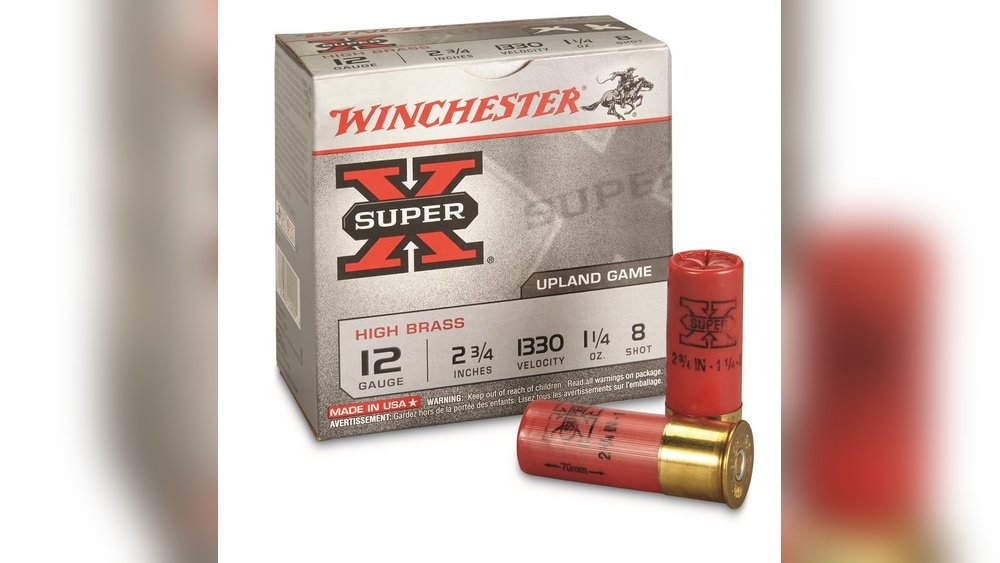
If you spend any time around shotguns—whether for hunting, sport shooting, or home defense—you’ll hear the terms “high brass” and “low brass” tossed around. But what exactly does “high brass” mean? Is it about performance, power, or just the way a shotgun shell looks?
Understanding this term is important if you want to choose the right ammunition for your needs and avoid common mistakes. Let’s break down what high brass shotgun shells are, why they matter, and how to use them wisely.
What Does “high Brass” Mean In Shotgun Shells?
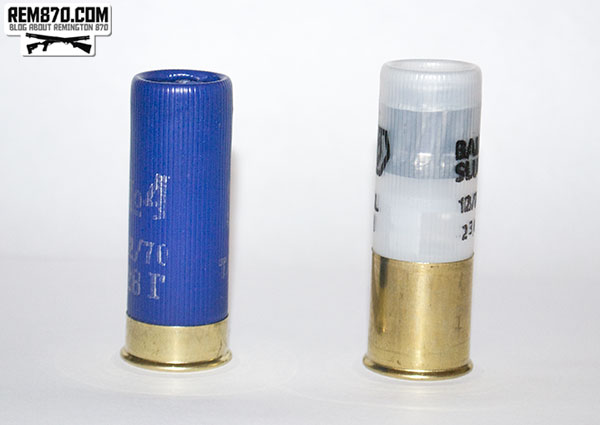
The term high brass refers to the height of the metallic portion (the “brass”) at the base of a shotgun shell. On a high brass shell, this metal part extends further up the shell compared to low brass shells, where the brass is shorter. Originally, the height of the brass was a practical feature, not just a look. High brass shells were designed for more powerful loads that required extra strength at the base to handle higher pressure.
Today, modern shell construction means the amount of brass is less critical for strength, but the terms “high brass” and “low brass” still indicate the likely performance and intended use of the shell.
High Brass Vs. Low Brass: What’s The Difference?
It’s easy to get confused by these terms, so let’s compare them side by side:
| Feature | High Brass | Low Brass |
|---|---|---|
| Brass Height | Taller (extends higher up the shell) | Shorter (barely covers the base) |
| Powder Charge | Usually higher (more powder) | Usually lower (less powder) |
| Shot Load | Heavier (more shot) | Lighter (less shot) |
| Recoil | Greater | Milder |
| Typical Use | Hunting larger game, waterfowl, or longer ranges | Small game, target shooting, or close range |
High brass shells are almost always associated with more powerful loads, while low brass shells are designed for lighter shooting.
Why Does Brass Height Matter?
Long ago, the tall brass was needed to reinforce the shell and stop it from bursting under high pressure. Modern materials and manufacturing have made this less necessary, but the tradition remains. Today, the brass height is mostly a visual indicator: higher brass often means a heavier, more powerful load inside.
However, one non-obvious fact: there’s no official industry standard for “high” or “low” brass. Brands may differ in their brass heights, so always check the load details on the box, not just the brass.
What’s Inside A High Brass Shell?
Let’s look inside a typical high brass shotgun shell. The main parts are:
- Brass head – The base of the shell, where the primer sits and which supports the pressure.
- Plastic or paper hull – The body that holds the shot and powder.
- Primer – The ignition source at the center of the brass.
- Powder charge – More powder in high brass shells to create greater pressure.
- Wad – Separates the powder from the shot, helps seal the gases.
- Shot – The small pellets or projectiles, often heavier in high brass shells.
Because of the extra powder and shot, high brass shells produce more energy and higher velocity. This is why hunters or those needing longer range use them.
When Should You Use High Brass Shotgun Shells?
High brass shells are not always the best choice. They shine in certain situations:
- Hunting larger game: For birds like pheasants, ducks, or even turkeys, high brass delivers the power needed for clean kills.
- Longer shots: If you need your pellets to reach farther, the higher velocity helps.
- Dense cover or tough targets: More shot and power can penetrate brush or feathers better.
But for small game like rabbits or doves, or for clay shooting, low brass often works better (and is easier on your shoulder).
Common Gauges And Loads For High Brass Shells
You’ll find high brass options in many gauges, but some are more common:
- 12 gauge: The most popular shotgun size, with a wide range of high brass loads for everything from ducks to deer.
- 20 gauge: Lighter than 12 gauge but still packs a punch. Good for youth or those wanting less recoil.
- 16, 10, and 28 gauge: Less common but available for specialty hunting.
High brass loads often include heavier shot sizes (like #4, #2, or even buckshot) and more powder. This delivers more energy downrange.
How To Identify High Brass Shells
If you want to be sure, look for these clues:
- Visual check: The brass extends further up the sides—often about 1/2 inch or more.
- Box labeling: Manufacturers usually print “high brass” or “game load” on the box.
- Load info: Heavier shot weight (measured in ounces) and higher velocity numbers (feet per second) usually mean high brass.
Here’s a quick comparison of two typical 12 gauge shells:
| Shell Type | Brass Height | Shot Weight | Velocity (fps) | Common Use |
|---|---|---|---|---|
| High Brass | 0.5 inch | 1-1/4 oz | 1330 fps | Pheasant, waterfowl |
| Low Brass | 0.2 inch | 1 oz | 1180 fps | Clay targets, dove |
High Brass Shells: Advantages And Disadvantages
Advantages
- More power: Higher velocity and energy.
- Better for tough targets: Penetrates feathers, fur, or brush.
- Longer range: Pellets hold energy farther.
Disadvantages
- Greater recoil: Can be uncomfortable for some shooters.
- More expensive: Heavier loads use more materials.
- Not always needed: Overkill for small game or targets.
A common mistake is thinking high brass is always better. In fact, using too much power can damage small game or make you flinch from recoil.

How High Brass Affects Recoil And Gun Wear
High brass shells almost always kick harder than low brass. This is due to the extra powder and shot. If you shoot many rounds in a day (like at a clay range), the extra recoil adds up and can cause fatigue or even shoulder bruising.
Another non-obvious fact: Some older shotguns, especially those with lighter barrels or older wood stocks, can suffer extra wear from heavy high brass loads. Always check your gun’s manual for load recommendations.
Are High Brass Shells Better For Home Defense?
Many people ask if they should use high brass shells for home defense. The answer depends on your situation. High brass shells offer more stopping power, but also more recoil and noise. In a confined space, the extra power is not always necessary, and over-penetration (pellets going through walls) is a concern.
Often, a moderate load of buckshot (sometimes available in high or low brass) is best. Always balance power with safety.
How To Choose The Right High Brass Shell
Choosing the right shell is about matching your gun, your target, and your comfort level. Here are some practical tips:
- Check your shotgun’s gauge and chamber length. Never use shells longer than your gun’s chamber.
- Know your target. Use heavier shot and higher velocity for larger game or longer shots.
- Balance power and recoil. Don’t choose loads heavier than you can handle.
- Test different brands. Not all high brass loads pattern the same in every gun.
- Price vs. performance. High brass costs more, so only use it when needed.
Are There “true” High Brass Shells Anymore?
With modern plastic hulls and improved manufacturing, some brands have reduced brass height to save costs. Sometimes, what looks like high brass is just brass-plated steel or even aluminum, not true brass. Always check the load details—don’t rely only on the look.
Safety Tips For Using High Brass Shells
- Always wear eye and ear protection when shooting any load, especially high brass.
- Store shells in a cool, dry place. High brass shells can corrode if left in damp areas.
- Check your gun after shooting. High brass loads can leave more residue; clean your shotgun regularly.
- Never mix shell types in a tube magazine. If you have both high and low brass shells, put the lighter ones first to avoid jams.
Real-world Example: High Brass In Pheasant Hunting
A hunter in the Midwest might choose a 12 gauge high brass shell loaded with #5 shot for pheasants. The heavier load and higher velocity help bring down tough, fast-flying birds at 40 yards or more. In contrast, a low brass shell might only wound or miss the target at that distance.
How Manufacturers Label High Brass
Each brand has its own way of marking high brass shells. Some print “High Brass Game Load,” others just use terms like “Heavy Field Load.” Here’s a quick look at how three big brands label their high brass:
| Brand | Label | Typical Load |
|---|---|---|
| Winchester | Super-X High Brass | 1-1/4 oz, 1330 fps |
| Remington | Express Long Range | 1-1/4 oz, 1290 fps |
| Federal | Game Load Hi-Brass | 1-1/4 oz, 1255 fps |
You’ll notice the loads are similar, but labeling varies. Always read the box for shot size, weight, and velocity.
Environmental Considerations
Another insight: High brass shells, due to their heavier loads, often produce more noise and require more lead shot. In some regions, non-toxic shot (like steel or bismuth) is required for hunting waterfowl. These shells may still be called “high brass” even if the brass is thin or steel-capped. Always check local laws and use the right ammunition for the area.
High Brass Shotgun Shells In Competition
Some sport shooters prefer high brass for events like “handicap trap” or longer-range clay games, where extra power and reach are needed. However, most competitive shooters use low brass for standard trap or skeet to reduce recoil and cost.
Where To Learn More
If you want to dive deeper into the topic of shotgun shells, their history, and performance characteristics, you might find this article on the Wikipedia: Shotgun Shell page useful.

Frequently Asked Questions
What Is The Main Difference Between High Brass And Low Brass Shotgun Shells?
High brass shells have a taller metal base and are usually loaded with more powder and heavier shot. This makes them more powerful and suitable for hunting larger game or shooting at longer ranges. Low brass shells have a shorter brass base and are typically used for lighter loads like target shooting or small game.
Do High Brass Shells Always Have More Power?
Almost always, yes. High brass shells are designed for heavier loads and higher velocity. But modern manufacturing means some low brass shells can be loaded hot, so always check the load data on the box rather than judging by brass height alone.
Will High Brass Shells Damage My Shotgun?
Most modern shotguns can handle high brass shells if they are in good condition and rated for the shell size and length. However, repeated use of heavy high brass loads can accelerate wear in older guns. Always follow your gun manufacturer’s recommendations.
Are High Brass Shells Good For Home Defense?
They can be, due to their increased stopping power. However, the extra recoil and risk of over-penetration (shooting through walls) should be considered. Sometimes a moderate low brass buckshot load is a safer and more controllable choice indoors.
Can I Use High Brass And Low Brass Shells Interchangeably?
Generally, yes—if the shells fit your gun’s gauge and chamber length. But always match the load to your intended use. High brass is best for larger game and long shots, while low brass is better for light targets and less recoil.
Shotgun shell choices can feel overwhelming, but understanding what high brass really means puts you a step ahead. Always balance power, recoil, and your real needs. When in doubt, ask an experienced shooter or consult your gun’s manual. With the right shell, your shotgun becomes a more effective and enjoyable tool for whatever you aim at.

Leave a Reply