
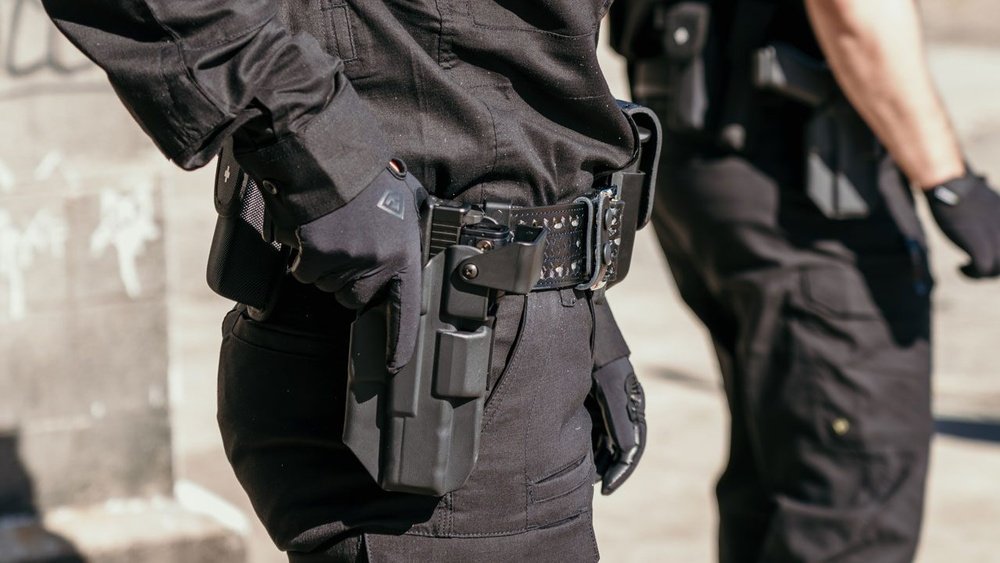
What Holsters Do Police Use
Police officers around the world rely on their equipment every day. One of the most important tools they use is the holster. A good holster keeps the officer’s weapon safe, easy to reach, and secure from others. But with many types and brands out there, what holsters do police really use? Let’s explore the world of police holsters, including the main types, popular brands, security features, and how officers choose the right one for their job.
Why Holsters Matter For Police Officers
A holster is much more than a gun holder. For police, it means safety, speed, and control. When an officer needs their weapon, they must draw it quickly and safely. At the same time, the holster must protect against someone else grabbing the gun during a struggle.
A holster also keeps the gun in place during running, jumping, or wrestling, so the officer can focus on the situation.
Many people may not realize that police holsters are carefully chosen and often tested under real-world conditions. Departments spend time and money making sure their officers use holsters that fit their duties. Even small design details—like the angle of the gun or the type of locking system—can make a big difference.
Main Types Of Holsters Used By Police
Not every holster is the same. Police use different types depending on their job, the environment, and the weapon they carry. Here are the main holster types you’ll find on police officers:
1. Duty Holsters
Duty holsters are the most common type for uniformed police. These are worn openly on the belt, usually on the dominant side. They are made to be tough, secure, and able to withstand daily use.
- Material: Usually made of thick polymer, Kydex, or leather.
- Security: Most have locking features to stop others from grabbing the gun.
- Placement: Worn at the hip for easy access.
2. Tactical Holsters
Tactical holsters are often used by SWAT or special response teams. These are designed for fast action and can be attached to the thigh (called a drop-leg holster) or worn on a vest.
- Material: Mostly synthetic, for durability and weather resistance.
- Features: Can carry extra magazines or lights.
- Use: Good for officers who need to move quickly or wear body armor.
3. Concealed Carry Holsters
Some detectives or plainclothes officers use concealed carry holsters. These are designed to hide the weapon under clothes while still allowing a quick draw.
- Material: Thinner and lighter, often with padding for comfort.
- Styles: Inside-the-waistband (IWB) or ankle holsters are popular.
- Drawback: Usually less secure than duty holsters, so not used for uniformed patrol.
4. Shoulder Holsters
Though less common, some police use shoulder holsters, especially when sitting in cars for long periods. The gun hangs under the arm, making it easy to reach while seated.
- Comfort: Spreads weight across the body.
- Use: Sometimes chosen for detectives or for backup guns.
5. Crossdraw Holsters
These are worn on the opposite side of the dominant hand, letting the officer draw across the body. They are less common but useful for officers who spend much time seated or driving.
6. Backup Gun Holsters
Many officers carry a second, smaller gun. Backup holsters are made for this purpose and can be worn on the ankle, inside a vest, or in a pocket.
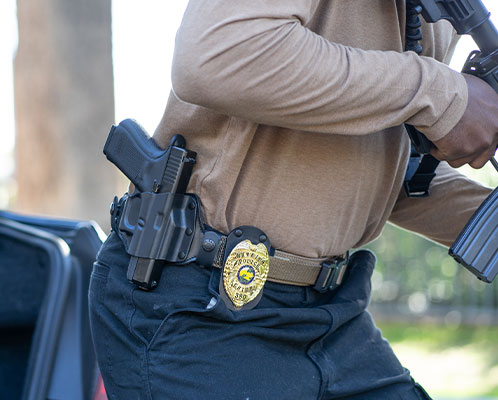
Popular Holster Brands Used By Police
Not all holsters are made equal. Some brands are trusted more by police departments because they offer better safety, comfort, or value. Here’s a look at some of the top brands used by law enforcement:
- Safariland: Known for strong retention systems and durability. Many U.S. police departments use Safariland duty holsters.
- Blackhawk: Famous for the SERPA lock system, which is quick but secure. Popular for both duty and tactical uses.
- Bianchi: Offers both leather and synthetic holsters. Known for comfort and high quality.
- Gould & Goodrich: Makes reliable leather holsters, often chosen for detectives.
- Uncle Mike’s: Affordable and used for backup or off-duty holsters.
- DeSantis: Makes many types, including concealed carry and shoulder holsters.
- Galco: Famous for shoulder holsters, often seen in detective work.
- Alien Gear: Newer to police, but their comfortable design is gaining interest for plainclothes officers.
Here’s a quick comparison of some of the most popular police holster brands and their strengths:
| Brand | Main Strength | Common Use |
|---|---|---|
| Safariland | Best retention systems | Uniformed patrol |
| Blackhawk | Quick draw with security | Tactical/SWAT |
| Bianchi | Comfort and fit | Detectives/Patrol |
| Galco | Shoulder holsters | Plainclothes |
| Uncle Mike’s | Low cost, backup | Off-duty/Backup |
Key Security Features In Police Holsters
Police holsters are not just about carrying a gun—they must prevent someone else from grabbing it. This is called retention. There are several levels of retention, and most departments require at least Level II or III for patrol officers.
Retention Levels Explained
- Level I: One locking system, usually friction or a simple strap.
- Level II: Two systems, like a strap plus a thumb release.
- Level III: Three or more security steps, such as a rotating hood, push lever, and friction.
Many modern duty holsters use a system where the officer can draw quickly by moving their thumb, but a criminal would struggle to figure out the steps.
Here’s how retention levels compare:
| Retention Level | Number of Safeties | Security | Draw Speed |
|---|---|---|---|
| Level I | 1 | Basic | Fastest |
| Level II | 2 | High | Fast |
| Level III | 3+ | Very High | Moderate |
Non-obvious insight: Some of the best holsters allow an officer to draw with only one hand, even if the other is injured or busy. Retention is designed so the officer can operate it by feel, even under stress.
Factors Police Consider When Choosing A Holster
Choosing the right holster is not simple. Departments and officers look at many factors before deciding. Here’s what really matters:
1. Weapon Fit
The holster must fit the exact make and model of the officer’s weapon. A loose holster can be dangerous and slow down the draw.
2. Draw Speed
In a life-or-death situation, every second counts. Holsters must allow a fast, smooth draw—without giving up too much security.
3. Comfort And Weight
Officers wear their gear for long shifts. A heavy or uncomfortable holster can cause pain or injury over time.
4. Retention Level
As mentioned, most departments require Level II or III retention for patrol officers to prevent gun grabs.
5. Duty Requirements
Plainclothes officers need concealed holsters. SWAT teams may need tactical holsters for extra gear. Patrol officers use duty holsters. The job shapes the choice.
6. Durability
Police holsters get heavy use—rain, sun, dirt, and sweat. Materials must resist wear and tear. Polymer and Kydex are popular for their toughness.
7. Agency Policy
Departments often have strict rules about what holsters are approved. Officers can’t always pick any holster they like.
Non-obvious insight: Some agencies now test holsters with “gun grab” drills, where an instructor tries to take the gun by surprise. Only holsters that pass these tests are allowed.
Common Holster Mistakes And Lessons Learned
Even experienced officers can make mistakes with holster choice and use. Here are some common problems:
- Choosing a universal-fit holster: These may not hold the gun tightly, increasing the risk of accidents.
- Ignoring comfort: A holster that pinches or rubs can distract the officer or even cause long-term injury.
- Poor maintenance: Holsters need regular cleaning, especially after rain or exposure to sweat. Dirt can jam the locking system.
- Not practicing the draw: Officers must practice drawing their weapon from their holster, especially under stress. Some holsters require special training to use safely.
- Buying based on looks: A holster that looks “cool” may not be safe or practical for real work.
Real-world Examples: What Do Large Departments Use?
Let’s look at a few examples from major police forces:
- New York Police Department (NYPD): Most patrol officers use Safariland Level III duty holsters.
- Los Angeles Police Department (LAPD): Issues Safariland holsters with automatic locking systems.
- London Metropolitan Police: Uses different holsters, but many choose Blackhawk and Safariland models for armed units.
- Royal Canadian Mounted Police (RCMP): Uses custom holsters designed for their standard-issue sidearms with high retention features.
How Holsters Are Tested And Approved
Before a holster is approved, it goes through strict testing:
- Retention tests: Can a person grab the gun from behind or the side?
- Draw speed trials: Can officers draw quickly and reliably?
- Durability checks: Does it hold up to sun, rain, and repeated use?
- Weapon compatibility: Does the holster fit the weapon and any accessories (like lights or lasers)?
Some departments even do scenario training, where officers must draw their weapon under stress while wearing gloves or in low light. Holsters that fail are not approved for duty use.

Future Trends: What’s Next For Police Holsters?
Technology is changing police equipment. Holsters are starting to include:
- Automatic locking systems that activate when the gun is holstered.
- Integrated lights and camera mounts for evidence collection.
- Smart holsters that alert command if the gun is drawn or if someone tries to remove it without permission.
Some companies are working on holsters with built-in RFID chips that only unlock for the officer’s handprint or badge. While these are not standard yet, they could become common in the future.
For more on holster technology and police standards, check out the Police Equipment Wikipedia page.
Frequently Asked Questions
What Is A Level Iii Holster And Why Do Police Use It?
A Level III holster has three security features to keep the gun safe. Police use it because it is very hard for someone else to grab the weapon, but still allows the officer to draw quickly when needed.
Why Don’t All Police Use Concealed Holsters?
Uniformed police need their gun easy to reach and visible for safety reasons. Concealed holsters are used by detectives or officers working undercover who do not want their weapon seen.
Can Police Officers Choose Any Holster They Want?
Usually, no. Most departments have a list of approved holsters. Officers must pick from this list to make sure their gear meets safety standards.
How Often Do Police Need To Replace Their Holsters?
It depends on use, but most duty holsters last 5–10 years. Holsters are replaced if they show wear, fail safety checks, or after a major incident.
Are There Left-handed Holsters For Police?
Yes, all major brands make left-handed holsters. Departments order these for left-handed officers to ensure the same safety and speed.
Final Thoughts
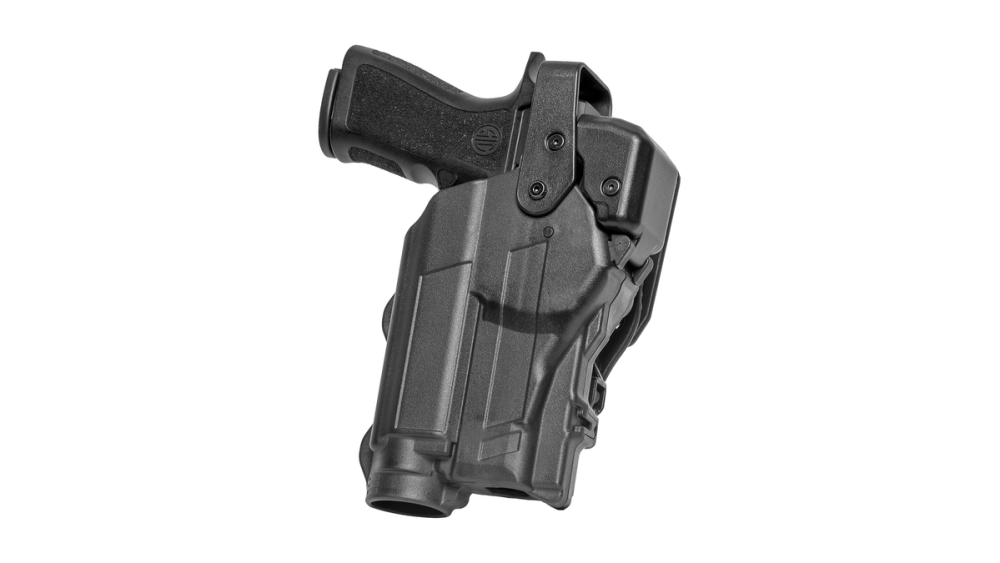
The holster is a small but vital part of a police officer’s gear. The right holster keeps the officer safe, protects their weapon, and lets them do their job with confidence. Whether it’s a rugged duty holster for patrol, a fast-access tactical holster for SWAT, or a low-profile concealed holster for detectives, the choice is never random. It’s the result of careful testing, smart design, and real-world experience. As technology improves, police holsters will become even safer and more advanced—helping officers protect both themselves and the public.

Leave a Reply