
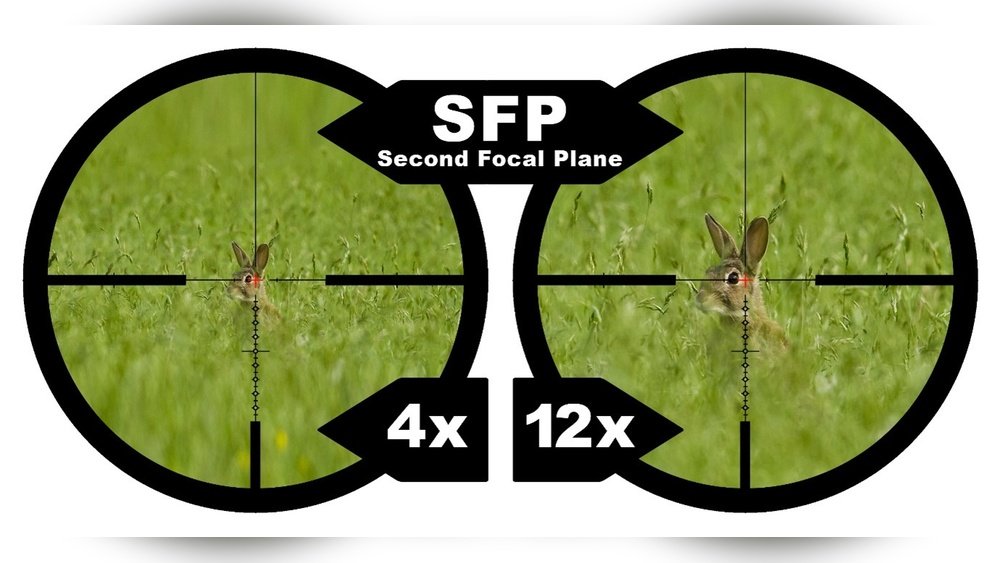
When you start exploring rifle scopes, you quickly come across terms like second focal plane (SFP) and first focal plane (FFP). These are not just technical jargon—they impact how your scope works and how you should use it. But what does second focal plane really mean, and why does it matter for shooters, hunters, and anyone using a scope? Let’s break down this concept in clear language, offer practical examples, and help you decide if SFP is the right choice for your needs.
Understanding The Basics: What Is Second Focal Plane?
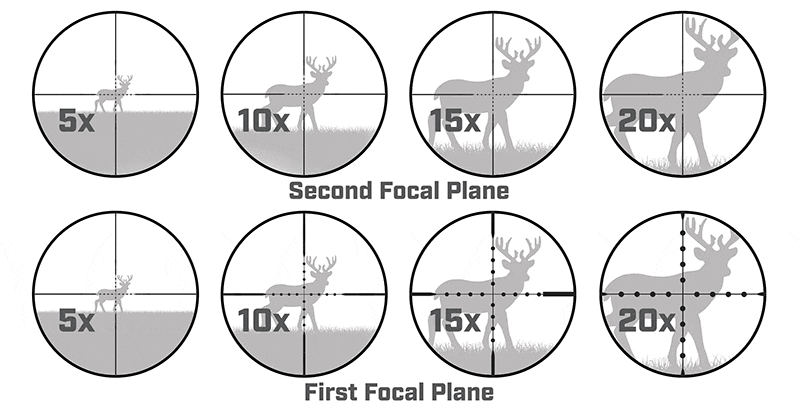
A rifle scope is made up of lenses and a reticle (the crosshairs or aiming point you see). In a second focal plane scope, the reticle is placed behind the magnification lenses. This means that when you change your magnification—zooming in or out—the reticle stays the same size to your eye, but the target image gets bigger or smaller.
This design is very popular, especially in hunting scopes and scopes used for general shooting. Why? Because it keeps the reticle easy to see at all magnifications and does not become too thin or too thick as you zoom.
How Second Focal Plane Scopes Work
To really understand SFP, picture looking through your scope at a deer 200 yards away. As you zoom from 3x to 9x, the deer gets larger in your view, but the crosshairs do not change size. This is different from first focal plane scopes, where the reticle grows or shrinks with the target.
Here’s the key: SFP scopes keep the reticle size constant. Only the image behind it changes as you adjust magnification.
Why Does Second Focal Plane Matter?
Choosing between SFP and FFP is more than just a technical decision. It affects how you shoot, how you use reticle markings, and how you handle different shooting situations.
Pros Of Second Focal Plane
- Consistent Reticle Size: The crosshairs stay the same thickness, making them easy to see at any zoom level.
- Better for Precise Aiming at Lower Power: At low magnification, the reticle is not too thin to see.
- Popular for Hunting: Most hunters use SFP scopes because they often shoot at one magnification and appreciate a clear reticle.
- Usually Less Expensive: SFP scopes are generally cheaper than FFP models with similar features.
Cons Of Second Focal Plane
- Reticle Marks Only Accurate at One Power: If your scope has hash marks for holdover or range estimation, these are only correct at a certain magnification (usually the highest).
- Less Flexible for Range Finding: You can’t use reticle marks for accurate measurements at all magnifications.
- Can Confuse Beginners: If you don’t know about the “true” magnification for reticle marks, you might miss your shot.
Second Focal Plane Vs First Focal Plane: Key Differences
It’s common to see shooters compare SFP and FFP. Here’s a direct look at how they stack up:
| Feature | Second Focal Plane (SFP) | First Focal Plane (FFP) |
|---|---|---|
| Reticle Size | Stays the same at all magnifications | Changes with magnification |
| Reticle Usability | Always easy to see, even at low power | Can become thin or thick at extremes |
| Holdover/Range Marks | Accurate only at one set magnification | Accurate at all magnifications |
| Typical Use | Hunting, general shooting | Tactical, long-range competitions |
| Price | Usually less expensive | Usually more expensive |
When Should You Choose A Second Focal Plane Scope?
Selecting between SFP and FFP depends on how you plan to use your scope. Here are some scenarios where SFP makes sense:
- Hunting at various ranges: Most shots happen at low or medium magnification. The constant reticle thickness helps you aim quickly.
- Target shooting at a fixed distance: If you shoot at the same range often, you can set your scope to the “true” power for your reticle and not worry about changes.
- Budget-conscious buyers: SFP scopes give you more options at lower prices, often with good glass quality.
- Beginners: If you’re just learning, SFP is simpler to use because you don’t have to worry about the reticle changing size.
How To Use Reticle Marks On A Second Focal Plane Scope
Most SFP scopes with hash marks or dots on the reticle (for bullet drop or wind) are calibrated for one magnification. Usually, this is the highest power—like 9x on a 3-9x scope. At other magnifications, the marks are not accurate for measuring bullet drop or wind drift.
Practical Example
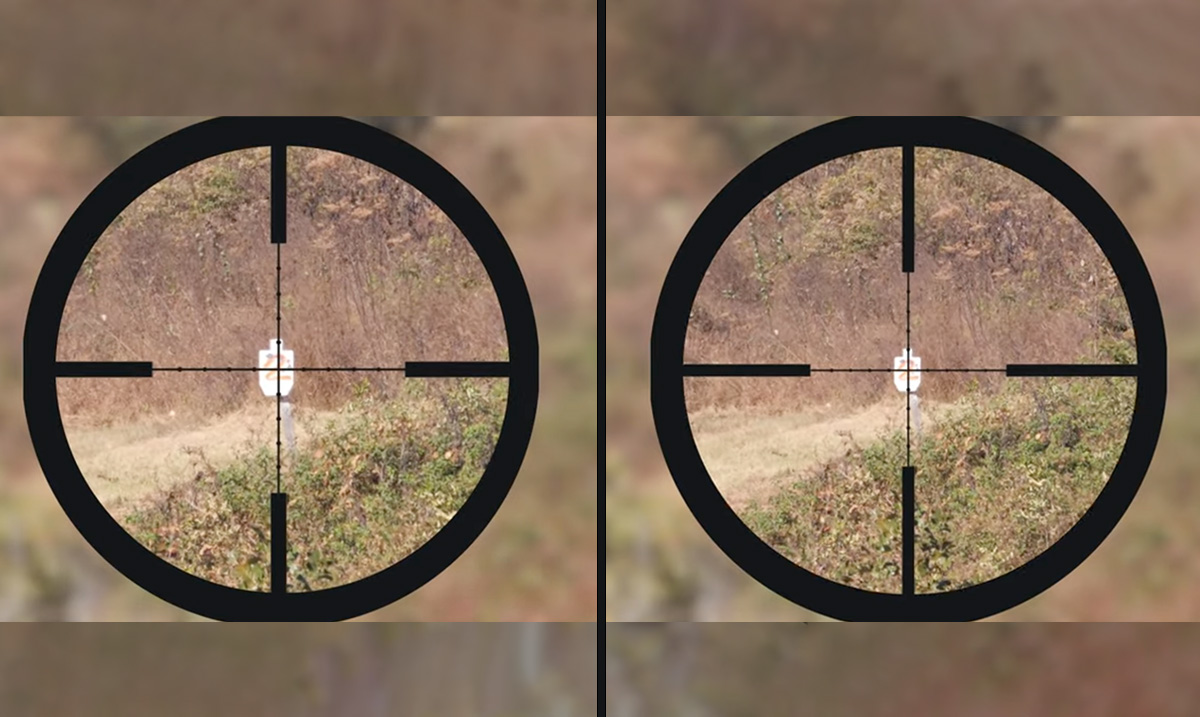
Suppose your scope has a mil-dot reticle. At 9x, each dot might mean 1 mil. But at 5x, the distance between dots is not 1 mil anymore—it’s larger. So, if you use the dots for holdover or range estimation, make sure you’re always at the scope’s “true” power.
Non-obvious Insight
Many shooters forget to check their manual for the exact power setting where the reticle is accurate. Sometimes it’s not the highest power, but a specific one like 10x or 12x. Always check your scope’s instructions.
Typical Features Of Second Focal Plane Scopes
SFP scopes come in many types, from budget models to high-end optics. Here’s what you often find:
- Wide magnification range: 3-9x, 4-12x, or even 6-24x.
- Simple or advanced reticles: From basic crosshairs to reticles with dots, hash marks, or illumination.
- Side or adjustable parallax: Many SFP scopes let you fine-tune focus for distance.
- Rugged build: Waterproof, fog-proof, and shockproof designs are common.
Common Myths About Second Focal Plane
A lot of confusion surrounds SFP scopes. Let’s clear up some common myths:
- “SFP scopes are only for beginners.” Not true. Many experienced hunters and shooters prefer SFP for its simplicity and clear reticle.
- “You can’t shoot long-range with SFP.” Also false. You can shoot accurately at long range, but you need to know which magnification to use for your reticle marks.
- “FFP is always better.” Not necessarily. FFP is better for fast range adjustments and dynamic shooting, but SFP is often better for hunting and shooting at fixed ranges.
Comparing Sfp Scope Performance
To show how SFP scopes perform in different situations, let’s compare two popular uses:
| Scenario | SFP Scope Advantages | SFP Scope Challenges |
|---|---|---|
| Big Game Hunting | Clear reticle at dawn/dusk, easy to aim quickly, simple operation | Reticle marks less useful if you change magnification often |
| Long Range Target Shooting | Affordable high-magnification options, sharp crosshairs for precise aiming | Need to keep scope on “true” power for accurate holdover |
How To Avoid Common Mistakes With Second Focal Plane Scopes
Many shooters make small errors with SFP scopes that hurt their accuracy. Here are two mistakes beginners often overlook:
- Using reticle marks at the wrong magnification: Always check your power setting before using hash marks for holdover or wind.
- Forgetting to re-zero when switching ammo: Different bullets drop differently. Always re-check your zero if you change ammunition.
Real-world Example: Sfp In A Hunting Trip
Imagine you’re hunting deer in the woods. You spot a buck at 80 yards, raise your rifle, and set your scope to 4x for a wide field of view. The crosshairs are bold and easy to see, helping you aim quickly.
Later, you see a coyote at 200 yards across an open field. You zoom to 9x—the reticle stays clear and easy to use. You remember that your reticle marks are only accurate at 9x, so you adjust your hold accordingly.
This is the practical value of SFP scopes in the field.
Choosing The Right Second Focal Plane Scope
When shopping for an SFP scope, focus on what matters most:
- Magnification range: Pick a range that fits your typical shooting. For deer hunting, 3-9x is common. For long-range, you may want 4-16x or higher.
- Reticle type: Simple reticles are best for fast shots; advanced reticles help with range and wind.
- Glass quality: Good lenses mean a clearer image, especially in low light.
- Adjustment turrets: Look for easy-to-use dials for windage and elevation.
- Build quality: Ensure the scope is waterproof, fog-proof, and shockproof.
A common mistake is choosing the highest magnification possible. Most shooters do best with a scope they can use easily at low and mid power. High magnification can limit your field of view and slow target acquisition.

Sfp Scopes And Modern Shooting Sports
While FFP scopes have become popular in tactical and competition shooting, SFP still dominates most hunting and recreational markets. Even many professional guides and marksmen prefer the reliability and simplicity of SFP.
In competitive shooting, you may find SFP scopes in events where distances are fixed or known, and speed is more important than adjusting for range on the fly.
Advances In Sfp Technology
Today’s SFP scopes are better than ever. Many now feature:
- Illuminated reticles: For shooting in low light.
- Zero stop turrets: So you can quickly return to your zero setting.
- Locking adjustments: To prevent accidental changes in the field.
Some top manufacturers even offer hybrid reticles that help estimate range at multiple powers, but these require practice and a good understanding of your scope.
Comparing Popular Second Focal Plane Scopes
Here’s a look at three popular SFP scopes and their main features:
| Model | Magnification | Reticle Type | Special Features |
|---|---|---|---|
| Leupold VX-Freedom | 3-9×40 | Duplex | Waterproof, fog-proof, lightweight |
| Vortex Crossfire II | 4-12×44 | Dead-Hold BDC | Fully multi-coated lenses, fast focus eyepiece |
| Bushnell Banner Dusk & Dawn | 3-9×40 | Multi-X | Dusk & Dawn brightness (DDB) coating, affordable price |
Frequently Asked Questions
What Is The Main Advantage Of A Second Focal Plane Scope?
The biggest advantage is that the reticle stays the same size at all magnifications. This makes aiming fast and easy, especially for hunting and general shooting.
Are Sfp Scopes Good For Long-range Shooting?
Yes, but you must use your reticle marks at the correct magnification (usually the highest). SFP scopes are reliable for long-range as long as you know this limitation.
Can I Use Sfp Scopes For Tactical Or Competition Shooting?
You can, but many tactical shooters prefer FFP for fast range adjustments. SFP works well when you shoot at known distances or don’t need to change magnification often.
How Do I Know At Which Magnification My Reticle Marks Are Accurate?
Check your scope’s manual or look for a mark on the power ring. Most are set at the highest magnification, but some scopes use a different power.
Are Sfp Scopes Cheaper Than Ffp Scopes?
In general, SFP scopes cost less than similar FFP models. This makes them popular for hunters and recreational shooters.
Scopes are an investment, and understanding focal planes helps you get the best value. For more technical details, visit the Wikipedia page on rifle scopes.
A second focal plane scope offers simplicity, clear aiming, and affordability. If you value these, SFP is likely the right choice for your next shooting adventure. Learn your reticle, practice at different magnifications, and you’ll be ready for any shot.

Leave a Reply