
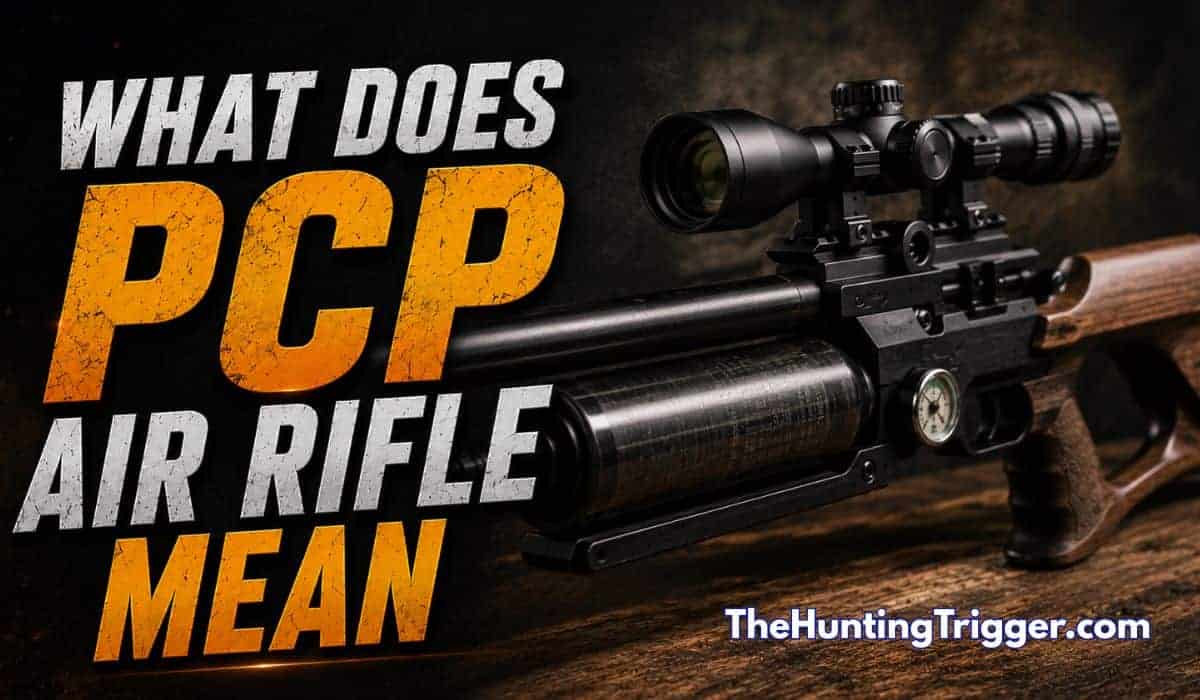
A PCP air rifle is a type of airgun powered by compressed air stored in a cylinder. The letters PCP stand for Pre-Charged Pneumatic. This means the rifle’s air reservoir is filled in advance and not by pumping while shooting. PCP air rifles are well known for their accuracy, consistency, and power. They are used for target shooting, hunting, and pest control. Unlike spring-piston or CO2 models, PCP air rifles can shoot many pellets before needing a refill.
Table of Contents
How PCP Air Rifles Work?
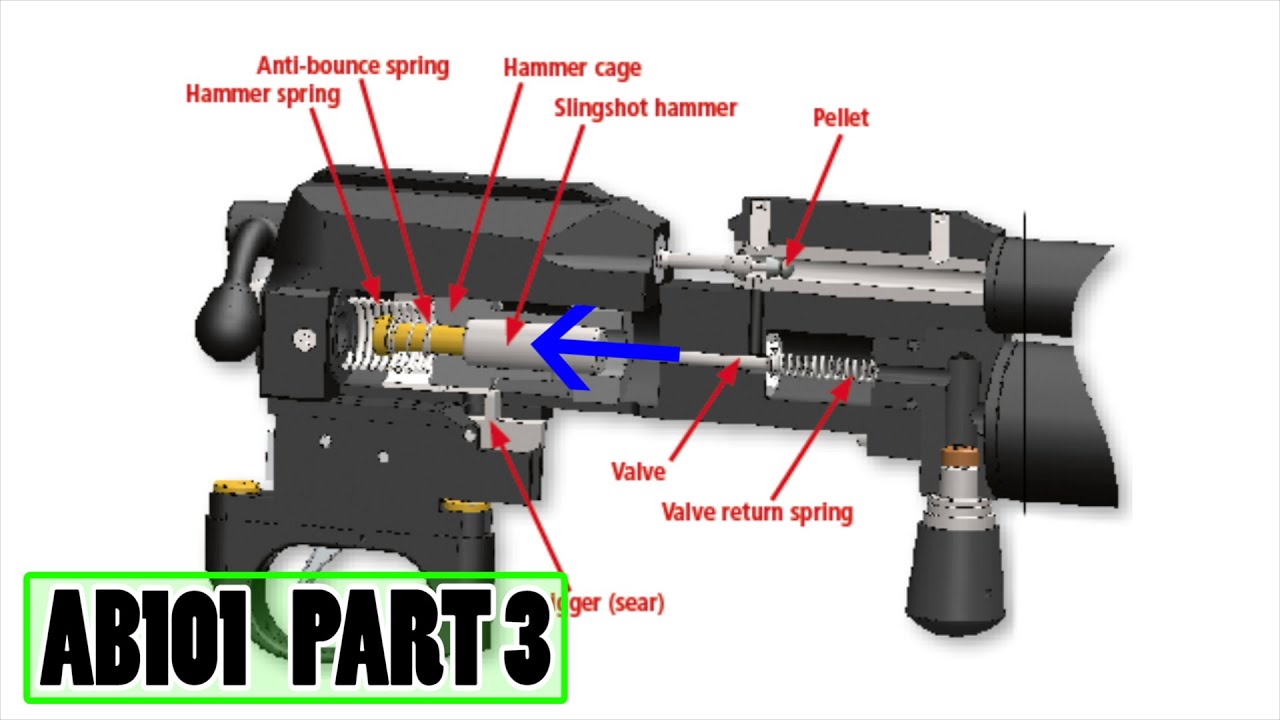
A PCP air rifle uses compressed air, usually stored at high pressure (2,000–3,000 psi), in a built-in cylinder. The shooter fills the cylinder using a hand pump, scuba tank, or compressor. When the trigger is pulled, a valve releases a small burst of air, propelling the pellet.
Key Components
- Air cylinder: Stores compressed air.
- Valve system: Releases air with each shot.
- Barrel: Guides the pellet.
- Trigger mechanism: Controls firing.
- Pressure gauge: Shows how much air remains.
The combination of these parts allows for repeatable, consistent shots.
PCP Vs Other Air Rifle Types
PCP rifles are not the only option. Here is a comparison with other common types:
| Type | Power Source | Shots per Fill/Charge | Typical Use |
|---|---|---|---|
| PCP | Compressed air | 40–100 | Target, hunting |
| Spring-piston | Coiled spring | 1 (must re-cock) | Plinking, small game |
| CO2 | CO2 cartridges | 20–40 | Fun shooting |
PCP air rifles stand out for their steady power and ability to shoot many pellets in a row.
Advantages Of PCP Air Rifles
There are several reasons why shooters prefer PCP air rifles:
- Consistent power: Each shot is nearly identical in speed and force.
- Accuracy: Less recoil means more precise aiming.
- Multi-shot capability: Many models have magazines for fast follow-up shots.
- Quiet operation: Some PCP rifles are fitted with moderators or silencers.
One non-obvious benefit: PCP rifles often support higher caliber pellets (.25, .30, or even .357) for larger targets, which spring or CO2 guns can’t handle well.
What are the top-rated rifle recoil pads
Disadvantages Of PCP Air Rifles
No product is perfect. PCP air rifles also have drawbacks:
- Initial cost: PCP rifles are usually more expensive, starting at $400 and up.
- Filling equipment: You need extra gear like pumps or tanks, which can cost $150–$300.
- Maintenance: PCP rifles require regular checks for leaks and cleaning of seals.
A common mistake is ignoring the need for a reliable filling source. Beginners often buy the rifle but forget they must refill it, sometimes far from home or at ranges without compressors.
Common Uses Of PCP Air Rifles
PCP rifles are popular for:
- Target shooting: Their accuracy is ideal for competitions.
- Hunting: With higher power, they can take down rabbits, squirrels, and even bigger game (with .30+ caliber).
- Pest control: Farmers use them to control birds and rodents.
Some shooters also use PCP rifles for practice, since they feel similar to powder rifles in handling and trigger pull.
PCP Air Rifle Performance Data
To illustrate PCP rifle performance, here are some numbers:
| Model | Caliber | Velocity (fps) | Shots per Fill | Weight (lbs) |
|---|---|---|---|---|
| Benjamin Marauder | .22 | 1000 | 60 | 8.2 |
| Air Arms S510 | .177 | 1100 | 70 | 7.0 |
| FX Impact | .25 | 950 | 80 | 7.7 |
Most PCP rifles deliver higher velocities than spring or CO2 guns. For example, a. 22 caliber spring-piston rifle might reach only 800 fps.
Choosing A PCP Air Rifle
When selecting a PCP air rifle, consider these factors:
- Intended use: Target shooting needs lighter calibers; hunting needs heavier ones.
- Budget: Entry-level models start at $400, while advanced ones cost over $1,000.
- Air supply: Decide if you want a hand pump, tank, or compressor.
- Shot count: Higher shot counts mean less frequent refilling.
- Weight and ergonomics: Pick a rifle that feels comfortable for your size.
It’s easy to overlook the importance of air supply. If you plan to shoot often, a compressor or large tank will save time and effort.
PCP Air Rifle Safety
Safety is crucial with any firearm or airgun. PCP rifles store high-pressure air, so always:
- Inspect the cylinder for damage before filling.
- Never exceed the recommended pressure.
- Store rifles unloaded and separate from pellets.
- Wear eye protection when filling or shooting.
Some accidents happen when people try to repair or modify their airguns without proper knowledge. It’s best to consult the manufacturer or a qualified technician.
PCP Air Rifle Maintenance Tips
Proper care keeps your PCP rifle working well:
- Wipe the rifle with a dry cloth after use.
- Check seals and O-rings for leaks.
- Store in a dry place to prevent rust.
- Lubricate moving parts with recommended oil.
- Service the air cylinder every few years.
Ignoring maintenance can lead to power loss or leaks. Many shooters forget to check O-rings, which can cause sudden air depletion.
Frequently Asked Questions
What Is The Difference Between PCP And Co2 Air Rifles?
PCP rifles use compressed air, while CO2 rifles use gas cartridges. PCP rifles are more powerful and consistent. CO2 rifles are easier to refill but can lose power in cold weather.
How Many Shots Can I Get From A PCP Air Rifle?
Most PCP rifles offer 40–100 shots per fill. The exact number depends on the caliber, air cylinder size, and power setting.
Is A PCP Air Rifle Good For Beginners?
Yes, but only if the beginner can handle the extra steps of filling the rifle. PCP rifles are easier to shoot accurately but require more equipment.
What Calibers Are Available For PCP Air Rifles?
Common calibers are .177, .22, .25, and larger. Bigger calibers are used for hunting larger animals.
Last Word
PCP air rifles are a strong choice for shooters who want accuracy, power, and multiple shots. While they require extra investment in both money and equipment, the benefits are clear. For those willing to manage the filling and maintenance, PCP air rifles deliver reliable performance for sport, hunting, and pest control.

Leave a Reply