
What Does Ao Mean On A Scope
Hunters, shooters, and airgun fans often see the letters AO when shopping for rifle scopes. But what does AO mean on a scope? If you’ve ever wondered about this, you’re not alone. Many beginners, and even some experienced shooters, are confused by this feature. Understanding AO can make a big difference in your shooting accuracy and comfort, especially for small targets or long distances.
This article will help you understand everything about AO scopes—from what AO stands for, how it works, its advantages, and when you really need it. You’ll learn the practical side, plus some tips beginners often miss. If you want to make smart choices about your next scope, keep reading.
What Does Ao Stand For?
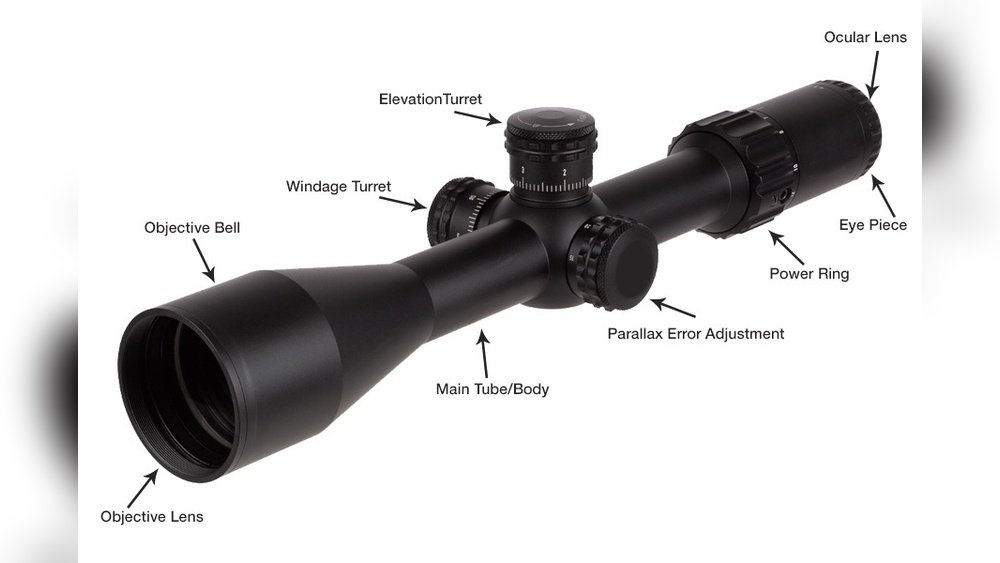
AO stands for Adjustable Objective. This is a feature on some rifle scopes that lets you adjust the front lens (the “objective”) to focus at different distances. The main purpose is to remove something called parallax error and to help you get a clearer, sharper image of your target at various ranges.
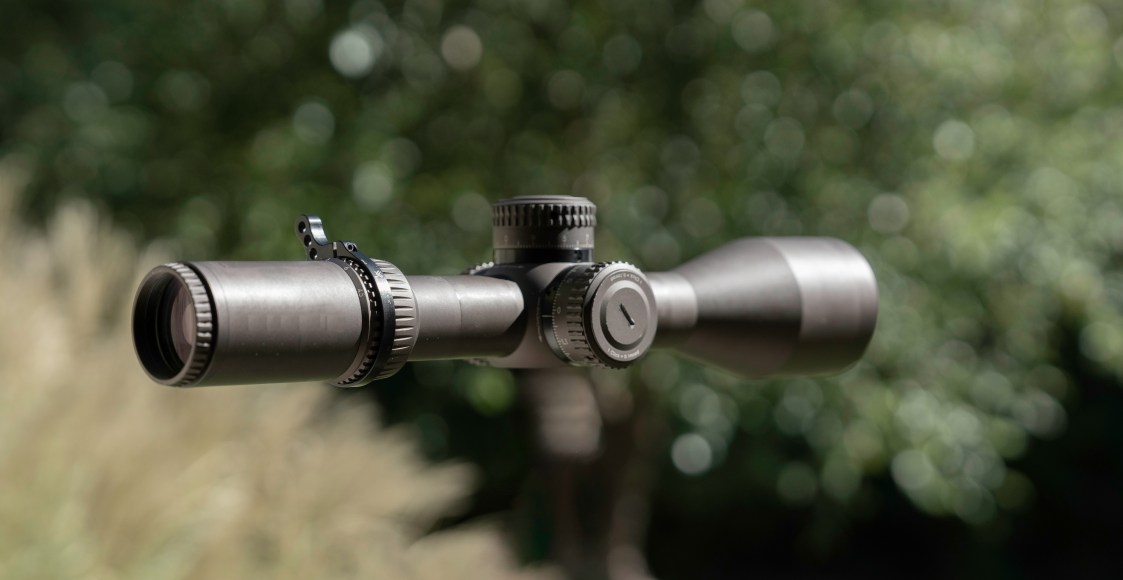
On most AO scopes, you’ll find a ring or dial near the front of the scope. Turning this ring changes the focus for different distances, usually marked in yards or meters. Some scopes use a side wheel, but if the product is called “AO,” the adjustment is typically at the front.
What Is Parallax And Why Does It Matter?
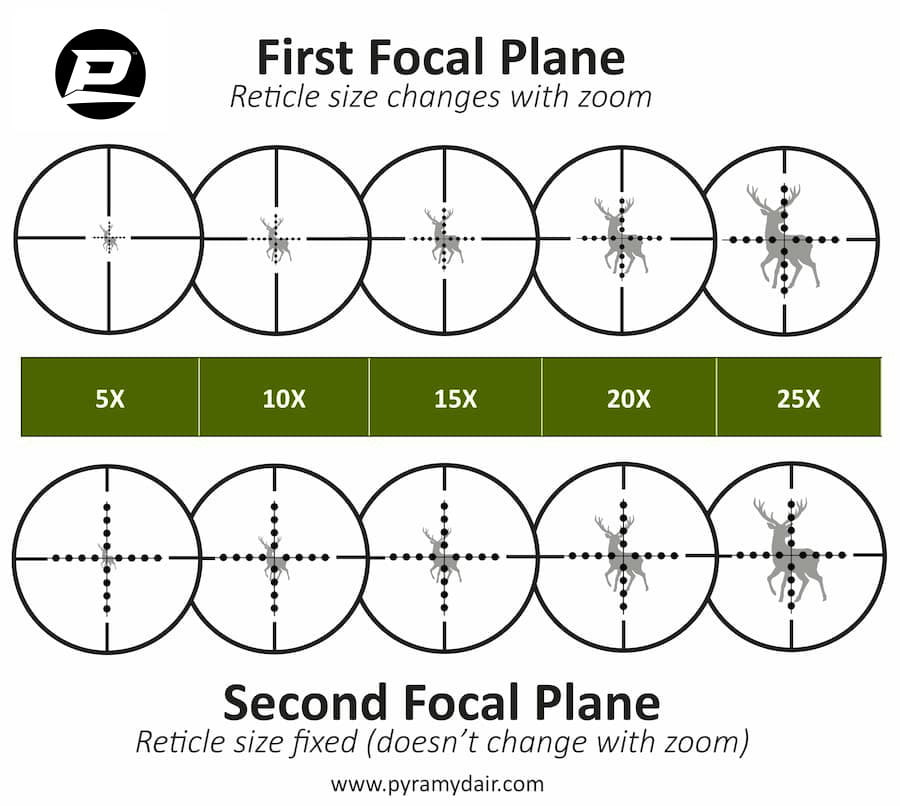
To understand why AO exists, you first need to know about parallax. Parallax is a small optical error that happens when the image of your target and your scope’s reticle (crosshairs) are not on the same optical plane. When you move your head, the crosshairs appear to shift against the target. This can cause you to miss, even if your aim looked perfect.
For example, if you’re shooting a small target at 20 yards and your scope is set for 100 yards, parallax error can make your shot land off-center. AO scopes let you eliminate this error by focusing the scope exactly for the distance you’re shooting.
How Does Adjustable Objective Work?
The adjustable objective feature is simple in design but powerful in effect. Here’s how it works:
- You look through your scope at the target.
- If the image or crosshairs look blurry, or they move when you shift your head, you use the AO ring.
- Turn the ring until both the target and the reticle are sharp, and the crosshairs stay still when you move your eye.
- The numbers on the ring usually match the distance in yards or meters, but it’s best to adjust by sight, not just by the numbers.
This process is called parallax correction or parallax adjustment.
Ao Vs Non-ao Scopes
Many scopes do not have AO. These are called fixed parallax scopes. Let’s look at how AO compares to non-AO scopes.
| Feature | AO Scope | Non-AO Scope |
|---|---|---|
| Parallax adjustment | Yes, adjustable for various distances | No, fixed at one distance (e.g., 100 yards) |
| Focus control | Sharp image at many ranges | Sharpest only at preset distance |
| Cost | Usually higher | Usually lower |
| Best for | Airguns, rimfire, target shooting | Big game hunting, fast shooting |
As you can see, AO scopes offer more flexibility for different shooting distances, but they are a bit more complex and often cost more.
When Do You Need An Ao Scope?
Not everyone needs an AO scope. Here are the times when AO is most useful:
- Shooting at close ranges (under 50 yards): Standard scopes are focused at 100 yards, so for close targets, parallax is a big problem.
- Airguns and rimfire rifles: These are often used for small game or target shooting at 10–50 yards.
- Benchrest and target shooting: Precision matters, and AO helps remove small errors.
- Shooting with high magnification: Parallax errors increase with more magnification.
- Tiny targets: Hitting small objects like pests or competition targets requires the sharpest possible focus.
However, for big game hunting or fast-action situations at typical distances (100 yards or more), a non-AO scope is often simpler and faster to use.
Advantages Of Ao Scopes
Adjustable objective scopes give shooters several clear benefits:
- Sharper image at any distance: You can always get the clearest view, no matter if your target is 10 yards or 200 yards away.
- Reduces parallax error: This means more accurate shots, especially at close range or with high power.
- Better for airguns: Airguns have unique needs. AO scopes handle their lower speeds and different ranges.
- Custom focus for your eyes: If you wear glasses or your eyes are not perfect, AO helps you see better.
- Great for target shooting: Every shot counts, and AO gives you more control.
How To Use Ao On Your Scope
Using AO is easy, but there are a few steps to follow for best results:
- Set your rifle steady: Use a rest or sandbag so the gun doesn’t move.
- Look through the scope: Focus on your target.
- Turn the AO ring: Slowly adjust until the target and crosshairs are both sharp.
- Check for parallax: Move your head side to side. The crosshairs should stay still on the target.
- Fine-tune if needed: Repeat if things still look blurry.
Some shooters make a mistake: they only set the distance number on the ring and do not check the image. It’s better to adjust until the image is sharp, then check the numbers.
Common Mistakes With Ao Scopes
Even experienced shooters sometimes make errors with AO scopes. Here are two that many beginners miss:
- Relying only on distance numbers: The numbers on the AO ring are not always perfect. They can be off by a few yards. Always check the focus by eye.
- Ignoring parallax at low power: Some people think parallax only matters at high magnification. But even at 3x or 4x, it can affect your shot, especially at close range.
Another common mistake is adjusting the AO in a hurry during a hunt. It’s better to set it before you start shooting, based on your expected distance.
Ao Vs Side Focus Scopes
You might see scopes with a side focus instead of an AO ring at the front. Both do the same job—adjust parallax—but the control is in a different place.
| Feature | AO Scope | Side Focus Scope |
|---|---|---|
| Adjustment location | Front of the scope | Left side, near turrets |
| Ease of use | Can be harder to turn, especially with big sunshades | Easier to adjust quickly |
| Cost | Slightly lower | Usually higher |
Side focus is popular on high-end scopes, especially for tactical and field target shooting. AO is more common on affordable airgun and rimfire scopes.
Which Scopes Have Ao?
You’ll find AO mostly on:
- Air rifle scopes: Many are adjustable from 7–10 yards up to infinity.
- Rimfire scopes: Designed for .22 LR, these often focus from 25 yards.
- Some centerfire scopes: Especially for varmint or benchrest shooting.
Most big game or tactical scopes do not have AO. The feature is most useful for precision at changing distances.

Ao Scope Example Models
To make things clearer, here are some examples of popular AO scopes:
| Model | Magnification | Parallax Range | Price (approx.) |
|---|---|---|---|
| Hawke Vantage 4-12×40 AO | 4-12x | 10 yds to infinity | $150 |
| UTG 3-9×32 AO BugBuster | 3-9x | 3 yds to infinity | $110 |
| Leapers 4-16×50 AO | 4-16x | 10 yds to infinity | $130 |
These models are popular among airgun and rimfire shooters because they give sharp focus even at close ranges.
Ao For Airguns: Why It’s A Must
Airguns are different from regular rifles. They are often used at short distances—sometimes only 10 or 20 yards. At these ranges, a normal scope’s parallax setting (usually 100 yards) causes big errors. That’s why almost every good airgun scope has AO or side focus.
Without it, you might miss even at close range.
Also, airguns have a unique recoil called “double-recoil. ” AO scopes designed for airguns are stronger inside, so they last longer with airgun use.
How To Choose An Ao Scope
If you think an AO scope is right for you, here’s what matters most when choosing:
- Minimum parallax distance: For airguns, look for scopes that adjust down to 10 yards or less.
- Magnification range: More power means more parallax. If you shoot at high power, AO is more important.
- Build quality: Airgun-rated scopes are stronger inside.
- Ease of adjustment: Some AO rings are tight or hard to turn. Try before you buy if possible.
- Weight and size: AO scopes are a bit heavier and longer.
Always balance these features with your budget and shooting style.
Maintenance Tips For Ao Scopes
To keep your AO scope working well, remember:
- Clean the AO ring: Dust can make it stiff. Wipe it gently with a soft cloth.
- Don’t force it: If the ring is tight, don’t use too much strength. This can damage the seals.
- Check for fogging: Good scopes are fog-proof, but if you see moisture, dry the scope and check the seals.
- Store in a dry place: Humidity can hurt the mechanics over time.
AO scopes are sturdy, but they do need a bit more care than simple fixed scopes.
Non-obvious Insights About Ao Scopes
Some things about AO scopes are not clear until you use them for a while:
- AO helps with tricky lighting: When the light is low or the sun is behind the target, focusing with AO can make details pop out that you would miss with a fixed scope.
- AO can help with aging eyes: If your vision isn’t as sharp as it used to be, the fine focus of AO gives you an edge—something many older shooters appreciate.
Many shooters only discover these advantages after years of use.
Alternatives To Ao
If you don’t want an AO scope, what are your choices?
- Side focus scopes: More expensive, but easier to use without reaching to the front.
- Fixed parallax scopes: Simple and tough, best for hunting or fast shooting.
- Red dot sights: No parallax at short ranges, but not as good for precise long shots.
Each has its place. AO is best for close, precise, or target shooting.
Final Thoughts
AO scopes are a smart choice if you want accuracy at different distances, especially for airguns, rimfire, or target work. They let you focus sharply, remove parallax error, and shoot with more confidence. While they are not needed for every shooter, knowing how AO works and when to use it can help you pick the right scope for your needs.
If you want to go deeper into the science of optics and parallax, check out this excellent resource on Wikipedia.
Frequently Asked Questions
What Does Ao Mean On A Scope?
AO stands for Adjustable Objective. It is a feature that lets you adjust the focus of your scope’s front lens to match the distance to your target, removing parallax error and giving a sharper image.
How Do I Use The Ao Feature On My Scope?
Look through your scope at your target, then slowly turn the AO ring until both the target and crosshairs are clear and sharp. Move your head slightly to check if the crosshairs move. If they stay in place, your parallax is corrected.
Do I Need An Ao Scope For Hunting?
For most big game hunting at normal distances (over 100 yards), AO is not necessary. Fixed parallax scopes are simpler and faster. But for small game, airguns, or close-range shots, AO can help accuracy.
What Is The Difference Between Ao And Side Focus Scopes?
Both AO and side focus let you adjust for parallax. AO uses a ring on the front of the scope, while side focus uses a knob on the left side, near the turrets. Side focus is easier to adjust quickly, but usually costs more.
Can I Add Ao To A Non-ao Scope?
No, AO is built into the scope at the factory. You cannot add it to a scope that does not already have this feature. If you need AO, you must buy a scope that includes it.
Understanding what AO means on a scope can make your shooting more accurate, more enjoyable, and less frustrating—especially when every shot counts.

Leave a Reply