
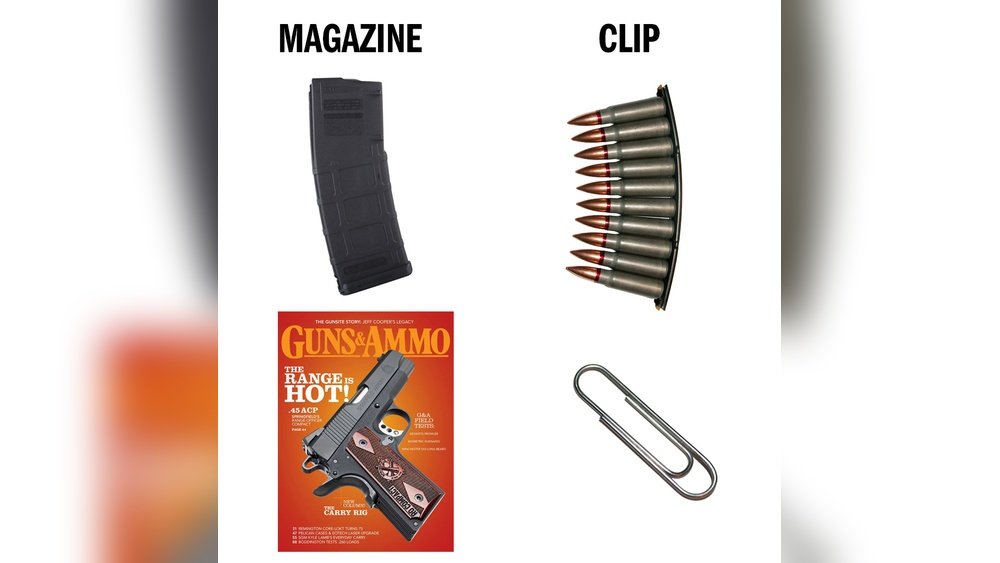
Many people have heard about gun magazines, but few really understand what they are or why they matter. If you are new to firearms, words like “clip” and “magazine” may sound similar, but they are not the same. Gun magazines are a core part of how modern firearms work, yet they often go unnoticed unless they malfunction.
In this article, you’ll discover what gun magazines are, how they function, and why they play such a key role in shooting. You’ll also learn about different types, designs, legal issues, and how to care for them. Whether you are curious, considering buying a gun, or simply want to understand more, this guide will give you clear, practical answers.
The Basics: What Is A Gun Magazine?
A gun magazine is a device that stores ammunition and feeds it into the firearm’s chamber. Most modern guns use magazines because they make loading and firing faster and safer. Instead of loading one bullet at a time, you can fill the magazine, insert it into the gun, and fire multiple rounds before reloading.
Magazines are not bullets, and they are not “clips” (a common mistake). A clip holds bullets together to make loading a magazine easier, but it does not feed bullets directly into the gun. The magazine does this job.
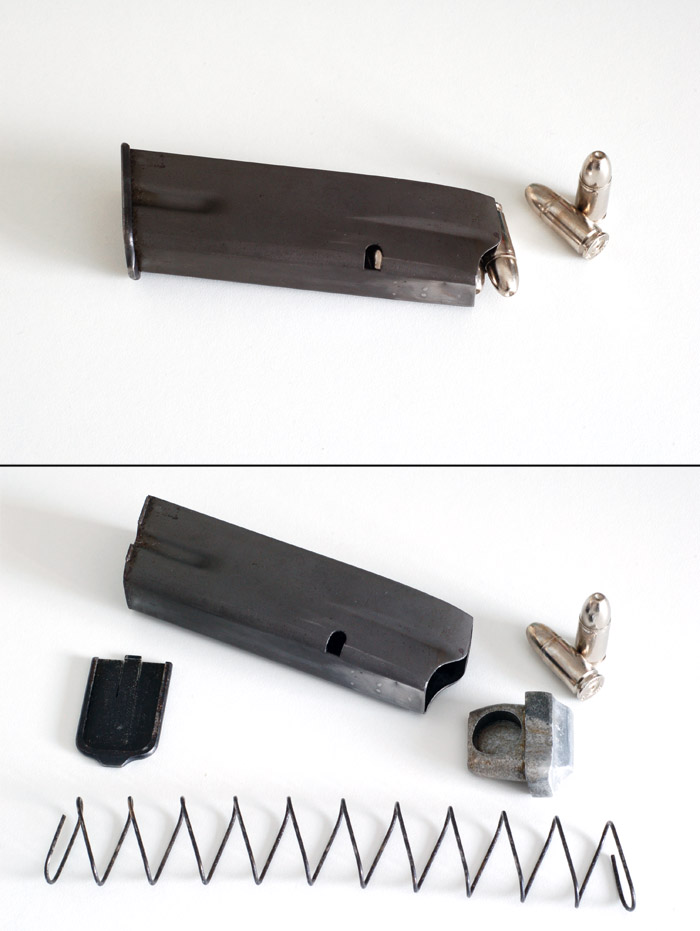
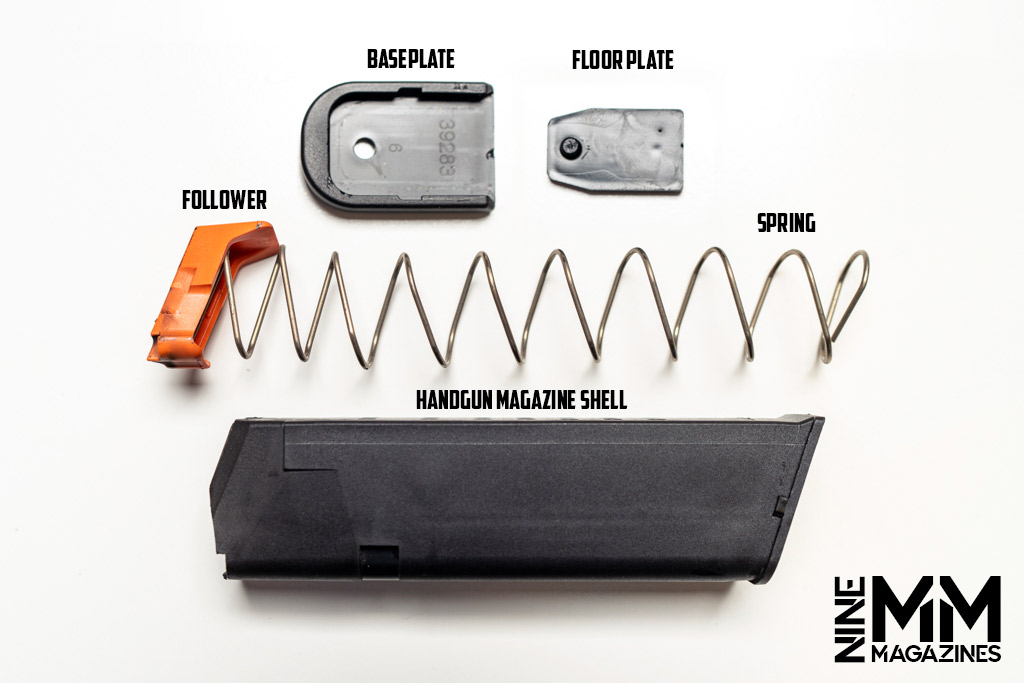
Inside a magazine, you will find a spring and a follower. The spring pushes the bullets up toward the chamber as each round is fired. This process is automatic in semi-automatic and automatic guns, and manual in some bolt-action rifles.
Main Types Of Gun Magazines
There are several types of gun magazines. Each has its own design, advantages, and common uses. Let’s look at the main types:
1. Box Magazine
The box magazine is the most common type. It is usually rectangular and fits into the grip of pistols or the bottom of rifles. Most modern pistols and many rifles use detachable box magazines.
2. Tube Magazine
A tube magazine is a long, cylindrical tube, often found under the barrel of shotguns and some rifles. It holds rounds end-to-end. Lever-action and pump-action guns often use tube magazines.
3. Drum Magazine
A drum magazine is shaped like a drum and holds a large number of rounds, sometimes 50 or more. They are heavy and bulky, but they allow for much higher capacity, which is why they are sometimes used in military or competition settings.
4. Rotary Magazine
A rotary magazine holds rounds in a circular arrangement. The rounds rotate into position as you fire. This type is less common but used in some hunting rifles and .22 caliber guns.
5. Helical Magazine
The helical magazine is similar to a drum but uses a spiral track to hold even more rounds. These are rare and usually found in specialized firearms.
6. Fixed Vs. Detachable Magazines
- Fixed magazines are built into the gun. You load them through the action or a gate, and they cannot be removed quickly.
- Detachable magazines can be removed and replaced quickly for faster reloading. Most modern rifles and pistols use detachable magazines.

How A Gun Magazine Works
Understanding the basic mechanics helps you use and care for magazines correctly.
- Loading: You press cartridges (bullets) down into the magazine. The spring compresses.
- Insertion: You insert the loaded magazine into the gun.
- Chambering: When you pull the trigger or cycle the action, the top round is pushed from the magazine into the gun’s chamber.
- Firing: Each time you fire, the empty case is ejected, and the next round is pushed up, ready to fire again.
- Repeat: This continues until the magazine is empty.
A good magazine feeds rounds smoothly every time. If the spring is weak or the magazine is dirty, you may get jams or misfeeds.
Key Features Of Gun Magazines
Here are the most important features to look for in a gun magazine:
- Capacity: How many rounds it holds (common sizes: 5, 10, 15, 30).
- Material: Steel, aluminum, or polymer (plastic). Steel is strong, polymer is lighter and rust-resistant.
- Design: Single-stack (bullets in one line) or double-stack (bullets in two lines, for higher capacity).
- Reliability: A reliable magazine feeds rounds without failure.
- Ease of Maintenance: Some magazines can be taken apart for cleaning.
Let’s compare some common magazine materials:
| Material | Weight | Durability | Corrosion Resistance |
|---|---|---|---|
| Steel | Heavy | Very strong | Low (can rust) |
| Aluminum | Medium | Good | Medium |
| Polymer | Light | Good | High |
Single-stack Vs. Double-stack
- Single-stack magazines are slimmer, often used in concealed-carry pistols.
- Double-stack magazines hold more rounds, but are wider.
Magazine Capacity: Why It Matters
Magazine capacity affects how many shots you can fire before reloading. This matters for:
- Self-defense: Higher capacity means more shots in emergencies.
- Sport shooting: Fewer reloads can mean better scores.
- Hunting: Many places limit magazine capacity for hunting to protect animal populations.
- Laws: Some countries and states limit how many rounds a magazine can hold (often 10 or 15).
Here’s a quick look at how magazine capacity compares in common guns:
| Firearm Type | Standard Magazine Capacity |
|---|---|
| 9mm Pistol | 10–17 rounds |
| AR-15 Rifle | 10–30 rounds |
| Hunting Rifle | 3–5 rounds |
| Shotgun (Tube) | 4–8 rounds |
Common Magazine Problems And Solutions
Many gun issues are actually magazine problems. Here are the most common ones:
- Failure to Feed: The next round does not enter the chamber. Usually caused by a weak spring or dirt.
- Double Feed: Two rounds try to enter at once. Often a damaged magazine or bad follower.
- Failure to Lock: Magazine does not stay in place. Could be wrong type or worn catch.
- Jamming: Magazine is dirty, bent, or spring is weak.
Solutions:
- Clean magazines regularly.
- Replace weak springs.
- Use the right magazine for your gun model.
- Check for dents, cracks, or rust.
Two non-obvious tips: Always number your magazines with a marker, so if one has issues, you can identify it. Also, avoid leaving magazines fully loaded for very long periods if you don’t use them regularly. This can weaken the spring over time.
How To Load And Unload A Magazine
Loading and unloading a magazine is simple, but doing it correctly reduces wear and prevents jams.
Loading
- Hold the magazine in your non-dominant hand.
- With your thumb, press the round down against the follower and slide it under the magazine lips.
- Repeat until full. Do not force rounds; if it’s too hard, check for overloading.
Unloading
- Hold the magazine firmly.
- With your thumb, push each round forward and out, one by one.
- Store magazines unloaded if not in use for a long time.
For very stiff new magazines, use a magazine loader tool. It makes loading easier and protects your thumbs.
Magazine Maintenance And Care
Proper maintenance keeps magazines reliable for years.
- Wipe magazines after use, especially if exposed to dirt or rain.
- Disassemble detachable magazines every few months for deep cleaning.
- Use a dry cloth and a small brush to clean inside.
- Avoid oiling the inside; oil attracts dirt.
- Check for rust, cracks, or bent feed lips.
If you shoot regularly, rotate which magazines you use. This prevents spring fatigue and spreads out wear.
Legal Issues And Magazine Laws
Magazine laws vary widely. In some places, you can own high-capacity magazines. In others, limits are strict.
- United States: Some states (like California, New York) limit magazines to 10 rounds. Others have no limit.
- Europe: Many countries restrict magazines for civilian use to 10 or 20 rounds.
- Asia: Most countries ban civilian gun ownership, so magazines are restricted too.
Always check your local laws before buying or carrying magazines. Ignorance is not a defense. For the latest legal changes, visit trusted sources like Wikipedia.
Magazine Myths And Misunderstandings
There is confusion about magazines. Here are a few common myths:
- “Clips and magazines are the same.” Not true. Clips help load magazines; magazines feed the gun.
- “Leaving magazines loaded ruins them.” Not always. Modern springs are strong, but long-term, unloading can help.
- “More capacity always means better.” Larger magazines are heavier, harder to conceal, and not always legal.
Choosing The Right Magazine
When buying a magazine, consider:
- Compatibility: Only buy magazines made for your gun model. Generic or “universal” magazines often cause problems.
- Brand Reputation: Stick to brands with good reviews and a history of reliability.
- Capacity Needs: Do you need a slim, low-capacity magazine for concealed carry? Or a larger one for the range?
- Material and Weight: Polymer is light and resists rust, but some prefer the feel of steel.
Here’s a quick comparison of magazine designs:
| Type | Capacity | Best For | Drawbacks |
|---|---|---|---|
| Box | 5–30 | Pistols, rifles | Limited capacity |
| Drum | 50–100 | High-volume shooting | Bulky, heavy |
| Tube | 4–8 | Shotguns, lever rifles | Slow to reload |
| Rotary | 5–10 | Small hunting rifles | Complex design |
Non-obvious Insights For Beginners
Many new gun owners forget that magazines are often the weak link in firearm reliability. A gun can be perfect, but a bad magazine will cause jams and frustration. Investing in a few quality magazines is as important as the gun itself.
Another detail: Always test new magazines before trusting them for self-defense. Not all magazines, even from reputable brands, work perfectly in every gun. Take them to the range, load them fully, and fire several rounds to make sure they feed smoothly.
Frequently Asked Questions
What Is The Difference Between A Magazine And A Clip?
A magazine stores and feeds ammunition into the gun. A clip only holds bullets together for faster loading into a magazine. Most modern guns use magazines, not clips.
Can I Use Any Magazine With My Gun?
No. You must use magazines designed for your specific gun model and caliber. Using the wrong one can cause jams or damage your firearm.
How Often Should I Clean My Magazines?
Clean magazines after every shooting session, or at least every few months if you do not shoot often. Dirt, sand, or rust can cause malfunctions.
Is It Safe To Leave Magazines Loaded For A Long Time?
Modern magazine springs are designed to stay compressed. Leaving magazines loaded for months is usually safe, but rotating them or unloading occasionally can extend their life.
Are High-capacity Magazines Legal Everywhere?
No. Laws vary by country and region. Some places ban magazines over a certain size, usually 10 or 15 rounds. Always check your local laws before buying or carrying high-capacity magazines.
Gun magazines may seem simple, but they are essential to reliable firearm use. Understanding their types, features, and care will help you make smart choices, stay within the law, and avoid common mistakes. Whether for sport, self-defense, or curiosity, a well-chosen and well-maintained magazine is just as important as the gun itself.

Leave a Reply