
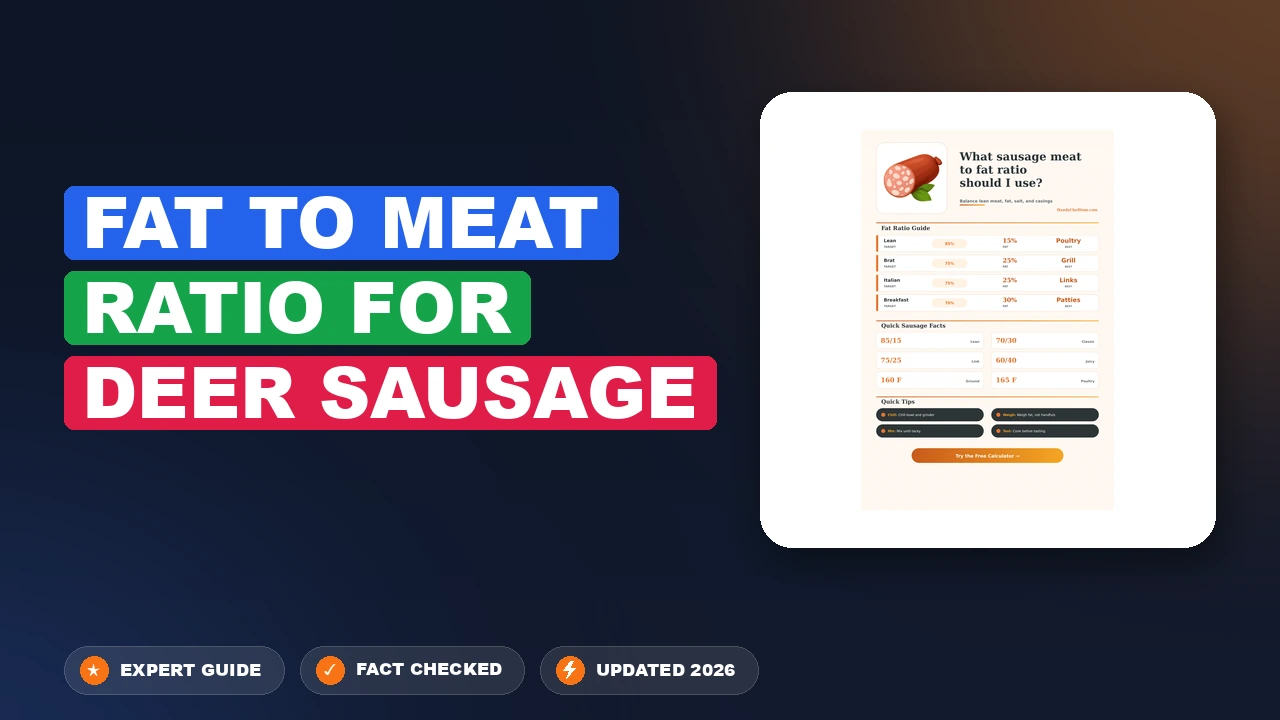
Crafting the perfect deer sausage is a culinary art, and at its heart lies one critical element: the fat to meat ratio. Venison, while delicious, is notoriously lean, making traditional sausage dry and unappetizing without the right blend of added fat. Getting this ratio wrong is a common pitfall for even experienced makers, leading to frustratingly inconsistent results. This comprehensive guide will equip you with the expert knowledge and practical steps to master the fat to meat ratio for deer sausage, ensuring every batch you make is flavorful, juicy, and perfectly textured.
Why the Optimal Fat to Meat Ratio for Deer Sausage is Crucial for Unrivaled Quality
📤 Share Image
The pursuit of quality deer sausage hinges profoundly on one foundational principle: the precise management of the fat to meat ratio. Venison, while offering a rich, distinct flavor, presents unique challenges for sausage makers due to its inherent biological composition. Understanding these characteristics is the first step toward crafting a truly exceptional product that stands out in termsi of flavor, texture, and reliability.
Understanding Venison’s Natural Leanness for Superior Sausage
Unlike commercially raised livestock, deer (venison) are active animals with a diet primarily consisting of foraged plants. This lifestyle results in meat that is remarkably lean. Research consistently indicates that lean venison meat typically contains less than 5% fat, often closer to 1-3% depending on the cut, age, and diet of the animal. This stark contrast to ground beef, which commonly ranges from 15-30% fat (e.g., 80/20 or 70/30), underscores the necessity of added fat when preparing venison for sausage. Without supplementation, the resulting sausage would be unpleasantly dry and crumbly, lacking the desirable mouthfeel associated with well-made links.
The Indispensable Role of Added Fat in Crafting Quality Deer Sausage
The addition of fat to lean venison is not merely about increasing caloric content; it’s a multi-faceted strategy to transform the raw ingredients into a culinary masterpiece. Added fat is essential for creating palatable deer sausage, serving several critical functions:
- Moisture Retention: Fat acts as a lubricant, holding moisture within the meat matrix, which is particularly vital during the cooking process. This prevents the sausage from drying out, ensuring a juicy bite.
- Enhanced Texture: The presence of fat contributes significantly to the sausage texture, providing a smoother, more succulent mouthfeel. It binds the lean meat particles together, preventing crumbliness and creating a cohesive link or patty.
- Flavor Enhancement: Fat carries and amplifies flavor. Many aromatic compounds are fat-soluble, meaning the right amount of fat will distribute and intensify the savory, often complex, notes of your venison and spices, leading to superior sausage flavor.
- Improved Bind: During the grinding and mixing process, fat helps to create an emulsion with the lean meat proteins, resulting in a stable and firm bind that is crucial for the integrity of the sausage.
How the Right Fat Blend Transforms Deer Sausage Texture and Flavor
The consequences of neglecting the fat to meat ratio are immediately evident in the final product. Insufficient fat will result in a dry, crumbly, and often unpleasantly ‘gamey’-tasting sausage. The lack of moisture and bind means the sausage falls apart easily and feels tough in the mouth. Conversely, a correctly balanced ratio yields a reliable, juicy, and tender sausage with a well-rounded flavor profile. This balance is what distinguishes amateur attempts from professional, high-quality deer sausage. It ensures that the unique character of the venison is highlighted, not overshadowed by dryness or an overwhelming gamey note.
By The Numbers
Natural Fat in Venison
Recommended Added Fat
Common Optimal Ratio
Deer Fat Melting Point (Waxy)
Selecting the Right Fat Type for Your Professional Venison Sausage Blend
The choice of type of added fat is as critical as the quantity when perfecting your deer sausage. Not all fats are created equal, and their unique characteristics profoundly influence the final product’s flavor, texture, and culinary performance. As a seasoned expert, I’ve seen firsthand how the right fat elevates a good sausage to a truly great one.
Pork Fat: The Gold Standard for Premium Deer Sausage Ratios
For decades, pork fat has been the unequivocal champion for augmenting venison in sausage making, and for excellent reasons. Its advantages are manifold:
- Superior Flavor Profile: Pork fat possesses a neutral, slightly sweet flavor that complements venison without overpowering it. It enhances the overall richness and savory notes of the sausage.
- Ideal Texture and Melting Point: Pork fat has a relatively low melting point, meaning it renders beautifully during cooking, keeping the sausage juicy and tender. It also contributes to a smooth, non-waxy texture that is highly desirable. Fatback (the firm, dense fat from a pig’s back) and pork butt (which includes both meat and fat) are commonly recommended sources due to their excellent consistency and fat content.
- Availability and Cost-Effectiveness: Pork fat is readily available from butchers or grocery stores, often at a reasonable price, making it a practical choice for home and professional sausage makers alike.
Pork Fat Benefits
Offers excellent flavor, ideal melting point, and contributes to a smooth, tender sausage texture. Widely available and cost-effective.
Beef Suet Advantages
A good alternative, particularly for those avoiding pork. Offers a higher melting point, suitable for specific applications like summer sausage. Adds richness.
Beef Suet: An Acceptable Alternative Fat Source for Venison
While pork fat remains the gold standard, beef suet (hard, crumbly fat from around the kidneys of cattle) or other forms of beef fat can serve as an acceptable alternative, especially for those who prefer to avoid pork for dietary or religious reasons. Beef fat has a higher melting point than pork fat, which can be an advantage in certain types of sausage, such as those intended for smoking or prolonged cooking, as it renders more slowly. However, its flavor is distinctly beefy and can sometimes compete with the venison, and it can occasionally impart a slightly firmer, waxy texture if not properly rendered or if too much is used. It’s crucial to use only fresh, high-quality beef fat to avoid off-flavors.
Why You Must Avoid Deer Fat in Your Sausage Blends
This is a common pitfall that I counsel all my clients to rigorously avoid. While it might seem intuitive to use deer fat from the animal itself, it is generally considered unsuitable for sausage making due to several significant drawbacks:
- Waxy Texture: Deer fat has a very high melting point, significantly higher than pork or beef fat. When cooked, it tends to remain solid and waxy, resulting in an unpleasant, tallow-like mouthfeel rather than a juicy, tender one.
- Undesirable Flavor: Deer fat can often impart a strong, sometimes overpowering, gamey or “tallowy” flavor to the sausage, which many find unpalatable. This flavor intensifies as the fat cools, potentially ruining the entire batch.
Using deer fat directly from the animal will almost certainly lead to a waxy, unappetizing texture and a strong, undesirable gamey flavor in your sausage. Always opt for pork fat or high-quality beef suet instead for a superior product.
Mastering the Ideal Fat to Meat Ratio for Deer Sausage: A Trusted Guide
Achieving the perfect fat to meat ratio for deer sausage is not an arbitrary choice; it’s a science backed by experience and desired culinary outcomes. This section provides a trusted guide to the most effective ratios, empowering you to create consistently excellent sausage, whether for grilling, frying, or smoking.
Recommended Fat to Meat Ratios for Optimal Venison Sausage Quality
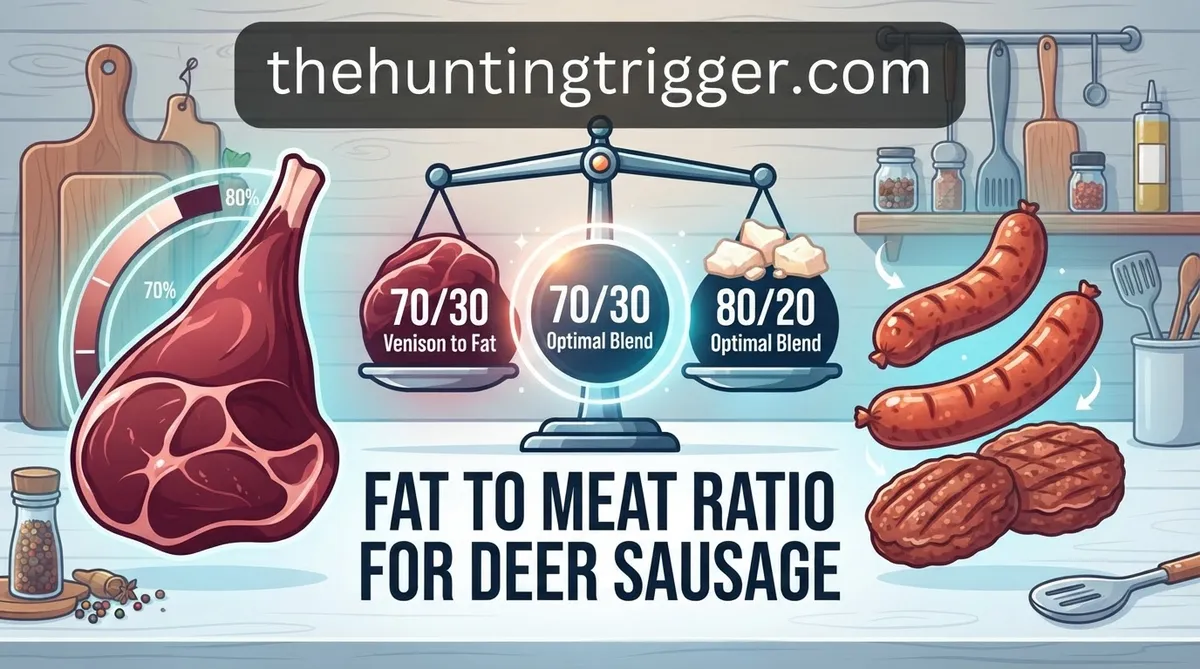
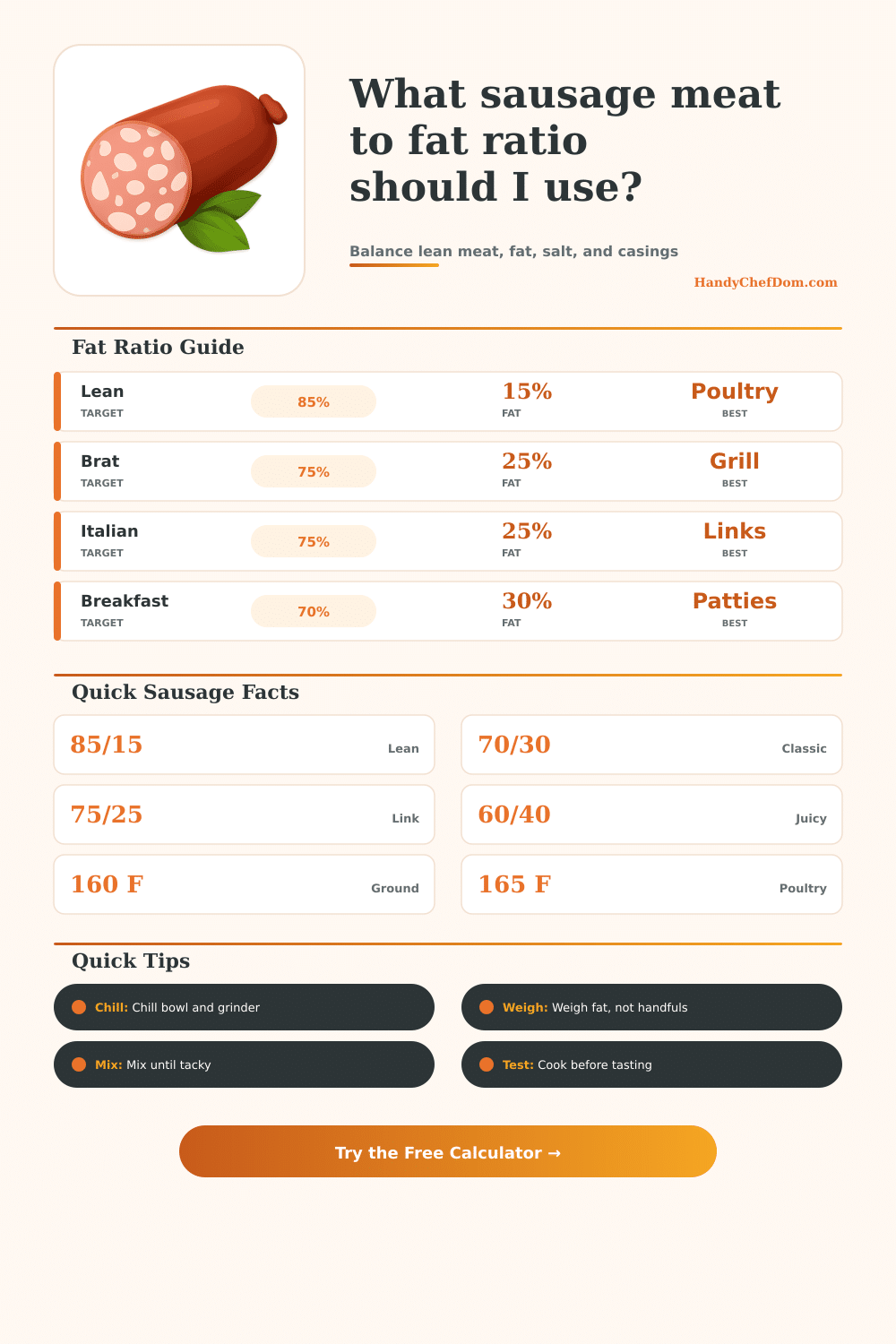
Based on extensive industry experience and consumer preferences, common fat to meat ratios for deer sausage range from approximately 70% lean meat / 30% added fat to 80% lean meat / 20% added fat. These percentages strike the ideal balance between juiciness, flavor, and texture without making the sausage excessively greasy.
- 70% Venison / 30% Pork Fat: This ratio yields a richer, juicier sausage, often preferred for fresh sausages, breakfast links, or applications where a very succulent product is desired. It’s particularly forgiving if your venison is exceptionally lean.
- 75% Venison / 25% Pork Fat: A highly versatile and popular ratio that offers an excellent balance. It provides ample moisture and flavor while still allowing the distinct venison character to shine through. This is a great starting point for many general-purpose sausages.
- 80% Venison / 20% Pork Fat: For those who prefer a firmer, leaner sausage that still retains good moisture and flavor, this ratio is ideal. It highlights the venison more prominently and is often suitable for specific recipes or health-conscious consumers.
Understanding the Impact of Fat Percentage on Sausage Texture and Juiciness
Varying the fat percentage directly impacts the impact on juiciness, impact on bind/texture, and overall mouthfeel of your finished product. A higher fat content (e.g., 30%) results in a more tender, succulent, and often softer textured sausage. This is because the increased fat renders more during cooking, creating a richer, more moist environment. Conversely, a lower fat content (e.g., 20%) will produce a firmer, chewier, and distinctly meatier sausage. While still juicy when properly made, it will have less of the melt-in-your-mouth quality of a higher-fat blend. Crucially, too much fat can make the sausage greasy or give it a soft, undesirable texture, particularly as it cools. The fat renders out excessively, leaving a dry, crumbly protein network surrounded by a greasy residue.
If you’re new to making deer sausage, a 75% venison / 25% pork fat ratio is an excellent starting point. It’s a balanced blend that consistently delivers reliable results and allows you to adjust up or down for future batches based on your personal preference.
Adjusting Your Fat Ratio for Exceptional Smoked Deer Sausage
When preparing smoked deer sausage, such as summer sausage or snack sticks, a slightly higher fat content can sometimes be beneficial. The extended cooking time and lower temperatures involved in smoking can lead to more fat rendering, but it also allows the fat to slowly melt and permeate the meat, enhancing flavor and moisture over time. For these applications, a ratio closer to 70% venison / 30% fat is often preferred. This ensures that the sausage remains succulent through the smoking process and maintains its moisture even after cooling. The fat also plays a significant role in the bind and overall structure required for successful smoking and curing.
Calculating and Blending Your Deer Sausage Fat Ratio for Consistent Results
Precision is paramount in sausage making. An accurately calculated and properly blended deer sausage fat ratio is the cornerstone of a consistent and high-quality product. This section provides a practical, step-by-step approach to ensure your measurements are correct and your mixing techniques are optimal, leading to exceptional sausage every time.
📋
A Step-by-Step Guide to Accurate Fat Ratio Calculation
Start by accurately weighing your lean venison. This is your foundation for all subsequent calculations. For example, let’s say you have 7 pounds of trimmed venison.
Select your preferred fat ratio. For a balanced sausage, a 75% venison / 25% added fat ratio is a great choice. This means your total sausage weight will be made up of 75% venison and 25% added fat.
If your 7 lbs of venison represents 75% of the total, then the total batch weight (W) is calculated as: Venison Weight / Venison Percentage = W. So, 7 lbs / 0.75 = 9.33 lbs (total sausage weight).
Subtract the venison weight from the total sausage weight: Total Sausage Weight – Venison Weight = Fat Weight. So, 9.33 lbs – 7 lbs = 2.33 lbs of added pork fat. This simple formula ensures your sausage making process is precise.
Expert Tips for Grinding and Mixing Your Professional Sausage Blend
The grinding and mixing phases are just as crucial as the ratio itself for developing the proper sausage texture and bind (emulsification). Here are expert insights to guide you:
- Keep it Cold: This is arguably the most important rule. Both the meat and fat should be extremely cold, almost partially frozen (around 30-32°F / -1 to 0°C), before and during grinding. Cold ingredients prevent the fat from smearing and separating, which can lead to a greasy product. Chill your grinder components (plates, blade, auger) in the freezer as well.
- Grind Twice (Often):
- First Grind: Pass both the venison and the fat through a coarse grinding plate (e.g., 3/8-inch or 10mm). This initial grind helps to combine the ingredients evenly.
- Second Grind: After the first grind, mix the meat and fat thoroughly. Then, pass the mixture through a finer plate (e.g., 3/16-inch or 4.5mm). This creates a more uniform texture and further enhances the emulsion.
- Thorough Mixing for Bind: After the final grind, the meat and fat mixture must be mixed rigorously. This is where the protein extraction happens, creating the crucial bind that holds the sausage together. Mix until the mixture becomes sticky and tacky, typically 3-5 minutes by hand or with a stand mixer (using a paddle attachment on low speed). You should see fine strands developing between your fingers when you pull the mixture apart.
- Seasoning Integration: Add your seasonings and cure (if using) during the mixing phase, ensuring they are evenly distributed throughout the blend.
Preventing Inconsistent Texture: Avoiding Common Pitfalls
Even with the correct ratio, poor technique can undermine your efforts. Here’s how to avoid common blending mistakes that lead to an inconsistent sausage texture:
- Inconsistent Mixing: Not mixing long enough or thoroughly enough will result in pockets of lean meat and pockets of fat, leading to a crumbly, uneven texture.
- Over-grinding/Over-mixing: While adequate mixing is vital, excessive grinding or mixing can “smear” the fat, turning it into a paste. This breaks the emulsion and can lead to fat rendering out excessively during cooking, resulting in a greasy, crumbly product. Maintain cold temperatures to mitigate this risk.
- Warm Ingredients: Grinding warm meat and fat will cause the fat to melt prematurely, making it difficult to achieve a proper bind and leading to an oily, unappealing sausage texture.
Troubleshooting Your Fat to Meat Ratio for Deer Sausage: Reliable Solutions
Even the most experienced sausage makers encounter issues. Understanding how to diagnose and rectify problems related to the fat to meat ratio for deer sausage is a hallmark of a truly skilled artisan. This section provides reliable solutions to common problems, empowering you to refine your technique and achieve consistently exceptional results.
When Your Sausage is Too Dry or Crumbly
This is the most frequent complaint with venison sausage and is a clear indicator of insufficient fat or improper mixing. Too little fat will result in dry, crumbly, and potentially ‘gamey’-tasting sausage.
- Symptoms: Sausage feels tough, dense, or dry after cooking. It crumbles easily when sliced or bitten into, lacks juiciness, and may have an overly strong “gamey” taste due to the concentrated lean venison flavor.
- Diagnosis: Your typical added fat percentage was likely too low (below 20%) for your preference, or your typical lean meat percentage was too high. It could also be a result of overcooking, which is exacerbated by low fat content.
- Solutions for Future Batches:
- Increase your fat ratio to 25-30% pork fat.
- Ensure thorough mixing until the meat mixture is very tacky and binds well before stuffing.
- Maintain very cold temperatures throughout the grinding and mixing processes to prevent fat smearing and ensure proper bind.
- Salvaging Current Batches (Limited): If already cooked, you can try serving the sausage with a sauce to add moisture. For uncooked sausage, it’s generally difficult to add fat back in evenly without regrinding and mixing, which might be impractical.
Dealing with Greasy or Oily Sausage
While less common than dryness, a greasy sausage indicates an excess of fat or, more frequently, a breakdown of the fat emulsion.
- Symptoms: Cooked sausage has an obvious oily sheen, renders out a lot of fat, feels soft or mushy, and may leave a greasy residue in the mouth. The sausage texture can be undesirably loose. Too much fat can make the sausage greasy or give it a soft, undesirable texture.
- Diagnosis: Your fat ratio might be too high (over 30-35%), or more likely, the fat emulsification failed during mixing. This typically happens if ingredients were too warm during grinding/mixing, or if the mixture was over-mixed, causing the fat to “smear.”
- Solutions for Future Batches:
- Reduce your fat percentage slightly (e.g., from 30% to 25%).
- Crucially, ensure all meat and equipment are kept as cold as possible to prevent fat smearing.
- Avoid over-mixing; stop once the mixture becomes tacky and shows good bind.
- If using beef fat, consider its higher melting point and adjust your cooking methods accordingly.
- Salvaging Current Batches: Unfortunately, it’s very difficult to rectify an overly greasy uncooked sausage. For cooked sausage, you can try to blot excess grease or incorporate it into dishes where the fat can be absorbed or balanced (e.g., in a stew or casserole).
Addressing Off-Flavors from Incorrect Fat Use
The type of added fat significantly impacts the final sausage flavor. Incorrect fat can introduce undesirable notes that detract from the venison’s natural appeal.
- Symptoms: A strong, waxy, or tallow-like taste; an intensified “gamey” flavor that is unpleasant; or a rancid taste.
- Diagnosis:
- Waxy/Tallowy Taste: Almost certainly due to the use of deer fat.
- Overly Gamey (unpleasant): Can be exacerbated by deer fat, or by too little added pork fat not balancing the strong venison flavor.
- Rancidity: Indicates old or improperly stored fat, or fat that oxidized prematurely due to exposure to air or heat. Rancidity can occur if fat is left at room temperature for too long or if stored incorrectly.
- Solutions for Future Batches:
- Absolutely avoid using deer fat. Stick to fresh pork fat (fatback or pork butt) or high-quality beef suet.
- Always use fresh, high-quality fat. Purchase from a reliable butcher or source known for their quality.
- Store fat properly: freeze immediately if not using within a day or two. When thawing, do so in the refrigerator.
- Ensure proper curing and smoking procedures if applicable, as these preserve sausage flavor and prevent spoilage.
- Salvaging Current Batches: Unfortunately, off-flavors from unsuitable or rancid fat are usually irreversible. It’s best to discard the batch to prevent potential health issues or simply a disappointing culinary experience.
Mastering these troubleshooting techniques will significantly enhance your ability to produce consistent, professional, and delicious deer sausage, turning potential setbacks into valuable learning experiences.
The fat to meat ratio is paramount for deer sausage quality, compensating for venison’s leanness and ensuring a palatable product. Pork fat is the preferred choice for its flavor and texture contributions, with beef suet as a viable alternative, while deer fat should always be avoided. Ratios of 70% venison / 30% added fat to 80% venison / 20% added fat are ideal, with adjustments possible for personal preference and specific cooking methods like smoking. Accurate calculation and proper blending techniques are crucial for consistent results, ensuring moisture, bind, and superior flavor in every batch.
Armed with this trusted guide and comprehensive information, you’re ready to create professional-quality deer sausage. Experiment with confidence, applying these expert insights to perfect your craft, and enjoy the delicious, reliable results of your perfectly balanced venison creations!
Fat to Meat Ratio for Deer Sausage: Frequently Asked Questions
What is the best fat to meat ratio for deer sausage?
The best ratio for deer sausage is typically 70% lean venison to 30% added fat, or 80% venison to 20% fat. This range provides excellent moisture, texture, and flavor balance. A 70/30 ratio is often preferred for a richer, more succulent sausage, while 80/20 yields a leaner product with a stronger game flavor, suitable for various cooking applications and personal preferences.
Why do you add fat to venison for sausage?
Fat is added to venison for sausage to counteract the meat’s natural leanness. It provides essential moisture, preventing the sausage from becoming dry and crumbly. Fat also acts as a flavor carrier, enhances the overall mouthfeel, and aids in binding the mixture, contributing to a smoother, more cohesive texture. Without added fat, venison sausage often lacks juiciness and flavor depth.
What kind of fat should I use for deer sausage?
Pork fat is generally the superior choice for deer sausage. Options include pork fatback, pork butt trimmings, or jowl fat due to their neutral flavor, ideal melting point, and excellent binding qualities. Beef suet can be used but may impart a waxier texture and distinct flavor. Venison fat (tallow) is typically avoided due to its waxy consistency and strong, sometimes unappealing, gamey taste.
Can I make deer sausage without adding fat?
While technically possible, making deer sausage without adding fat is generally not recommended. The resulting sausage will be very lean, likely dry, crumbly, and potentially lacking in flavor and binding. The texture would be significantly compromised, making it less palatable. Adding fat is a critical step in producing a high-quality, moist, and flavorful venison sausage.
How does the fat percentage affect the taste and texture?
The fat percentage significantly impacts both taste and texture. Higher fat content results in a juicier, richer, and more tender sausage with enhanced flavor delivery. Lower fat content yields a firmer, drier sausage with a more pronounced gamey taste. An optimal balance prevents a greasy product while ensuring a pleasant, moist mouthfeel and effective flavor integration throughout the sausage.
What happens if I add too much fat to deer sausage?
Adding too much fat to deer sausage can result in a greasy, oily product that renders excessively during cooking. The texture may become unpleasantly soft or mealy, and the fat could separate from the meat, leading to poor binding. While adding moisture, an overabundance of fat can overwhelm the venison’s natural flavor and create an undesirable mouthfeel.
What ratio should I use for smoked venison sausage?
For smoked venison sausage, a fat-to-meat ratio of 70% venison to 30% added fat is commonly recommended. This ratio provides sufficient moisture and flavor retention during the smoking process, which can otherwise dry out lean meats. Some may opt for a slightly higher fat content, up to 65% venison to 35% fat, to ensure a richer, more succulent product after extensive smoking.
How do I calculate the fat and meat amounts for a specific ratio?
To calculate, first weigh your lean venison (e.g., 5 lbs). If aiming for a 70% venison / 30% fat ratio, divide the venison weight by the desired meat percentage (5 lbs / 0.70 = 7.14 lbs total mixture). Then, subtract the venison weight from the total mixture weight (7.14 lbs – 5 lbs = 2.14 lbs fat needed). Ensure your chosen fat is also weighed accurately.

Leave a Reply