
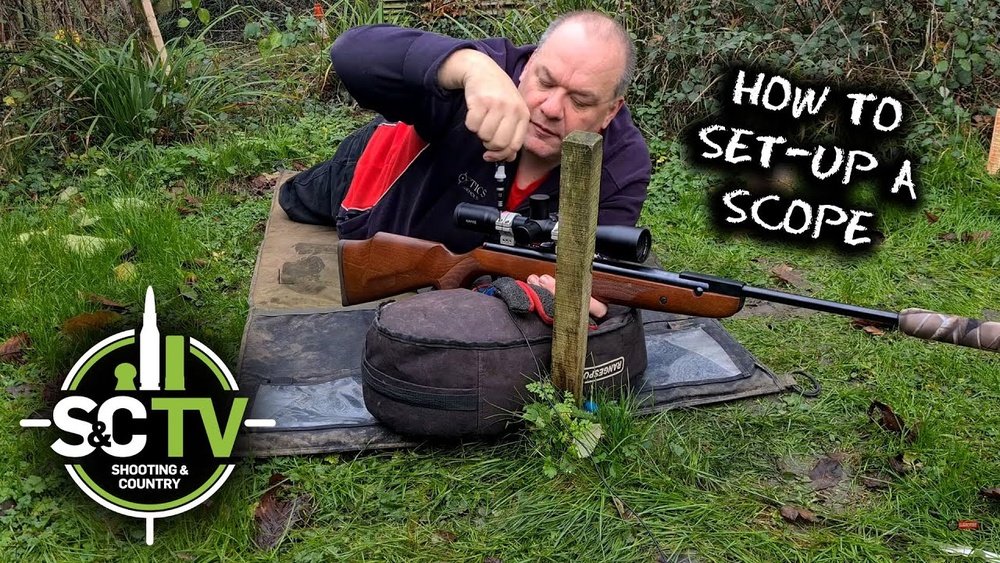
Setting up a scope on your air rifle can feel confusing, especially if you are new to shooting. A well-mounted scope makes a big difference in accuracy and confidence. This guide will walk you through every step, using simple language, so you can set up your air rifle scope like a pro.
By the end, you will know how to avoid common mistakes, understand the tools you need, and get the best results from your scope.
Understanding Why Scope Setup Matters
The scope is not just for aiming. A properly installed scope helps you shoot more accurately at different distances. If you do not set up the scope correctly, even a high-quality scope will not help. You may notice missed shots, blurry images, or even damage to your scope. Many beginners do not realize that air rifles create unique vibrations that can loosen or misalign a scope if not mounted well.
Tools And Items You Need
Before you start, gather these essential tools:
- Air rifle with a scope rail or dovetail
- Scope rings or mounts that fit your scope and rifle
- Screwdriver or Allen key (usually included with scope rings)
- Small spirit level (for leveling the scope)
- Blue thread locker (optional, for screws)
- Soft cloth to protect surfaces
Having everything ready prevents interruptions. A common mistake is using the wrong size mounts or missing tools, so double-check your items.
Choosing The Right Scope And Mounts
Not every scope works with every air rifle. The most important things to match:
- Scope tube diameter: Most common are 1-inch (25.4mm) and 30mm.
- Mount type: Air rifles usually have a dovetail (9-11mm) or Weaver/Picatinny rail.
- Scope length and eye relief: Make sure the scope is not too long or short for your rifle and shooting style.
Here is a quick comparison of scope tube sizes and their uses:
| Tube Size | Best For | Common Use |
|---|---|---|
| 1-inch (25.4mm) | Lightweight rifles | Target practice |
| 30mm | High-power air rifles | Hunting, long-range |
A good fit prevents movement and damage during shooting.
Mounting The Scope: Step-by-step
1. Position The Rifle Securely
Place your air rifle on a stable surface or use a gun rest. A steady base helps you work safely and accurately.
2. Attach Scope Rings To The Rifle
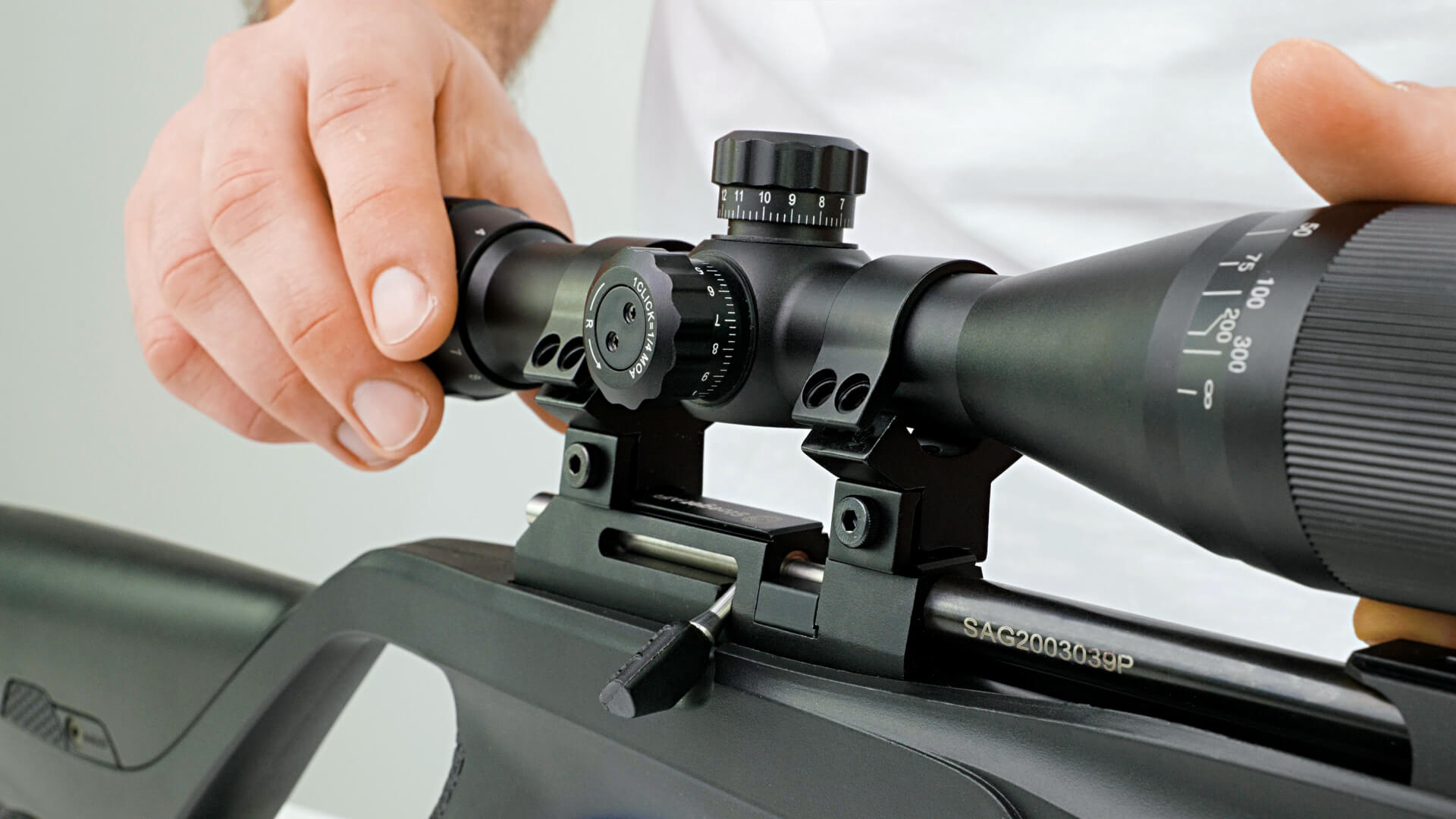
- Loosen the screws on the rings.
- Place the lower half of the rings on the rail.
- Make sure the rings are aligned and spaced to fit your scope.
- Tighten the screws lightly. Do not fully tighten yet.
3. Set The Scope In The Rings
- Lay the scope in the lower rings.
- Adjust the scope so the turret (knob) is upright and the reticle (crosshair) is straight.
- Slide the scope back and forth to set eye relief (the distance from your eye to the scope lens). The image should be clear when you are in your shooting position.
4. Level The Scope
Use a small spirit level to make sure the scope is not tilted. Place it on the scope’s flat surface. The reticle should be perfectly vertical and horizontal. This step is often missed by beginners, causing shots to drift left or right at longer ranges.
5. Tighten The Top Halves Of The Rings
- Place the upper rings over the scope.
- Tighten the screws in a criss-cross pattern for even pressure.
- Do not over-tighten; this can damage the scope tube.
- If possible, add a small amount of blue thread locker to each screw to keep them secure.
6. Final Checks
- Look through the scope to confirm the reticle is level and image is clear.
- Check that the scope does not move when you gently twist or push it.
- Make sure all screws are secure but not overtightened.
Here is a simple comparison of common mistakes and the correct method:
| Mistake | Correct Action |
|---|---|
| Overtightening screws | Tighten until snug, not forced |
| Forgetting to level scope | Use a spirit level for accuracy |
| Ignoring eye relief | Adjust for a full, clear view |
Zeroing Your Scope
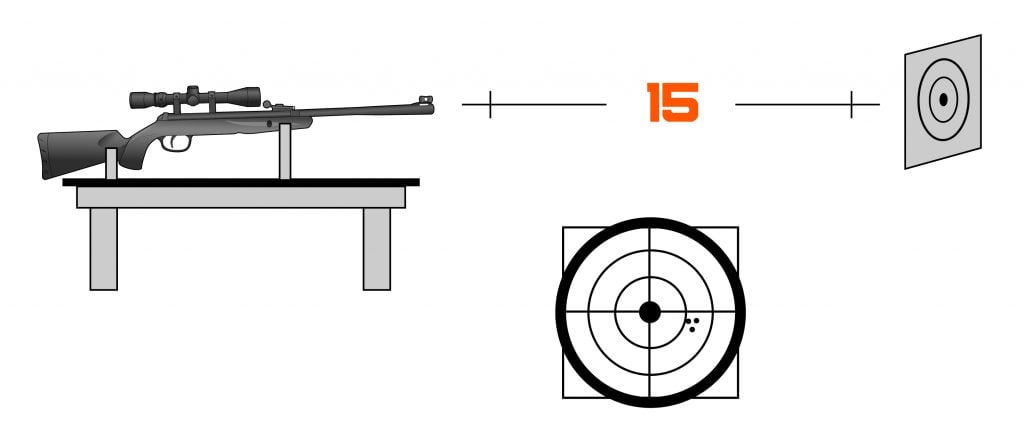
Once your scope is mounted, you must zero it. Zeroing means adjusting the scope so your point of aim matches the point of impact.
- Set up a target at a known distance (start with 10–20 meters).
- Fire a group of 3–5 shots.
- See where the pellets hit compared to your aiming point.
- Use the scope’s windage (left/right) and elevation (up/down) turrets to move the point of impact.
- Repeat until the shots land where you aim.
Many shooters rush this step. Take your time and adjust slowly. Record your scope settings for future use.
Advanced Tips For Best Results
- Use mounts with a recoil stop pin if your air rifle is spring-powered. These rifles have strong recoil that can move the scope.
- Clean the rails and scope rings before mounting to remove oil or dust.
- Mark your ring positions with a pencil before tightening. This helps you return to the same spot if you need to adjust.
Another detail: After heavy shooting, check all screws for tightness. Air rifle vibration can loosen them over time.

Maintaining Your Scope Setup
Regularly inspect your scope and mounts:
- Check for loose screws every few shooting sessions.
- Clean the lenses with a soft, dry cloth.
- Store your rifle in a dry place to avoid rust and moisture damage.
A well-maintained scope will last for years and keep your shots accurate.
Frequently Asked Questions
How Tight Should I Make The Scope Ring Screws?
Tighten screws just enough to hold the scope firmly. Stop if you feel strong resistance. Over-tightening can bend the scope tube.
Can I Use Any Rifle Scope On An Air Rifle?
Not always. Spring-powered air rifles need scopes rated for airgun recoil. Regular rifle scopes may get damaged. Always check the scope’s rating.
What Distance Should I Zero My Air Rifle Scope?
Most shooters start at 10 to 20 meters. Choose a distance that matches your usual shooting range. Adjust as needed for different uses.
Why Is My Scope Moving After Shooting?
This usually means the screws are loose, or you do not have a recoil stop pin for powerful air rifles. Check the mounts and add a stop pin if needed.
Do I Need To Use A Thread Locker On The Screws?
A blue thread locker helps prevent screws from loosening due to vibration. Use it sparingly—just a drop is enough.
Setting up your air rifle scope the right way helps you shoot more accurately and safely. Take your time, use the correct tools, and double-check your work. For deeper information on air rifle scopes, visit this Wikipedia page.
With practice and care, your scope will give you many hours of enjoyable and precise shooting.

Leave a Reply