Learning to set a red dot scope can transform your shooting experience. Whether you use a rifle for hunting, target practice, or home defense, a properly zeroed red dot helps you shoot faster and more accurately. Many shooters buy a red dot, mount it, and hope for the best—but this often leads to frustration and missed shots. Setting up your scope the right way can make all the difference. This guide will walk you through every step, from mounting your optic to making final adjustments at the range. Even if you’re new to optics, you’ll finish confident and ready to shoot.
What Is A Red Dot Scope?
A red dot scope is a type of non-magnified optic. It uses a red LED to project a dot onto a lens, creating an aiming point. Unlike iron sights, the red dot stays in alignment with your eye, making target acquisition much quicker. Red dots come in various sizes and styles, from small pistol sights to larger rifle models. They’re popular for close to medium distances, usually up to 100 yards.
Key Equipment And Tools Needed
Before you start, gather your tools. Having the right equipment helps avoid common mistakes and ensures your red dot scope works as intended.
- Red dot optic
- Mounting hardware (often included with the scope)
- Proper screwdriver or torque driver
- Gun cleaning kit
- Boresighter (optional, but highly recommended)
- Quality ammunition (use the same type you’ll shoot most often)
- Targets (standard paper targets with clear bullseye)
- Shooting rest or sandbags
- Protective gear (eye and ear protection)
Many beginners skip the boresighter and try to zero by firing only. This wastes ammo and time. Using a boresighter first gets you “on paper” faster.
Step 1: Mounting The Red Dot Scope
Choose The Right Mount
Red dot sights attach to your gun using different types of mounts. Most common are Picatinny and Weaver rails. Make sure your mount matches both your scope and your firearm. Some red dots come with built-in mounts; others need a separate base.
Secure The Scope
Clean the mounting area to remove oil and dirt. Place the red dot on the rail, then hand-tighten the screws. Use a torque driver to finish tightening, following the manufacturer’s recommended settings—usually between 15-20 inch-pounds. Over-tightening can damage the scope or rail.
Check Eye Relief And Position
With a red dot, eye relief is unlimited, but position still matters. Mount the optic forward enough to leave room for backup iron sights (if you use them), but not so far you struggle to see the dot quickly.
Confirm Level Alignment
Use a bubble level or visually align the red dot with the gun’s receiver. A crooked optic can throw off your shots, especially at longer ranges.
Step 2: Initial Zeroing (bore Sighting)
Bore sighting aligns the optic with the gun’s barrel before you fire a shot. This step saves time and ammo.
How To Bore Sight
- Unload your firearm and remove the bolt (for bolt-action rifles) or open the action (for others).
- Place the gun on a steady rest.
- Look through the barrel from the breech and center the target’s bullseye.
- Without moving the gun, adjust the red dot until it sits directly on the same bullseye.
- If you use a laser boresighter, insert it in the barrel and adjust the optic to the laser point.
Bore sighting does not perfectly zero the scope, but it gets you close enough to hit paper at short distances.
Step 3: First Shots And Rough Zero At 25 Yards
Now, it’s time to go to the range. Start at 25 yards. Shooting at longer distances before rough zeroing can lead to missed targets and confusion.
- Load three rounds and fire at the center of the target.
- Observe the group. If all shots land in the same area (even if not the bullseye), your mounting is stable.
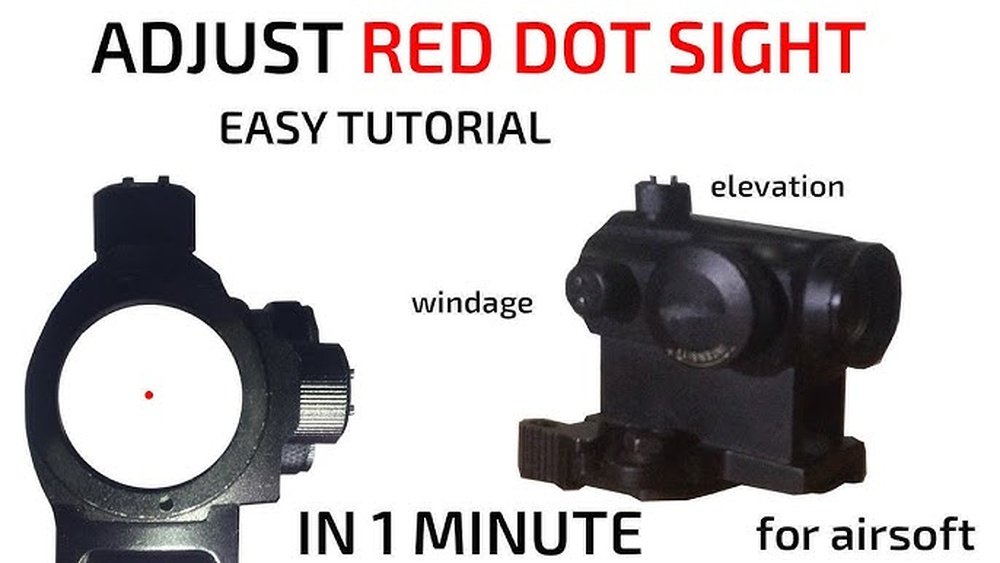
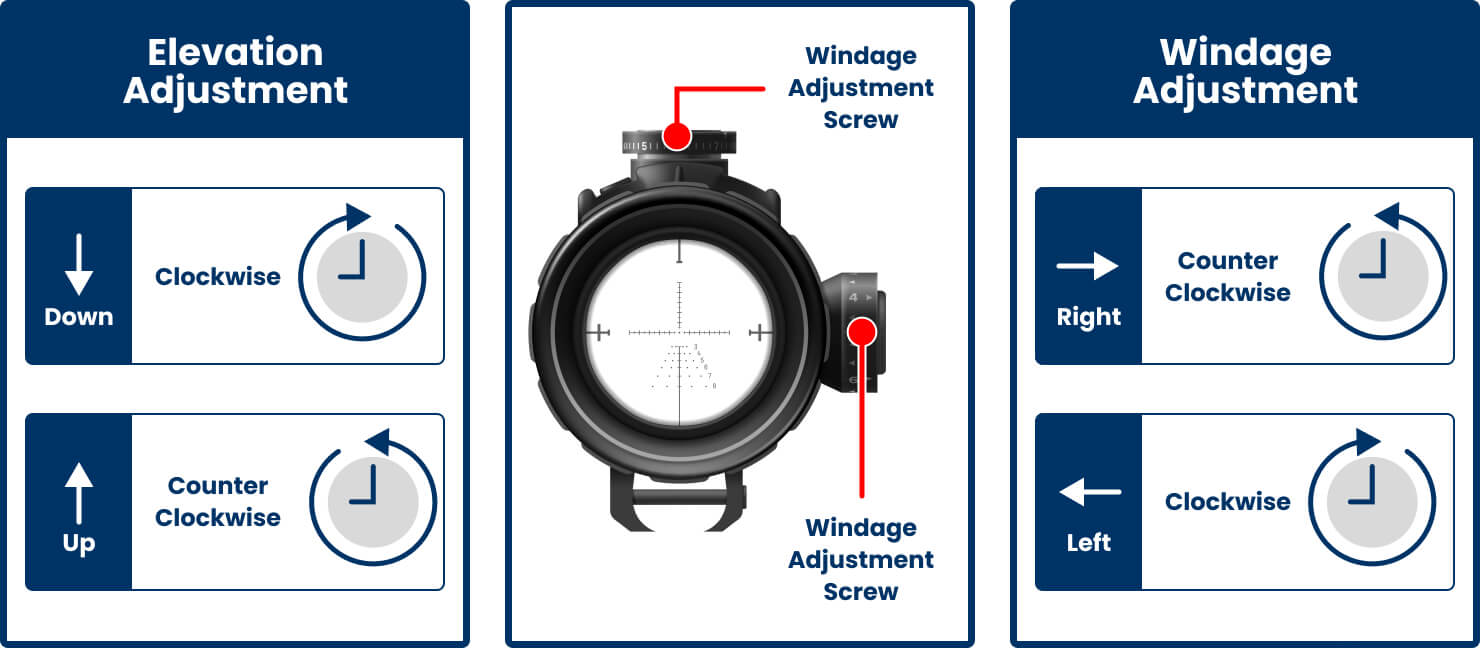
- Use the windage (left/right) and elevation (up/down) adjustments on your red dot to move the point of impact toward the bullseye.
- Make small changes, usually 1 click = 1 MOA (minute of angle), or about 1 inch at 100 yards (¼ inch at 25 yards).
It’s common for beginners to chase every single shot. Instead, adjust based on the center of your shot group, not individual shots.
Step 4: Fine Zeroing At 50 Or 100 Yards
After you’re on paper at 25 yards, move the target to 50 or 100 yards. Most shooters zero at these distances, depending on their primary use.
Choosing Your Zero Distance
- 50 yards: Good for home defense, close hunting, or pistols.
- 100 yards: Better for rifles and longer shots.
Making Precise Adjustments
- Fire another 3-5 shot group.
- Mark the center of the group.
- Adjust the red dot as needed. For example, if your shots are 2 inches low at 100 yards, raise the elevation by 2 MOA (8 clicks on a ¼ MOA adjustment).
- Repeat until your group is centered on the bullseye.
Here’s a quick reference to common red dot adjustments:
| Adjustment | Common Value | Impact at 100 Yards |
|---|---|---|
| 1 Click (¼ MOA) | ¼ inch | ¼ inch shift per click |
| 4 Clicks | 1 MOA | 1 inch shift per group |
| 16 Clicks | 4 MOA | 4 inches shift per group |
Don’t forget to shoot from a stable position and use the same ammo throughout the process.
Step 5: Confirm Zero And Test At Different Distances
After fine adjustments, test your setup at various ranges. This helps you understand how your red dot and bullet perform at different distances.
- Fire groups at 25, 50, and 100 yards.
- Note if the point of impact changes. Some bullets will drop lower at longer distances.
- Write down your results for future reference.
This step is often skipped, but it can reveal if your setup holds zero or if something has shifted.
Step 6: Lock Down And Protect Your Setup
Once your scope is zeroed:
- Double-check all screws and mounting hardware for tightness.
- Add a small mark on the scope and rail with a paint pen. This lets you quickly see if anything moves in the future.
- Store your firearm in a safe place.
Some shooters also add thread locker (like Loctite) to mounting screws, but only use the non-permanent kind.
Step 7: Adjusting For Specific Uses
Your red dot setup may need small changes depending on your main use.
For Home Defense
- Zero at 25-50 yards. Most home encounters happen at close range.
- Use a brighter dot for fast target acquisition.
For Hunting
- Zero at 100 yards for most game.
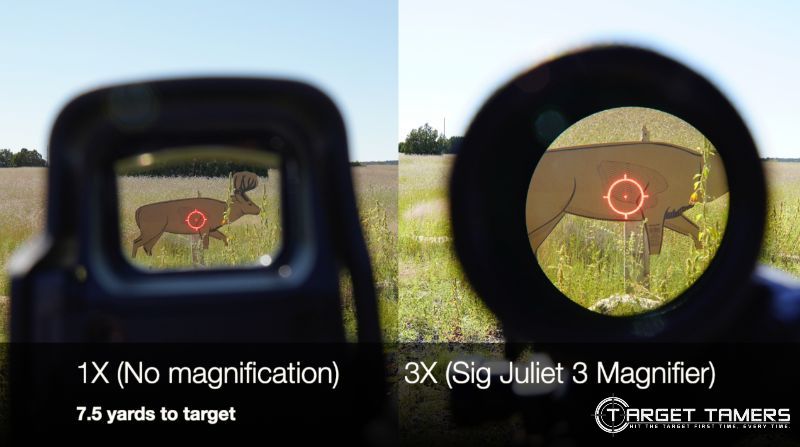
- Make sure your red dot is set to a lower brightness. Too bright can obscure small targets.
For Competition Or Range Shooting
- Practice at different distances.
- Consider a “battle zero” (example: 50/200 yards) for maximum versatility.
Here’s a summary of zero distances and their typical uses:
| Zero Distance | Best For | Notes |
|---|---|---|
| 25 yards | Close defense | Fast sighting, less bullet drop |
| 50 yards | Pistols, short carbines | Good all-around for close use |
| 100 yards | Rifles, hunting | Better for longer shots |
Two Common Mistakes To Avoid
Many shooters zero their red dot, then find they struggle with accuracy later. Here are two mistakes that often go unnoticed:
- Changing Ammo Type: Different brands or bullet weights can shift your point of impact. Always zero with the ammo you plan to use most.
- Ignoring Parallax: Most red dots are “parallax-free” only at a certain distance (often 50 yards). At other distances, the dot can appear to move against the target if your eye position shifts. Practice keeping your head in the same spot for best accuracy.
Maintenance And Re-checking Zero
After heavy shooting, hard drops, or travel, your red dot might lose its zero. Get in the habit of rechecking at the range, especially before important events like competitions or hunting trips.
- Recheck zero every few months.
- Clean both the optic and your gun.
- Replace batteries as needed (many last 1-3 years, but don’t wait for them to die unexpectedly).
When To Seek Professional Help
If your groups remain wide even after careful adjustment, there might be a problem with your firearm, mount, or optic. Don’t be afraid to ask a gunsmith for help. Sometimes, a loose rail or a damaged scope is to blame, not your technique.
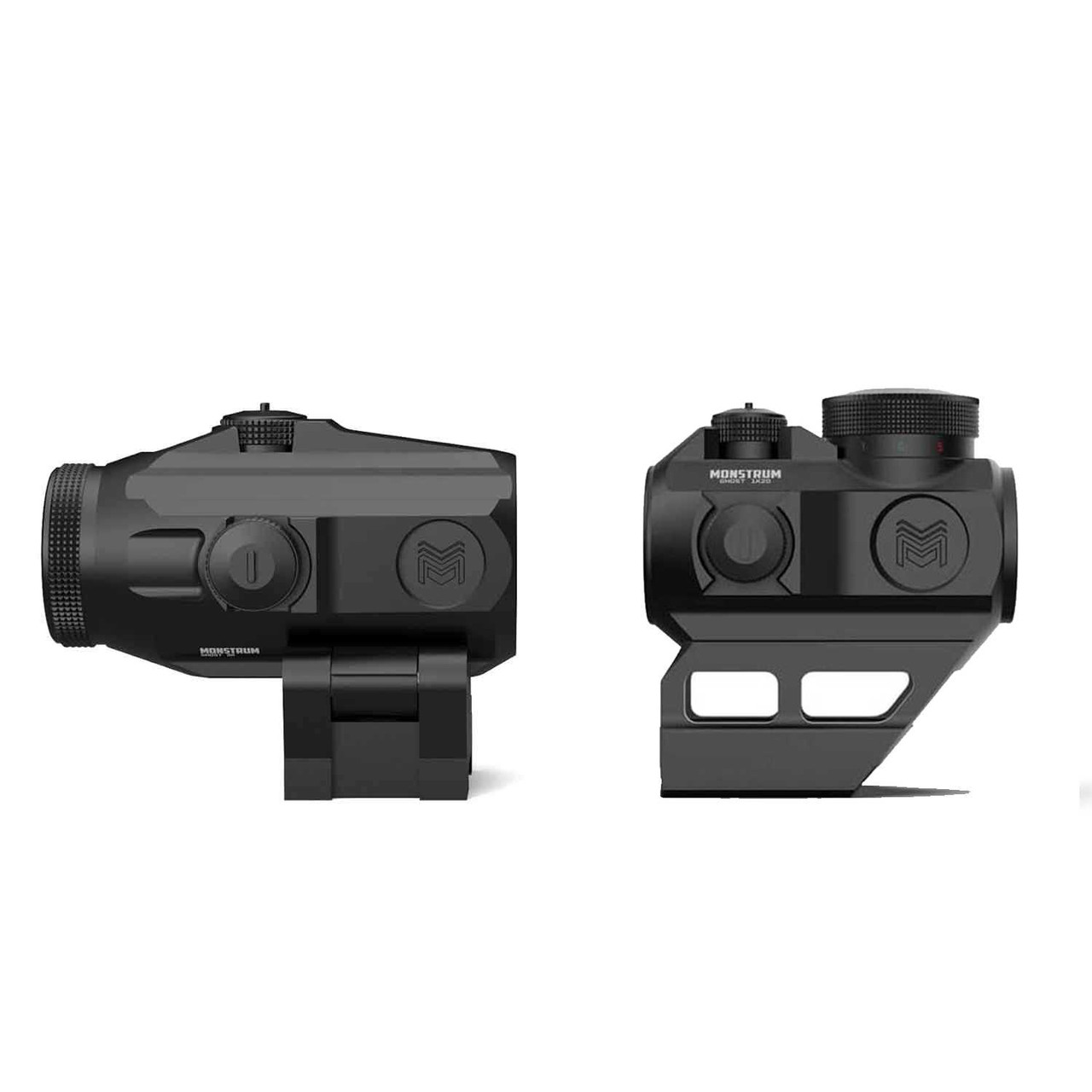
Real-world Example: Zeroing A Red Dot On An Ar-15
Let’s walk through a common scenario. You have a new AR-15 and a red dot. Here’s a summary of steps:
- Clean the rail and mount the optic securely.
- Use a laser boresighter to roughly align the dot.
- Start at 25 yards, fire a three-shot group, and adjust.
- Move to 50 yards, fire again, and fine-tune.
- Confirm at 100 yards if you plan to shoot at that range.
- Lock down the screws and note your zero settings.
This method applies to most rifles and is almost identical for shotguns or pistols with rails.
Frequently Asked Questions
How Often Should I Re-zero My Red Dot Scope?
It’s smart to check zero every few months, after long trips, or whenever you clean or disassemble your firearm. If you drop your gun or switch ammo types, always re-confirm zero.
What Distance Should I Choose For Zeroing?
Most shooters use 50 or 100 yards. For home defense, 25-50 yards is common. Match your zero distance to your typical shooting range and use.
Can I Use A Red Dot Scope At Night?
Yes, red dots work well in low light. Many models have night vision settings or adjust brightness automatically. Just make sure your target is clearly visible and use a safe backstop.
What’s The Difference Between A Red Dot And A Holographic Sight?
A red dot uses an LED to project the aiming point, while a holographic sight uses a laser and mirrors for a more complex reticle. Holographic sights can be more expensive but offer some advantages in reticle design. You can learn more about the technology at Wikipedia.
Is Co-witnessing With Iron Sights Necessary?
Co-witnessing means lining up your red dot with your iron sights. It’s not required but can be useful if your optic fails. Many shooters use “lower 1/3 co-witness,” where the iron sights appear in the lower part of the red dot window.
Setting a red dot scope the right way is a skill that pays off every time you pull the trigger. Take your time, use the right tools, and double-check your work. Soon, you’ll enjoy faster aim, better accuracy, and more fun at the range.

Leave a Reply