
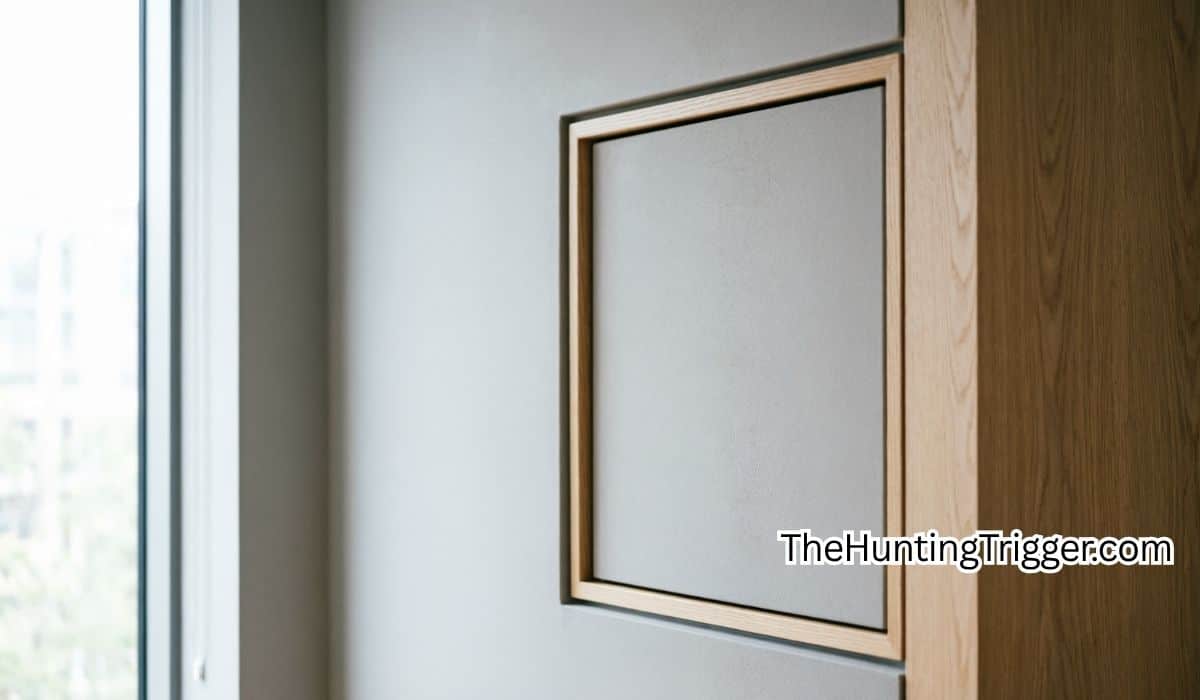
Hiding a gun safe in plain sight is a practical solution for anyone who values both security and discretion. Many homeowners worry about keeping firearms accessible but out of view. Whether you want to protect your family, keep valuables secure, or simply avoid unwanted attention, finding a smart way to conceal your gun safe can make a big difference.
The goal is not only to keep your guns hidden but also to make sure your safe blends naturally into your living space. With a few clever strategies, you can achieve both security and peace of mind.
Table of Contents
Why Hide A Gun Safe?
Keeping firearms out of sight is important for several reasons. First, it reduces the risk of theft. According to the FBI, over 1. 4 million burglaries occur annually in the United States, and thieves often target visible safes. Second, hidden safes are safer for children and guests who may not know how to handle guns.
Lastly, a concealed gun safe can help you maintain privacy and avoid awkward questions from visitors.
Choosing The Right Safe For Concealment
Not all gun safes are easy to hide. The size, shape, and style of your safe will affect where and how you can conceal it. Here are key factors to consider:
- Size: Smaller safes are easier to hide, but may not fit larger guns. If you have rifles, look for slim, tall safes.
- Style: Some safes are designed for wall or floor installation. Others are portable and can fit inside furniture.
- Lock Type: Electronic locks are fast, but can be noisy. Mechanical locks are quieter, but take more time to open.
- Weight: Heavy safes are secure, but harder to move. Lightweight safes can be hidden in more places, but may be less secure.
| Safe Type | Best for Concealment | Security Level |
|---|---|---|
| Wall Safe | Inside walls or closets | Medium-High |
| Floor Safe | Under carpets or furniture | High |
| Furniture Safe | Inside cabinets, desks | Medium |
| Portable Safe | Small spaces, drawers | Low-Medium |
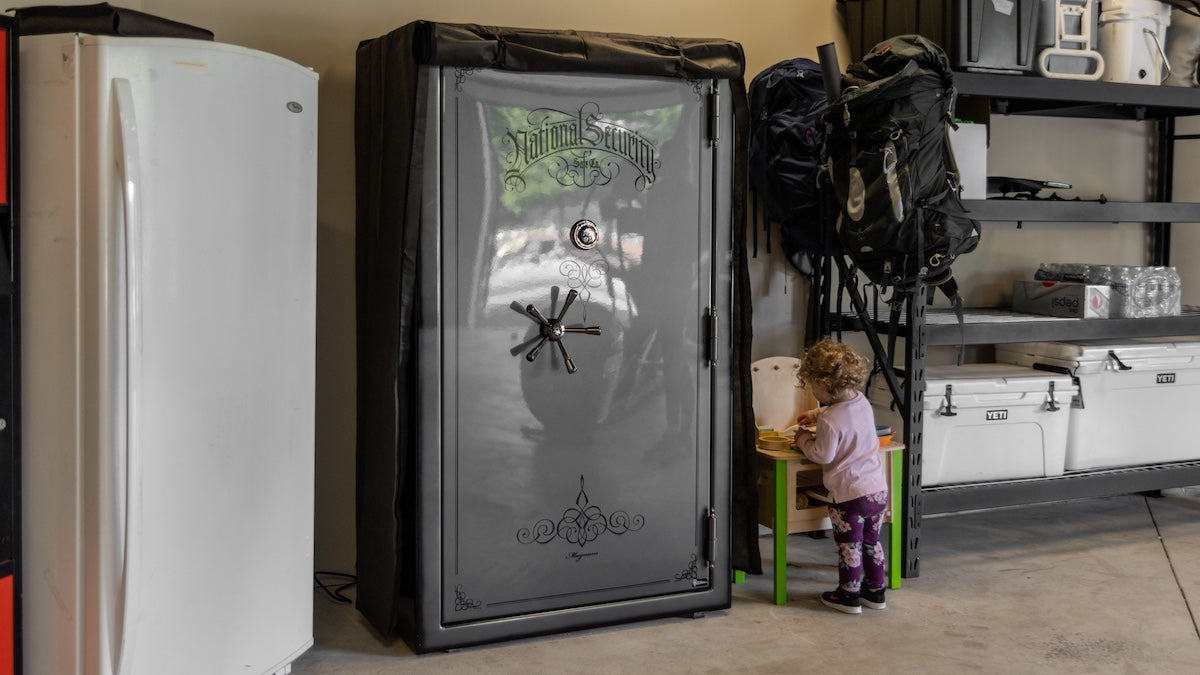
Strategies For Hiding A Gun Safe In Plain Sight
There are many ways to hide a gun safe so it blends into your home. The best method depends on your space, safe size, and personal needs.
Hidden Furniture
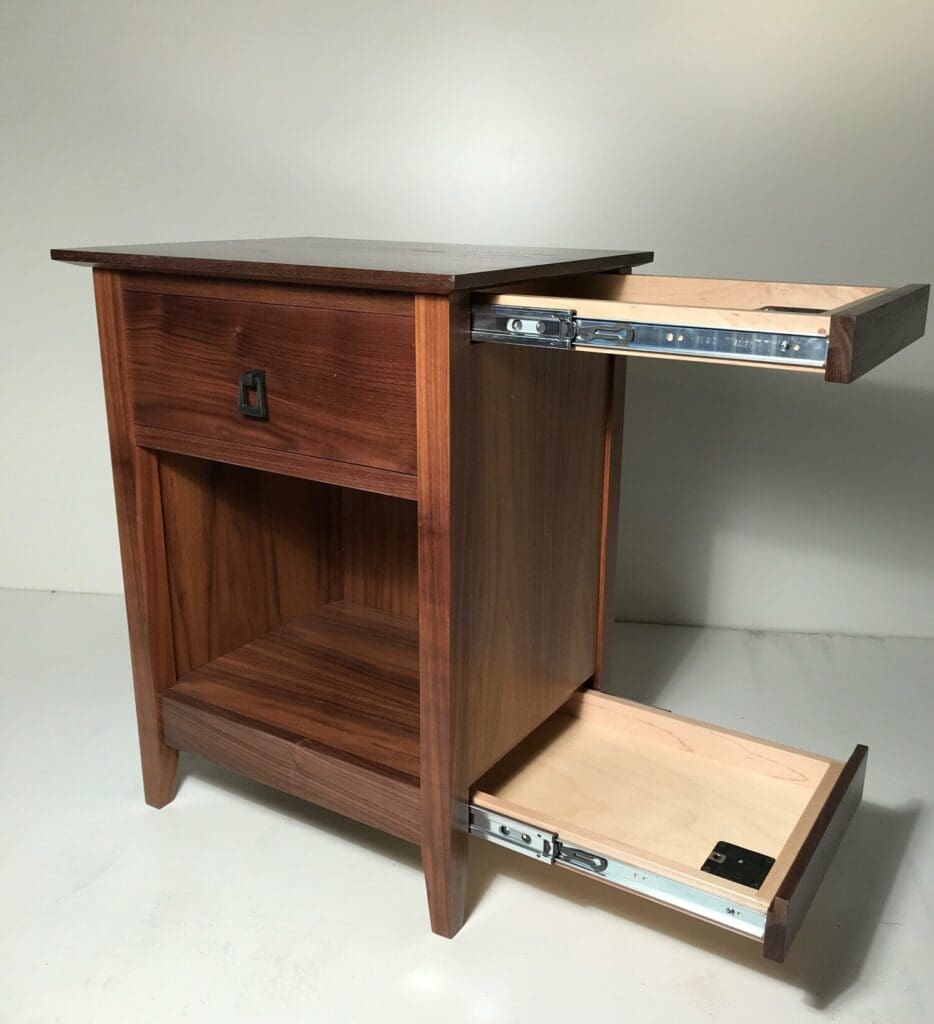
One popular option is furniture safes. These safes are built into everyday items like bookshelves, cabinets, or bed frames. You can buy furniture with built-in safes, or modify existing pieces.
- Bookshelf safes: Place your gun safe behind a row of books. Some shelves have hidden compartments.
- Bed frame safes: Under-bed safes slide out easily but remain hidden from view.
- Desk safes: A locked drawer in your desk can hold a small gun safe.
Change access code on Winchester gun safe
False Walls And Panels
Creating a false wall or panel can hide a safe completely. This requires some basic carpentry skills but offers excellent concealment.
- Build a shallow closet or wall cavity.
- Install a sliding or hinged panel that blends with the wall.
- Paint or wallpaper the panel to match the room.
Closet Concealment
Closets are natural hiding spots. A gun safe can fit behind hanging clothes or inside a built-in shelf.
- Hang coats or dresses in front of the safe.
- Use storage boxes to disguise the safe shape.
- Install a closet organizer to create extra space.
Concealed In Basements Or Attics
Basements and attics are less visited areas, making them ideal for hiding a safe. The main challenge is moisture and temperature control.
- Place the safe behind stored items.
- Use false flooring or panels.
- Make sure the area is dry to avoid rust.
Behind Appliances
Large appliances like washing machines or refrigerators can hide a safe. This works best for smaller safes.
- Position the safe behind or beside the appliance.
- Cover with a plastic bin or cleaning supplies.
Creative Concealment Ideas
Sometimes, you need to think outside the box to hide a gun safe effectively. Here are some unique approaches:
- Inside a hollowed-out ottoman: Many ottomans have removable lids. Place a small safe inside and cover with a cushion.
- Under a staircase: Stairs often have unused space. Build a hidden compartment under the steps.
- Fake air vent: Create a false air vent cover that opens to reveal your safe.
- Garage storage cabinet: Hide your safe inside a locked tool cabinet or behind garden tools.
| Location | Concealment Level | Accessibility |
|---|---|---|
| Ottoman | High | Easy |
| Staircase | Medium | Moderate |
| Air Vent | High | Difficult |
| Garage Cabinet | Medium | Easy |
Balancing Security And Accessibility
A hidden safe must be secure but also easy to reach in an emergency. If your safe is too hard to access, you may lose valuable seconds during a crisis. Here are tips to balance security and accessibility:
- Choose locations that are easy to reach but not obvious.
- Practice opening your safe quickly and quietly.
- Avoid hiding the safe in places where you need to move many items to reach it.
Common Mistakes To Avoid
Even smart hiding methods can fail if you make certain mistakes. These are the most frequent errors:
- Obvious hiding spots: Avoid placing your safe in places thieves expect, like master bedroom closets.
- Poor installation: A safe that is not anchored can be carried away easily.
- Ignoring humidity: Moisture can damage guns and safes. Use a dehumidifier if necessary.
- Complicated access: If it takes too long to reach your gun, the hiding spot is not practical.
Legal And Safety Considerations
Always follow local laws when storing firearms. Some states require locked safes or trigger locks. Make sure your safe meets legal standards for gun storage.
- Keep your gun safe locked at all times.
- Do not share the location or access code with anyone except trusted adults.
- Teach children about gun safety, even if the safe is hidden.
Real-life Examples
Some homeowners have developed clever ways to hide their gun safes. For instance, one family built a safe into the wall behind a framed painting. Another homeowner used a false bottom in a dresser drawer. In rural areas, some people install safes in barns or sheds, camouflaged by storage boxes.
According to a survey by SafeWise, about 30% of gun owners use hidden safes or concealed storage. The most common locations are bedroom closets, under beds, and inside furniture. These methods reduce theft and accidental access.
How to keep a gun safe out of sight
Comparison: Hidden Vs. Visible Gun Safe
It helps to see how hidden safes compare to visible safes in terms of security and risk.
| Safe Visibility | Theft Risk | Child Safety | Accessibility |
|---|---|---|---|
| Hidden Safe | Low | High | Moderate |
| Visible Safe | High | Medium | Easy |
Maintenance Tips For Concealed Safes
Keeping your gun safe in good condition is important, especially if it is hidden. Here are maintenance tips:
- Check humidity: Use silica gel packs or a dehumidifier to prevent rust.
- Inspect locks regularly: Make sure the locking mechanism works smoothly.
- Clean surroundings: Remove dust and debris from around the safe.
- Test access: Practice opening the safe under stress to make sure you can do it quickly.
Do KAER gun safes provide good protection
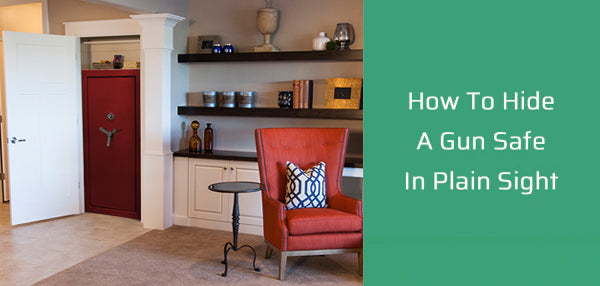
Extra Insights Most People Miss
Many beginners overlook a few key points:
- Insurance coverage: Some home insurance policies do not cover theft if the safe is not anchored or hidden properly. Confirm with your insurer.
- Fire protection: Not all hidden safes are fire-resistant. Consider placing the safe in a spot with lower fire risk, like a basement corner.
- Noise reduction: When opening the safe, be aware of noise. Electronic locks or metal doors can alert others. Try to minimize sound by using rubber mats or silent hinges.
Frequently Asked Questions
How Secure Is A Hidden Gun Safe Compared To A Visible One?
Hidden gun safes are usually more secure because thieves cannot find them easily. However, the level of security also depends on the quality of the safe and how well it is anchored. Visible safes may deter casual thieves, but determined burglars often target them first.
Where Is The Best Place To Hide A Gun Safe In A Small Apartment?
In a small apartment, space is limited. The best spots are inside furniture, such as a locked cabinet or under the bed. You can also use false panels in closets or behind bookshelves. Make sure the location is easy for you to access but difficult for others to find.
Can Moisture Damage Guns Stored In Hidden Safes?
Yes, moisture can cause rust and damage both guns and safes. If your hiding spot is in a basement or attic, use silica gel packs or a dehumidifier. Check the safe and guns regularly for signs of moisture.
Should I Tell Anyone About The Hidden Safe Location?
Only trusted adults should know about the location and access method. Do not share this information with children or guests. If you have a home security system, you can add alerts for safe access.
Are There Laws About Hiding Gun Safes?
Gun storage laws vary by state and country. Some places require that guns be stored in locked safes, even if hidden. Others have rules about who can access firearms.
Last Word
Securing your firearms is about more than just keeping them out of sight. By combining smart concealment with proper maintenance and safety practices, you can protect your family, valuables, and peace of mind. A well-hidden gun safe gives you confidence that your firearms are secure, accessible, and unlikely to fall into the wrong hands.

Leave a Reply