
If you own or use a striker fired handgun, you may wonder how to decock it safely. Many gun owners want to lower the striker without firing a round, for reasons such as cleaning, storing, or transporting the gun. But with striker fired pistols, this process is not as simple as with traditional hammer-fired handguns. Understanding what is possible and what is not is important for your safety, the safety of others, and the care of your firearm.
This article will walk you through the specifics of how striker fired pistols work, what decocking means, and the correct steps to handle your gun safely. We’ll also clear up some common myths, highlight differences between handgun types, and provide practical advice based on real-world experience.
Whether you’re a new gun owner or just want a refresher, this guide will give you confidence and clarity.
Understanding Striker Fired Handguns
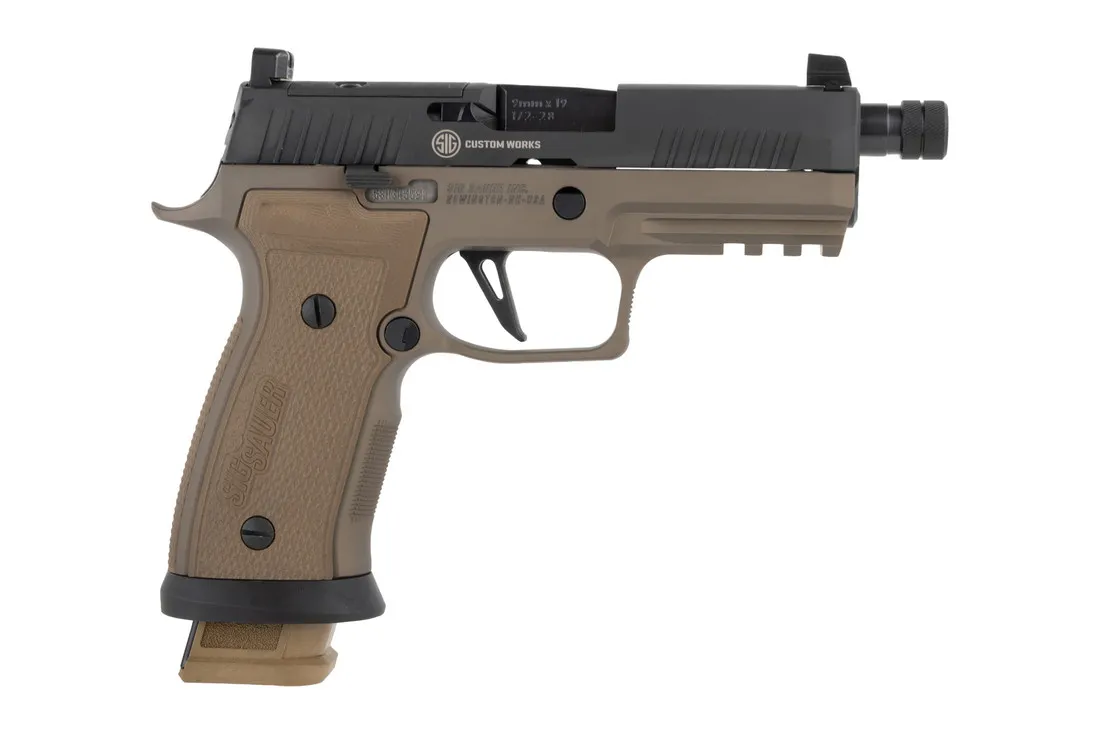
Before discussing decocking, it’s important to know how striker fired handguns operate. Unlike hammer-fired pistols, striker fired models use a spring-loaded firing pin (the striker) instead of an external hammer. The firing mechanism is mostly internal, which changes how you handle the gun.
With every pull of the trigger, the striker is released to hit the primer and fire the round. Many striker fired pistols do not have an external decocker or manual safety lever. This is a key difference and affects your options when handling the gun.
Common Striker Fired Handguns
Some of the most popular striker fired pistols include:
- Glock 17/19/43
- Smith & Wesson M&P series
- SIG Sauer P320
- Springfield XD series
- Walther PPQ
All these models share a similar basic mechanism. However, always check your owner’s manual for model-specific advice.
What Does “decock” Mean?
To decock a handgun means to safely lower the firing mechanism (the hammer or striker) from its ready-to-fire position to a safe, non-firing state—without firing a round. In hammer-fired pistols, you can usually decock by lowering the hammer. But with most striker fired pistols, there is no external hammer to lower.
Some shooters use the word “decock” incorrectly with striker fired pistols. In most cases, to “decock” a striker fired gun actually means making sure it is unloaded and the striker is released with the gun empty.
Can You Decock A Striker Fired Handgun?
The short answer is: You cannot decock most striker fired handguns without pulling the trigger. Unlike hammer-fired guns with a decocker lever, striker fired models require the trigger to be pulled to release the striker.
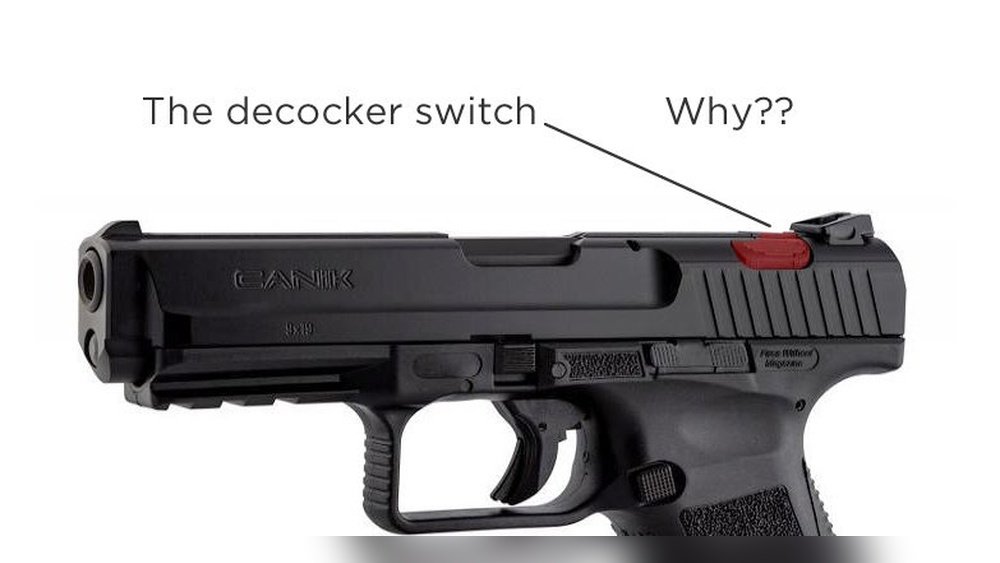
This is both a design feature and a safety concern. Some newer models have special features (like the Walther P99’s decocker button), but these are exceptions.
Why This Matters
Understanding this difference is crucial for safe gun handling. Many negligent discharges happen when users try to decock without following the correct steps.
How To Safely Decock A Striker Fired Handgun
If you need to release the striker for cleaning or storage, follow these steps. The key is always to make sure the gun is completely unloaded before pulling the trigger.
Step 1: Remove The Magazine
Press the magazine release and take out the magazine. Set it aside.
Step 2: Lock The Slide Open
Pull the slide back and lock it open using the slide stop lever. This lets you visually check the chamber.
Step 3: Visually And Physically Check The Chamber
Look into the chamber to confirm it is empty. Use your finger to feel that there is no round in the chamber. Do not skip this step—even if you are sure the gun is unloaded.
Step 4: Point The Gun In A Safe Direction
Always keep the muzzle pointed in a direction where, if it did fire, no one would be hurt and no property would be damaged.
Step 5: Pull The Trigger
With the gun pointed safely and confirmed empty, pull the trigger. This will release the striker. Now your gun is “decocked. ”
Step 6: Reassemble Or Store
After decocking, you can continue with cleaning, maintenance, or storage.
Example Scenario
Suppose you want to clean your Glock 19. You must pull the trigger as part of disassembly. If you forget to check the chamber, you could have an accidental discharge. That’s why every firearm safety course repeats: “Check twice, pull the trigger once.”
Important Safety Tips
- Never skip the chamber check. Most accidental shootings during decocking happen when people forget to check the chamber.
- Always point in a safe direction. This is your last line of defense if a mistake happens.
- Know your gun’s manual. Some striker fired pistols have unique features. Read the manual every time you get a new model.
What Makes Striker Fired Different?
To better understand, here is a comparison between striker fired and hammer fired handguns:
| Feature | Striker Fired | Hammer Fired |
|---|---|---|
| Decocking Method | Trigger pull (no lever) | Decocker lever or manual lowering |
| External Hammer | No | Yes |
| Manual Safety | Rare | Common |
| Popular Examples | Glock, M&P | Beretta 92, CZ 75 |
This table shows why you cannot treat all handguns the same way. With striker fired pistols, there is usually no external control for decocking.

Common Myths About Decocking Striker Fired Guns
Many new gun owners believe that there must be a way to decock a striker fired handgun without pulling the trigger. Here’s why this is a myth:
- No decocker lever: Most striker fired pistols do not have this part.
- Internal mechanism: The striker is reset only by pulling the trigger, not by any external control.
- Safety design: These guns are designed to be carried with a round chambered and the striker partially cocked.
If someone tells you there is a “secret decocker” on your Glock, they are mistaken. Double check your owner’s manual or contact the manufacturer if unsure.
Unique Striker Fired Guns With Decocker Features
While most striker fired pistols have no decocker, a few rare models do. For example:
- Walther P99: Has a decocker button on top of the slide.
- Canik TP9DA: Offers both double-action and single-action modes with a decocker lever.
These are exceptions, not the rule. Always verify your model before trying to use any decocking feature.
Practical Advice For Gun Owners
If you need to decock a striker fired handgun, remember:
- You must pull the trigger to release the striker.
- Only do this after confirming the gun is empty.
- There is no “safe shortcut.”
Two Insights Most Beginners Miss
- Some striker fired pistols require trigger pull for disassembly. For example, Glocks cannot be taken apart without pulling the trigger. If you skip safety checks, you risk negligent discharge.
- Storing “decocked” is not a safety feature. With striker fired guns, storing with the striker released does not add significant safety. Proper storage (locked, unloaded, ammo separate) is more important.
Decocking And Firearm Maintenance
Proper decocking is often part of cleaning. Here’s how the process fits into regular maintenance:
| Maintenance Task | Striker Position Needed | How to Achieve |
|---|---|---|
| Field Stripping | Striker released | Pull trigger (unloaded) |
| Deep Cleaning | Striker released | Remove slide, pull trigger |
| Reassembly | Striker reset | Rack slide |
This shows why knowing how to decock safely is not just for storage—it’s part of regular gun care.
What If You Make A Mistake?
If you accidentally pulled the trigger before checking the chamber, stop and follow these steps:
- Keep the gun pointed in a safe direction.
- Do not panic or try to catch a falling gun.
- Check for damage or injuries.
- Seek help if there is an injury.
- Review safety procedures before continuing.
Learning from mistakes is part of responsible gun ownership. Many accidents happen when people try to rush or skip steps.
Legal And Responsibility Considerations
Gun owners are legally responsible for every round fired. An unintentional discharge from skipping the decocking procedure can have serious consequences, including legal problems, injury, or death. Always follow the four rules of firearm safety:
- Treat all guns as if they are loaded.
- Never point a gun at anything you do not want to destroy.
- Keep your finger off the trigger until ready to shoot.
- Be sure of your target and what is beyond.
These rules apply every time you handle a firearm, not just when decocking.
Comparing Decocking Methods
Here’s a summary to help compare decocking striker fired and hammer fired handguns:
| Handgun Type | Decocking Action | Safe for Beginners? |
|---|---|---|
| Striker Fired | Pull trigger (gun must be empty) | Yes, with proper training |
| Hammer Fired (with decocker) | Press decocker lever | Yes, but understand lever location |
| Hammer Fired (without decocker) | Manually lower hammer (risky) | No, risk of accidental discharge |
As you can see, each system has its own safety challenges. For striker fired guns, the process is simple but must be done with discipline.
When Should You Decock A Striker Fired Handgun?
The main times you need to decock (release the striker) are:
- Before cleaning or disassembly
- Before long-term storage (optional)
- As part of some malfunction clearing procedures
You do not need to decock between every range session, and you should never try to decock with a loaded chamber.
Additional Resources
For more detailed information on firearm types and safe handling, the Wikipedia page on Striker-fired mechanisms is a good starting point.
Frequently Asked Questions
How Do You Decock A Glock Pistol?
To decock a Glock, remove the magazine, lock the slide open, check the chamber, point in a safe direction, and pull the trigger. There is no decocking lever.
Is It Safe To Pull The Trigger To Decock A Striker Fired Handgun?
Yes, as long as the gun is 100% unloaded and pointed in a safe direction. This is the only way for most striker fired pistols.
Are There Any Striker Fired Handguns With A Decocker Lever?
A few rare models, like the Walther P99, have a decocking button or lever. Most striker fired pistols do not.
Should You Store A Striker Fired Handgun Decocked?
It is not required for safety. Proper storage means unloaded, locked away, and ammo stored separately.
What Happens If You Try To Decock A Loaded Striker Fired Pistol?
You risk firing a round. Never pull the trigger unless you are certain the gun is unloaded and pointed safely.
Handling firearms is a serious responsibility. With the right knowledge and habits, you can safely manage your striker fired handgun—whether for cleaning, transport, or peace of mind. Remember, safety is always the top priority.

Leave a Reply