
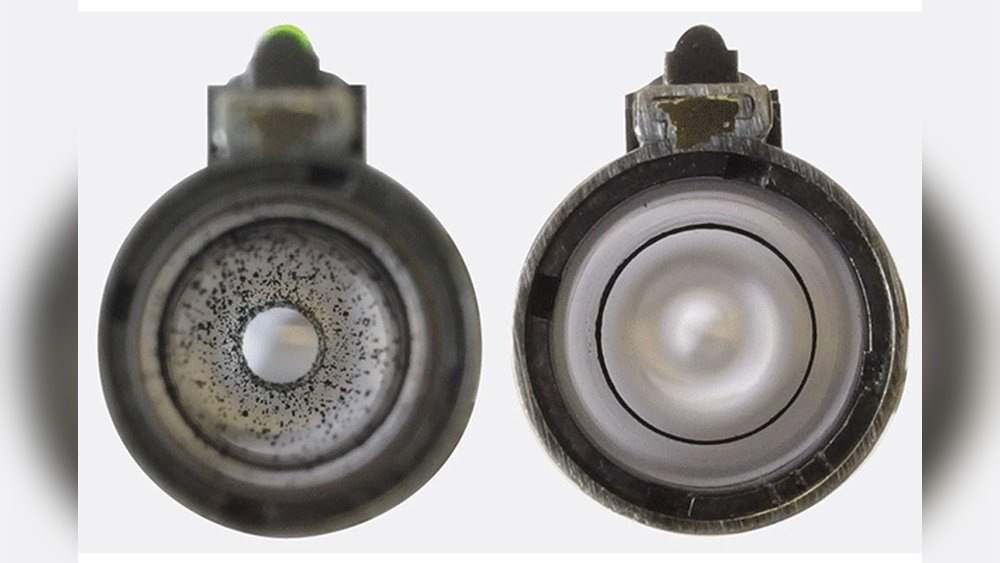
Cleaning your shotgun barrel is not just a task—it’s a skill every responsible owner should master. A clean barrel keeps your shotgun accurate, reliable, and safe. Over time, powder residue, lead, and dirt can build up inside the barrel. This can damage your shotgun and even cause dangerous situations.
Many shooters, especially beginners, think cleaning is complicated or boring. But once you know the right steps, it becomes simple, quick, and even satisfying.
You might be surprised how much performance improves after a good cleaning. Shotguns with clean barrels shoot more consistently, last longer, and need fewer repairs. Plus, regular cleaning helps you spot small problems before they turn into expensive fixes. In this guide, you’ll learn exactly how to clean a shotgun barrel, which tools to use, and how to avoid common mistakes.
Whether you hunt, compete, or use a shotgun for home defense, these steps will help you keep your firearm in top shape.
Why Cleaning Your Shotgun Barrel Matters
A shotgun’s barrel is the heart of the firearm. Every shot leaves behind residue—powder, lead, plastic, and even moisture. Over time, this mix can form a thick, sticky layer called fouling. Fouling affects accuracy, can cause jams, and might even lead to rust or pitting. In fact, studies show that guns with regular maintenance are up to 40% less likely to develop major faults during use.
Neglecting your barrel can also void warranties and lower the resale value. Some shooters believe occasional cleaning is enough. However, even if you fire just a few rounds, moisture and debris can start corrosion inside the barrel. It’s always better to clean your shotgun after each use.
What You Need: Essential Cleaning Tools And Supplies
Before you start, gather all your cleaning supplies. Using the right tools makes the job easier and protects your shotgun from scratches or damage. Here’s what you’ll need:
- Cleaning rod: A rod long enough for your shotgun’s barrel.
- Bore brush: Typically bronze or nylon, sized for your gauge (e.g., 12-gauge).
- Cleaning patches: Cotton or synthetic, to wipe inside the barrel.
- Patch holder or jag: Attaches the patch to the cleaning rod.
- Bore snake (optional): A flexible tool for quick cleaning.
- Gun solvent: Breaks down powder and lead fouling.
- Gun oil: Protects against rust and lubricates the barrel.
- Cleaning mat or old towel: Protects your work surface.
- Q-tips or small brushes: For hard-to-reach areas.
- Protective gloves: Keeps your hands clean and safe.
A quick comparison of cleaning rods and bore snakes helps you choose the best tool for your needs:
| Tool | Best for | Advantages | Disadvantages |
|---|---|---|---|
| Cleaning rod | Deep cleaning | Thorough, removes heavy fouling | Slower, requires more effort |
| Bore snake | Quick maintenance | Fast, portable, easy to use | May miss stubborn residue |
Pro tip: Choose a cleaning kit designed for your shotgun’s gauge to avoid fitting problems.
Step-by-step Guide: How To Clean A Shotgun Barrel
Cleaning your shotgun barrel is a process you can master with practice. Follow these steps for a thorough, safe clean every time.
1. Ensure Safety First
Before you touch your shotgun, make sure it’s unloaded. Open the action and check both the chamber and magazine. Never skip this step, even if you think the shotgun is already empty. Accidents can happen when people get careless.
2. Disassemble The Shotgun
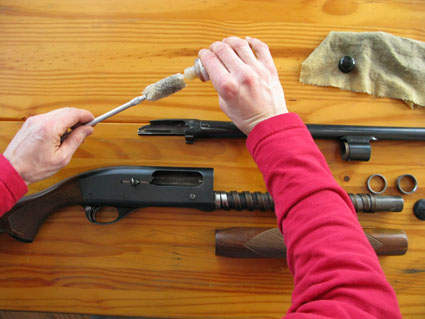
Most shotguns have a removable barrel. Check your owner’s manual for instructions. Usually, you’ll need to:
- Open the action.
- Remove the fore-end (the part under the barrel).
- Slide out the barrel gently.
Lay each part on your cleaning mat in the order you removed them. This helps you remember how to reassemble later.
3. Prepare The Barrel
Hold the barrel upright. Place a cleaning patch soaked with gun solvent on the patch holder or jag. Push it through the barrel from the chamber end. This coats the inside with solvent and starts breaking down fouling.
Let the solvent sit for about 5–10 minutes. This “soak time” is important—don’t rush it. It softens stubborn residue so it’s easier to remove.
4. Scrub The Barrel With A Bore Brush
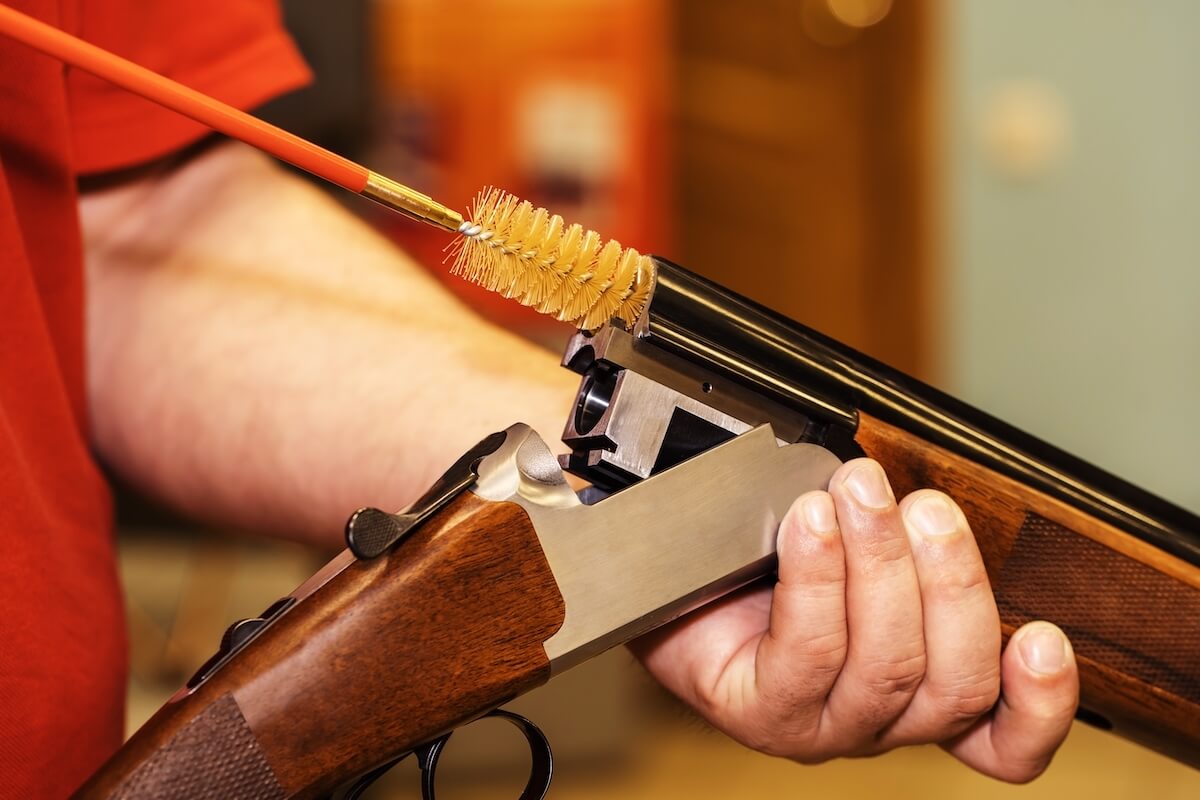
Attach the bore brush to your cleaning rod. Run the brush through the barrel several times (usually 8–10 passes). Always go from the chamber to the muzzle. This avoids pushing dirt deeper into the action.
Rotate the brush as you push. This scrubbing loosens lead, plastic, and powder residue. Replace the brush if it becomes very worn or bent.
5. Remove Loosened Fouling
Switch back to a clean patch on your rod. Push it through the barrel. Check the patch—if it comes out dirty, repeat this step with new patches until one comes out clean. This might take 3–7 patches, depending on how dirty the barrel is.
6. Optional: Use A Bore Snake
For a quick clean, pull a bore snake through the barrel. Add a few drops of solvent to the snake first. This is a great step for field cleaning or after shooting a small number of shells.
7. Inspect The Barrel
Hold the barrel up to the light. Look through it from the chamber end. A clean barrel should look bright and mirror-like, with no dark spots or streaks. If you see residue, repeat steps 3–5.
8. Apply Gun Oil
Once the barrel is clean, run a lightly oiled patch through it. This leaves a thin protective layer. Don’t soak the barrel—too much oil can attract dust and cause problems. Just a light film is enough.
9. Wipe The Barrel’s Exterior
Use a clean cloth with a drop of gun oil to wipe the outside of the barrel. This prevents rust from moisture and fingerprints.
10. Reassemble And Final Check
Carefully reassemble your shotgun in the reverse order you took it apart. Cycle the action to ensure everything works smoothly. Store your shotgun in a dry, safe place.
Common Mistakes To Avoid
Even experienced shooters make cleaning errors. Here are two non-obvious things beginners often miss:
- Skipping the soak time: Letting solvent sit is not wasted time. It makes scrubbing much easier and prevents scratching.
- Using the wrong gauge tools: A 20-gauge brush in a 12-gauge barrel will miss fouling. Always match your tools to your shotgun’s gauge.
Other mistakes include:
- Over-oiling, which attracts dust.
- Using dirty or worn brushes, which can scratch the barrel.
- Forgetting to clean after shooting non-toxic shells (like steel or bismuth). These can still cause fouling and rust.
How Often Should You Clean Your Shotgun Barrel?
The answer depends on how often you shoot and the conditions. As a rule of thumb:
- After each shooting session: Always clean the barrel.
- If stored long-term: Clean and oil before and after storage.
- In wet or humid weather: Clean immediately to prevent rust.
Competitive shooters often clean after every round. Hunters might clean more often in muddy or rainy conditions.
Here’s a quick look at cleaning frequency for different users:
| User Type | Shooting Frequency | Recommended Cleaning |
|---|---|---|
| Casual shooter | Monthly or less | After each session |
| Competitive shooter | Weekly or more | After every use |
| Hunter | Seasonally | After every trip, before storage |
Extra Tips For The Best Results
- Use a bore light to check for fouling you might miss with the naked eye.
- Store your cleaning gear in a dedicated box—this keeps everything handy and prevents lost tools.
- If your shotgun has removable chokes, clean and oil them too. Dirty chokes can affect pattern and accuracy.
- Never use steel brushes—they can scratch and ruin the barrel’s finish. Stick to bronze or nylon.
- Clean in a well-ventilated area. Solvent fumes can be strong and unpleasant.
- If you shoot black powder or reload your own shells, clean more often. These produce more residue.
Many shooters overlook the value of inspecting the barrel’s crown (the muzzle end). Damage here can hurt accuracy. Wipe and check this spot every time you clean.

What About Stainless Steel Barrels?
Some people think stainless steel barrels don’t need cleaning. This isn’t true. Stainless steel resists rust better than blued steel, but it still collects fouling and can pit if left dirty. Clean stainless barrels just as you would any other.
Here’s a simple comparison between blued and stainless barrels:
| Barrel Type | Rust Resistance | Cleaning Needs |
|---|---|---|
| Blued steel | Moderate | Frequent, careful oiling |
| Stainless steel | High | Still requires regular cleaning |
Storing Your Shotgun After Cleaning
After cleaning, store your shotgun in a dry, cool place. Use a gun sock or case to protect it from dust. If you live in a humid area, consider using a dehumidifier or silica gel packs in your safe. Never store a shotgun in a soft case long-term—these can trap moisture and cause rust.
Frequently Asked Questions
How Long Does It Take To Clean A Shotgun Barrel?
Cleaning usually takes about 20–30 minutes, depending on how dirty the barrel is. With practice, you can do a basic clean in 10–15 minutes. Deep cleaning after heavy use may take longer.
Can I Use Household Products Instead Of Gun Solvent?
It’s not recommended. Household cleaners may damage the barrel’s finish or leave residues that attract dirt. Always use cleaners made for firearms, like Hoppe’s No. 9 or Ballistol. For more on safe cleaning products, visit the Wikipedia: Gun Cleaning page.
What If I Forget To Clean My Shotgun After Shooting?
If you forget once, clean it as soon as possible. Leaving residue for days or weeks can cause rust and pitting. If you shoot often, make a habit of cleaning right after each session.
Do I Need To Clean The Barrel If I Only Shot A Few Shells?
Yes. Even a few shots leave residue and moisture that can cause damage. Quick cleaning takes only a few minutes and prevents long-term problems.
How Do I Know When The Barrel Is Really Clean?
Look through the barrel in good light. It should look bright, with no dark streaks or specks. Run a clean patch through—if it comes out spotless, you’re done. If not, repeat the cleaning steps until it does.
Keeping your shotgun barrel clean is one of the simplest ways to protect your investment, improve performance, and ensure safety. With the right tools, a little patience, and regular care, you’ll enjoy smoother shooting and a shotgun that lasts for generations.

Leave a Reply