
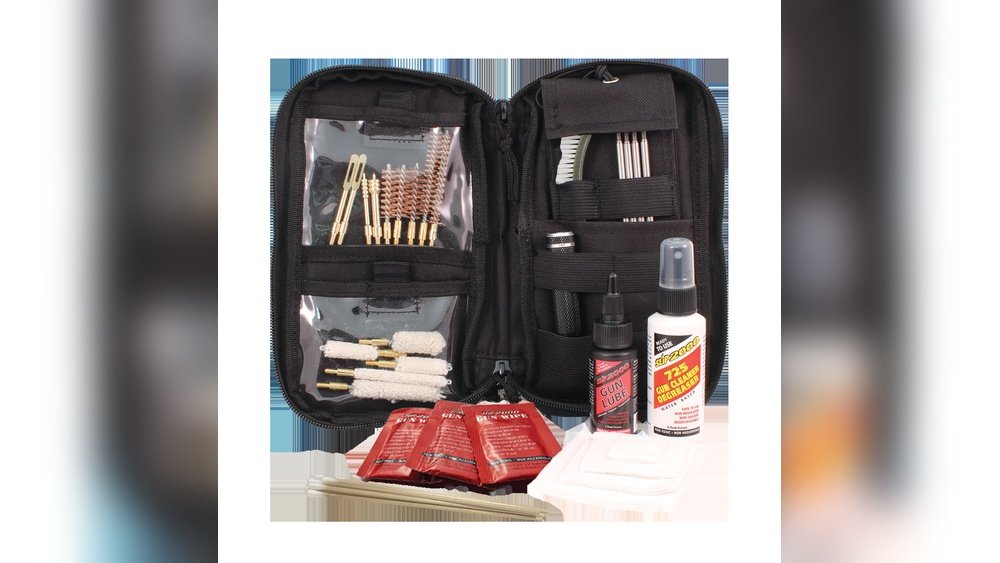
Cleaning a gun is important for safety, performance, and longevity. Many people believe they need a special cleaning kit, but what if you do not have one? You can still keep your firearm in top shape using common items found at home. This guide will show you, step-by-step, how to clean a gun without a cleaning kit. Even if you are new to firearms, you can follow these simple instructions and avoid common mistakes.
Why Cleaning Matters
Every time you fire your gun, powder residue and debris build up inside. Over time, this can cause poor accuracy, jams, or even dangerous malfunctions. Dust, moisture, and fingerprints also lead to rust and corrosion. Proper cleaning helps your gun last longer and stay reliable. Regular maintenance also helps you find small problems before they become big ones.
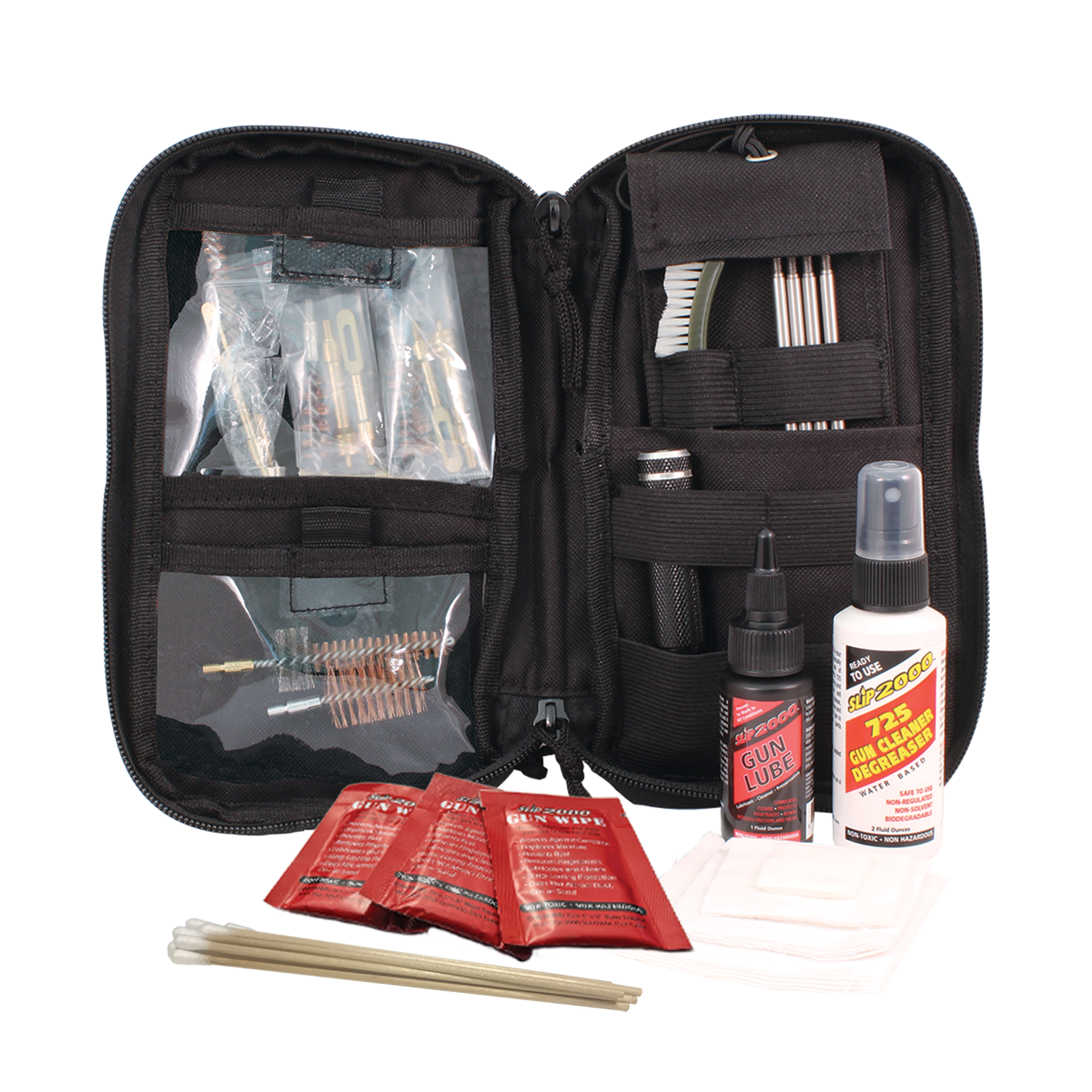
What You Need Instead Of A Cleaning Kit
You do not need special tools to clean a gun. Many household items work well. Here are some good alternatives:
- Old toothbrush or a small paintbrush (for scrubbing)
- Wooden chopsticks or skewers (for reaching tight places)
- Soft rags or old t-shirts (for wiping and drying)
- Cotton swabs (for nooks and crannies)
- Drinking straws (for blowing out dust)
- Nail clippers or tweezers (for picking out debris)
- Engine oil, sewing machine oil, or WD-40 (as a gun oil substitute)
- Rubbing alcohol or window cleaner (as a solvent)
- Toothpicks (for small gaps)
- Paper towels (for catching dirt)
Before you start, make sure your gun is unloaded. Double-check the chamber and magazine. Safety always comes first.
Step-by-step Gun Cleaning Without A Kit
Cleaning your gun does not need to be complicated. Follow these steps for a complete clean:
1. Disassemble The Gun
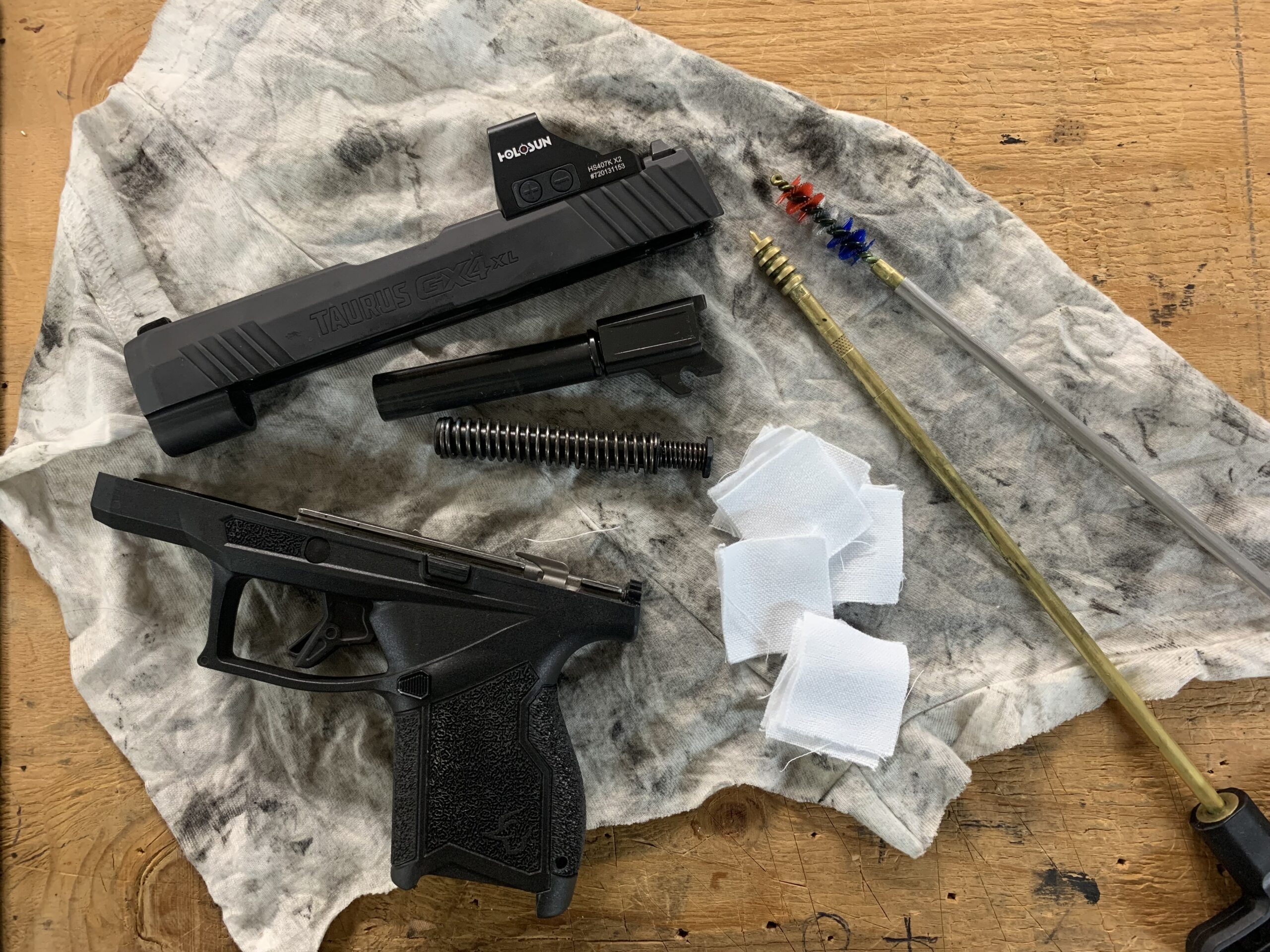
Take the gun apart as much as the manufacturer recommends. Usually, this means removing the slide or barrel from the frame. If you are not sure, check your manual online or look for videos about your model.
2. Wipe Down Major Parts
Use a soft rag or paper towel to wipe dirt, oil, and residue from each part. Focus on the barrel, slide, and frame. This removes loose grit so you do not rub it deeper later.
3. Clean The Barrel
The barrel is the most important part to clean. Here is an easy way:
- Twist a small piece of cloth around a chopstick or straw.
- Dip it in rubbing alcohol or window cleaner.
- Push it all the way through the barrel several times.
- Repeat with a dry cloth to soak up the liquid and dirt.
Do this until the cloth comes out clean. You may need to use several pieces of cloth.
4. Scrub Small Crevices
Use a toothbrush or small paintbrush to scrub the slide rails, trigger area, and other tight spots. For very small gaps, a toothpick or cotton swab works well. Be gentle to avoid scratching.
5. Remove Stubborn Gunk
If you see sticky residue, use a little rubbing alcohol on a cotton swab. Let it sit for a minute, then wipe away. For tough carbon, a wooden toothpick can scrape it off without damaging the metal.
6. Dry All Parts
Moisture can cause rust. Dry every part with a clean, dry cloth or paper towel. Blow out dust and liquid from hard-to-reach places using a straw.
7. Lubricate Moving Parts
A little oil is enough. Dip a cotton swab in engine oil, sewing machine oil, or WD-40. Wipe it over the slide rails, barrel, and any place with metal-on-metal contact. Do not over-oil—too much attracts dirt.
8. Reassemble And Wipe Down
Put your gun back together. Wipe the outside with a soft, slightly oiled cloth. This leaves a thin, protective layer.
Comparing Household Substitutes To Standard Gun Cleaning Tools
Some household items work almost as well as real cleaning tools, but not all substitutes are equal. This side-by-side look helps you choose the best options.
| Cleaning Step | Standard Tool | Household Substitute | Effectiveness |
|---|---|---|---|
| Brushing | Bore brush | Toothbrush | Good for light cleaning |
| Pushing patches | Cleaning rod + patches | Chopstick + cloth | Very effective if used carefully |
| Solvent | Gun solvent | Rubbing alcohol | Good for most residue |
| Lubrication | Gun oil | Engine oil, WD-40 | Effective, but use sparingly |
Common Mistakes When Cleaning Without A Kit
Many beginners make errors that can damage their gun or make cleaning harder. Here are the most common:
- Using too much oil – This attracts dust and can gum up the gun.
- Skipping drying – Any leftover water or cleaner can cause rust.
- Using metal objects – Avoid steel brushes, knives, or screwdrivers. They scratch the finish.
- Forgetting safety – Always check if the gun is unloaded before starting.
- Not cleaning regularly – Even if you do not shoot often, clean your gun every few months.
How Often Should You Clean Your Gun?
Frequency depends on how much you shoot and your environment. Here is a quick guide:
| Usage Level | Cleaning Needed |
|---|---|
| After every range visit | Full clean |
| Monthly (if not used) | Quick wipe and oil |
| After exposure to rain or dust | Full clean and dry |
Two Key Insights Most Beginners Miss
First, household oils like WD-40 or sewing machine oil work, but they do not protect against rust as long as gun oil does. Always wipe away extra oil and plan to get real gun oil soon.
Second, cleaning is also inspection. When you clean, look for cracks, rust spots, or loose screws. Fixing these early prevents bigger problems later.
Real-world Example
Mark, a first-time gun owner, cleaned his pistol with only a toothbrush, paper towels, and sewing machine oil. He found that taking his time and using gentle pressure made the process easy. A week later, his gun worked smoothly at the range, showing that even without a kit, proper cleaning pays off.
When To Buy A Real Kit
Homemade cleaning works well in a pinch, but if you use your gun often, invest in a proper kit. Dedicated tools make cleaning faster and more thorough. Kits are affordable and last for years. You can find guides and reviews at sites like the National Rifle Association.
Frequently Asked Questions
Can I Use Wd-40 To Clean My Gun?
WD-40 can clean and lubricate in an emergency, but it is not a long-term solution. It can attract dust if not wiped off and does not prevent rust as well as gun oil.
Is It Safe To Use Rubbing Alcohol On Gun Parts?
Yes, rubbing alcohol works well to remove powder and grease. Be sure to dry all parts well after use to prevent rust.
How Often Should I Clean My Gun If I Do Not Shoot It?
If your gun is stored and unused, clean and oil it every 1-3 months. This protects against dust and humidity.
What Should I Avoid When Cleaning Without A Kit?
Avoid using metal brushes, kitchen knives, or harsh chemicals. These can scratch or damage your firearm. Stick to soft rags, wooden tools, and gentle cleaners.
Do I Need To Remove All Oil After Cleaning?
No, leave a thin layer of oil on moving parts and the outside surface. This prevents rust and keeps your gun ready to use.
Cleaning a gun without a kit is possible and safe if you use the right household items and follow the correct steps. Regular care keeps your firearm reliable and extends its life, even if you do not have special tools.

Leave a Reply