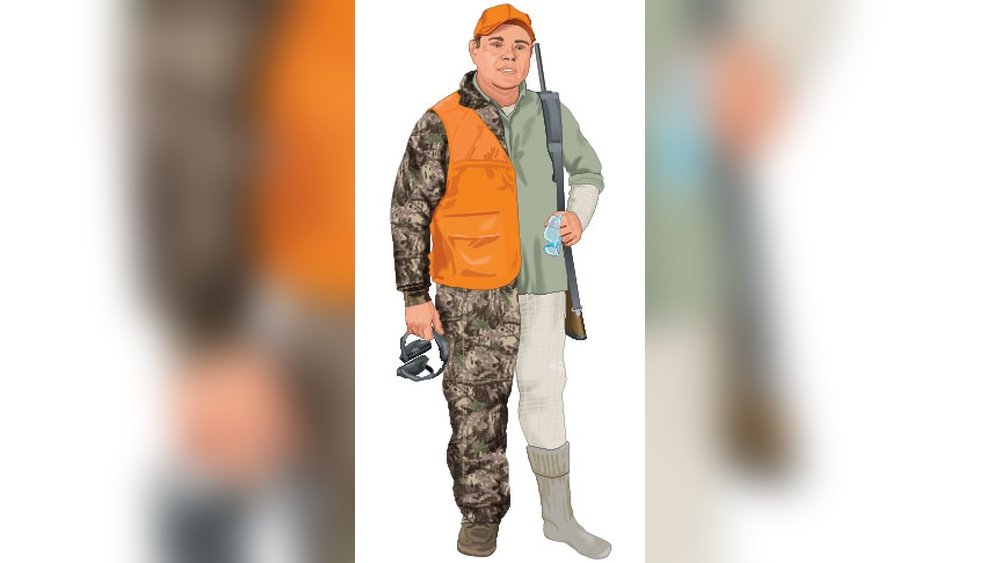
Choosing the right clothes for a hunting trip can make a big difference in your comfort, safety, and success. Many new hunters focus only on buying a good weapon or choosing a location, but they often forget about clothing. The right outfit helps you stay safe in tough weather, keeps you hidden from animals, and lets you move easily through the woods or fields.
This article shares everything you need to know to pick the best clothes for your next hunt—whether you’re a beginner or have some experience.
Key Factors When Selecting Hunting Clothes
Picking hunting clothes is not just about style or personal taste. Several important factors decide what works best.
Weather is the first thing to consider. A hot summer hunt in open fields needs different clothes than a winter hunt in snowy woods. Always check the forecast before you pack.
Terrain is next. Are you hunting in a swamp, mountain, forest, or grassland? Each place has unique challenges. For example, thick forests need more protection from branches, while open fields require better camouflage.
Type of Hunt matters, too. Deer hunting often means sitting still for hours, so you need warm, quiet clothes. Bird hunting may involve lots of walking, so lighter, breathable gear is better.
Personal comfort should not be ignored. Ill-fitting clothes can cause blisters, chafing, or even ruin your trip.
Budget plays a role, but you don’t need the most expensive gear. Sometimes, mid-range brands offer good value.
The Layering System: Why It Matters
Wearing several layers instead of one thick jacket keeps you comfortable in changing weather. Layers allow you to adjust quickly if you get too warm or cold.
| Layer | Main Function | Best Materials |
|---|---|---|
| Base Layer | Moisture Control | Merino wool, synthetic blends |
| Mid Layer | Insulation | Fleece, down, wool |
| Outer Layer | Weather Protection | Waterproof/breathable fabric |
A common mistake is wearing cotton as a base layer. Cotton holds sweat and dries slowly, which makes you feel cold. Choose synthetic or merino wool for the base. For insulation, fleece is warm and light. The outer layer should block wind and rain.
Picking The Right Camouflage
Camouflage is more than just green and brown patterns. The best camo depends on your hunting environment. If your clothes match the surroundings, animals will have a harder time seeing you.
There are many patterns, such as:
- Woodland: For forests with lots of trees and leaves
- Brush: For dry grass or bushes
- Snow: For snowy landscapes
- Open terrain: For plains and fields
If you are hunting in public areas, check local laws. Some places require wearing blaze orange for safety, so other hunters can see you.
Choosing Clothes For Different Weather Conditions
Cold Weather Hunting
Staying warm is crucial. Hypothermia is a real risk if you get wet and cold.
- Wear a thick base layer to wick sweat away
- Add a wool or fleece mid-layer for warmth
- Use a waterproof, windproof outer layer
- Bring insulated gloves and a warm hat
- Wear thermal socks and waterproof boots
Pro tip: Avoid sweating too much by removing a layer before hiking. Add it back when you stop moving.
Hot Weather Hunting
Overheating and sunburn are common problems in warm weather.
- Choose lightweight, breathable fabrics
- Wear long sleeves and pants for sun and insect protection
- Use a wide-brim hat for shade
- Pick light-colored camo if hunting in open areas
Wet Or Rainy Conditions
Getting wet can quickly ruin a hunt.
- Wear a waterproof jacket and pants
- Use gaiters to keep water and mud out of your boots
- Pack an extra pair of dry socks
Non-obvious insight: Ventilation zippers under the arms or on pants help release heat without letting water in.
Boots: The Foundation Of Your Outfit
Many hunters overlook footwear. Your boots must match the season and terrain.
| Type of Boot | Best Use | Main Benefit |
|---|---|---|
| Rubber boots | Wet/swampy ground | Waterproof, easy to clean |
| Insulated boots | Cold weather | Keeps feet warm |
| Hiking boots | Rough terrain | Good ankle support |
Make sure your boots fit well, with enough space for thick socks. Break them in before your trip to prevent blisters.
Accessories That Make A Difference
Small items can greatly improve your comfort and success.
- Gloves: Protect hands from cold, thorns, and bites. Some have special fingertips for using phones or GPS.
- Hats: Keep your head warm, or shield you from the sun. A beanie for winter, a cap for summer.
- Gaiters: Keep mud, water, and ticks out of your boots.
- Face masks or balaclavas: Good for both cold and extra camouflage.
- Socks: Use wool or synthetic for warmth and quick drying. Bring an extra pair.
Non-obvious insight: Tuck your pants into your socks or boots in tick-heavy areas for extra protection.
Quietness: Move Without Being Heard
Animals often hear you before they see you. Choose clothing made from quiet fabrics like fleece or brushed cotton. Avoid stiff, noisy jackets or pants, especially in dry leaves.
Test your clothes at home—move, squat, and walk. If you hear rustling, animals will too. Some brands now make “silent” hunting gear.
Scent Control: Stay Hidden From Animal Noses
Many animals, like deer, have a strong sense of smell. Even the best camo won’t help if they catch your scent.
- Wash clothes with scent-free detergent
- Store hunting clothes in a sealed bag after washing
- Change into hunting clothes at the location, not at home
- Avoid cologne, scented soap, or deodorant
Some hunters use special scent-blocking sprays, but the basics above are most important.
Women’s And Youth Hunting Clothes: Special Considerations
Hunting clothes for women and youth have improved a lot in recent years. In the past, many had to wear men’s sizes, which often fit poorly.
Now, several companies design gear for different body shapes and sizes. Look for:
- Adjustable waistbands and sleeves
- Lighter weight and better fit for smaller frames
- Bright safety colors in smaller sizes
Pro tip: Never buy “grow-into” sizes for kids. Loose clothes can catch on branches or make it harder to move.
Safety Features
Safety is as important as comfort. Blaze orange vests or hats are required in many areas, especially during rifle season. This color stands out to humans but is hard for most animals to see.
Reflective strips can help in low light, especially if you are hunting with a group.
Do not skip safety gear. Many accidents happen because a hunter was hard to see.
Packing For Multi-day Hunts
If your trip lasts more than one day, pack extra clothes. Wet or dirty clothes can cause skin problems and make you miserable.
- Pack at least two base layers and socks per day
- Bring a spare mid-layer in case one gets wet
- Dry clothes at night if possible
Use a waterproof bag to keep things dry.
Mistakes To Avoid When Choosing Hunting Clothes
Many beginners repeat the same errors:
- Wearing jeans or cotton shirts (poor in wet or cold)
- Choosing fashion over function
- Ignoring the importance of layers
- Not breaking in boots before the trip
- Skipping safety colors when required
Always test your full outfit before the trip. Walk, squat, and climb to make sure everything fits and works together.

Comparing Popular Hunting Clothing Brands
Several brands are trusted by experienced hunters. Here’s how some compare on key points:
| Brand | Price Range | Durability | Fit Variety |
|---|---|---|---|
| Sitka | High | Very Durable | Wide (men, women, youth) |
| Under Armour | Medium | Durable | Wide |
| RedHead | Low–Medium | Good | Medium |
| Kryptek | Medium–High | Very Durable | Medium |
Don’t pick a brand only because others use it. Focus on fit, comfort, and your budget.
Environmental Responsibility
Many new hunters do not think about the impact of their gear. Some brands now use recycled materials or eco-friendly processes. If this matters to you, check the company’s website for details.
For more about how hunting gear and wildlife conservation connect, see the Wikipedia Hunting page.

Frequently Asked Questions
How Many Layers Should I Wear For A Hunting Trip?
Most hunters wear three layers: base, mid, and outer. In mild weather, two layers may be enough. Always pack an extra layer for emergencies.
What Should I Do If My Clothes Get Wet During Hunting?
Change into dry clothes as soon as possible. Carry a spare base layer and socks. Wet clothes can cause hypothermia and blisters, even in mild weather.
Do I Need To Buy Camo For Every Season?
Not always. Some patterns work year-round. However, snow camo is helpful in winter, and lighter colors are best for dry, open areas in summer.
Is Blaze Orange Really Necessary?
Yes, in many areas it is the law for safety. Even if not required, wearing blaze orange reduces the risk of accidents.
Can I Use Regular Hiking Clothes For Hunting?
Some hiking clothes work, especially for short or fair-weather hunts. But hunting gear is often quieter, more durable, and designed for better camouflage.
Choosing hunting clothes is not just about buying what looks good. It is about staying safe, comfortable, and hidden. Think about your location, weather, and type of hunt. Try your full outfit before the trip. The right clothes can make your hunt successful and enjoyable.

Leave a Reply