
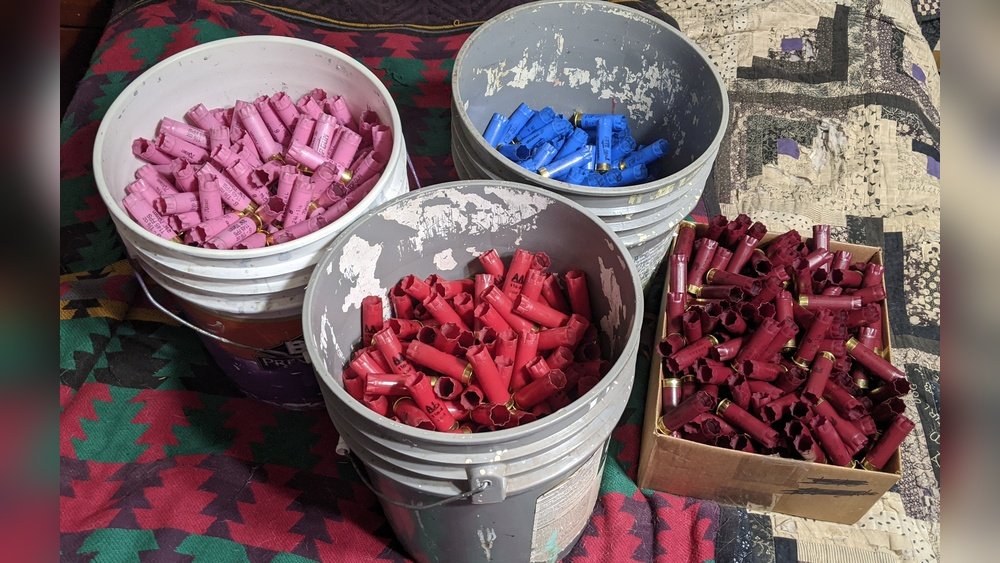
Reloading shotgun shells is a time-honored skill for many shooters, hunters, and sport shooters. It saves money, allows for custom loads, and gives a deeper understanding of your ammunition. But one question often comes up: How many times can you reload a shotgun shell? The answer is not as simple as a single number. Many factors affect shell life, and knowing them can help you reload safely, efficiently, and economically. This article explores those factors, shares expert advice, and gives practical tips to maximize the life of your shotgun hulls.
What Happens During Shotgun Shell Reloading?
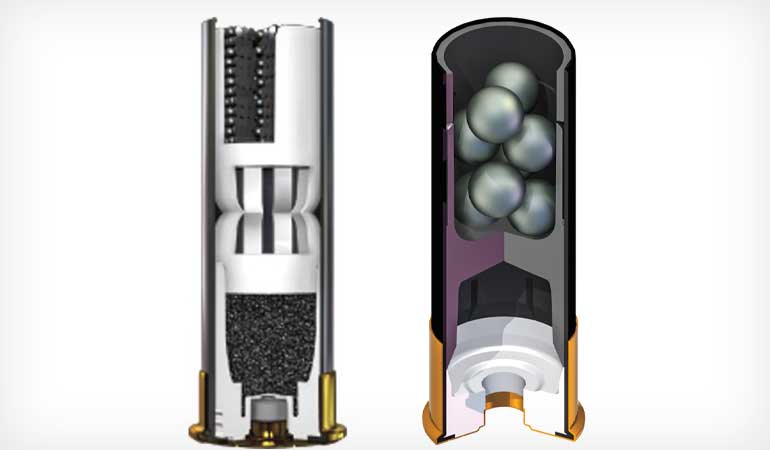
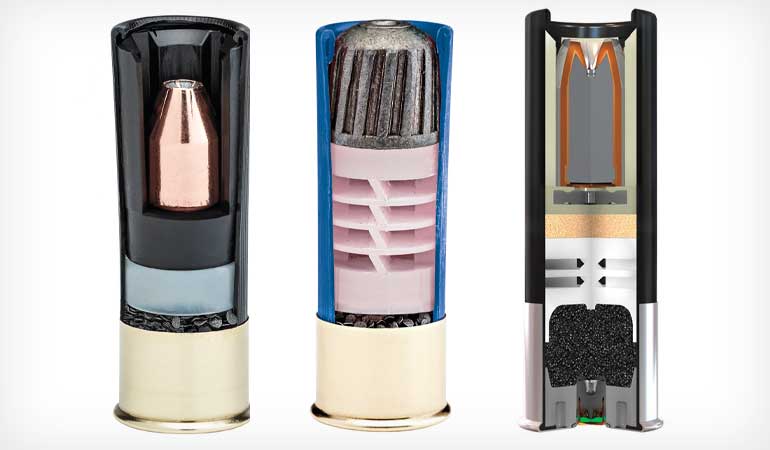
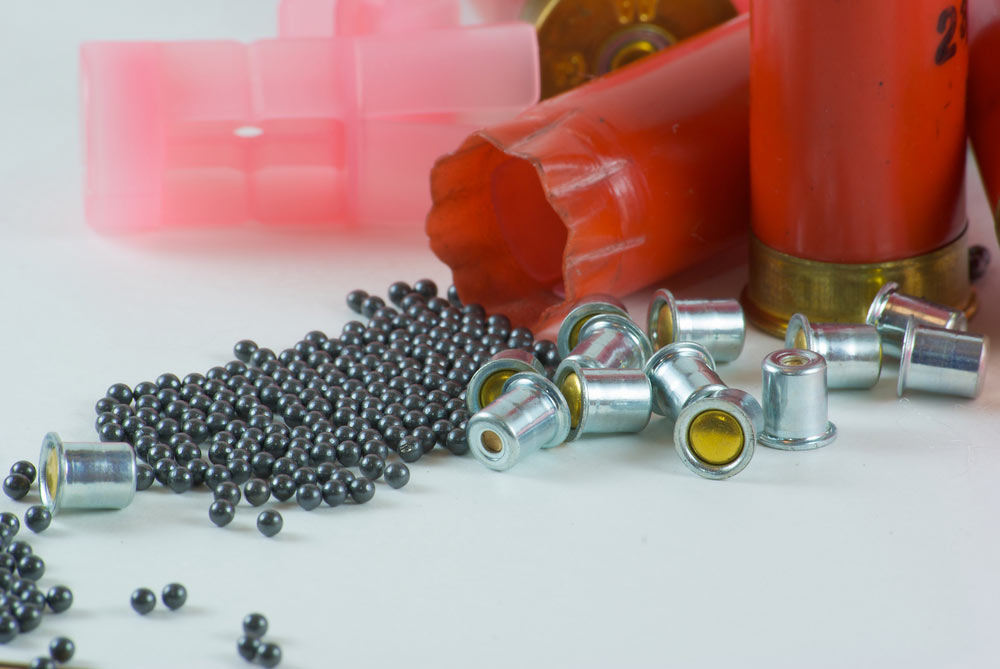
Before digging into how many times you can reload, it’s important to know what happens to a shell each time you reload it. A typical shotgun shell is made of a plastic hull, a brass base, a primer, a wad, and the shot or slug. When you fire, the primer ignites the powder, the wad pushes the shot out, and the shell expands under pressure. Reloading means replacing the primer, powder, wad, and shot, while reusing the hull and brass base.
Each reload puts stress on the shell. The crimp (folded part at the top) is opened and closed, the base may expand or deform, and the plastic hull weakens over time. How well you care for your shells, and the type and power of your loads, play a big role in hull life.
Factors That Affect How Many Times You Can Reload A Shell
No two reloaders get the exact same number of reloads from their shells. Here are the biggest factors that affect reload life:
1. Brand And Quality Of Hulls
Not all shotgun shells are created equal. Some brands are known for tough, reload-friendly hulls, while others are best for single use.
- Premium hulls (like Remington STS, Winchester AA, Federal Gold Medal) can often be reloaded 5 to 10 times or more.
- Economy or promotional hulls (like Winchester Universal, Remington Gun Club) may only last 1 to 3 reloads.
Premium hulls use thicker, more flexible plastic that resists splitting and deformation. Cheaper hulls use thinner plastic that cracks or burns through quickly.
2. Gauge Size
The shell’s gauge also matters. 12 gauge hulls are most common and usually last longer because they’re thicker and more durable. Smaller gauges, like 20 gauge or 28 gauge, have thinner walls and may split or wear out faster.
3. Reloading Technique
Your reloading process can extend or shorten hull life. Consistent, gentle resizing, proper crimping, and using the right tools are key.
- Over-crimping or misaligned crimps stress the hull and can cause cracks.
- Rough resizing can deform the brass base or crush the plastic.
Reloaders who adjust their machines for a smooth, gentle process get more reloads from each hull.
4. Type Of Load Used
High-pressure or heavy loads break down shells faster. Light target loads, with less powder and shot, are easier on the hull.
- Light target loads: Lower pressure, less wear, more reloads.
- Heavy hunting/magnum loads: Higher pressure, more hull stress, fewer reloads.
5. Condition And Care Of Hulls
How you handle, store, and clean your hulls makes a difference. Wet, dirty, or sun-baked hulls wear out fast. Keeping hulls dry and clean, and inspecting them before each reload, can add extra reloads.
Pro tip: Avoid picking up hulls from wet ground or leaving them in direct sunlight.
6. Signs Of Wear And Damage
Experienced reloaders know when to retire a shell. Watch for these signs:
- Cracks at the mouth or body
- Burn-through marks near the base
- Loose or deformed primers
- Swollen or split brass bases
If you spot any of these, it’s best to discard the hull.
Typical Reload Life By Hull Type
Here’s a comparison of common hull types and their expected reload life under typical conditions:
| Hull Type | Typical Reloads | Notes |
|---|---|---|
| Remington STS/Nitro | 8-12 | Premium, thick plastic, durable crimps |
| Winchester AA (new style) | 5-10 | Modern design, good for multiple reloads |
| Federal Gold Medal | 6-10 | Consistent quality, holds up well |
| Remington Gun Club | 3-6 | Economy hull, decent for target loads |
| Winchester Universal/Super Target | 1-3 | Budget hull, thin plastic, short life |
These numbers are averages. Some careful reloaders get more, others less, depending on the factors above.
Best Practices To Maximize Shell Life
You can get more reloads from your shotgun shells by following some proven tips:
1. Use Quality Hulls
Start with premium hulls if you want maximum reloads. They’re more expensive up front, but you save money over time.
2. Match Loads To Hulls
Avoid using magnum or very heavy loads in shells you want to reload many times. Stick to target loads for practice, and save new shells for hunting.
3. Inspect Hulls Carefully
Always check for cracks, splits, or burned-through spots before and after reloading. Discard damaged hulls immediately to avoid unsafe reloads.
4. Keep Reloading Equipment Clean And Adjusted
A well-maintained reloader does less damage to shells. Wipe down dies, clean out residue, and check settings often.
5. Store Hulls Properly
Keep hulls in a dry, cool place away from direct sunlight. Moisture and heat break down plastic and brass faster than use alone.
6. Rotate Your Stock
Don’t keep reloading the same few shells over and over. If you have a large batch, mix them up, so wear is spread out.
Real-world Examples And Data
To see how these factors play out, here’s a look at two real-world scenarios from experienced reloaders:
Scenario 1: The Careful Target Shooter
- Uses only Remington STS hulls
- Loads light 1-ounce target loads
- Inspects hulls every reload
- Maintains reloading press regularly
Result: Many hulls last 10–12 reloads before showing signs of fatigue.
Scenario 2: The Bulk Hunter
- Uses mixed hulls, including budget brands
- Loads heavy 1¼-ounce hunting loads
- Reloads quickly, little inspection
- Stores hulls in a shed exposed to heat
Result: Most hulls fail after 2–4 reloads, with many showing splits or base swelling.
These examples show how much technique and care matter.
When Should You Retire A Shotgun Shell?
Even the best hulls reach a point where they’re no longer safe. Here’s what to look for:
| Problem | What It Means | Action |
|---|---|---|
| Cracked mouth or body | Plastic has weakened | Discard immediately |
| Burn-through at base | Pressure breach, unsafe | Discard immediately |
| Loose primer pocket | Brass stretched, won’t hold primer | Discard hull |
| Deformed brass base | May cause feeding/extraction issues | Discard hull |
| Weak or soft crimp | Won’t hold shot, poor ignition | Consider retiring hull |
Never try to “push your luck” with a hull showing these signs. Safety always comes first.
Common Mistakes Beginners Make
Reloading shotgun shells is a skill that improves with practice. Here are two mistakes many new reloaders make:
- Trying to Reload All Hulls Equally: Not all shells have the same lifespan. Trying to reload cheap, thin hulls too many times can cause splits, poor crimps, or dangerous failures.
- Ignoring Small Cracks or Wear: Early signs of damage are easy to miss. Even small cracks can lead to unsafe reloads or jams in your gun.
If you’re new, start with well-known hulls, keep detailed notes, and ask experienced reloaders for advice.
How Reloaded Shells Compare To New Shells
Some shooters wonder if reloading is worth it compared to buying new shells. Here’s a quick comparison:
| Factor | New Shells | Reloaded Shells |
|---|---|---|
| Cost | Higher per shell | Lower after initial setup |
| Custom Loads | Limited options | Fully customizable |
| Hull Quality | Always new | Depends on hull, can wear out |
| Safety | Factory tested | Depends on care and skill |
| Environmental Impact | More waste | Less waste, more recycling |
Reloading gives more control and saves money, but only if you follow safety rules and use good hulls.
Non-obvious Insights Most Beginners Miss
1. Hull Color and Markings Matter: Some reloaders mix hulls of similar color but different brand or design. This can lead to loading errors. Always sort by brand and type, not just color.
2. Crimp Memory: Premium hulls “remember” their crimp shape. Over time, crimps can get weak or uneven, which affects burn rate and accuracy. Watching crimp quality is just as important as watching for cracks.
How To Track The Number Of Reloads
Many shooters lose track of how many times a hull has been reloaded. Here are two simple methods:
- Mark the Brass: Use a permanent marker to make a small dot or line on the brass each time you reload.
- Sort by Box: Keep hulls in boxes or bags labeled with the number of reloads.
Tracking helps you retire hulls before they become unsafe.
Is There A Maximum Safe Number?
There is no official maximum number of reloads. Most reloaders find 5 to 10 reloads with premium hulls is safe if you inspect each shell carefully. The key is to look for damage, not just count reloads.
If in doubt, it’s safer to discard a hull early than risk a dangerous malfunction.
Frequently Asked Questions
How Many Times Can You Reload A 12 Gauge Shotgun Shell?
With quality hulls like Remington STS or Winchester AA, you can usually reload a 12 gauge shell 5 to 10 times, sometimes more. Cheap hulls may only last 1–3 times. Always inspect for cracks or damage before each reload.
Does The Type Of Powder Affect Hull Life?
Yes. Slower-burning powders and light loads put less stress on hulls, giving more reloads. High-pressure or magnum powders shorten shell life. Always follow safe load data from reliable sources.
Is It Safe To Reload Shotgun Shells Multiple Times?
It is safe if you inspect each hull for damage and retire them when you see cracks, burn-through, or loose primers. Never reload a shell that looks worn or unsafe.
Can You Reload Spent Primers In Shotgun Shells?
No. Primers are single-use only. Each reload, you must replace the primer. Trying to reuse spent primers is unsafe and can cause misfires.
Where Can I Find Official Reloading Data?
For tested, safe recipes and advice, use the Hodgdon Reloading Data Center or manuals from powder manufacturers. Also, see Wikipedia: Shotgun Shell for technical details.
Reloading shotgun shells is a rewarding, money-saving hobby—if you do it right. Know your hulls, inspect them each time, and never cut corners on safety. With care and attention, you can get many reloads from each shell and enjoy the satisfaction of making your own ammunition.

Leave a Reply