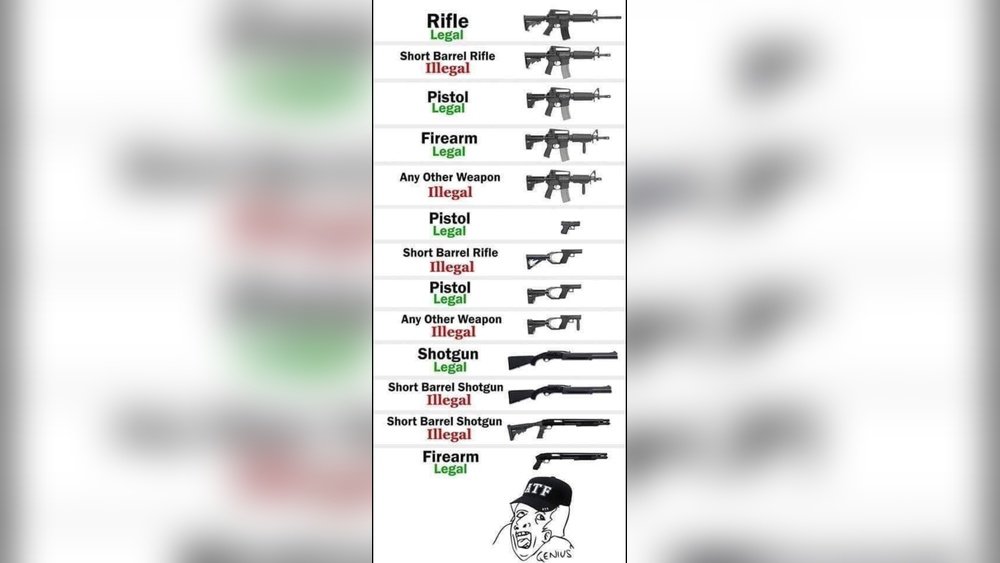
Many people are surprised to learn that the length of a rifle barrel can affect not only how the gun shoots, but also its legality. If you’re considering buying, building, or modifying a rifle, understanding barrel length laws is essential.
These rules are not just technical details—they can mean the difference between owning a legal firearm and facing serious trouble. Let’s explore how long a rifle barrel has to be, why it matters, and what you need to know to stay safe and legal.
Minimum Legal Rifle Barrel Length
In the United States, the minimum legal barrel length for a rifle is 16 inches. This rule comes from the National Firearms Act (NFA) of 1934. According to federal law, if a rifle has a barrel shorter than 16 inches, it is classified as a Short-Barreled Rifle (SBR). SBRs are subject to strict regulations, including registration, extra taxes, and background checks.
Barrel length is measured from the closed bolt or firing pin to the end of the muzzle, not including removable attachments like muzzle brakes or flash suppressors. This measurement method sometimes confuses new gun owners, but it’s important for legal compliance.
Why Barrel Length Matters
Safety And Ballistics
A longer barrel generally means higher bullet velocity and greater accuracy. When the bullet travels down a longer barrel, it has more time to accelerate, leading to higher speeds and more energy on impact. Shorter barrels are lighter and easier to handle but often result in more muzzle flash, louder shots, and reduced bullet speed.
Legal Issues
Possessing a rifle with a barrel shorter than 16 inches—without proper paperwork—can lead to severe penalties. This includes fines, loss of gun rights, and even prison time. States may also have their own rules, sometimes stricter than federal law.
How To Measure A Rifle Barrel
Many people make mistakes when measuring rifle barrels. To do it correctly:
- Ensure the rifle is unloaded and safe.
- Close the bolt or action.
- Insert a cleaning rod or dowel down the barrel until it touches the bolt face.
- Mark where the rod meets the muzzle.
- Measure the marked length—this is your barrel length.
This method ensures you don’t include removable muzzle devices, which are not counted unless they are permanently attached.
Rifle Barrel Length Vs. Overall Length
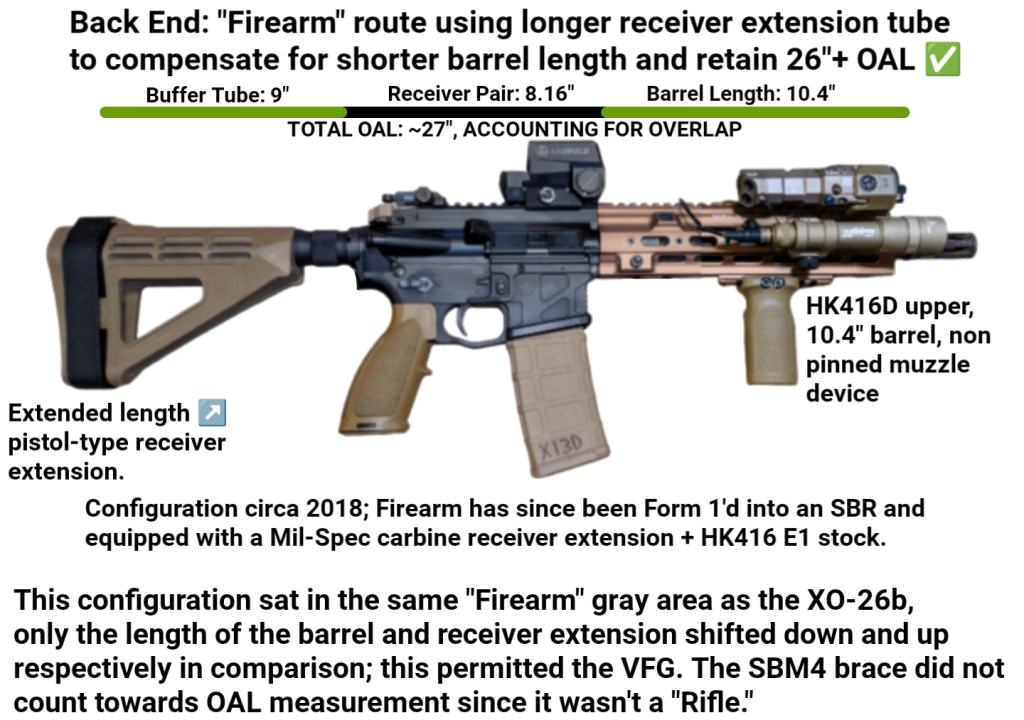
Besides barrel length, the law also sets a minimum for overall rifle length: 26 inches. If a rifle has a barrel of 16 inches but is less than 26 inches overall, it can still be considered an SBR.
Here’s a helpful comparison:
| Feature | Minimum Legal Length (inches) | What Matters? |
|---|---|---|
| Barrel Length | 16 | Bolt face to muzzle |
| Overall Length | 26 | End to end, fully extended |
If you modify your rifle by folding or collapsing the stock, always measure with the stock fully extended.
State Laws And Exceptions
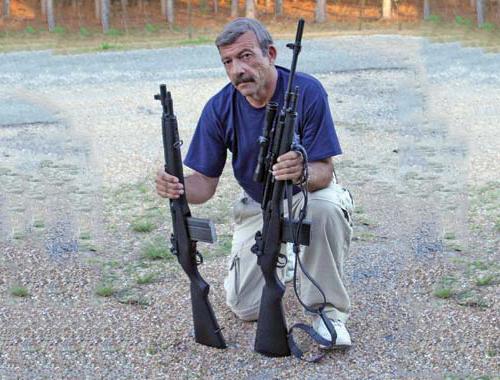
Some states have stricter rules. For example:
- California: Requires 16-inch barrels and at least 30-inch overall length for some rifles.
- New York: Follows federal barrel length law but has its own list of legal and banned models.
Always check your local laws before buying or modifying a rifle. State regulations can change often and may differ from federal law.
What Happens If A Rifle Barrel Is Too Short?
If your rifle’s barrel is shorter than 16 inches and you do not have the correct paperwork, the firearm is considered illegal. You may face:
- Seizure of the weapon
- Heavy fines (up to $10,000)
- Up to 10 years in prison
- Permanent loss of firearm rights
Making a legal SBR involves a background check, fingerprints, payment of a $200 tax, and approval from the Bureau of Alcohol, Tobacco, Firearms and Explosives (ATF). Never cut or buy a short-barreled rifle without following these steps.
Comparing Rifle Barrel Lengths: Performance And Use
Different barrel lengths have their pros and cons. Here’s a comparison of common rifle barrel lengths and what they’re best for:
| Barrel Length (inches) | Pros | Cons | Common Use |
|---|---|---|---|
| 16 | Legal minimum, compact | Less velocity, louder | Home defense, carbine |
| 18-20 | Balanced, versatile | Heavier | Hunting, target shooting |
| 22+ | High accuracy, long range | Heavier, less maneuverable | Precision shooting |
Many hunters choose barrels around 20 inches for a mix of performance and handling. Tactical shooters often prefer the legal minimum for speed and convenience.
Non-obvious Insights About Barrel Length
- The legal length includes only the barrel, not any removable attachments. If you add a muzzle device, it counts toward the legal length only if it’s permanently attached (pinned and welded).
- Some rifles come from the factory with barrels just over 16 inches. If you have a custom or imported rifle, always measure to confirm—it’s not safe to assume compliance.
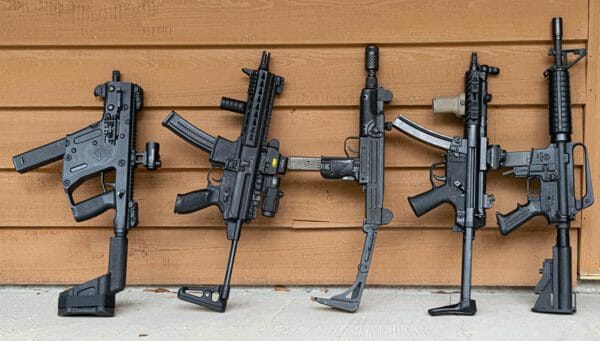
- Transporting a rifle across state lines can create issues. Some states recognize federal SBR registration, and some do not. Always check before traveling.
International Rules: A Brief Look
While this article focuses on U.S. law, other countries have different standards. For example, in Canada, the minimum legal barrel length for a non-restricted rifle is 18.5 inches. Always check local laws if you travel or move internationally with firearms.
Practical Tips For Rifle Owners
- Always measure your barrel with the action closed.
- If you want a compact rifle, consider a legal pistol version or a registered SBR.
- If modifying, have a gunsmith pin and weld muzzle devices if you need extra length.
- Keep records of any changes for your own protection.
- Don’t rely on manufacturer specs—verify for yourself.
Frequently Asked Questions
What Is The Shortest Legal Rifle Barrel Length In The United States?
The shortest legal barrel length for a rifle is 16 inches. Anything shorter without registration is considered an SBR and requires special paperwork.
Can I Add A Muzzle Brake Or Flash Hider To Reach 16 Inches?
Only if the device is permanently attached (welded or pinned) does it count toward the legal length. Otherwise, it’s not included in the measurement.
What Is The Minimum Overall Length For A Rifle?
The minimum legal overall length for a rifle is 26 inches, measured with the stock fully extended.
What Happens If My Rifle Is Below The Legal Barrel Length?
It is considered an SBR. Owning or making one without registration can lead to heavy fines, loss of gun rights, and jail time.
Do Other Countries Have Different Barrel Length Laws?
Yes, for example, Canada’s minimum for non-restricted rifles is 18.5 inches. Always check local laws before traveling with firearms. For more on U.S. gun laws, see the National Firearms Act.
Knowing the rules for rifle barrel length is more than just following the law—it’s about keeping yourself safe and responsible. Always measure carefully, check local rules, and never cut corners. Responsible gun ownership starts with knowledge.

Leave a Reply