How Far Can An Air Rifle Shoot
If you’ve ever held an air rifle, you might wonder, “How far can this really shoot?” The answer isn’t simple. Many factors affect the shooting distance of an air rifle—such as the type of air rifle, the ammunition, and even the weather. Whether you’re a beginner or have some experience, understanding these details helps you use your air rifle safely and effectively. Let’s break down what matters most and what you can expect in real-world use.
What Decides An Air Rifle’s Shooting Distance?
Air rifles don’t all shoot the same distance. Here are the main things that affect how far a pellet can go:
- Power of the Rifle: Measured in feet per second (fps) or joules, higher power usually means a longer range.
- Type of Pellet: Heavier pellets often travel less far but stay more stable, while lighter pellets can go further but may be less accurate.
- Barrel Length: Longer barrels often give more speed and distance.
- Weather Conditions: Wind, humidity, and temperature change how a pellet moves.
- Rifle Quality: Well-made rifles shoot more consistently.
Let’s look at how these factors play out in different situations.
Average Shooting Distances For Different Air Rifles
You’ll find air rifles in several types. The most common are spring-piston, CO2-powered, and pre-charged pneumatic (PCP). Each type has a typical shooting distance.
| Type | Average Max Distance (yards) | Effective Accurate Range (yards) |
|---|---|---|
| Spring-Piston | 250-400 | 30-50 |
| CO2-Powered | 150-300 | 20-40 |
| PCP | 400-600 | 50-100 |
- The maximum distance means how far a pellet can physically travel.
- The effective accurate range is how far you can shoot with good accuracy.
Most people use air rifles within 50 yards because accuracy drops quickly after that.
The Difference Between Maximum And Effective Range
It’s easy to confuse these two, but they’re not the same.
- Maximum range is the absolute furthest a pellet can go, usually when fired at an upward angle.
- Effective range is the distance where you can reliably hit a target.
For example, a high-power PCP rifle can send a pellet 600 yards, but you probably can’t hit a small target at that distance. Most hunters or target shooters stay well within the effective range.
Example: .177 Vs .22 Caliber
The .177 caliber pellet is lighter and usually travels further, but the .22 caliber hits harder and is better for hunting. Here’s a quick comparison:
| Caliber | Max Distance (yards) | Effective Range (yards) | Common Use |
|---|---|---|---|
| .177 | 375-450 | 30-50 | Target Shooting |
| .22 | 300-400 | 30-45 | Small Game Hunting |
Beginners often believe “bigger caliber means longer distance. ” This isn’t true—pellet weight and shape matter more than size.
How Velocity Affects Distance
Air rifles are rated by their velocity—how fast the pellet leaves the barrel.
- Lower-powered rifles (around 600 fps) may shoot up to 200 yards.
- High-powered models (1,000–1,200 fps) can reach 400 yards or more.
But speed isn’t everything. Faster pellets can be less stable, especially in wind. Sometimes, a slower but heavier pellet is more accurate at long range.
| Velocity (fps) | Max Distance (yards) | Accuracy at 50 yards |
|---|---|---|
| 600 | 200 | Moderate |
| 900 | 350 | Good |
| 1200 | 450+ | Can Decrease (if too light) |
Non-obvious insight: Too much speed can actually hurt accuracy if you use the wrong pellet. Always test pellets at the range you plan to shoot.
Real-world Use: What To Expect
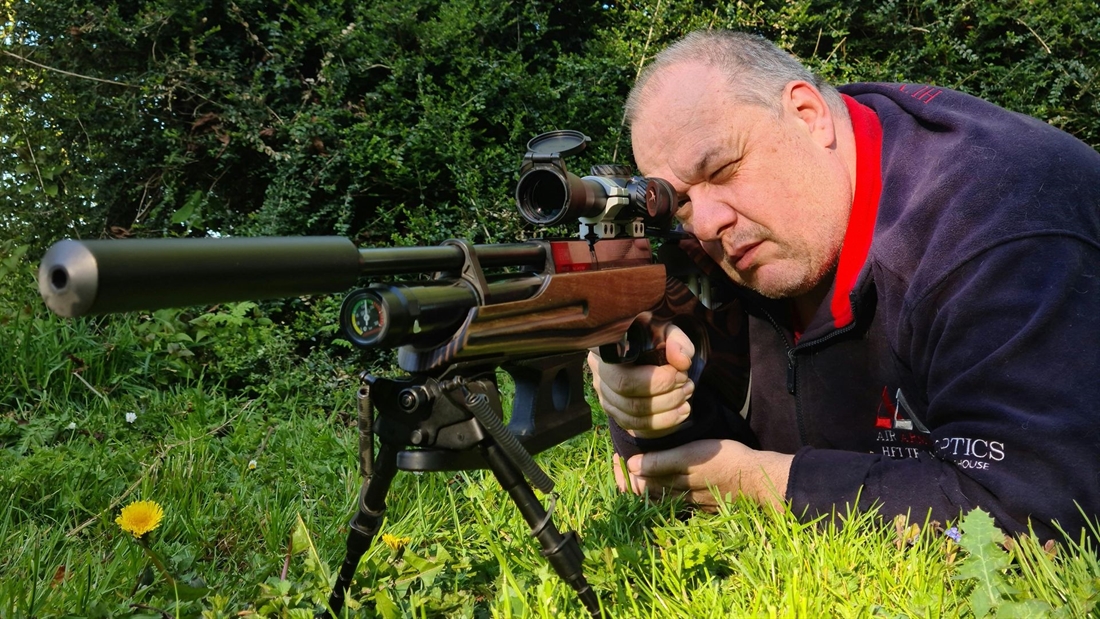
Most backyard shooters or small game hunters use air rifles at 20–50 yards. Beyond this, hitting a small target gets hard, even with practice.
Here’s what you should know:
- Pellets drop: Gravity pulls pellets down, so you must aim higher at longer distances.
- Wind matters: Even a light breeze can push a pellet off course.
- Backstops are important: Pellets can travel farther than you think. Always shoot with a safe backstop behind your target.
Some air rifles can shoot very far, but that doesn’t mean you should. Safety comes first. Never fire an air rifle without knowing where the pellet will land.
Common mistake: Many new shooters overestimate how far their rifle can shoot accurately. Practice at short ranges and slowly move out.
How To Increase Air Rifle Range
If you want to shoot further with your air rifle, here are tips that actually work:
- Choose the right pellet: Use pellets designed for long-range stability.
- Upgrade your optics: A good scope helps you aim better at distance.
- Practice good shooting technique: Consistent hold and trigger pull make a big difference.
- Tune your rifle: Some rifles allow you to adjust power settings for longer range.
But remember, accuracy matters more than just distance.

Legal And Safety Concerns
Air rifles are not toys. In many places, laws limit where and how you can use them. Some countries require a license for high-power models. Always check local rules before shooting outdoors or hunting.
For more detailed regulations, see Wikipedia: Air Gun Laws.
Frequently Asked Questions
How Far Can A .177 Air Rifle Shoot?
A typical .177 air rifle can send a pellet up to 400 yards under perfect conditions. However, the effective range for accuracy is usually 30–50 yards.
Can An Air Rifle Be Dangerous At Long Distances?
Yes. Even at long range, a pellet can cause injury or damage. Always use a safe backstop and never shoot where people or pets may be downrange.
What Is The Best Air Rifle For Long-range Shooting?
Pre-charged pneumatic (PCP) rifles are popular for long-range shooting. They offer high power and consistent accuracy, but they can be more expensive.
Does Weather Affect How Far An Air Rifle Can Shoot?
Absolutely. Wind can blow pellets off course, and temperature or humidity can change how air moves through the barrel. Shooting on a calm day gives the best results.
What Is The Maximum Legal Distance To Shoot An Air Rifle?
There is no universal legal distance. Local laws may control where you can shoot—such as not shooting near homes or roads. Always check your area’s rules before firing.
Air rifles can be fun and useful tools, but knowing their real limits helps you shoot safely and smartly. When in doubt, start close, learn your rifle, and always put safety first.

Leave a Reply