
Many shotgun owners find themselves asking: can you shoot rifled slugs in a smooth bore shotgun? It’s a practical question, especially for those interested in hunting, home defense, or just getting the most versatility from their firearm. The answer is important not only for performance but for safety and the lifespan of your shotgun. This article explores everything you need to know about firing rifled slugs through a smooth bore shotgun, including the science, best practices, common mistakes, and expert tips.
What Is A Rifled Slug?
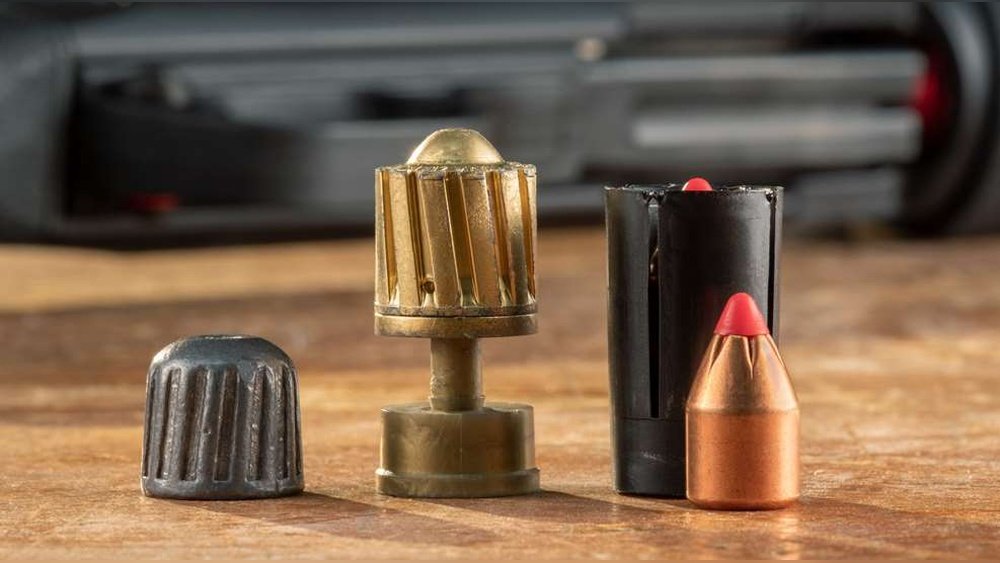
A rifled slug is a shotgun projectile designed with spiral grooves along its sides. These grooves do not actually spin the slug much in flight, but they serve a different purpose. The design helps the slug squeeze through a choke and slightly stabilize the projectile as it leaves the barrel. Unlike sabot slugs, which need a rifled barrel, rifled slugs are made to be fired from smooth bore shotguns.
The average rifled slug is made of soft lead and weighs between 1 and 1.25 ounces. Most popular brands are Foster-style slugs (named after their inventor), which have a hollow base and the classic ribbed sides. This shape helps the slug compress as it travels down the barrel, making it safer and more accurate in a smooth bore.
What Is A Smooth Bore Shotgun?
A smooth bore shotgun is a shotgun with a barrel that is completely smooth inside, with no internal grooves (rifling). This is the traditional design for most shotguns. Smooth bores are perfect for firing shot shells containing many small pellets, as the lack of rifling allows the pellets to spread evenly.
Most shotguns sold for hunting, sporting, and home defense are smooth bore. Rifled barrels are less common and are typically found on shotguns built specifically for firing slugs.
Can You Shoot Rifled Slugs In A Smooth Bore Shotgun?
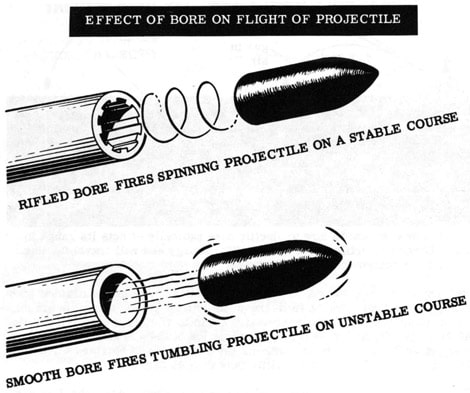
The short answer is yes—rifled slugs are designed specifically to be fired through smooth bore shotguns. In fact, this is their main purpose. The spiral grooves on the slug allow it to compress as it passes through the barrel’s choke, making it safe and effective.
Firing rifled slugs from a smooth bore shotgun provides better accuracy than using standard shot shells at distances out to about 50–75 yards (45–70 meters). Beyond this range, accuracy drops compared to what you’d get from a rifled barrel, but for most hunting and defensive uses, smooth bores perform well with rifled slugs.
How Rifled Slugs Work In A Smooth Bore
When you fire a rifled slug from a smooth bore, the slug travels straight down the barrel without much spin. The grooves on the slug are not deep enough to interact with the bore and create real rotation, but they do allow the slug to compress and pass through tighter chokes. The slug’s shape and weight help it fly straight, much like a dart.
The soft lead construction also means the slug will not damage the interior of your barrel, even if you have a fixed choke. This is why rifled slugs are generally safe to use in most smooth bore shotguns.
Accuracy And Range: What To Expect
Firing rifled slugs through a smooth bore shotgun can give you good accuracy for short to medium distances. Here’s a comparison of accuracy and range between different combinations:
| Barrel Type | Slug Type | Effective Range | Typical Group Size (at 50 yds) |
|---|---|---|---|
| Smooth Bore | Rifled Slug | 50–75 yards | 2–4 inches |
| Rifled Barrel | Sabot Slug | 100–150 yards | 1–2 inches |
| Smooth Bore | Sabot Slug | Not recommended | Poor accuracy |
Key insight: Most hunters and shooters do not realize that the practical range for rifled slugs in a smooth bore is limited not by power but by accuracy. At 50 yards, you can reliably hit a deer-sized target, but at 100 yards, your group size will spread much more.
Choke Selection When Shooting Slugs
Chokes are devices at the end of your shotgun barrel that shape the spread of the shot. When firing rifled slugs, choke choice matters for both safety and accuracy.
- Cylinder or Improved Cylinder: These are the best choices for shooting rifled slugs. They have the least constriction and allow the slug to pass without too much pressure.
- Modified Choke: You can use it, but accuracy might decrease, and barrel pressure increases slightly.
- Full Choke: Not recommended. It creates too much constriction, which can lead to dangerous barrel pressures and possible damage.
Here’s a simple comparison:
| Choke Type | Slug Compatibility | Notes |
|---|---|---|
| Cylinder | Excellent | Best accuracy and safety |
| Improved Cylinder | Very Good | Safe and accurate |
| Modified | Fair | Acceptable, but check manual |
| Full | Poor | Risk of damage |
Non-obvious insight: Many shooters do not realize that fixed full chokes can actually deform or even lodge a slug, which is dangerous. Always check your shotgun’s manual for slug recommendations.

Safety Considerations
Safety is always the top priority when shooting any ammunition. Here are essential safety tips for firing rifled slugs in a smooth bore shotgun:
- Check your barrel and choke: Make sure your shotgun is rated for slugs and use the proper choke.
- Use the right ammunition: Only use rifled slugs in smooth bores. Do not use sabot slugs unless your shotgun has a rifled barrel.
- Inspect your barrel regularly: Lead fouling can build up quickly when shooting slugs. Clean your barrel after each use.
- Avoid steel or hard alloy slugs: These are rare, but using them can scratch or damage your barrel.
Practical tip: If your shotgun is older or has a fixed full choke, consult a gunsmith before firing slugs.
When Should You Use Rifled Slugs?
Rifled slugs in smooth bore shotguns are best for:
- Hunting medium game: Such as deer or wild boar, especially in areas where rifles are not allowed.
- Home defense: The stopping power is significant, and over-penetration is less than with buckshot.
- Short to medium range shooting: Up to about 75 yards.
However, if you want longer range (100+ yards) and better accuracy, a rifled barrel with sabot slugs is a better choice.

Performance: Power And Penetration
Rifled slugs deliver high energy at short range. A typical 12-gauge rifled slug weighs 1 ounce (437 grains) and leaves the barrel at about 1,600 feet per second. This generates over 2,400 foot-pounds of energy, enough to take down large game.
Penetration is also strong. At close range, a rifled slug can go through several feet of soft tissue or penetrate thick bone. For home defense, this means careful shot placement is important.
Practical Tips For Shooting Rifled Slugs
- Aim with the right sights: Iron sights or a red dot are best for shooting slugs. Bead sights are not as accurate.
- Practice at different ranges: Slugs drop quickly beyond 50 yards. Learn your shotgun’s trajectory.
- Use quality ammunition: Cheap slugs can lead to inconsistent accuracy.
- Clean your barrel: Slugs leave more residue than birdshot or buckshot.
- Check your laws: Some states only allow slugs for hunting certain animals.
Extra tip: Many shooters overlook the importance of recoil. Slugs have much more kick than regular shot shells. Practice good stance and grip.
Common Mistakes To Avoid
- Using sabot slugs in a smooth bore: These are designed for rifled barrels and will be very inaccurate.
- Ignoring choke recommendations: Shooting slugs through a full choke can be dangerous.
- Expecting rifle-like accuracy: Smooth bore shotguns with slugs are accurate, but not at rifle level beyond 75 yards.
- Not checking for barrel obstructions: Slugs can push debris out, but it’s risky. Always check before shooting.
Choosing The Right Rifled Slug
Not all rifled slugs are the same. Some perform better in certain shotguns or for certain uses.
| Brand | Weight | Velocity (fps) | Notes |
|---|---|---|---|
| Remington Slugger | 1 oz | 1,560 | Reliable, widely available |
| Federal TruBall | 1 oz | 1,610 | Special wad for better accuracy |
| Winchester Super-X | 1 oz | 1,600 | Good for most smooth bores |
Try different brands to see which your shotgun shoots best. Even small differences in design can affect accuracy.
Legal And Ethical Considerations
In some areas, using slugs is the only legal way to hunt big game with a shotgun. Always check your local laws. Also, remember that slugs have a much longer range than birdshot or buckshot—be sure of your target and what’s beyond it.
For more on shotgun slug use and regulations, the Wikipedia: Shotgun slug entry has useful details.
Frequently Asked Questions
Can I Shoot Rifled Slugs Through Any Shotgun?
Most modern smooth bore shotguns can fire rifled slugs safely, especially with a cylinder or improved cylinder choke. Always check your owner’s manual to confirm. Avoid using slugs with older guns or those with fixed full chokes unless a gunsmith approves.
Will Shooting Rifled Slugs Damage My Smooth Bore Barrel?
Rifled slugs made of soft lead will not damage a standard smooth bore barrel if the correct choke is used. Avoid steel or hard alloy slugs, which can scratch or wear the barrel.
How Far Can I Accurately Shoot Rifled Slugs From A Smooth Bore Shotgun?
Effective and accurate range is usually 50 to 75 yards. Some shooters may reach out to 100 yards, but accuracy drops quickly. For longer range, a rifled barrel and sabot slugs are better.
What Is The Difference Between Rifled And Sabot Slugs?
Rifled slugs are made for smooth bore shotguns and have grooves to compress through chokes. Sabot slugs are for rifled barrels only and use a plastic “sabot” to engage rifling and spin the slug for higher accuracy.
Is It Safe To Fire Slugs Through A Full Choke?
It is not recommended. Full chokes have the most constriction and can increase pressure, risking barrel damage or dangerous situations. Always use cylinder or improved cylinder choke for slugs unless your shotgun’s manual says otherwise.
Shooting rifled slugs through a smooth bore shotgun is a smart way to add versatility to your firearm. With the right choke, good ammunition, and proper technique, you can safely hunt, protect your home, or practice your marksmanship. Always prioritize safety, stay informed about your equipment, and enjoy the unique power and accuracy that rifled slugs offer in a smooth bore shotgun.

Leave a Reply